
- Signs of mineral deficiency or excess
- Phosphorus
- Potassium
- Nitrogen
- How to properly fertilize seedlings and mature bushes
- Seedling
- Mature bush
- What is the difference between foliar and root?
- Advantages and disadvantages of foliar feeding of cucumbers
- A range of modern fertilizers for cucumbers
- Organic
- Minerals
- Complex
- Folk recipes
- Green manure
- Bird droppings
- Manure
- Onion peel
- Yeast
- Ash
- We fertilize with calcium nitrate
- Timing and technology for foliar feeding of cucumbers
- In open ground
- In the greenhouse
- The nuances of fertilizing plants during fruiting
- Standards for the concentration of mineral fertilizers for foliar feeding of cucumbers
- What to do in case of fertilizer overdose?
- Conclusion
Cucumbers are a popular vegetable grown by many gardeners. To harvest more ripe cucumbers, you'll need to regularly feed your cucumbers. Before foliar feeding, you need to understand how to do it correctly and what fertilizers are best to use.
Signs of mineral deficiency or excess
Before adding fertilizers to the soil, you need to study the main symptoms that indicate an excess or deficiency of nutrients.
Phosphorus
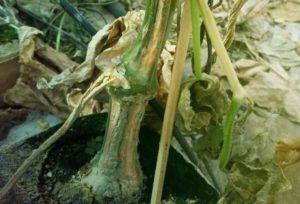
Phosphorus deficiency is easy to spot, as the leaves immediately begin to change color. Symptoms first appear on the lower leaves. Gradually, the red-purple spotting spreads to younger leaves on the upper shoots. If superphosphate and phosphorus fertilizers aren't added promptly, the plant will wither.
Excess phosphorus also negatively impacts the plant's further development. First, the color fades, followed by leaf curling.
Potassium
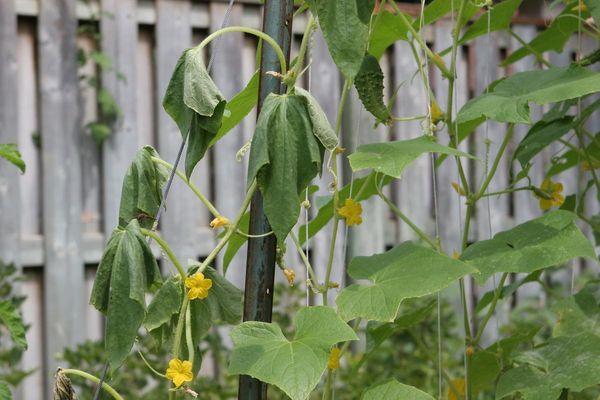
Symptoms of potassium deficiency begin to appear during the growing season. Foliage turns pale and develops a greenish-blue mottled appearance. Leaf blades develop unevenly, leading to leaf curl. If potassium-containing fertilizer is not applied to the soil, the foliage will turn yellow and dry out.
Excess potassium slows the growth of cucumber plants and reduces their yield. The main signs of excess potassium include:
- blanching of the surface of leaf blades;
- curling and wilting of leaves.
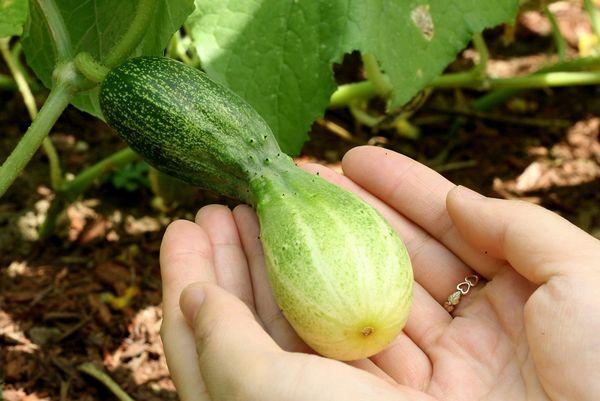
Nitrogen
Nitrogen deficiency initially affects older leaves on the lower branches. Their surface becomes covered with yellowish-orange spots, which later appear on the upper stems and young foliage. Vegetables that lack nitrogen experience premature leaf drop.
Due to excess nitrogen fertilizers, the foliage darkens and signs of chlorosis appear on its surface.
How to properly fertilize seedlings and mature bushes
Before planting cucumbers in a greenhouse or open ground, you should familiarize yourself with the nuances of fertilizing mature cucumber bushes and young seedlings.
Seedling
The first seedling feeding is done when the shoots begin to develop leaves. This procedure is performed in the morning or evening. Fertilizer is added again after three leaves have appeared on the shoots. The third feeding is done 2-3 weeks after the previous one.
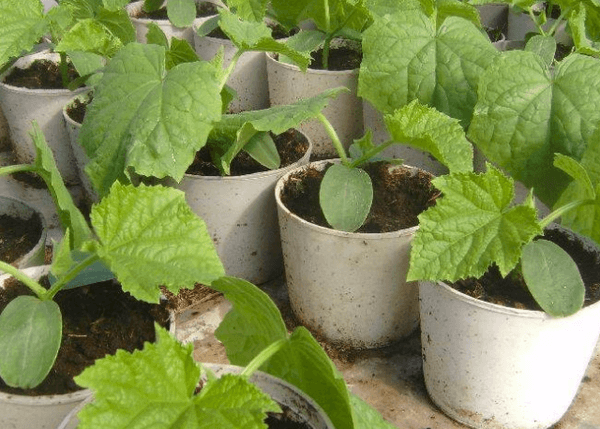
When fertilizing young seedlings, it is better to use ready-made mixtures that are sold in stores:
- "Breadwinner." Add 20 milliliters of the mixture to a ten-liter bucket of warm water. Use 400-500 milliliters of whey for each seedling.
- "Barrier." This product contains a complex of mineral components essential for vegetable growth. Use 100-150 milliliters per plant.
Mature bush
Mature cucumber plants need to be fertilized throughout the summer season. Experienced gardeners recommend fertilizing them at least three times to ensure optimal fruit production.
Cucumbers are first fertilized 8-10 days after transplanting the seedlings to their new location. The second application is made after flowering begins. The final application of organic and mineral fertilizers is done during the formation and ripening of the fruit.
What is the difference between foliar and root?
People who grow vegetables from time to time know that there are two main methods of feeding plants:
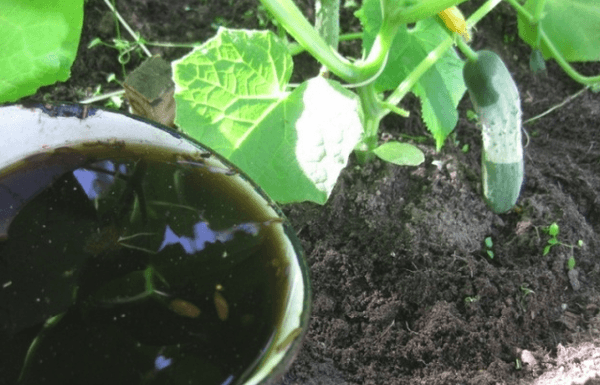
- Root fertilization. This is the most common method used by many vegetable growers. It involves applying nutrient mixtures to the roots of plants to facilitate their absorption. Most often, root fertilization involves using liquid mixtures that are then watered into the shrubs. Slurry diluted with water is popular, as it enriches the soil with minerals.
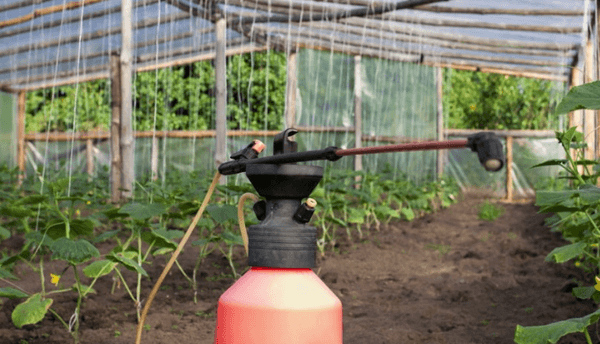
- Foliar application. When using the foliar method, nutrients penetrate the plant through the leaves rather than the root system. The concentration of nutrient solutions used for foliar application should not be too high to avoid damaging the leaves.
The main distinguishing feature of the methods discussed is the method of fertilizer application. With root feeding, the fertilizer mixture is poured under the roots, while with foliar feeding, the entire plant is sprayed.
Advantages and disadvantages of foliar feeding of cucumbers
Foliar feeding has a number of advantages and disadvantages that should be considered before adding mineral or organic fertilizers.
The advantages of foliar feeding of cucumber seedlings include the following:
- Nutrient absorption rate. When using foliar feeding, plants absorb fertilizers several times faster than when using root feeding.
- Promotes seedling growth in both low and high temperatures. Spraying bushes with mineral mixtures accelerates their growth during frosts or drought.
- Stimulates leaf growth. Foliage treated with fertilizers grows more vigorously, is less susceptible to insect attacks, and is virtually free of chlorosis.
- Improves fruiting. Spraying promotes the formation of new buds and ovaries, thereby increasing yield.
However, foliar feeding of vegetables does have some drawbacks. The main drawback is the inability to use highly concentrated liquids.

A range of modern fertilizers for cucumbers
There are several types of fertilizers that are used when growing vegetables.
Organic
Organic matter is used to improve soil fertility and restore its structure. Organic mixtures also normalize air and water conditions and enrich the topsoil with nutrients. The most popular organic fertilizers include manure, green manure, bird droppings, ash, and humus.
Minerals
Gardeners recommend using mineral mixtures to fertilize the soil with potassium, phosphorus, and nitrogen. These components are essential for rapid growth and better fruiting of seedlings. A mineral deficiency can cause vegetable death.
The most effective mineral fertilizers for seedlings include calcium cyanamide, ammonium nitrate, potassium sulfate and potassium chloride.
Complex
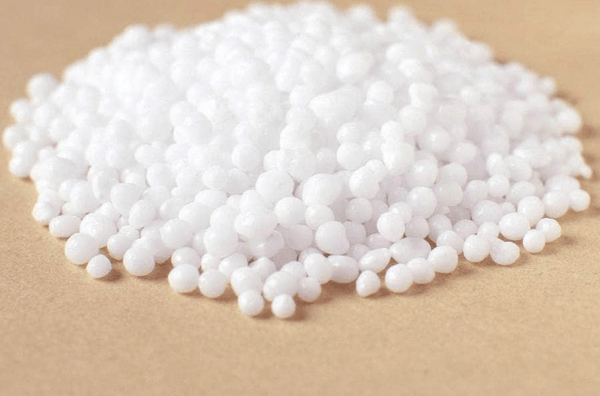
Complex fertilizers are fertilizers that contain several microelements. They are considered universal, as they can be used before planting and during the growing season.
Folk recipes
To create fertilizing solutions, you need to familiarize yourself with folk recipes for their preparation.
Green manure
Before preparing the fertilizer, mow and chop 8-10 kilograms of green grass. Then, pour the grass into a plastic barrel and fill it with warm water. Move the container to a sunny location to allow the mixture to ferment. Fermentation should continue for at least two weeks, after which urea is added to the grass infusion.
Bird droppings
Some gardeners use granulated chicken manure as a fertilizer. To prepare an effective fertilizer mixture, 100 grams of granules are poured into 10-12 liters of boiling water and left to steep for a week and a half. Then, 250 grams of ferrous sulfate and iodine are added to the solution.
Manure
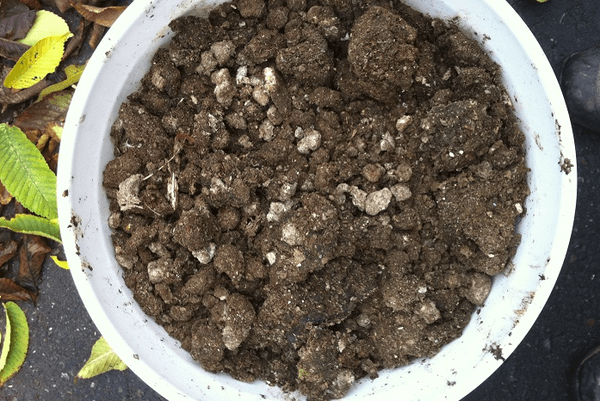
Cow manure is poured into buckets, covered with water, and left to soak for 2-3 weeks. During this time, uric acid, which is harmful to vegetables, dissolves in the liquid. Before spraying the plants, the resulting solution is mixed with water at a ratio of one part to ten.
Onion peel
Onion peels are sometimes used as fertilizer. To prepare the fertilizer mixture, pour 2-3 cups of peels into boiled hot water. Let the mixture steep for five days, then strain and add cold water.
Yeast
Sometimes vegetable growers use dry yeast to nourish cucumbers. 150-170 grams of yeast are mixed with 50 grams of sugar and 15 liters of water. After 2-3 hours, the starter is added to a 50-liter barrel of water.
Ash
You can make a liquid fertilizer from wood ash for spraying on shrubs. To make it, add 200 grams of wood ash and ammonia to a bucket of water.
We fertilize with calcium nitrate
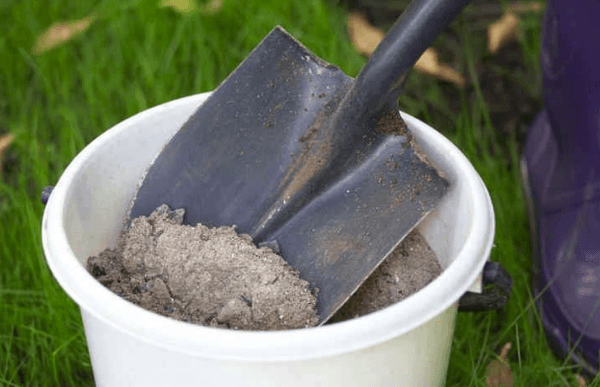
Nitrate is considered one of the most beneficial fertilizers for cucumber seedlings. To create a fertilizer spray, add 5 grams of nitrate to 1-2 liters of water.
Timing and technology for foliar feeding of cucumbers
It is recommended to familiarize yourself with the technology of adding foliar fertilizers in advance.
In open ground
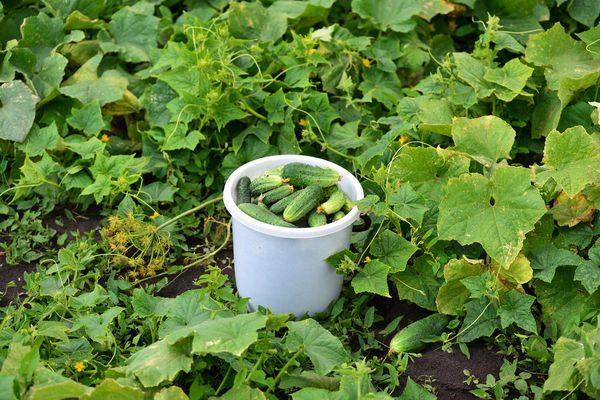
Most gardeners plant and grow cucumbers outdoors. Fertilizing begins in late spring, when the seedlings are transplanted into the garden. After transplanting, the seedlings become weaker, so nitrophoska is first added to the soil at a rate of 40 grams per square meter. The plants are then sprayed with Aquarin or Universal.
Every two weeks the plants are sprayed with mixtures made from manure, mullein or ash. The bushes are treated early in the morning or after sunset.
In the greenhouse
A polycarbonate greenhouse is another common place for growing vegetables. Greenhouse plants lack mineral components, so more superphosphate, ammonium nitrate, and potassium chloride are added to the soil.
The nuances of fertilizing plants during fruiting
During the period of active crop ripening, seedlings require a large amount of micronutrients. To speed up harvest ripening, gardeners recommend adding boric acid and organic fertilizers to the soil. Urea, mullein with ash, and potassium nitrate are also used to improve fruiting.
Standards for the concentration of mineral fertilizers for foliar feeding of cucumbers
When using mineral fertilizers, adhere to the recommended dosage and concentration. Fertilizer mixtures should be used so that their concentration does not exceed 0.5-1%. Using concentrated solutions will cause foliar burn and reduce yield.
What to do in case of fertilizer overdose?
Sometimes gardeners fertilize their vegetables too frequently, causing the plants to show symptoms of fertilizer overload. The foliage becomes covered in yellow or reddish spots, and the plants stop producing fruit and gradually dry out. During periods of overfertilization, the plants stop receiving fertilizer.
Conclusion
Those planning to grow cucumbers should familiarize themselves with the specifics of fertilizing the vegetable. It is recommended to understand the timing and basic methods of applying fertilizer.
Related posts:
 The best eggplant varieties for growing in a polycarbonate greenhouse: planting and care
 Methods for planting and propagating cherries at home
 Growing and caring for hazelnuts in open ground, rules for planting hazelnuts
 Rules for planting and caring for pears in open ground, how to grow them correctly
 Technology of fertilizing cucumbers with chicken manure and timing of fertilization
 The best grape varieties for growing in the Urals, planting and care rules in summer
 How to use and prepare manure as a fertilizer, its types and composition
 What is the best way to feed cucumbers during flowering and fruiting?