
- Do I need to use fertilizer when growing cucumbers?
- Signs of nutrient deficiency
- Methods of application
- Root feeding during flowering and fruiting
- Foliar feeding
- When to fertilize cucumbers?
- Spring - early summer, after planting in the ground
- During the period of flowering in summer and the appearance of the ovary
- During fruiting, summer - autumn
- Extending fruiting: late summer – early fall
- How to fertilize cucumbers in open ground: description of preparations and application instructions
- Top dressing with mineral fertilizers
- Ash
- Compost
- Yeast feeding
- Onion peel
- Organic
- Green manures
- Bird droppings
- Iron chelates
- Mullein solution
- Complex
- Store-bought products
- Organomineral "Fasco"
- "Spring"
- "Baikal"
- "Turbo health"
- Sudarushka
- Agricola
- Gumi
- "Good Force"
- Energen
- Kemira
- Growing Up
- Blank Slate
Every vegetable crop requires fertilizers to stimulate growth and ensure proper seedling development. When growing cucumbers, it's important for gardeners to know what to feed them with to ensure a bountiful harvest. Proper fertilization affects the size of the fruit, its flavor, and the ripening process.
Do I need to use fertilizer when growing cucumbers?
Fertilizers enrich the soil with micronutrients, without which cucumbers cannot fully and properly develop. Regardless of the variety grown, regular fertilization is essential as it is an essential component of comprehensive plant care.
Signs of nutrient deficiency
If you're not feeding cucumbers enough fertilizer, you can notice a lack of nutrients by a number of visual signs. Specifically:
- Early shoots and formed stems become thinner and fibrous.
- The lower part of the foliage withers, and the upper part changes color to pale green.
- The fruits become smaller and ripen in small quantities. The bases of the fruits become very pointed.
- The general condition of the plantings appears depressed and underdeveloped.
Methods of application
At different stages of planting and subsequent vegetative growth, fertilizers are applied in different ways. To ensure proper nutrient delivery to the plant, it's important to carefully follow the sequence of root and foliar feedings.
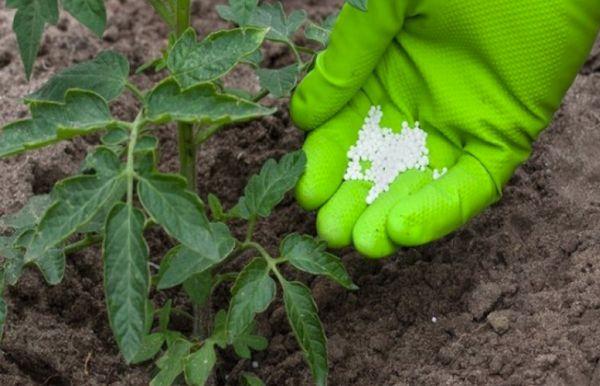
Root feeding during flowering and fruiting
Root feeding involves applying preparations directly to the roots by watering the plant at the base. Solutions of mineral and organic substances are used for root feeding.
Applying nutrients while digging the soil and preparing planting holes is also considered root feeding. The difference is that in this case, granular substances are used. These gradually release the mineral components that the plant absorbs from the soil over a long period of time.
Foliar feeding
Foliar feeding involves delivering nutrients through the above-ground portion of plants rather than through the root system. This is achieved by spraying the leaves of plants with special solutions. A key feature of foliar feeding is that the concentration of the solution should be halved compared to root watering. This is necessary to prevent the leaves from being burned by sunlight.
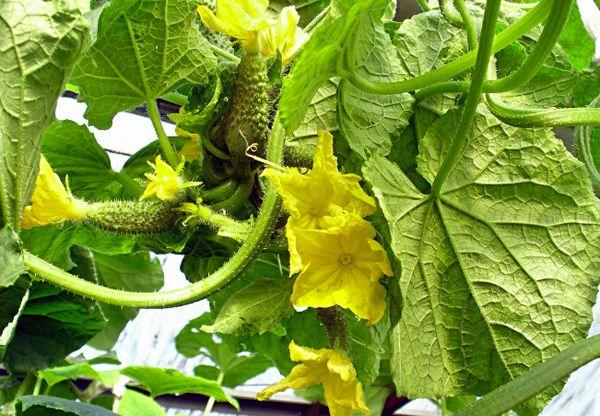
Spray cucumber foliage early in the morning or in the evening, after sunset. Otherwise, the solution dries quickly, and the leaves don't have time to absorb it in the required amount.
When to fertilize cucumbers?
According to standard care guidelines, cucumbers are fertilized at least four times during the growing season. Each application is timed accordingly. This sequence is essential to ensure the plants receive different nutrients at the appropriate stages of development, resulting in a large and healthy harvest.
Spring - early summer, after planting in the ground
The first portion of fertilizer is applied a couple of weeks after transplanting the seedlings to their permanent location. First, the seedlings are thinned out and then treated with liquid mineral and organic solutions. Suitable organic fertilizers include chicken manure and cow dung mixed with water at a ratio of 1:10. Urea, potassium sulfate, and superphosphate are also used as mineral fertilizers.
The purpose of the first fertilizer is to stimulate growth, support development, and increase the vitality of plants. The subsequent vegetation process largely depends on the first fertilizer applied after planting.
During the period of flowering in summer and the appearance of the ovary
After the first inflorescences have formed, the next feeding of the plants begins. For greenhouse plants, complex fertilizers containing a high nitrogen content are used, while for open-ground plants, a vitamin-rich mixture of water, superphosphate, ammonium nitrate, and potassium salt is suitable.
During fruit set, plants are additionally sprayed with boric acid diluted in warm water. This substance helps increase the number of ovaries, which has a positive effect on yield. The diluted acid is sprayed onto the leaves of plants, which also provides protection against pest attacks and the development of diseases.
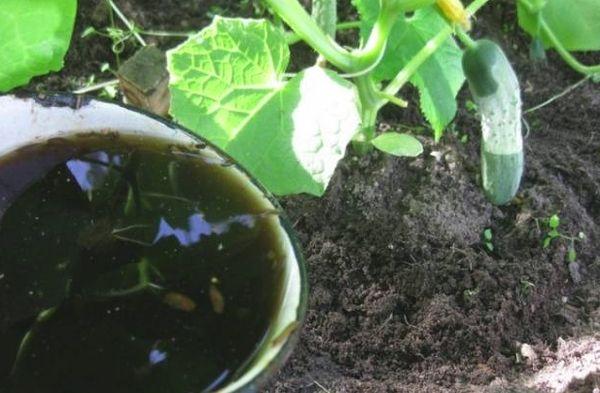
During fruiting, summer - autumn
During the fruiting stage, cucumbers absorb the maximum amount of nutrients from the soil. To replenish these nutrients and promote healthy growth, another feeding is performed. Greenhouse cucumbers are treated with a nitrophoska solution immediately after the first cucumbers appear. A second application of nitrophoska is required after a week. Organomineral stimulants are added throughout the fruiting period.
Cucumbers grown in garden beds should be fertilized with urea during fruiting. Spraying should be done in the evening or during cloudy weather. In addition, mineral fertilizers are recommended.
Extending fruiting: late summer – early fall
Cucumbers can bear fruit for 2-3 months, until the first cold snap of autumn. If grown improperly, the vegetables stop ripening much earlier, so fertilizers are used to prolong fruiting.
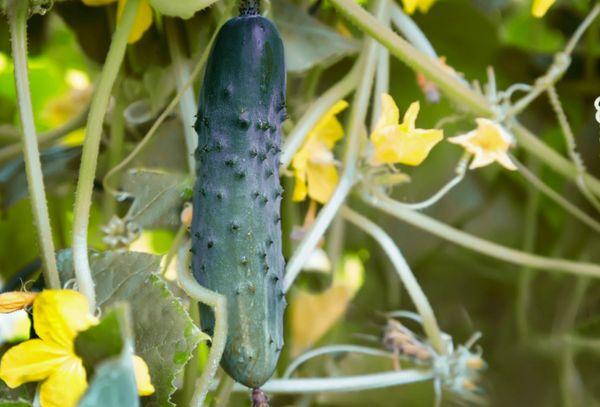
In mid-August to early September, when ambient temperatures begin to drop and plant roots absorb nutrients less effectively, it's advisable to reduce root feeding and increase foliar feeding. Foliar feeding, which helps prolong fruiting, uses a urea solution at a ratio of 15 g per 10 liters of water, along with complex additives and preparations such as Epin and Zircon.
How to fertilize cucumbers in open ground: description of preparations and application instructions
A wide variety of fertilizers are used to fertilize vegetables grown in unprotected soil. Each fertilizer has unique characteristics, differs in composition, and differs in application method. To use the fertilizers effectively, please read the instructions carefully beforehand.
Top dressing with mineral fertilizers
The use of mineral fertilizers, combined with regular watering and proper agricultural practices, helps plants rapidly grow foliage. Timely application of minerals has a positive effect on fruit formation.
Ash
Cucumber beds can be treated with dry ash before watering, or a special infusion can be used. To prepare the infusion, dissolve 2 tablespoons of ash in 1 liter of water and let it sit for a week, stirring occasionally.
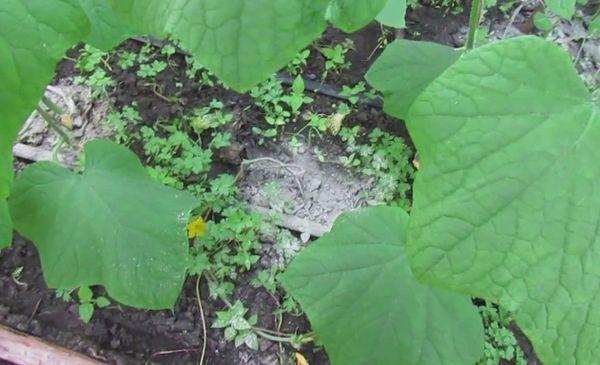
A key advantage of ash used for plants is its absence of chlorine, which is found in many other mineral fertilizers. It's important to note that the composition of ash directly depends on the type of wood used to burn it.
Ash from burning hardwood contains high levels of calcium, bark and straw ash is rich in phosphorus, and ash from burning meadow grasses is rich in potassium.
Compost
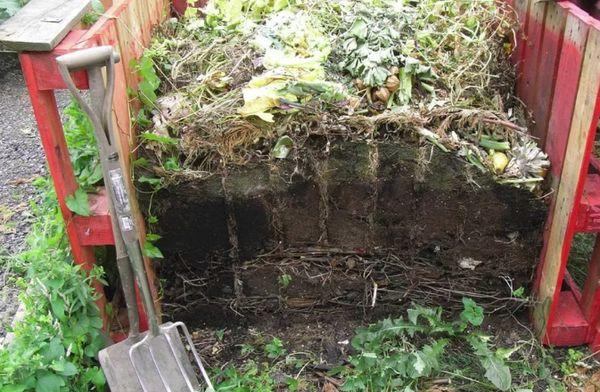
Gardeners value compost for its ease of preparation and effectiveness. The fertilizer is derived from food scraps and plant remains. The decomposed elements positively impact the soil composition, nourishing plants and enabling them to grow more vigorously.
In cucumber beds, it's recommended to add compost in the fall while tilling the soil to make it more fertile. If you weren't able to use the compost in time, you can add it in the spring during planting, either by spreading it into the furrows or by working it into the shallow soil layers. You should also add a small handful of compost to each planting hole to help the cucumbers establish themselves better in their new location and begin to grow vigorously.
Yeast feeding
Using yeast as a fertilizer is a modern method with several advantages. These include:
- Yeast contains beneficial micro- and macroelements, vitamins, amino acids, proteins and organic iron.
- Yeast increases seedling resistance to adverse climates and diseases. Fertilized seedlings tolerate transplanting better and become less stretchy.
- Repeated use of fertilizer activates root development and increases their number.
- When yeast enters the soil, it saturates it with microorganisms that actively multiply and decompose organic matter. This process produces pure phosphorus and nitrogen, essential for plant development.
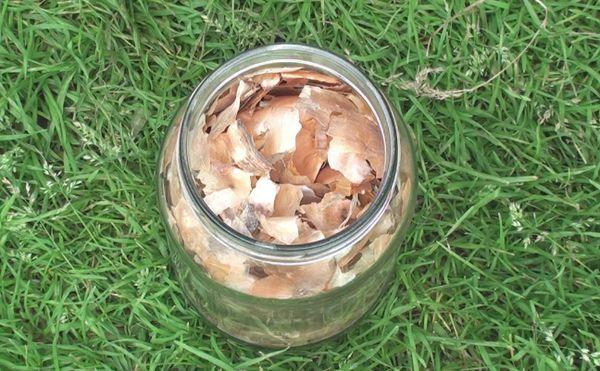
Onion peel
Onion peels are often used to fertilize wilting plants. They contain a large group of vitamins, quercetin, organic acids, phosphorus, potassium, and other beneficial components. Fertilizing cucumbers stimulates growth, improves immunity to infections, and strengthens their structure. The peels also protect the tops from pests, as they have disinfectant properties.
Organic
Organic fertilizers are composed entirely of natural elements. They contain the same components as mineral fertilizers, so the only difference is their natural origin. The processed organic matter in the soil leaves beneficial microorganisms and bacteria that strengthen plants, ensure their full development, and improve yields.
In addition to fertilizers made from whey, iodine and bread, a large number of other fertilizers are widely used.
Green manures
Plants that improve soil fertility are known as green manures. They are crops grown specifically to suppress weed growth, kill pests, and disinfect. Green manure crops are also suitable for making soluble fertilizers.
Bird droppings
Bird droppings contain a large amount of nitrogen, essential for vegetable crops to actively grow foliage. In addition to nitrogen, they also contain a basic set of beneficial components. Their effect on plants is comparable to that of mineral fertilizers. To prepare an infusion of bird droppings, simply dilute them in water and let them steep for 2-3 days.
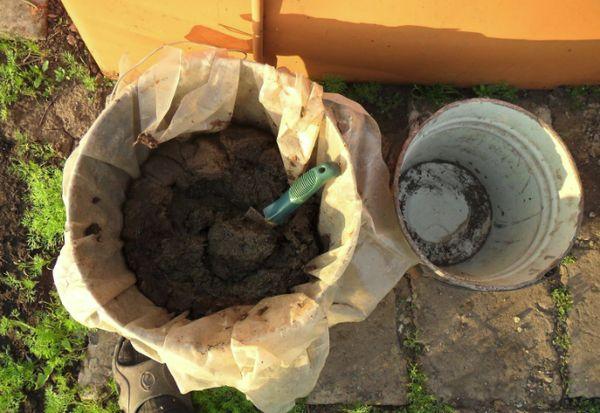
Iron chelates
Iron chelates have a specific effect because they consist of a single micronutrient. This fertilizer is used on cucumbers for:
- eliminating yellowing of leaves and increasing foliage;
- prevention of chlorosis;
- activation of the process of photosynthesis in unfavorable conditions for growing cucumbers.
Mullein solution
Cow manure is used to increase crop yields, protect vegetables from infections, and strengthen the immune system. To prepare a mullein solution, simply mix the manure and water at a ratio of 1:5, seal the container tightly, and let it steep for two weeks. Stir the mixture daily and then cover again.
Complex
Complex fertilizers contain several essential nutrients, which enhances their impact on plants. Complex fertilizers are most often used when growing crops in unfavorable conditions or with insufficiently fertile soil.
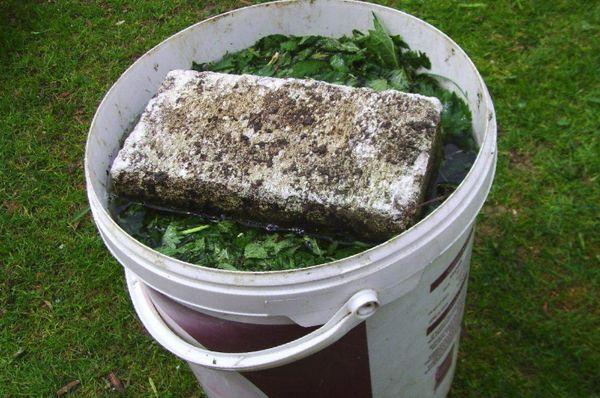
Nitroammophoska
The most common complex fertilizer is nitroammophoska, which contains phosphorus, nitrogen, and potassium. Nitroammophoska is applied before planting and during vegetable cultivation. The substance is dissolved in liquid and applied to the plants, using 0.5 liters per plant.
Store-bought products
In addition to organic, mineral, and complex fertilizers, many gardeners use store-bought products. In some cases, these are sufficient to produce a good harvest.
Organomineral "Fasco"
The Fasco nutrient complex is produced in granular form, preventing leaching during watering and ensuring a long-lasting effect. It is chlorine-free, so it doesn't damage plant roots.
"Spring"
Rodnichok is used as a fertilizer throughout the growing season. It is applied during digging or loosening in the spring and fall.
"Baikal"
Made from beneficial microorganisms, "Baikal" is used at all stages of cucumber growth. It increases plant vigor and germination.
"Turbo health"
The components of Turbo Zdravén are presented in chelated form. This allows plants to better absorb beneficial elements and grow vigorously.
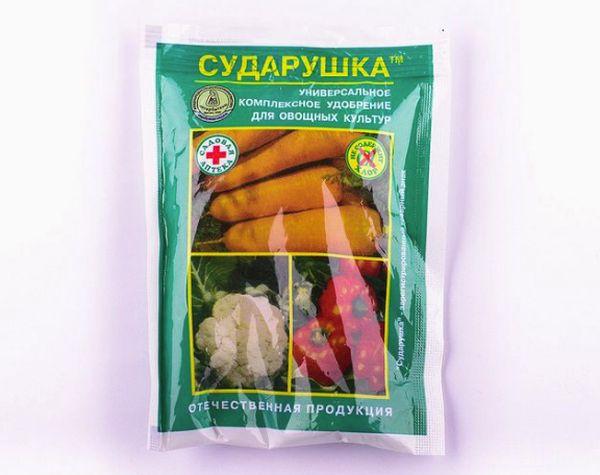
Sudarushka
Sudarushka fertilizer contains a complex of micro- and macroelements that promote rapid growth and fruit formation. It is chlorine-free and dissolves quickly in water.
Agricola
The eco-fertilizer "Agricola" is used for root and foliar application. Its balanced composition promotes intensive growth and improved yields.
Gumi
"Gumi" is used to stimulate growth. The fertilizer contains sodium salts, phosphorus, potassium, and nitrogen.
"Good Force"
The complex fertilizer "Dobraya Sila" is used in the early stages of growth. This supplement helps grow plump cucumbers with excellent flavor.
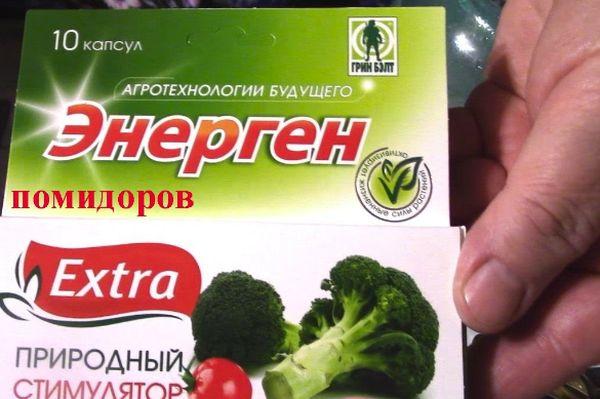
Energen
Energen is used as a supplement to base fertilizers. It contains humic substances and other beneficial acids.
Kemira
Kemira contains nitroammophoska and the microelement selenium. It is a water-soluble fertilizer used at the beginning of plant development.
Growing Up
Cucumbers love fertile soil, and "Vyrastaika" is used to improve its structure. This complex, granular, and chlorine-free product is used.
Blank Slate
The universal fertilizer "Clean Leaf" has a beneficial effect on the root development of vegetable crops. It contains beneficial acids, vitamins, and a number of microelements.
Related posts:
 Description of the best varieties of Chinese cucumbers, planting, growing and care
 Description of unusual methods for planting and growing cucumbers
 How to properly plant cucumbers in open ground with seeds, and at what depth
 What is the best way to feed cucumbers during flowering and fruiting?
 TOP 30 best determinate cucumber varieties with descriptions
 Why cucumber leaves are drying out and what to do, how to treat them in a greenhouse and in the ground
 How to care for cucumbers in open ground from planting to harvesting
 How to plant cucumbers in open ground under film: timing and cultivation technology