
- Description of the Natasha variety
- History of potato breeding
- Appearance of the bush and root crop
- Taste and application of Natasha potatoes
- Susceptibility to diseases and pests
- The main advantages and disadvantages of the Natasha potato
- Necessary conditions for growing and fruiting Natasha potatoes
- Agricultural technology
- Landing time
- Preparing the plot and planting material for potatoes Natasha
- Depth and landing pattern
- Care
- Watering potatoes Natasha
- Fertilizer application table
- Loosening and mulching the soil
- Hilling up the beds
- Preventive treatment of potatoes Natasha
- Harvesting and storage
- Gardeners' reviews of Natasha potatoes
According to the description of the Natasha potato and gardener reviews, this crop ranks among the best varieties for growing in the CIS countries. This variety is easy to care for, making it suitable for even inexperienced gardeners. The plant is suitable for cultivation for sale or personal consumption. It's worth familiarizing yourself with all its features beforehand.
Description of the Natasha variety
The Natasha potato is an early-ripening variety, maturing in 2.5 months. It's easy to care for and doesn't have any particular soil requirements. It thrives in almost all regions of the Russian Federation.
History of potato breeding
The Natasha potato variety was developed by German breeders in the early 21st century. It immediately caught the fancy of European gardeners. In Russia and other former Soviet countries, the variety was grown in agricultural areas due to its abundant yield. In the early 2000s, it also gained popularity among gardeners. The variety has been officially recognized by the State Register of the Russian Federation for the Middle Volga Region since 2006.
Appearance of the bush and root crop
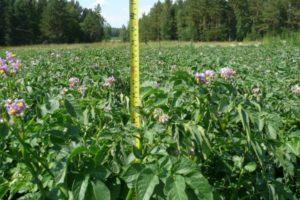
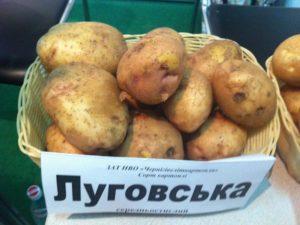
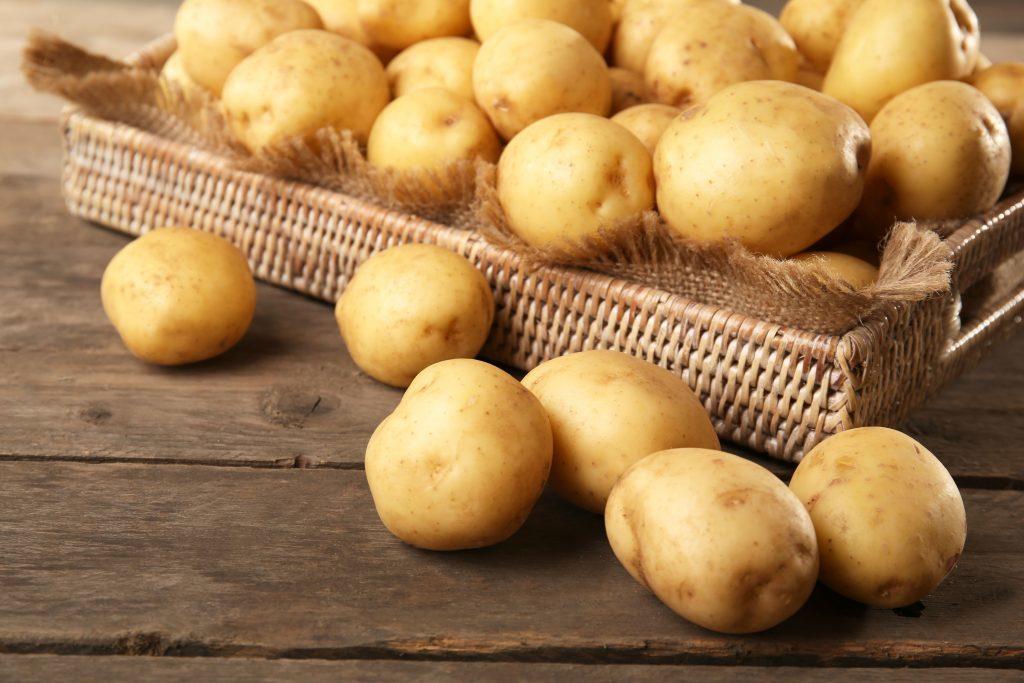
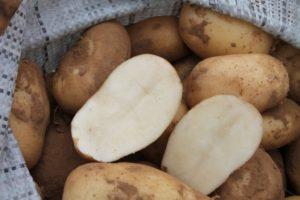
The bushes are upright and medium-sized. The leaves have wavy edges, a rich green hue, and are small. The flowers are white with a bluish edge. The pistils are bright yellow. The tubers are oval-shaped, with smooth skin and small eyes. The fruits contain 12-14% starch, and the flesh is yellowish. One potato weighs 140 grams. Each bush bears 10 tubers. Approximately 130-190 centners are harvested from one hectare.
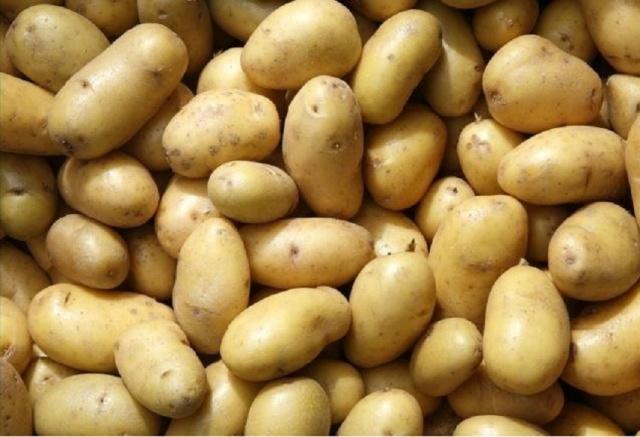
Taste and application of Natasha potatoes
The fruits have a creamy, filling flavor. They are widely used in soups, mashed potatoes, casseroles, salads, and fried, boiled, and stewed potatoes. When boiled, the tubers retain their original appearance and do not become overcooked. This makes this variety considered a versatile one.
Susceptibility to diseases and pests
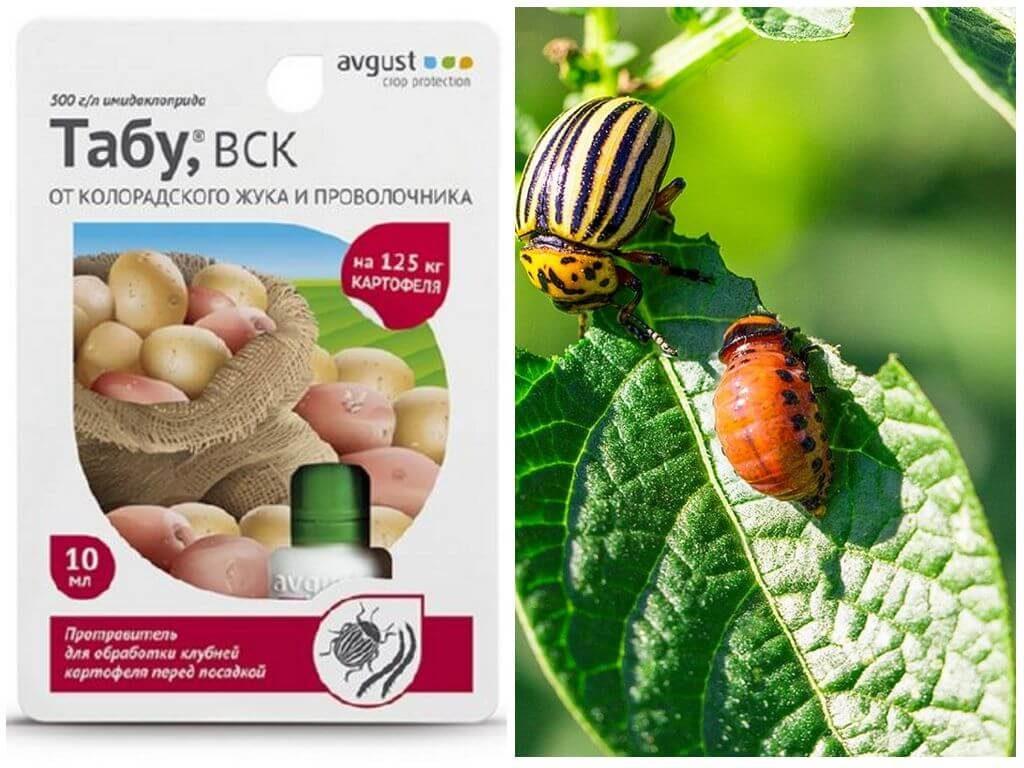
The Natasha potato is highly resistant to disease and beetle attacks. The plant is rarely susceptible to canker, nematodes, rot, or rhizoctonia. Insects that can sometimes attack include wireworms, Colorado potato beetles, and mole crickets. These can be controlled with insecticides or fungicides such as Proteus, Engio, and Vertimek. For prevention, inspect the tops periodically.
The main advantages and disadvantages of the Natasha potato
Gardeners find many positive qualities in the Natasha potato, but there are also several negative aspects.
| Pros | Cons |
| Early maturity | Susceptibility to Colorado potato beetle infestation |
| Resistance to drought, frost, diseases and beetles | |
| Undemanding to soil | |
| High shelf life, yield preservation rate of 93% | |
| Presentable commercial appearance of fruits | |
| Excellent taste, versatile culinary uses |
Necessary conditions for growing and fruiting Natasha potatoes
Potatoes should be grown in a sunny location or in partial shade. There should be no trees near the plants that could shade them.
Ideal predecessors include legumes, tomatoes, cucumbers, and pumpkins. It's not recommended to plant vegetables in areas previously occupied by sunflowers or sorghum. Potatoes are replanted every three years because they deplete the soil. To ensure a regular, abundant harvest, ensure proper watering, weeding, fertilization, and hilling.
Agricultural technology
There are no special requirements for planting Natasha potatoes. The procedure is standard for this crop, especially when planting in the garden for personal consumption.
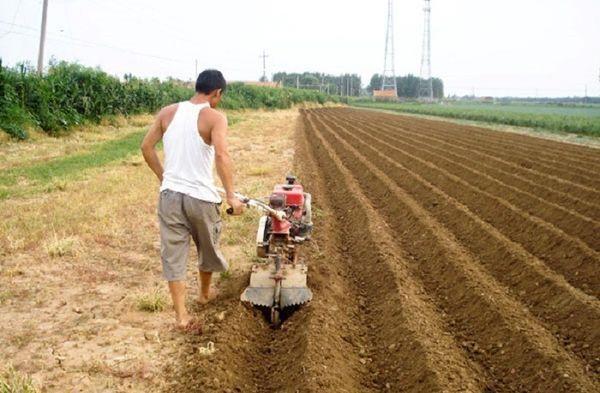
What you'll need to grow potatoes on an industrial scale with mechanical harvesting:
- Plow for autumn plowing of the territory.
- A harrow or disc harrow. These are used to break up clods and loosen the top layer of soil.
- A watering system or sprayer for irrigating bushes. A second device applies fertilizer and treats plants with chemicals.
- Potato planter for planting fruits.
- Cultivator, ridge former, for hilling up spaces between rows and forming ridges.
- Potato harvester or harvesting attachment.
- Sorting or packaging devices.
In the garden, you can get by with a shovel for harvesting and planting potatoes, a rake for loosening the space between rows, and a hoe or mattock for weeding and hilling. You'll also need a hand sprayer, a watering can, or a hose with a sprinkler.

Landing time
The timing of planting Natasha potatoes depends on the soil's warming. In the south, planting takes place in late March or early April. In mid- and northern latitudes, the vegetable is planted from April 15th or early May.
It is important that the air temperature warms up to +8-10 degrees.
Preparing the plot and planting material for potatoes Natasha
Land preparation begins in the fall. The area is cleared of weeds and plowed for better aeration. Manure and compost are added at a rate of 5-7 kg per square meter. 15-20 grams of potassium sulfate and 35-40 grams of superphosphate are scattered over the soil. After plowing, the soil is sown with green manure crops such as rye and mustard. If the crops are growing abundantly, they can be cut back in late fall, leaving the greens on the surface. The mustard should not be harvested. With the arrival of spring, the plot is cultivated again.
Take a look Also
One and a half months before planting, remove the seedlings from storage and place them in a room with a temperature of 22 degrees Celsius or higher. Medium-sized tubers showing no signs of disease are germinated. It's important to maintain adequate lighting, using a UV lamp or daylight. Once the tubers have sprouted, they are treated with growth stimulants such as heteroauxin.
Prevention of diseases and pest attacks is carried out by spraying with Prestige.
After planting the potatoes, level the soil with a rake. Until the seedlings emerge, periodically remove weeds and water the soil to prevent crusting. Mulch can be applied to the plants.
Depth and landing pattern
When planting Natasha potatoes, follow the advice below.
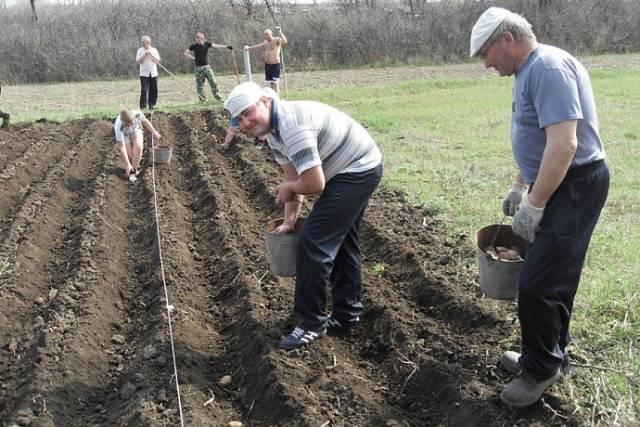
- Maintain a distance of 70 cm between the beds and 30 cm between the holes.
- The holes are fertilized with 0.5 and 0.7 grams of dry humus and 5 tablespoons of wood ash.
- The root vegetables are carefully placed in holes up to 10 cm deep with the sprouts facing up and covered with soil.
- The beds are leveled with a rake.
Instead of organic matter, you can use 1 tablespoon of nitrophoska, half a glass of bone meal, or a combination of these products according to the instructions.
Care
Potatoes should be cared for according to certain rules.
Watering potatoes Natasha
Potatoes need to be watered infrequently, as excess moisture can lead to root rot and the development of diseases. Water once a month, depending on the weather. If there's no rainfall, you can water the plants with 0.5 buckets of water per plant twice every 30 days.
Fertilizer application table
Natasha's potatoes prefer evening feedings with humate preparations – every two weeks during the growing season. Dissolve 2 grams of fertilizer in 10 liters of water. Three liters of the prepared mixture is required per 100 square meters.
Loosening and mulching the soil
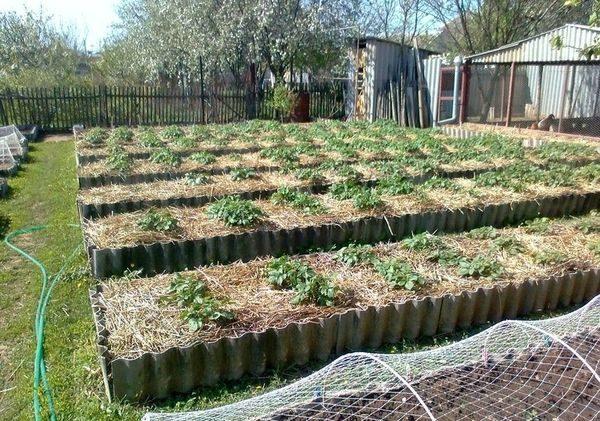
Weed the area between the beds once or twice every 14 days. It's important to remove weeds, as they interfere with the healthy development of the potatoes. Loosen the soil with a spade blade, being careful not to damage the rhizomes. Mulch the bushes with sawdust, peat, hay, and compost to retain moisture and warmth, prevent weed growth, and prevent disease and beetle attacks.
Hilling up the beds
Hilling potato rows prevents the tops from falling to the ground, protecting them from rotting and drying out. This procedure stimulates soil aeration and plant growth. Weeds are removed beforehand, and hilling is performed twice during the growing season. The first hilling is performed when the tops are 20 cm high. The second hilling is performed 2-3 weeks later.
Preventive treatment of potatoes Natasha
The Natasha potato is virtually immune to disease and beetle attacks, but the condition of the tops should be checked periodically. If signs of pathogenic microorganism activity are noticed (such as damaged leaves, spots, cracks, or drying of the tops and tubers), treat the plants with chemicals.
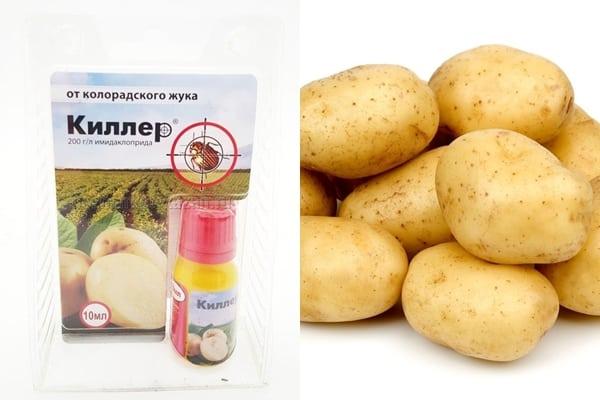 The procedure cannot be performed 2 weeks before harvest.
Contact treatments include Doctor, Decis, and Aktara. Biological formulations such as Fitoverm and Bicol can also be used. Since pests quickly develop immunity to chemicals, treatments with different products should be repeated three times.
Harvesting and storage
Natasha potatoes should be harvested when they are fully ripe. Unripe tubers are unsuitable for storage. Potato ripeness is determined by the following criteria:
- the tops of the tops turn yellow;
- The peel thickens on the fruits, which is checked by digging up the bushes.
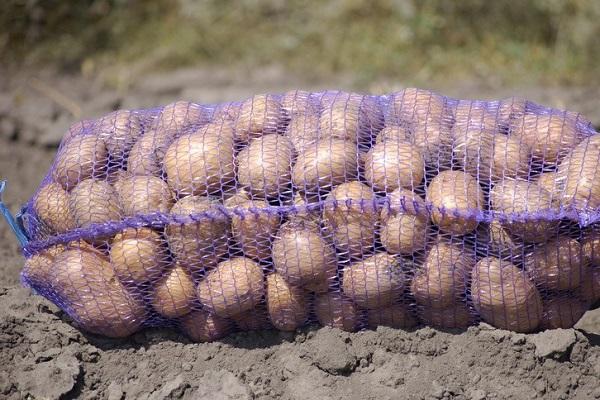
Natasha potatoes have a thick skin and can be harvested mechanically or by hand. After harvesting, the fruits are sorted and dried for 2-3 days in a dry room. Reject any specimens showing signs of disease, rot, or that are too soft. These can be used as animal feed or processed into alcohol.
The selected harvest is stored at a temperature of +2 degrees and air humidity of up to 90%.
Gardeners' reviews of Natasha potatoes
Below are responses from gardeners growing Natasha potatoes, which will help you confirm the need to grow this variety.
Oksana Boyko, 72 years old, Poltava
Hello! I've been growing Natasha potatoes for three years, and I have only positive experiences with this variety. The fruits are large, not mushy, and delicious. I love mashing, frying, and boiling them. I recommend everyone planting potatoes in their gardens. They don't require much care and rarely get sick. I once had a Colorado potato beetle infestation, but I used Matador to kill it; one treatment was enough.
Grigoriy Tishchenko, 36 years old, Kyiv
Hi everyone! The Natasha potato is my favorite variety. I grow it for sale on a 4-hectare plot. Customers quickly snap it up and rave about it. I fertilize it with complex fertilizers and compost. I get two harvests, which is quite profitable.
Leonid Zavalov, 50 years old, Kharkov
Greetings! The wonderful, delicious Natasha potato is my favorite variety, and my coworkers and friends love it too. I make mashed potatoes, zrazy, and country-style potatoes with it.
Related posts:
 Description of the Natasha hybrid cucumber variety, cultivation and prevention
 Description and characteristics of the Rodrigo potato variety, cultivation and care
 Description of the best potato varieties of domestic and foreign selection
 Why potatoes aren't growing well in the garden, and what to do to ensure a bountiful harvest
 Description and treatment of potato diseases, methods of control using folk and chemical means
 Description and treatment of potato pests, control measures
 Description and characteristics of the Gulliver potato variety, planting and care
 Description and characteristics of the Krasavchik potato variety, planting and care