- Description and characteristics of cucumber
- Advantages and disadvantages of Zozulya F1
- Growing nuances
- Preparation of planting material
- Soil requirements for planting
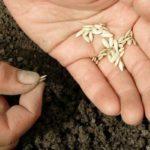
- Sowing rules
- Caring for mature plants
- Feeding scheme
- Watering
- Loosening and weeding
- Hilling
- Topping
- Possible diseases and how to combat them
- How to protect plants from pests
- Harvesting and storage rules
Growing cucumbers requires knowledge that will ensure a bountiful harvest and a high-quality product. Among the cucumber varieties, the Zozulya variety stands out for its popularity and excellent taste.
Description and characteristics of cucumber
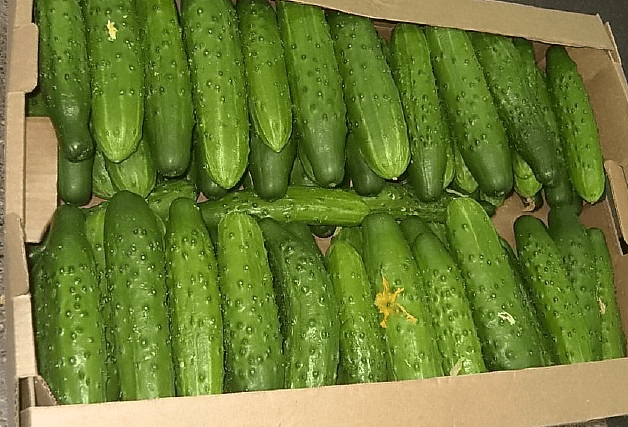
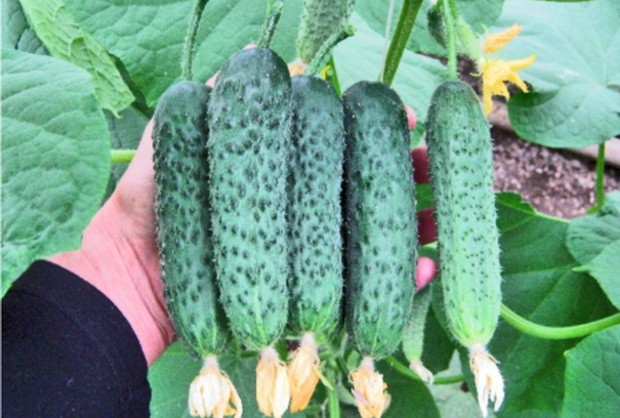
The Zozulya cucumber variety was developed by Soviet breeders for cultivation in various regions. It is an early-ripening variety, reaching maturity 42 days after planting. Cucumbers grow up to 24 cm long, with pimples and spines on the fruit. The cucumber is thin and cylindrical.
The fruit's description also includes small grooves running along its entire length. This type of vegetable is highly sought after by gardeners due to its juicy flesh and small seeds, making it popular in salads and pickles for the winter. The plants tolerate cold well and are resistant to pests and diseases.
Brief description of cucumbers:
| Parameters | Meaning
|
| Variety of cucumbers | Early ripening |
| Landing | 3 plants per square meter |
| Harvest | 8 kg per square meter |
| Length of the fetus | 20-22 cm |
| Color | Rich green |
| Weight | 100-250 grams |
| Pollination | Does not require insect pollination |
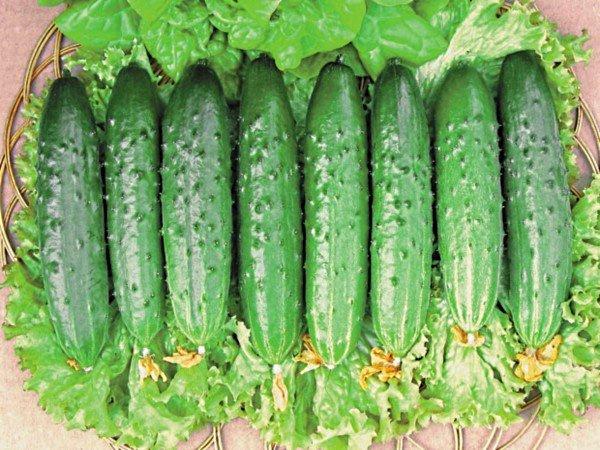
Experts recommend Zozulya cucumbers for growing in greenhouses; this variety has proven itself to be one of the best with abundant fruiting.
Advantages and disadvantages of Zozulya F1
The cucumber variety has the following advantages:
- early ripening;
- care is not difficult;
- no need for pollination by insects;
- big harvest;
- taste qualities;
- marketable appearance.
Flaws:
- In order to obtain a rich harvest, it is necessary to grow in protected soil;
- not suitable for canning.
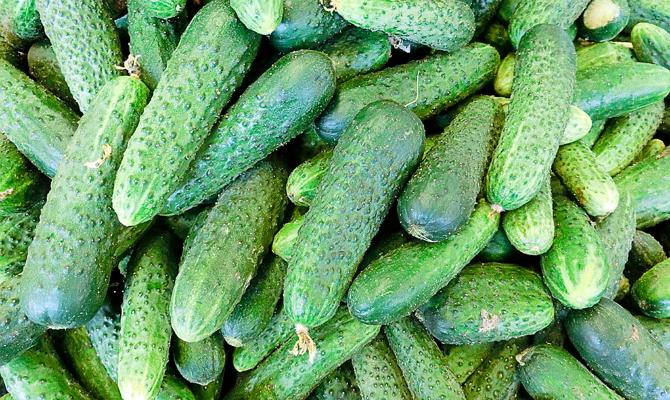
The Zozulya F1 variety has many advantages and is often used for edible purposes. The cucumbers don't develop bitterness and don't overgrow.
Growing nuances
Although Zozulenok is easy to care for, it is necessary to properly follow the growing process to obtain a harvest.
Preparation of planting material
After purchasing seeds, check their quality before planting them. To select the right type of seed, prepare a saline solution by mixing 2 tablespoons of salt in 5 liters of water. Place the seedlings in the solution and, after 3-5 minutes, remove any empty seeds that float to the surface.
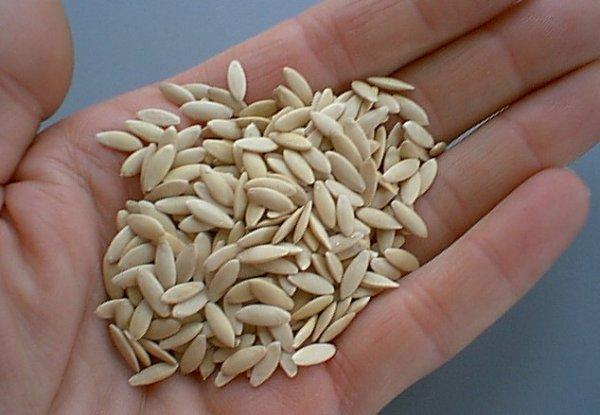
Once the planting material has been selected, the seeds need to be germinated. To do this, follow these steps:
- fold a piece of gauze in 2 layers, place on a flat plate and moisten with water;
- spread the seeds and cover with the same piece of gauze soaked in water;
- Sawdust can be used for germination. Cheesecloth pieces with seeds are placed in sawdust, which should first be steamed in boiling water.
After the planting material has been placed for germination, it is necessary to regularly moisten the gauze pieces. According to gardeners, planting material soaked in this way begins to sprout within 2-3 days.
Soil requirements for planting
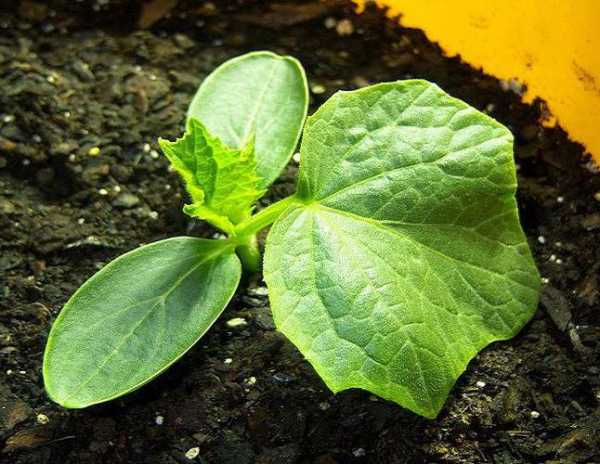
Before planting outdoors, it's important to ensure the soil condition. The soil should be loose and pre-fertilized. The base of the soil should consist of a mixture of peat, humus, and turf. The substrate layer should be no more than 20 cm thick. Before planting cucumbers, it's recommended to disinfect the soil by watering it with a potassium permanganate solution at a rate of 3 grams per 10 liters of water. The Zozulya F1 cucumber variety requires little care and quickly develops into seedlings when grown under plastic.
Sowing rules
To ensure the hybrid germinates quickly and is less susceptible to disease, the following planting rules must be observed:
- Use only store-bought seeds and check the expiration date carefully;
- the seeds need to be germinated for no more than 2 days;
- the bushes are formed large, so the distance between holes should be at least 35 cm;
- Zozulya cucumbers are planted at a temperature of at least 25 degrees;
- Before the seedlings appear, it is necessary to regularly monitor the condition of the soil and prevent it from drying out.
After germination and before planting the seedlings outdoors, carefully monitor the temperature in the greenhouse. If using a plastic cover on the soil, cover the soil at night and remove the cover during the day.
Caring for mature plants
Caring for mature plants is not difficult. First and foremost, you need to ensure that the bushes are free of pests and that the soil maintains the required moisture level.
Feeding scheme
Zozulya cucumbers require a mixed fertilizer. To ensure a bountiful harvest, it is recommended to apply fertilizer under the root system and directly to the leaves and stems.
| Fertilizer type | Method of application to soil
|
| Infusion of bird droppings (proportions: 10 liters of water, 200 grams of droppings) | It is applied when the first leaf appears on the plant, watering is carried out at the rate of 2 liters per bush. |
| A mixture of potassium sulfate and bird droppings (add 400 grams of droppings and 5 grams of potassium sulfate to 10 liters of water) | Apply when the second leaf appears, but no earlier than 10 days after the first application. Water at the roots with at least 2 liters per plant. |
| Urea (proportions: 20 grams of substance per 5 liters of water) | When inflorescences appear on the bushes |
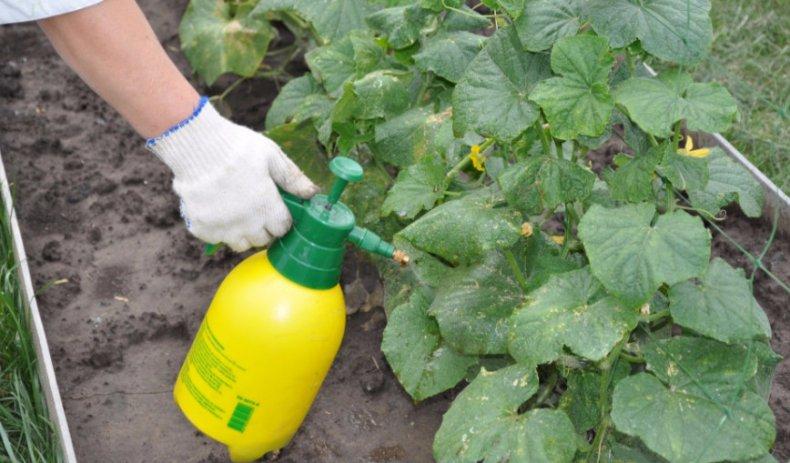 It is recommended to fertilize in the evening after sunset.
Watering
To ensure a good harvest, watering is essential. Dry soil can negatively impact flowering. Since the plant is self-pollinating, soil moisture affects the number of ovaries. Until ovaries begin to form, water every 3-5 days, with at least 500 grams of water per plant.
After the bushes have formed and the flowering period has begun, it is recommended to water the plant every 2-3 days, at the rate of 1 liter of liquid per bush.
Plants are watered in the evening after sunset or early in the morning, the liquid is sprayed not only into the root system area, but also onto the leaves.

Loosening and weeding
Loosening the soil should be done every 2-3 days. This procedure oxygenates the soil, allowing nutrients to better penetrate the root system. Loosening also reduces the risk of disease.
Weeding should be done regularly. Weeds negatively impact fruit set. Large weeds are removed manually, while small ones are removed by weeding. Large weed infestations can lead to crop failure.
Hilling
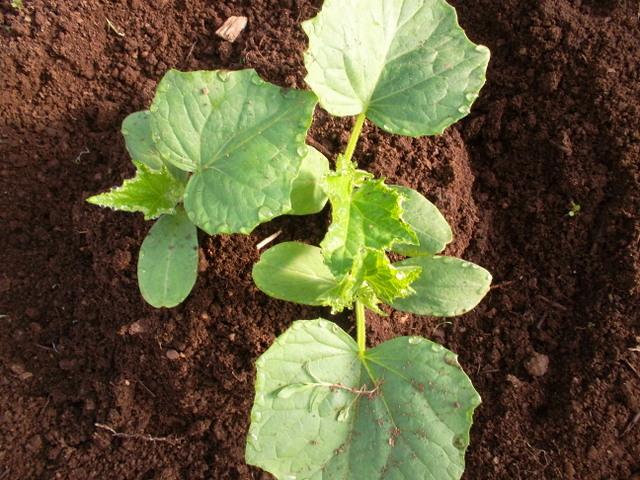
As shoots emerge, it's necessary to form additional roots. This method retains moisture in the soil and prevents damage to the bushes. Properly hilled plants are much stronger and develop better. These additional roots allow the plant to absorb more nutrients. To hill the plant, roll the mature stem into a ring and cover it with soil. The first additional roots will appear within a few days.
Topping
To promote cucumber growth, pinching is essential. This procedure increases the yield. Pinching is done immediately after planting. All shoots in the first four leaves are removed. Any subsequent shoots that emerge should be pinched at a distance of 20 cm, but not removed. The main stem is pinched only when it reaches 1 meter in length, and all other shoots are pinched when they reach 40 cm.
Possible diseases and how to combat them
Cucumbers are much more susceptible to diseases in greenhouses, due to the confined space. However, the Zozulya variety can also be susceptible to diseases in open ground.
The most common diseases that appear on cucumbers are:
- Ascochyta leaf spot appears as brown spots with black dots on the leaves. This problem occurs in greenhouses and with frequent watering. To combat this disease, it's necessary to ventilate the area, loosen the soil, and treat with fungicides.
- Bacterial blight is characterized by the appearance of holes in leaves and spots on fruit. This disease is caused by poor-quality planting material. To treat it, prepare a solution: mix 10 grams of lime and 10 grams of copper sulfate in a liter of water. Spray the resulting mixture on the plant.
- Powdery mildew manifests as a white coating on the leaves, as well as curling and yellowing of the leaves. To eliminate the problem, fungicide treatment is necessary.

If there is one infected bush, treatment and cure must be carried out on the entire plantation to prevent further development of the problem.
How to protect plants from pests
Often You can find these pests on cucumbersLike aphids, these insects damage young shoots and lead to plant death. Aphids spread quickly throughout a garden and can quickly destroy a planting. Insecticides such as Decis are used to control these pests.
It is also necessary to properly care for the beds and regularly inspect the leaves for pest eggs.
Harvesting and storage rules
To maintain cucumber yield, harvest daily. For storage, select unripe cucumbers, which can last up to 10 days. However, to ensure this, wrap each cucumber in paper. Do not store Zozulya cucumbers with other vegetables.
For canning, select small cucumbers and process them using the pickling method. Zozulya can also be pickled and stored in the refrigerator.
Zozulya cucumbers can be grown on the balcony, which also allows for harvesting. The plants and seedlings are grown on windowsills and, once the air reaches the desired temperature, are brought out into the pots on the balcony.
Zozulya F1 is a favorite among gardeners due to its abundant harvest and ease of care. This variety is also grown on a windowsill during the winter, allowing for a year-round harvest.
Related posts:
 Description of the best, most productive and new varieties of cucumbers for 2025
 Description of the best varieties of Chinese cucumbers, planting, growing and care
 Can you preserve and pickle Zozulya cucumbers? The best winter recipes with tomatoes, peppers, and rowan berries.
 Description of unusual methods for planting and growing cucumbers
 How to properly plant cucumbers in open ground with seeds, and at what depth
 How to care for cucumbers in open ground from planting to harvesting
 How to properly plant cucumber seedlings in a greenhouse and care instructions
 How to propagate and grow peas, cultivation technology, and care in open ground