
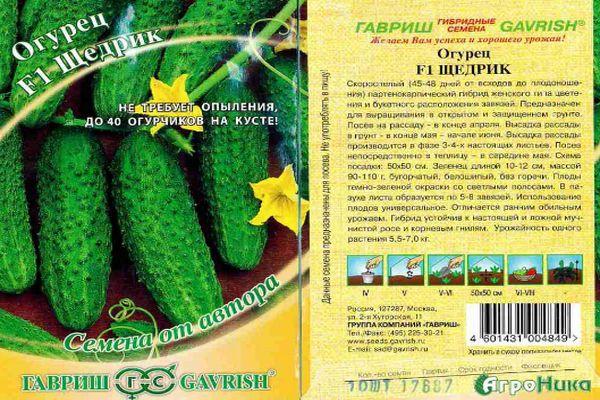
The Shchedrik f1 cucumber is a fast-ripening hybrid. It is suitable for fresh consumption, pickling, and canning for the winter. This variety is included in the State Register of Russian Cucumbers. Breeders recommend growing these cucumbers outdoors in the southern regions of the country. In Siberia, the Far North, and the central part of the country, greenhouses are recommended for growing this hybrid.
Briefly about the plant and its fruits
The characteristics and description of the variety are as follows:
- After the first shoots appear, fruit development and harvesting occurs within 46-50 days.
- The plant bushes grow to a height of 1.0-1.7 m and develop numerous leaves.
- This variety belongs to the group of cucumbers with a female flowering type. Two to three ovaries form at the nodes of the hybrid.
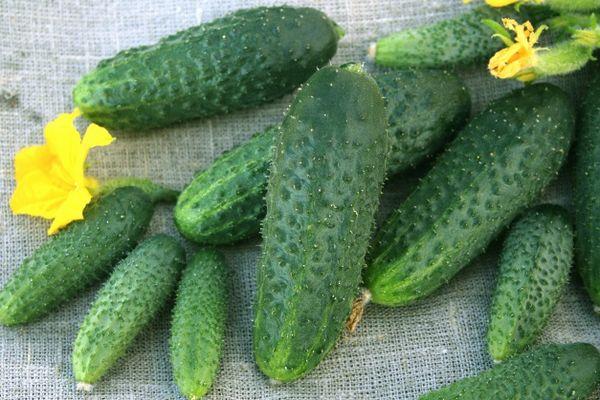
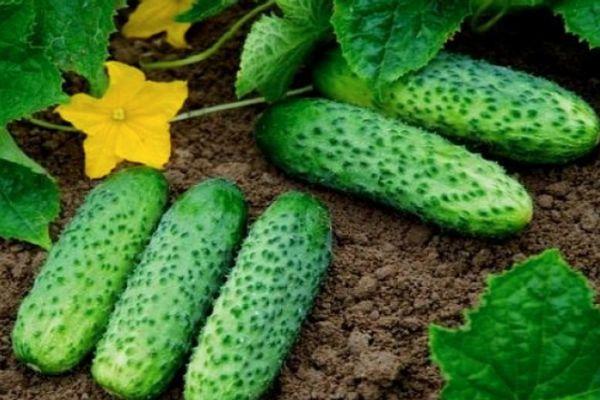
- Gardeners' reviews indicate that the fruits are quite large. They reach 100-120 mm in length and 3.5-3.7 cm in diameter. They have a tuberculate cylindrical shape. The surface of the fruits is covered with small white spines.
- Cucumber weight can range from 80 to 100 grams. The flesh is firm enough to allow long-distance transport. Cucumbers of this type have delicate skin.
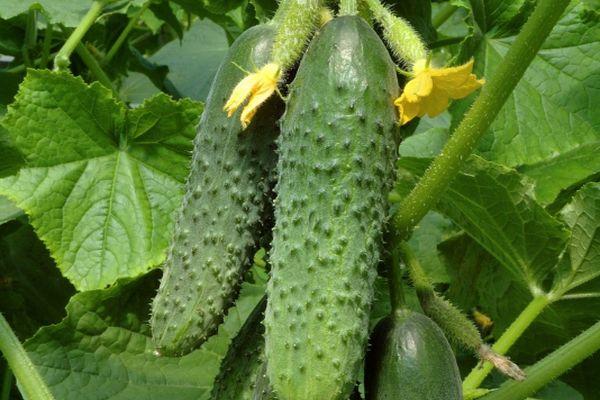
Feedback from farmers growing the hybrid indicates that, with proper cultivation, Shchedrik yields 5.0-7.0 kg per plant. When grown in greenhouses, gardeners obtain 10 to 13 kg of yield per square meter of planting area.
Gardener reviews indicate this hybrid's resistance to various diseases that affect other cucumber varieties. The plant is resistant to diseases such as tobacco mosaic virus, root rot, powdery mildew, and olive spot in all its forms.
Farmer reviews indicate that this hybrid produces high yields due to its ability to produce fruit without pollination. Gardeners cultivate Shchedrik not only for consumption but also sell it in commercial quantities through various retailers.
How to grow cucumbers in your backyard
Sow the seeds in garden beds at the end of May. For maximum yield, it's recommended to sow in beds with medium clay soil. Soil that has previously been used for growing legumes, cabbage, onions, tomatoes, peppers, or potatoes is best.
The soil should be fertilized at the end of October with peat, manure, compost and complex fertilizers.
To achieve a high germination rate, it is recommended to sow seeds in soil warmed to 16–19°C. The distance between individual seeds should be 100 mm, and between rows at least 55–65 cm.
If nest planting is used, the format is selected within the range of 0.5 x 0.7 m or 0.6 x 0.7 m. The seeds are buried 20-30 mm into the soil. The crops are protected from temperature fluctuations with film or other material.
If using seedlings to plant the hybrid, the seeds are pre-treated with a weak solution of potassium permanganate. They are then planted in boxes with soil and covered with glass or film. It is recommended to maintain the room temperature at 27°C.
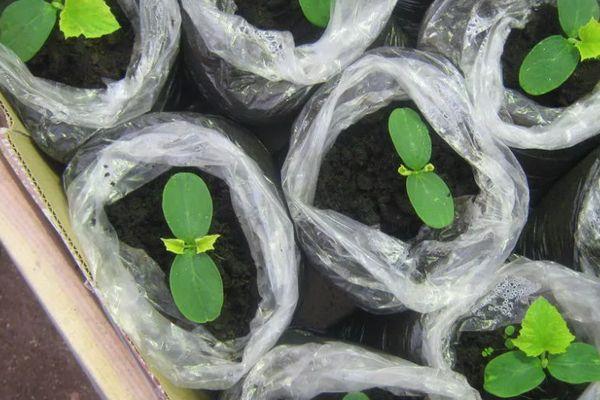
The emerging sprouts are illuminated with a special lamp, reducing the room temperature to 20°C. Before planting the plants in their permanent soil, they are hardened off for 10 days. Young plants are planted 0.9 m apart, with a 90-100 cm gap between rows.
The hybrid should be watered regularly with warm water. Fertilize the plants with organic fertilizers, alternating them with mineral mixtures. To prevent various diseases, it is recommended to treat the bushes with fungicides. These will eliminate all fungal and bacterial infections.
Due to the relatively tall bush, Shchedrik must be tied to sturdy supports or trellises. The beds are regularly weeded. Breeders recommend loosening the soil under the bushes once a week. This will saturate the cucumbers' root system with oxygen. When growing the hybrid in hotbeds or greenhouses, it's important to ventilate the area regularly; otherwise, the quality of the fruit will decline sharply due to the development of numerous male flowers.
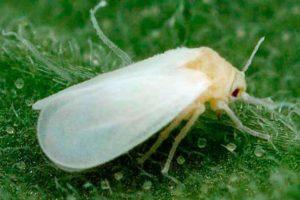
If garden pests appear, the bushes should be sprayed with chemicals that destroy insects.
Related posts:
 Description of the Krasotka grape variety, planting and care technology
 Description of the Julian grape variety, planting and care instructions
 What fertilizers and when to use for feeding tomatoes in a greenhouse
 Description of the best varieties of seedless tomatoes and cultivation technology
 35 Best Powdery Mildew-Resistant Cucumber Varieties with Descriptions
 Rules for growing tomatoes in open ground, choosing a variety, planting and care
 What is the best way to feed tomato seedlings to make them plump?
 How to prepare tomato seeds for planting seedlings