
- The advantages and disadvantages of using baking soda to treat cucumber bushes
- Seed disinfection
- We dilute the solution
- Grain processing technology
- Using baking soda as a fertilizer
- Timing of application as fertilizer
- Spraying technology
- How often should I introduce soda as a complementary food?
- Folk recipes for feeding cucumbers
- With ash
- With iodine
- With soap
- Using soda solution against diseases and pests
- Treatment of cucumber diseases: soda for powdery mildew and gray mold
- Fighting insects: baking soda for aphids
- Precautions when using sodium bicarbonate
Cucumbers, like other heat-loving crops, require regular fertilization and preventative treatment against pests and diseases. This will help mitigate gardener errors caused by improper planting or care. Gardeners often spray cucumbers with baking soda to prevent infestations. This solution suppresses aphids and other pests and improves the flavor of the fruit.
The advantages and disadvantages of using baking soda to treat cucumber bushes
If you regularly spray cucumbers with a soda solution, you can achieve the following results:
- prevent the development of viral diseases;
- protect the plant from bacterial infection;
- accelerate fruiting;
- prevent premature wilting of leaves;
- protect from pests.
Regularly treating the bushes strengthens the plant's immunity. This will allow for a larger harvest and extend the fruiting period.
It is recommended to feed the vegetable crop with sodium bicarbonate according to a set schedule. Frequent watering with soda will prevent fruiting.
Seed disinfection
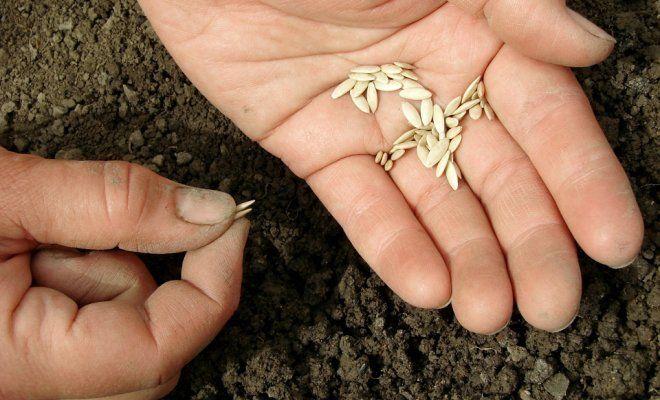
Gardeners cite several reasons for using baking soda on cucumbers. This solution is first used during pre-sowing preparation. Applying a sodium bicarbonate solution to seed increases germination by 30% and reduces the risk of infection in the first shoots.
We dilute the solution
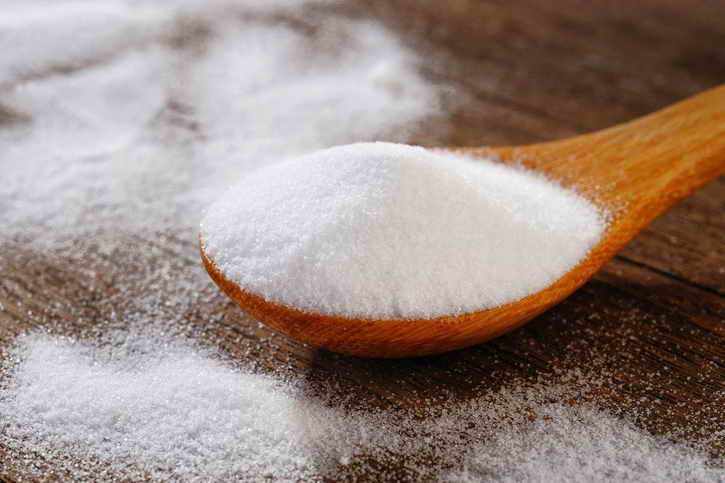
To soak the seeds, you'll need one liter of clean water and 10 grams of baking soda. Before soaking the seeds, wait until the baking soda is completely dissolved. This proportion is considered optimal for soaking vegetable crops.
Grain processing technology
The seeds are first wrapped in a soft cloth. Cheesecloth is suitable for this purpose. Then, a small amount of the prepared solution is applied to the cloth. It is recommended to soak the seeds in this condition for 12-24 hours. Finally, the planting material is dried on a napkin and sown in prepared soil.
Take a look Also
It is not recommended to treat granulated and coated seeds in the described manner, since the soda solution washes away the protective layer.
Using baking soda as a fertilizer
Using a soda solution as a fertilizer increases the yield of vegetable plants. However, watering the crops requires following a few simple rules.
Timing of application as fertilizer
It is recommended to apply the solution as a fertilizer after 6 pm. If you spray the plant during the day, the baking soda can cause sunburn.
The garden should be watered on a windless day.
On average, it's recommended to treat cucumbers weekly with a 1% soda solution. Monitor the plant's response to this treatment. If signs of wilting are detected, discontinue treatment.
Spraying technology
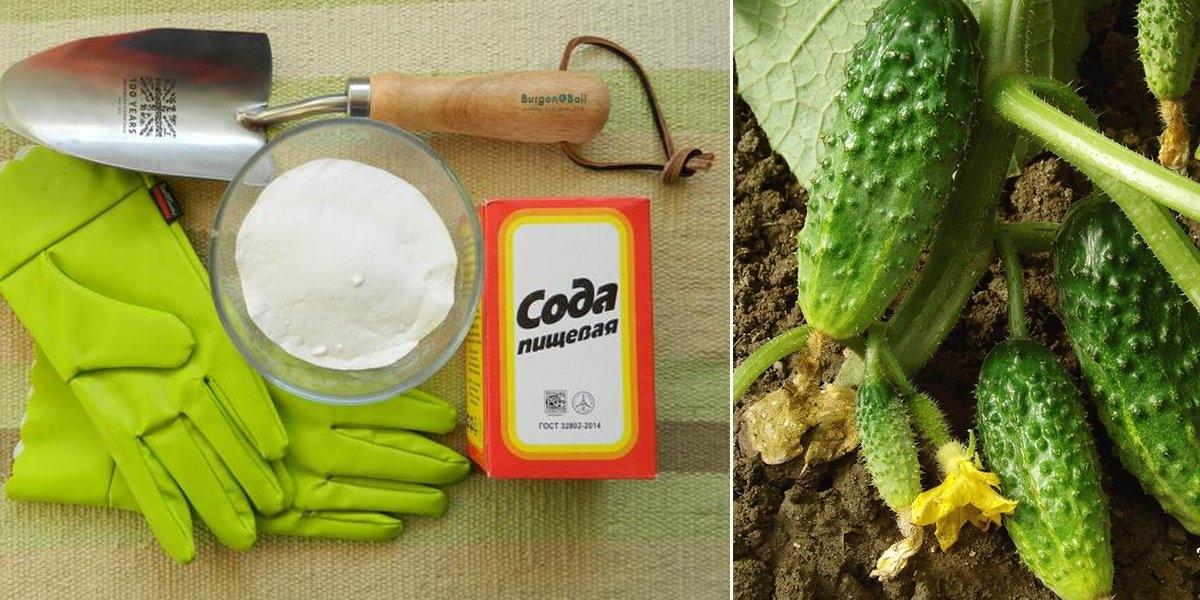
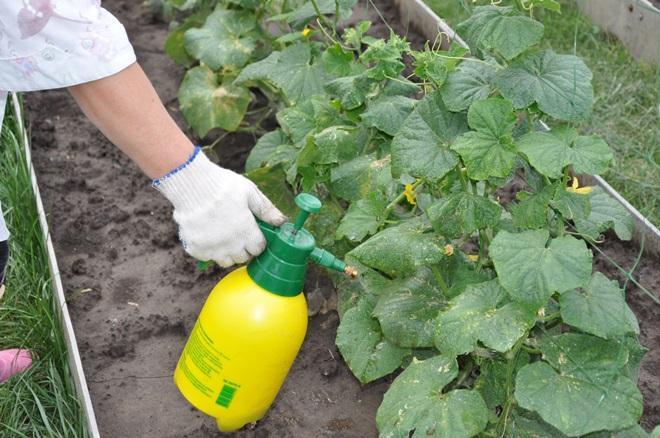
It is recommended to feed cucumbers with a 5% soda solution. The solution should be applied in the morning or evening, focusing on watering the plant at the roots. Contact with leaves (especially during the day, in the scorching sun) can cause burns. The solution can also be applied to the foliar area.
The optimal temperature of the liquid in which soda is dissolved is 25-28 degrees.
It is recommended to let the water settle or filter before use. Avoid using boiling water to treat cucumbers, as the properties of sodium bicarbonate change at temperatures above 60 degrees Celsius. If using the solution to spray foliage against pests, use a fine-mist sprayer.
How often should I introduce soda as a complementary food?
The frequency of soda fertilization depends on the cucumbers' growth patterns. To prevent infection and strengthen the plant's immunity, it is recommended to water the vegetable crop three times: in early and late July and in mid-August.
Some gardeners apply fertilizer at a different frequency for these purposes. The initial treatment is carried out 14 days after planting the seedlings in the ground. Then, the baking soda solution is applied again after 3 weeks. Subsequently, the plants are watered every 7-10 days. It's important to remember that garden plants require a comprehensive nutritional supplement. Therefore, in addition to the baking soda solution, cucumbers require regular mineral fertilizers.
Take a look Also

Folk recipes for feeding cucumbers
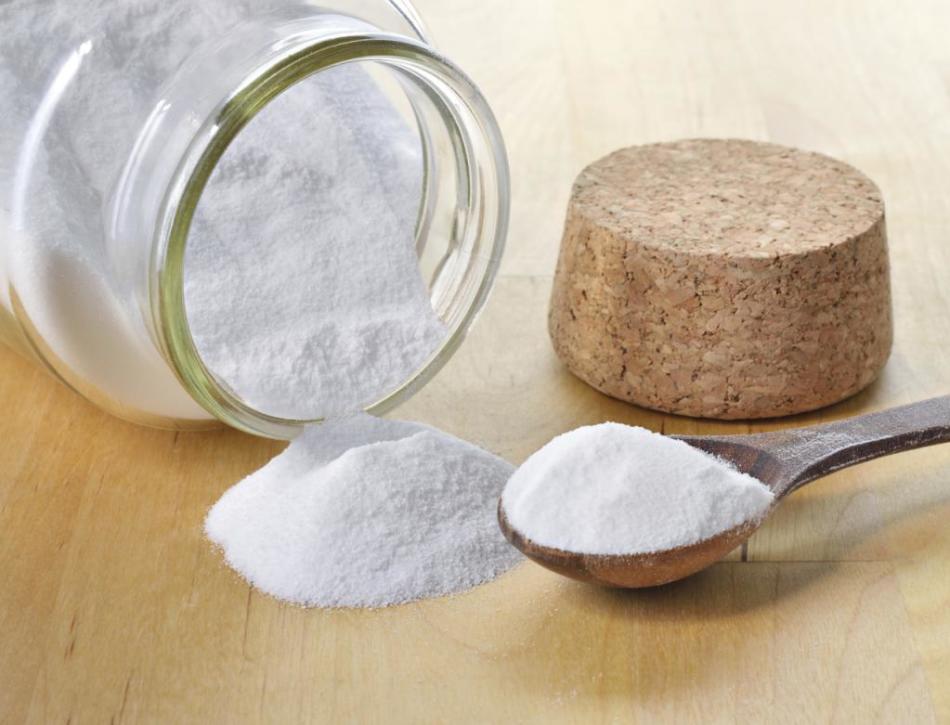
To treat cucumbers, soda solutions of varying concentrations are used. A 1% solution is generally used for spraying, while 3-5% solutions are used for root feeding. To eliminate weeds, the area around the plant is treated with a 0.5% soda solution. However, since this solution doesn't replenish the nutrients needed for plant growth, gardeners recommend using other folk remedies for feeding cucumbers.
With ash
Adding wood ash to a baking soda solution helps strengthen the overall immunity of cucumbers. To do this, you'll need:
- a handful of wood ash, previously soaked in water for 24 hours;
- 40 grams of laundry soap;
- 10 liters of water;
- 2 tablespoons of soda.
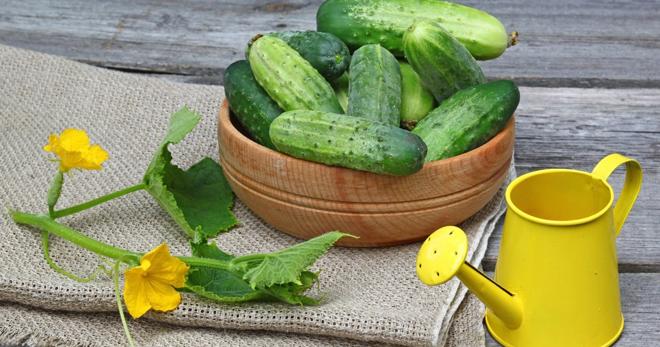
This combination of ingredients is used during the fruit ripening period. In addition to strengthening the immune system, this composition also kills aphids.
With iodine
Iodine is used to combat cucumber diseases. When combined with baking soda, it helps eliminate late blight and powdery mildew. For plant treatment, a solution of:
- 2 tablespoons of soda ash;
- a teaspoon of iodine;
- 30 grams of laundry soap;
- 10 liters of water.
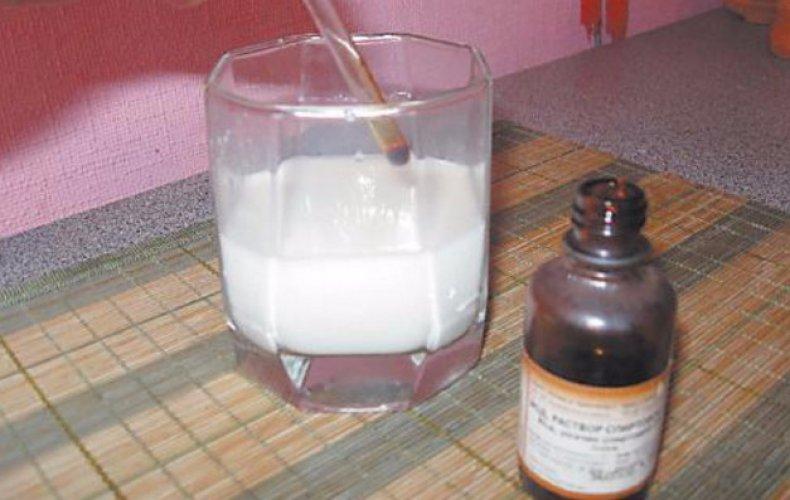
Treatment with this solution is recommended until all signs of the disease have completely disappeared. The plant should be sprayed weekly, but no more than six times.
With soap
If signs of fungal diseases are detected (white coating on the leaves), it is necessary to treat the cucumbers with a solution of:
- 10 liters of water;
- 40 grams of laundry soap;
- 50 grams of baking soda.
Powdery mildew is treated with a similar composition, with the addition of a small amount of potassium permanganate.

Using soda solution against diseases and pests
A soda solution is considered an effective preventative and treatment for vegetable crop diseases. This solution is also used to combat various pests, including whiteflies, aphids, spider mites, and others.
Treatment of cucumber diseases: soda for powdery mildew and gray mold
Powdery mildew is a common fungal disease affecting cucumbers. To combat this disease, gardeners use a solution of 10 liters of clean water, 60 grams of baking soda, and a small amount of laundry soap. It is recommended to treat the affected plant with this solution no more than once every two weeks.
Take a look Also
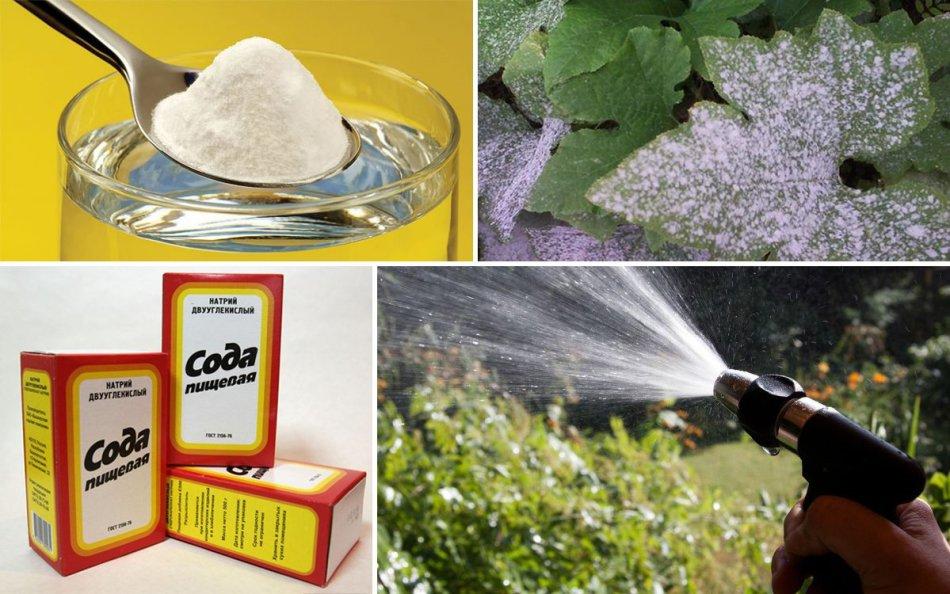
Gray mold develops with overwatering. To combat the disease, use 100 grams of baking soda mixed with 10 liters of water. The vegetable crop should be treated every 10 days. If the disease progresses, the frequency of spraying can be increased to three times a day. It is recommended to perform the treatment in sunny weather.
If it rains immediately after treatment, repeat spraying is carried out on the next dry day.
Fighting insects: baking soda for aphids
Aphids nest on the underside of leaves. This pest is characterized by high fertility. Therefore, upon detection of the first insects, it is recommended to treat the fruit and vegetable crop with a mixture of:
- handfuls of wood ash;
- 10 liters of clean water;
- 50 grams of soda;
- 2 tablespoons of laundry soap.
It is recommended to spray the affected plant with this mixture every three days. If the recipe given doesn't produce positive results, you can adjust the proportions by adding more soap.
Precautions when using sodium bicarbonate
When treating cucumbers, it is not recommended to use concentrated mixtures. Excessive sodium bicarbonate in the soil will cause the leaves to turn yellow prematurely and the fruits to become crooked.
If treatment with a soda solution doesn't produce a noticeable effect, it should be replaced with another solution. Frequent treatment will also kill the plant. Furthermore, it's important to select the correct ratio depending on the type of problem the gardener is tackling: 1% solutions are suitable for preventing infection, while 3-5% solutions are suitable for treating the disease.
Related posts:
 How to properly treat grapes with soda and potassium permanganate
 Is it possible to soak treated cucumber seeds before planting and how to do it correctly?
 How to properly plant cucumbers in open ground with seeds, and at what depth
 Description of unusual methods for planting and growing cucumbers
 Description of the best varieties of Chinese cucumbers, planting, growing and care
 How to make a cucumber trellis with your own hands from scrap materials
 Types of fungicides for cucumbers in a greenhouse and instructions for use
 How to care for cucumbers in open ground from planting to harvesting