
The Vyatskiy f1 cucumber is a hybrid. Its hybrid origins give it many positive qualities. This variety can produce a good harvest even in unfavorable growing conditions.
What is the Vyatka cucumber?
Below is a description of the variety. This crop was developed relatively recently, in 2015. In a short period of time, it has received positive reviews from vegetable growers.
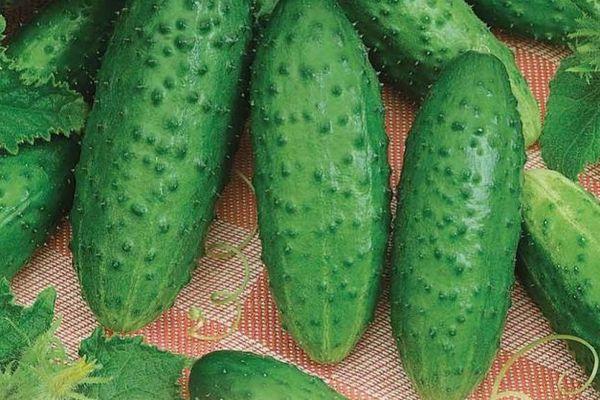
Vyatskiy f1 is a parthenocarpic hybrid with a female flowering type. The designation "parthenocarpic hybrid" indicates that the variety produces fruit without pollination. The plant is ideal for greenhouse cultivation, where insects are virtually absent.
Parthenocarpic cucumbers have a number of advantages, including:
- fruits without bitterness;
- rapid growth;
- long fruiting;
- that they do not require pollination by insects;
- even shape of fruits.
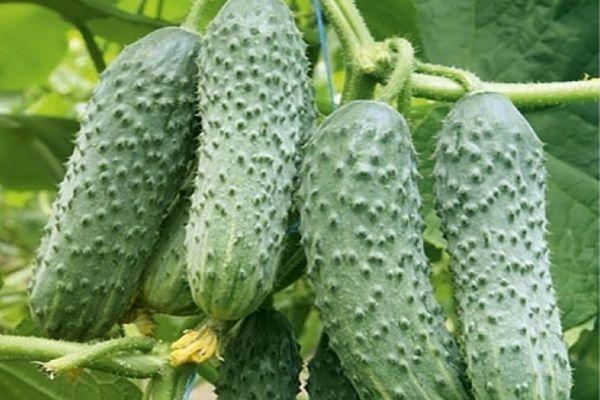
Vegetable growers love Vyatichi for its super-early maturity. The first harvest ripens within a month of germination. The ovaries are clustered. The crop is easy to care for and requires proper soil quality. The variety is immune to many common diseases. It can be grown both outdoors and indoors.
The hybrid easily tolerates short-term drought, rain, cool summers, and sudden temperature fluctuations. There are no regional restrictions. The cucumber grows well in temperate climates. Seeds are available in various countries.
Fruit characteristics
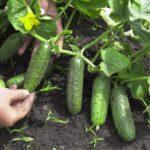
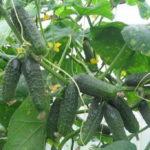
The cucumbers are cylindrical in shape. The surface is bumpy, with small white spines. Average length is 12 cm, diameter 2-4 cm.
Each fruit weighs between 100 and 130 grams. The flesh is soft and tender, with no hollows. The cucumbers are not bitter. The flavor is rich and classic. The aroma is subtle. Even if the fruits are overripe, they do not begin to turn yellow.
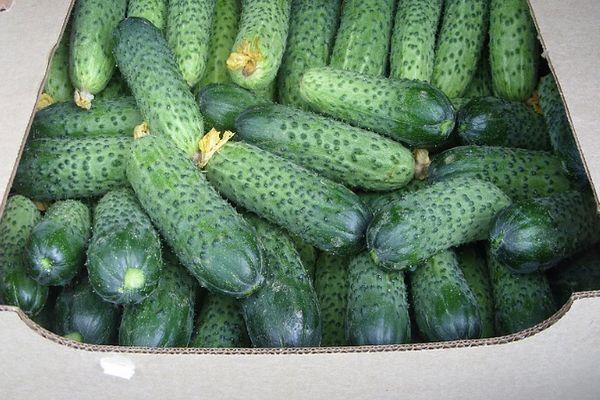
The fruits store well and can withstand long-distance transport. These characteristics make this variety popular for commercial cultivation.
Gardeners harvest their first Vyatka cucumber crop in June. The cucumbers ripen fairly quickly and can be harvested until autumn. Gardeners harvest fresh cucumbers every 4-6 days.
One bush can produce 10-12 kg of cucumbers.
These cucumbers are ideal for salads, fresh eating, and making fresh appetizers. Their compact shape and excellent flavor make them ideal for pickling and marinating.
How is the variety grown?
Despite the fact that the cucumber is a strong hybrid, it requires adherence to planting rules.
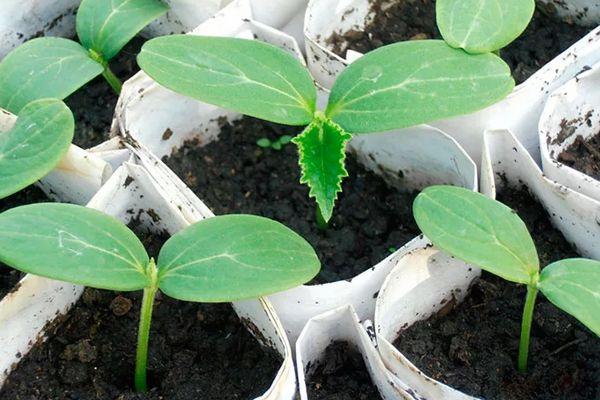
The seedlings are planted in April. Cucumbers grow very quickly. Within a few weeks, green shoots will appear in the soil where the seeds were sown.
The seeds need to be checked for germination and weak seeds removed. Prepare a salt solution and soak the seeds in it. Empty seeds will float to the surface and need to be discarded.
Strong seeds should be warmed and briefly soaked in a potassium permanganate solution or aloe vera juice. Afterward, the seeds are washed and dried. For better germination, they are soaked in a growth stimulant, which is available in specialty stores.
The seeds are then placed in prepared soil with sawdust. The seedlings need to be provided with comfortable conditions. They need sufficient light, moisture, and warmth. If all these conditions are met, the plants will grow thick stems and strong leaves.
It's best to plant seedlings in the garden after 4-6 leaves appear. The soil should be warmed to 10°C. Experienced vegetable growers recommend planting cucumbers in fertilized soil previously used for cabbage, potatoes, or beans.
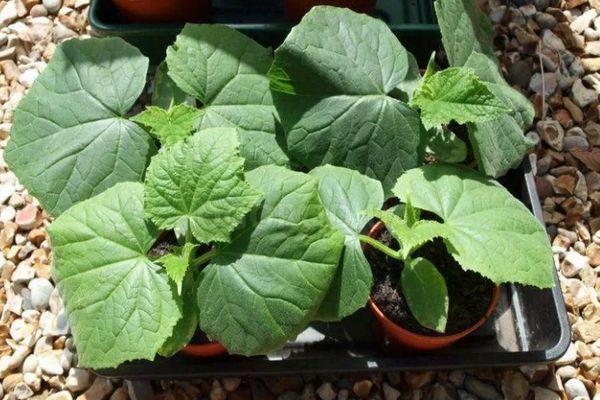
Vyatka cucumbers prefer a sunny spot with minimal drafts. The planting pattern is one plant per 50 cm of soil. This variety can be sown directly into open ground. To do this, prepare the soil. It should be dug over and fertilized in the fall. All roots should be removed from the soil.
Immediately before planting, the soil is watered and loosened. Experienced gardeners make holes according to the principle: 2 per 1 m². The holes are 3-5 cm deep.
It's best to plant the seeds in May, when the soil has warmed to 13°C. Vyatka cucumber tolerates temperature fluctuations, but the newly emerging seedlings need to be insulated. To do this, cover the cucumber bed with plastic or agrofibre.
Care
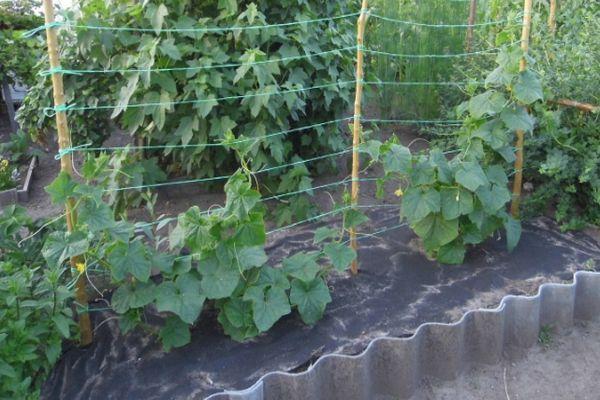
To increase the variety's yield, homeowners can use a trellis when planting. The support will help ensure proper care. Once the plant reaches the trellis, the stem should be wrapped.
Watering cucumber beds should be generous but not frequent. It's sufficient to water them once every few days, preferably in the evening. Use approximately 5 liters of room-temperature water per square meter. When the fruit is ripening, water daily. During this time, use 10 liters of water per square meter.
After watering, it is necessary to loosen the soil. This variety of cucumber does not like hard ground. Loosening should be done carefully so as not to disturb the roots of the plant.
The Vyatichi cucumber will grow better if fertilized. Nitrogen and sulfate fertilizers are suitable. Some vegetable growers prepare their own fertilizer from an infusion of onion peels. The crop requires regular weeding.
To ensure the plant gets more air and prevents root rot, the bush needs to be shaped. Avoid allowing the bush to grow too large. Remove all yellow leaves and shoots that don't bear fruit.
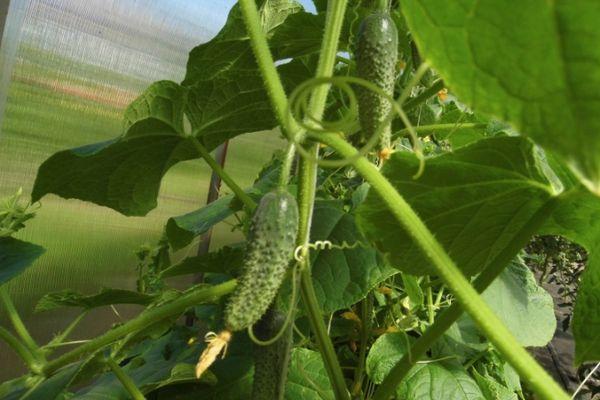
Advantages of the variety:
- high yield;
- ease of care;
- immunity to various diseases;
- super early maturity;
- harvesting until autumn;
- the possibility of growing in unfavorable weather conditions;
- universal use of fruits;
- cucumbers are rich in calcium, iodine, phosphorus, iron;
- excellent taste.
There is only one drawback that can be pointed out: the low cost of seeds.
Related posts:
 TOP 30 best varieties of cold-resistant cucumbers with descriptions and characteristics
 Description of the best varieties of Chinese cucumbers, planting, growing and care
 35 Best Powdery Mildew-Resistant Cucumber Varieties with Descriptions
 Description of the best varieties of pickling and barrel cucumbers for greenhouses and open ground
 Top 50 Best Cucumber Varieties for Polycarbonate Greenhouses with Descriptions
 Description of the best varieties of bee-pollinated cucumbers, rules for their formation and care
 How to prepare pickled cucumbers in adjika for the winter without sterilization and Caucasian style: recipes
 Is it possible to soak treated cucumber seeds before planting and how to do it correctly?
