
The Mamluk F1 cucumber is the variety to consider if you're considering growing this vegetable in your garden. This variety offers several advantages that set it apart from others.
What is Mamluk cucumber?
Mamluk is an early-ripening cucumber variety. This plant was created by breeders who decided to cross-breed several varieties to create a single variety that would possess all the positive qualities of its predecessors. This includes high yields and resistance to many diseases. According to the variety's characteristics, Mamluk cucumbers are immune to downy mildew and cladosporiosis. Furthermore, the well-developed root system is resistant to rot.
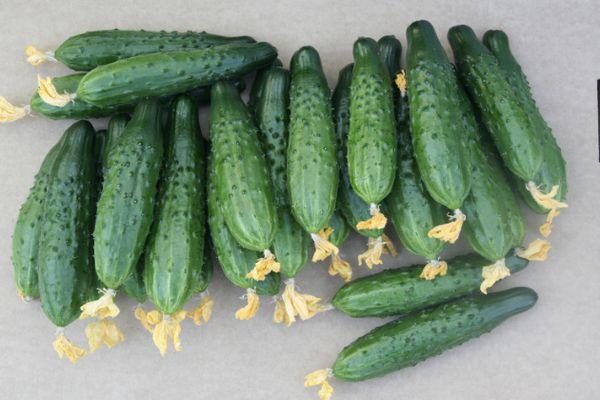
Description of the Mamluk cucumber variety:
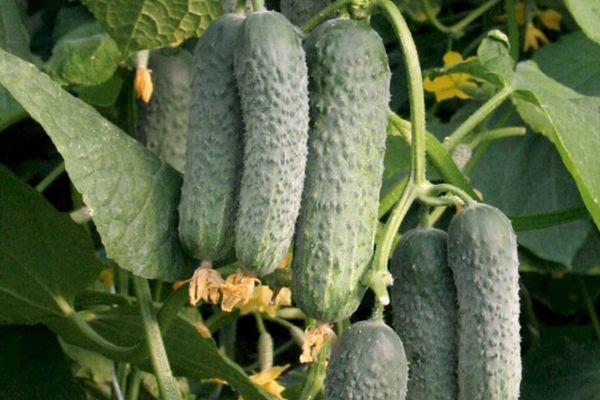
- The central stem can reach a length of 2.5 m, and up to 2 ovaries can form in each node.
- Cucumber bushes begin to bear fruit within 1.5 months after the first seedlings appear.
- Ripe cucumbers can reach 14 cm in length, with the largest fruit having a diameter of 3.5 cm.
- The weight of a ripe fruit can be 130 g.
- You can harvest up to 12 kg of ripe cucumbers from a 1 m² garden bed. To achieve this, simply follow proper agricultural practices.

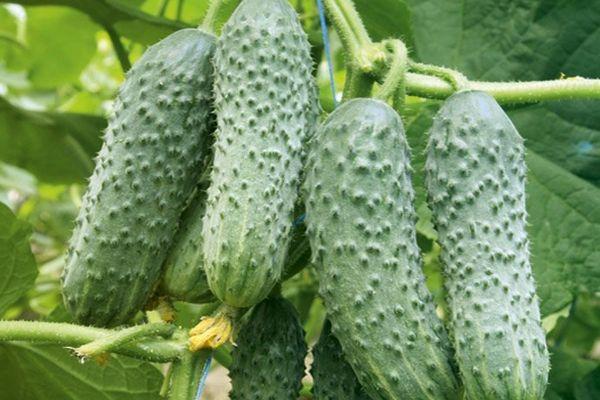
Like other cucumbers, the Mamluk is cylindrical. The fruit is bright green with several thin yellow stripes. The entire surface is covered in white fuzz, which also has the characteristic cucumber bumps. The core is quite juicy.
Farmers who have grown this variety agree that Mamluk cucumbers have excellent flavor. They lack the bitterness typical of other cucumbers of this variety. They can be eaten fresh or pickled.
How to grow the variety?
Let's look at the specifics of growing this vegetable. The Mamluk variety can be planted both in a greenhouse and in the open ground. Because this cucumber variety tolerates low light, it can be planted in heated greenhouses as early as mid-winter.
When cultivating, seeds should be placed in furrows no deeper than 4 cm. Maintain a 45° planting angle and plant the seeds with the tip facing upward. This position allows the sprouts to emerge from the soil more quickly, preventing them from having to search for light to reach.

It is recommended to sow seeds in open ground or an unheated greenhouse in mid- to late spring, after the last frosts have passed and the air temperature has settled at 12°C. This crop can also be grown in summer or fall, with virtually no changes to the technique.
Care measures include the following: Regular watering. Cucumbers are known to require a lot of water, and Mamluk is no exception. To ensure a high yield, the soil for growing vegetables must be consistently moist. To prevent rot, water the cucumbers not at the stem, but at a distance of 5-10 cm from it.
During the growing season, a solution containing chicken manure or fertilizing fertilizer should be applied to the bushes. This solution, like other irrigation, should be applied at a distance from the stems, preferably avoiding contact with the leaves. It's important not to overdo the nitrogen application, as this will reduce yields.
Pinching is essential to ensure nutrients flow to the fruit, not the leaves and shoots. All unnecessary shoots from the sides should be removed, and the central stem should be shortened after it has formed 25 nodes. It's important to understand that this only makes sense if the shoots are small, no more than 5 cm.

Regular soil cultivation is essential: constant loosening and weeding. The soil should be loosened every time after watering or after rain. Avoid cultivating directly beneath the plant; only between rows. This is because cucumber roots are close to the surface.

Inaccurate loosening can lead to damage to the root system and, as a result, the yield will decrease. If you follow all the above requirements, you will get a harvest that is excellent in quantity and quality, which you can enjoy not only in summer but also in winter.
Related posts:
 Description of unusual methods for planting and growing cucumbers
 Description of the best varieties of Chinese cucumbers, planting, growing and care
 TOP 30 best determinate cucumber varieties with descriptions
 How to care for cucumbers in open ground from planting to harvesting
 Why cucumber leaves are drying out and what to do, how to treat them in a greenhouse and in the ground
 33 of the best recipes for delicious cucumbers for the winter
 How to properly plant cucumbers in open ground with seeds, and at what depth
 The best cucumber varieties for growing in polycarbonate greenhouses in the Moscow region, planting and care