
Shmel cucumbers are an excellent pollinator for female-flowering cucumbers. This variety is indispensable when other hybrids are growing in the garden. Planting Shmel alongside several other hybrid varieties increases the overall yield. A pollinator can increase the yield by 60-75%.
Description of cucumbers
Characteristics and description of the variety:
- Shmel cucumbers are planted primarily not for harvesting, but for pollination of hybrids that produce only female flowers.
- This variety is planted according to the following scheme: several Shmel bushes for 10-14 bushes of other cucumbers.
- One Bumblebee plant pollinates 5-7 other seedlings.
- The variety description states that the hybrid will help increase the yield of varieties such as Vernye Druzya F1, Prospector F1, Nestor F1, Zhelud F1, Kapitan F1, Azbuka F1, Teremok F1, Farmer F1, and others.
- It is believed that hybrids with a female type of flowering, which are pollinated by the Bumblebee, produce a greater harvest than all other cucumber plants.
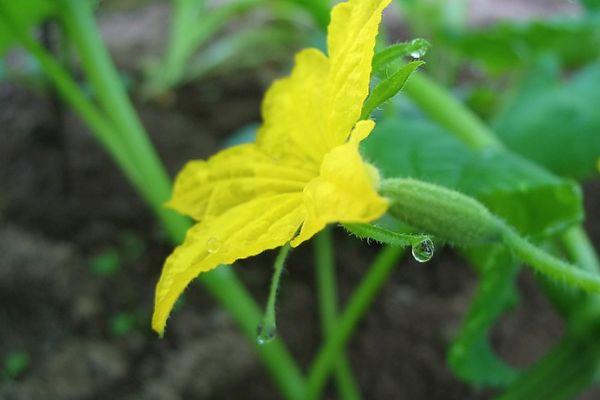
- The Shmel F1 cucumber was developed by breeders at the Manul agricultural production company. This variety's characteristics include a long flowering period and male flowers.
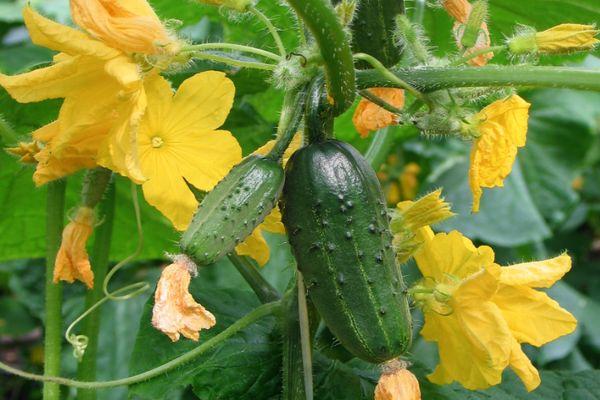
The crop is susceptible to diseases, including powdery mildew. Preventative measures are necessary. It is immune to olive spot and cucumber mosaic.
Shmelya bushes are indeterminate, meaning they have unlimited growth. They can grow up to 1.5-2 meters. The plant is characterized by vigorous growth and branching. The flowers are yellow. The leaves are emerald.
The first fruiting occurs 43-50 days after germination. The flowering period is quite long.
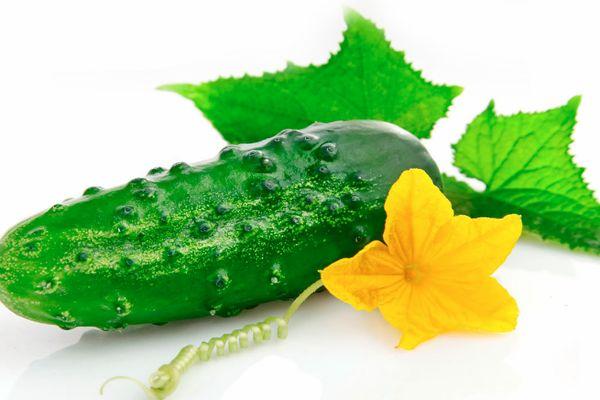
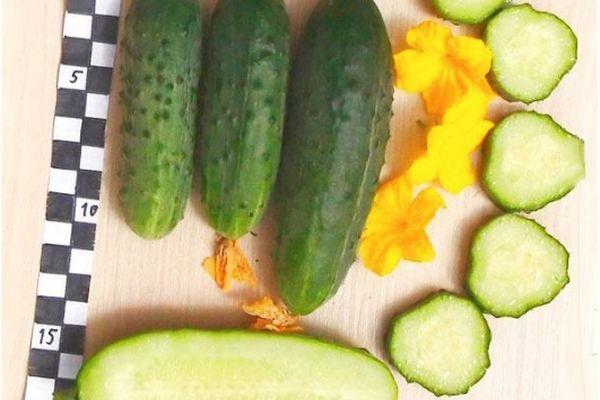
The fruits of this variety are very neat, even, and short. They are cylindrical in shape and have no neck. The length of the cucumbers is 10-13 cm. The cross-sectional diameter is 3-4 cm. The fruit color is dark green.
The cucumbers have black spines. There are few of them. Light green ribbed stripes are acceptable. The flesh is juicy and firm. The flavor is classic cucumber with a dry-sweet aftertaste. The aroma is subtle.

The Shmel F1 variety produces delicious, crisp cucumbers. They are perfect for salads and fresh eating. The cucumbers have excellent pickling qualities. Cucumbers are rich in nutrients that have a positive effect on metabolic processes in the human body. They are low in calories, yet perfectly satisfying.
Features of the Shmel F1 variety:
- This is a pollinator that allows you to increase the yield of other cucumbers by 60-75%.
- 1 plant with male flowers can pollinate 5-7 bushes of female flowering hybrids.
- Planted earlier than other cucumber varieties.
- Ideal for growing in open beds, hotbeds, and greenhouses.
- Despite its intended purpose as a pollinator, the Shmel variety produces tasty fruits.
- The yield of this variety is low.

How are cucumbers grown?
The variety's seedlings are sown earlier than the hybrids it will pollinate. This is typically done a week before planting the remaining cucumbers. This is essential for maximizing the cucumber harvest.
Growing is done using seedlings. In April, Bumblebee seeds are planted in cups with potting soil. They can be soaked in a growth stimulator beforehand. The cups are placed in a warm place and covered with plastic wrap.
After a few days, sprouts will appear. The best place for them now is on a windowsill where they will receive sunlight. The plant requires regular watering.
Planting in a permanent location occurs in May, when the soil has warmed up sufficiently. The bed is prepared in advance. It is dug, weeds and roots are removed, and organic fertilizer is added.
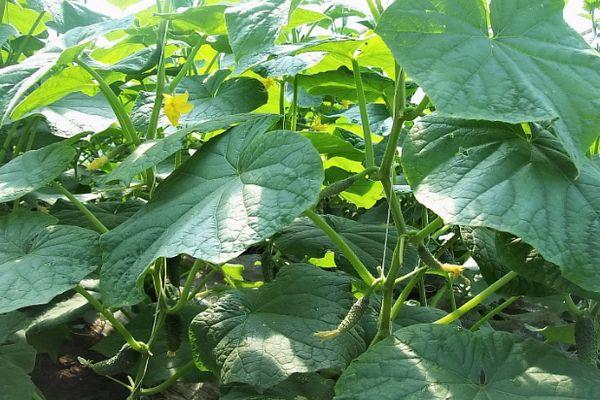
For better pollination, experts recommend planting Shmel (Bumblebee) cucumbers in the center of the bed and at opposite ends. This variety is placed in its permanent location before other cucumber seedlings. After about a week, other hybrids can be planted in the bed, which the Shmel (Bumblebee) will then pollinate.
Caring for this variety is fairly simple. It needs to be watered along with other plantings, about several times a week. This should be done regularly, otherwise the fruits will become bitter. Once the greens begin to ripen, increase the frequency of watering. Watering will now be necessary every day or every other day.

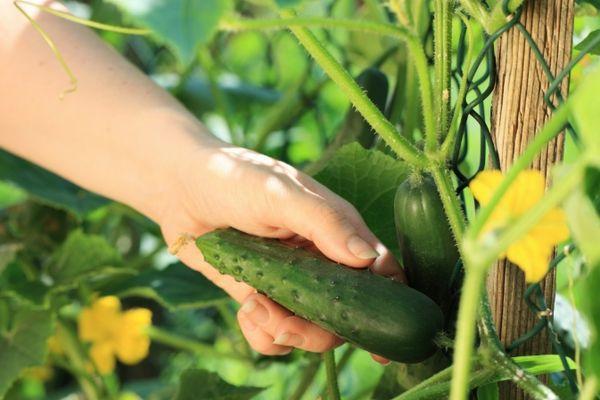
The plant prefers warm, settled water. The recommended rate is 10 liters per square meter. Water at the base of the plant. If the bushes are outdoors, do not wet the leaves. They can be damaged by sun rays.
Cucumber beds need to be weeded and loosened to provide oxygen to the root system. The soil can be mulched with sawdust, straw, or peat. Fertilize the plants several times a season. Cow manure, chicken manure with ash, and mineral fertilizers are all suitable.
Related posts:
 Description of unusual methods for planting and growing cucumbers
 Description of the best varieties of Chinese cucumbers, planting, growing and care
 How to care for cucumbers in open ground from planting to harvesting
 When to plant cucumbers in open ground in Siberia, how to grow them, and the best varieties
 How to properly plant cucumbers in open ground with seeds, and at what depth
 How to make a cucumber trellis with your own hands from scrap materials
 How to properly plant cucumber seedlings in a greenhouse and care instructions
 Description of the best, most productive and new varieties of cucumbers for 2025