
- Criteria for selecting seeds for central Russia
- Zoning
- Immunity to diseases
- Types of pollination
- Ripening time
- Recommended cucumber varieties for open ground
- Competitor
- April F1
- Masha F1
- Erofey
- Fontanelle F1
- Ant F1
- Shade-loving varieties
- Muromsky 36
- Moscow Region Evenings F1
- F1 Company Secret
- Early ripening varieties
- Alekseich F1
- Vyaznikovsky 37
- Herman F1
- Golopristansky
- Dasha F1
- Mid-season varieties
- Stork 639
- Alliance F1
- Altai early 166
- Altai F1
- Planting and growing cucumbers in the middle zone
- Timing of sowing in open ground
- How to prepare seed material for sowing
- Selecting a suitable site
- Soil preparation
- Planting technology
- The nuances of growing and caring for cucumbers in open ground
- Pinching out stepsons
- Watering and fertilizing
- We tie up and shape the bushes
- Disease and pest prevention measures for cucumbers
- Tips from experienced gardeners on growing and caring for
Compliance with the time of sowing vegetables affects the further development of plantings and the activity of fruiting. planting cucumbers in open ground in In the temperate zone, timing depends on several factors. To avoid complications, it's important to familiarize yourself with the recommended cucumber planting period.
Criteria for selecting seeds for central Russia
When choosing seeds for growing cucumbers in the temperate zone, it's important to consider a number of factors. Key among these are climate and weather conditions. The temperate continental climate prevails in the temperate zone, with warm, humid summers and moderately cold winters.
In addition to climate, the conditions in a particular region, the duration of ripening of the cucumber variety, and its resistance to external influences are important.
Zoning
Environmental conditions and soil types vary across different regions, so when choosing seeds, it's important to familiarize yourself with the specific local conditions beforehand. For example, the Central Black Earth Region has a temperate climate, with average annual temperatures rarely exceeding 7°C (44°F). By comparison, the Kaliningrad Region has a higher average annual temperature, reaching 7.9°C (75°F), and a transitional climate with cool summers and variable winters.
The Nizhny Novgorod region has a moderate continental climate, with long, frosty winters and short, warm summers.
Immunity to diseases
Among the many cucumber varieties, some boast increased disease resistance. To simplify care and avoid losing a significant portion of your harvest, it's best to choose plants with good immunity. For additional disease protection, you can use preventative treatments.
Types of pollination
The pollination process of cucumbers influences ovary formation. Based on pollination type, cucumbers are classified as:
- parthenocarpic;
- bee-pollinated;
- do not require pollination.
Parthenocarpic plants are considered self-pollinating and require no outside intervention. Bee-pollinated plants require attracting insects with various baits. Non-pollinated varieties are considered hybrids and are most often grown in greenhouses.
Ripening time
According to ripening time, cucumbers are divided into early, mid-season and late ripening. It is necessary to determine the sowing time depending on the duration of the warm period in the growing region. The entire harvest must be collected before the first cold snap of autumn.
Recommended cucumber varieties for open ground
There are several varieties that thrive in open soil conditions. Each variety has its own characteristics, including size, care requirements, and yield.
Competitor
The early-ripening Konkurent variety yields fruit 45-50 days after sowing. Planting begins in late May or early June. Yields range from 3.3-3.8 kg. This variety is resistant to powdery mildew and other diseases. A drawback is the rapid yellowing of the fruits if harvested late.
April F1
The Aprelskiy F1 hybrid variety is early-ripening and self-pollinating. The fruiting period lasts 40-45 days. The entire harvest is formed uniformly within one month, ensuring a quick harvest.
Under favorable environmental conditions and adherence to agricultural practices, the yield reaches 10-13 kg per square meter of land.
Masha F1
The Masha F1 hybrid is recommended for cultivation in southern regions. In conditions of constant, comfortable temperatures, the variety yields 10-11 kg per square meter. The plants are self-pollinating and require no special care. The variety begins bearing fruit in 35 days and continues to produce for 1-1.5 months.
Erofey
A mid-season, bee-pollinated variety for general use. The bushes are tall and heavily branched. Erofey cucumbers are resistant to powdery mildew and have high tolerance to temperature fluctuations. Ripening time is 45-55 days.
Fontanelle F1
This high-yielding hybrid variety yields 17-25 kg per square meter. Rodnichok F1 is prized for its disease resistance, low maintenance, and aromatic flesh.
Ant F1
An ultra-early variety, producing fruit in 35-38 days. With proper care, yields reach 10-12 kg per square meter.
Shade-loving varieties
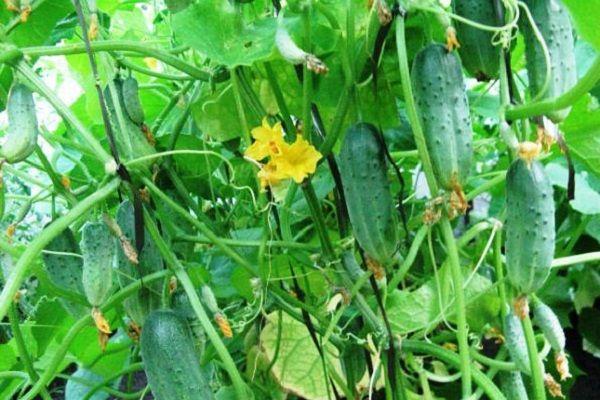
Cucumbers are considered a sun-loving crop, with some varieties producing better fruit in shaded areas. These varieties can be grown along fences and buildings that cast shade during the day.
Muromsky 36
An early ripening variety with a ripening period of 32-42 days. Muromsky Cucumbers 36 resistant to diseases and low temperatures.
Moscow Region Evenings F1
A self-pollinating variety for spring and summer cultivation. The resulting crop has a versatile purpose.
F1 Company Secret
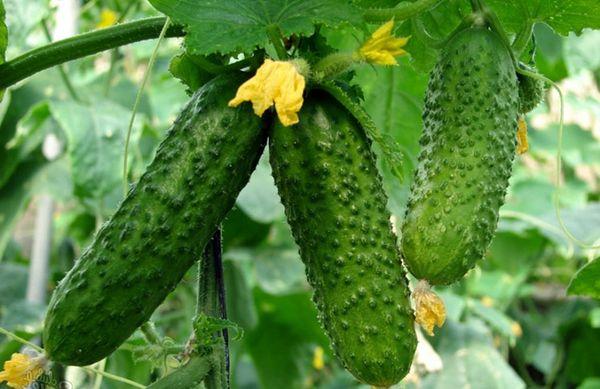
The Secret Firmy F1 hybrid is prized for its excellent taste. This vigorous variety is resistant to root rot, powdery mildew, and spotting.
Early ripening varieties
In short summers, early-ripening cucumber varieties should be grown. Despite their rapid ripening, these varieties produce a good harvest.
Alekseich F1
The hybrid produces cylindrical fruits weighing approximately 60 g. The total yield per square meter reaches 12-15 kg. The growing season lasts 40-42 days.
Vyaznikovsky 37
Cucumbers of the Vyaznikovsky 37 variety They ripen in 40-45 days. The fruits weigh approximately 120 g. The variety easily adapts to any climate and continues to grow in variable temperatures.
Herman F1
The Herman F1 variety requires no hand pollination and produces a large harvest in 38-40 days. The hybrid's seed germination rate reaches 95%.
Golopristansky
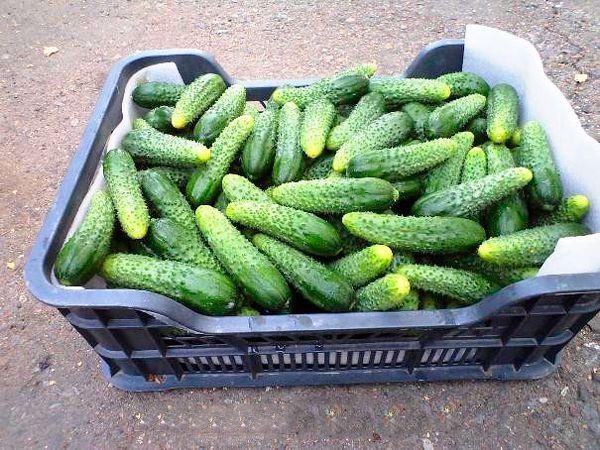
The Golopristansky variety ripens in no more than 45 days. The fruits are prized for their crisp, juicy flesh. The harvest is suitable for fresh consumption and pickling.
Dasha F1
An early hybrid variety with high yield and disease resistance. Ripening time is 38-42 days.
Mid-season varieties
Mid-season cucumbers are planted in the second half of spring. With proper care, they ripen in 45-55 days.
Stork 639
The vigorous variety Aist 639 produces fruits weighing 80-105 g. Its main advantages are disease resistance and the universal use of the crop.
Alliance F1
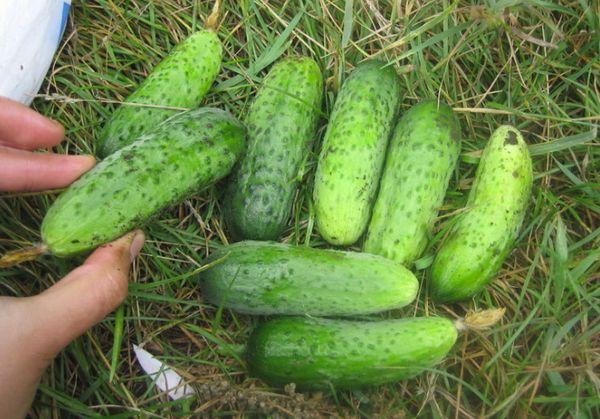
The fruits of the Alliance F1 hybrid weigh 90-115 g. The yield per square meter is 13-18 kg. The vegetables are resistant to brown spot and powdery mildew.
Altai early 166
Altai early cucumber 166 yields a harvest in 45-55 days. During the growing season, the plants are pollinated by bees and require constant care.
Altai F1
The Altai F1 hybrid has gained popularity due to its resistance to climate change and ease of care. This variety is classified as bee-pollinated.
Planting and growing cucumbers in the middle zone
When planning vegetable planting in the central part of the country, it's necessary to carry out a number of preparatory tasks and ensure comprehensive care during the growing season. When planting, it's important to consider temperature conditions, humidity, and soil type.
Timing of sowing in open ground
Different cucumber varieties are planted after the snow melts and the risk of recurrent frosts has been eliminated. The exact planting time depends on the variety, so when deciding when to plant, it's important to research the variety's characteristics in advance.
How to prepare seed material for sowing
Cucumber seeds must be pre-treated before planting. To do this, place them in a weak solution of potassium permanganate, which kills bacteria and disinfects them.
Selecting a suitable site
Most cucumber varieties require well-lit areas without drafts. Groundwater should be present at the lower soil levels to prevent root rot.

Soil preparation
In the fall, the selected plot is carefully dug up and fertilized with organic fertilizer. With the arrival of spring, the beds are loosened and fertilized again. Before planting cucumbers, the soil is regularly cleared of growing weeds.
Planting technology
Seeds are planted in planting holes approximately 3-4 cm deep. When transplanting the seedlings, the hole depth is increased to 15 cm. Wood ash or another organic fertilizer is sprinkled on the bottom of the holes. After sowing, the holes are covered with soil and watered to compact the soil.
The nuances of growing and caring for cucumbers in open ground
During the growing season, cucumbers require comprehensive care. This vegetable crop's cultivation involves soil cultivation, plant training, watering, fertilization, and protective spraying.
Pinching out stepsons
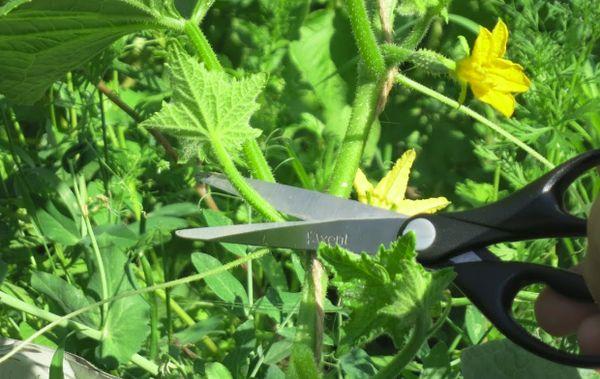
Removing excess shoots is necessary to prevent them from absorbing nutrients. Side shoots are cut off in the axils of the first 5-6 leaves. Side shoots are removed carefully to avoid damaging the stem.
Watering and fertilizing
The soil around the plants is moistened as it dries out. Typically, watering is required 2-3 times a week. Fertilizers are applied to the soil before sowing, a week after planting, and during flowering and fruiting. Complex mineral fertilizers are suitable for fertilizing cucumbers. and organic fertilizers.
We tie up and shape the bushes
Plant training involves trimming excess foliage and removing damaged and old branches. Staking cucumbers is only necessary for tall varieties that bend under the weight of the fruit and in windy conditions.
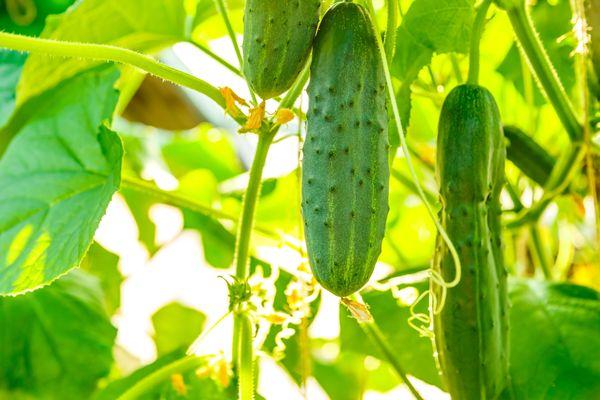
Disease and pest prevention measures for cucumbers
To reduce the risk of disease and pest attacks, spray with protective solutions. Insecticides, fungicides, and natural products can be used as preventative measures. It's sufficient to spray greenery once every 2-3 weeks. If signs of damage to vegetables are detected, intensive treatment is required.
Tips from experienced gardeners on growing and caring for
Any experienced gardener knows that the secret to a good harvest lies in planting cucumbers correctly and at the right time. Proper care and adherence to basic agricultural practices are also essential. Before planting, it's important to familiarize yourself with the characteristics of the variety being grown and create favorable environmental conditions.
Related posts:
 Description of the best varieties of Chinese cucumbers, planting, growing and care
 How to propagate and grow peas, cultivation technology, and care in open ground
 Description of the best, most productive and new varieties of cucumbers for 2025
 The best eggplant varieties for growing in a polycarbonate greenhouse: planting and care
 The best grape varieties for growing in the Urals, planting and care rules in summer
 How to properly plant peas in a greenhouse and open ground
 When to plant cucumbers in open ground in Siberia, how to grow them, and the best varieties
 How to properly plant cucumbers in open ground with seeds, and at what depth