
- What does parthenocarpic cucumber mean?
- Advantages and disadvantages
- Differences between parthenocarpic and self-pollinating cucumbers
- Popular varieties
- Bully
- A pile of small F1
- Scoundrel F1
- Kuzya F1
- Meva
- Pyzhik F1
- Stream
- Uglich F1
- Zircon F1
- Advance
- Herman F1
- Adam F1
- Mother-in-law F1
- Courage F1
- Furor
- Features of cultivation and care
- In open ground
- In room conditions
- Indoors
- Diseases and pests
Spraying fields with chemicals and using insecticides kills not only pests but also beneficial insects that pollinate flowers. The number of bees and bumblebees is declining every year, affecting fruit and vegetable yields. To solve this problem, breeders began working on developing hybrids that do not require pollination, and scientists have succeeded. Parthenocarpic cucumbers do not require bees when growing. They grow well in greenhouses, produce excellent yields, and bear fruit abundantly.
What does parthenocarpic cucumber mean?
Hybrids, which have been bred only recently, produce only female flowers. The cucumbers contain no seeds, so pollination is not necessary. Parthenocarpic cucumbers grow well on windowsills, balconies, or loggias, where bees cannot reach them.
The first hybrids created by breeders were intended only for indoor cultivation. Now there are cucumber varieties that thrive in the garden. Parthenocarpic hybrids produce flowers without pollination. To ensure a high yield and long-lasting fruiting, it's important to properly shape the bush and pinch off the main shoots.
Advantages and disadvantages
The main advantage of parthenocarpic varieties is that they can be grown indoors without pollination. Cucumbers are seedless and lack bitterness. Hybrids are distinguished by:
- long and abundant fruiting;
- good taste;
- excellent presentation;
- cucumbers of the same size;
- resistance to diseases.
The vegetables don't turn yellow and aren't damaged during long-distance transportation. They have a long shelf life and retain a beautiful emerald hue.
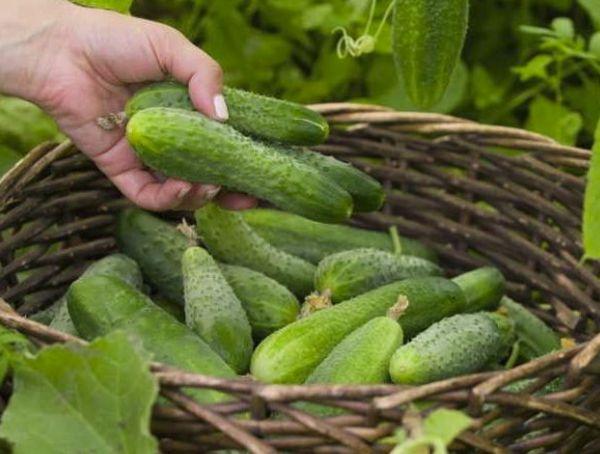
The disadvantages of parthenocarpic hybrids include the fact that they form long shoots that require special care, constant regulation of the bush density, and mandatory pinching of shoots.
Not all varieties tolerate sudden temperature fluctuations; parthenocarpic cucumber seeds are expensive; collecting the seeds yourself is impossible, as the fruits do not produce seeds.
Differences between parthenocarpic and self-pollinating cucumbers
Before purchasing seeds to grow vegetables in a greenhouse, on a windowsill, or on a balcony, you need to understand the conditions they are suitable for. Parthenocarpic cucumbers produce fruit without the help of beneficial insects, but these hybrids do not produce any seeds. Breeders have also developed varieties that have both male and female flowers, but are pollinated independently, not by bees.
Popular varieties
Specialty stores and kiosks sell seeds of productive parthenocarpic hybrids, the most popular of which are varieties suitable for canning. The Advance F1 cucumber boasts high productivity, with early ripening cucumbers.
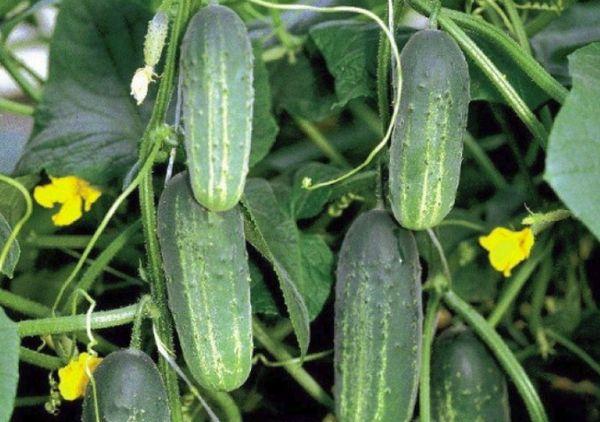
Gardeners were drawn to the description of the Zircon hybrid. The crisp fruits of this variety are suitable for pickling, the plant thrives in open soil, tolerates temperature fluctuations, and consistently produces an excellent harvest.
Bully
Hybrid cucumbers ripen in just over 40 days. When the plant begins to bloom, up to four internodes form on the lateral shoots, and about five cucumbers are formed on a single cluster ovary. When ripe:
- The fruits take on a cylindrical shape.
- The skin becomes covered with whitish stripes.
- The pulp becomes juicy and crunchy.
These parthenocarpic cucumbers ripen right up until frost and are suitable for pickling and canning. In temperate climates, the Zabiyaka variety is grown from seedlings.
A pile of small F1
This parthenocarpic hybrid is characterized by high yields and a long fruiting period. The surface of the gherkins, which ripen early, is covered with small tubercles. The gherkins boast excellent flavor, grow up to 9 cm in length, and weigh 70 to 80 g.
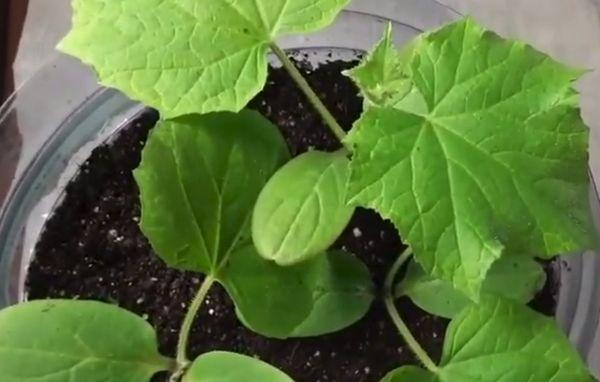
If you plant this hybrid in a polycarbonate greenhouse, you can harvest up to two buckets of cucumbers per square meter. The Kucha variety is resistant to powdery mildew, mosaic, and olive spot. The cucumbers are suitable for pickling and do not taste bitter.
Scoundrel F1
This parthenocarpic hybrid produces fruit in open ground in Moldova and Ukraine, and is grown in greenhouses in central Russia. Cucumber yields reach 18 kg per square meter. Cucumbers weigh up to 100 grams and possess:
- cylindrical shape;
- slightly ribbed surface;
- emerald color.
Tall Kanalya bushes are rarely affected by disease. The cucumbers ripen early and are used in salads.
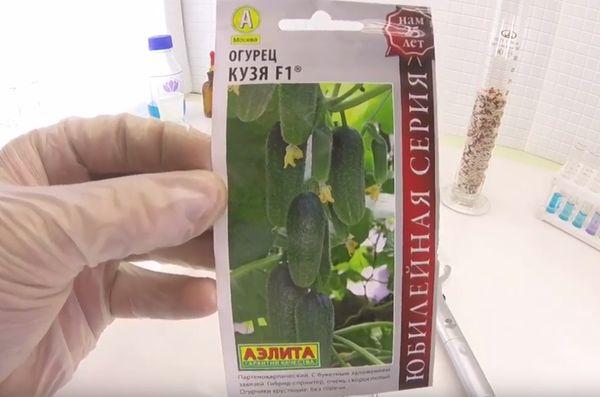
Kuzya F1
This variety, which shares the same pollination pattern as other parthenocarpic hybrids, is prized for the excellent taste and appearance of its cucumbers, which ripen just over a month after sprouting. Ovaries are formed in clusters of 5-6 cucumbers. Kuzya cucumbers weigh 90 g. Regardless of the weather, they ripen juicy and crisp, do not yellow, and are suitable for pickling, marinating, and canning.
Meva
This indeterminate, branched plant thrives in low light, is resistant to cladosporiosis, powdery mildew, and is immune to the mosaic virus. Two female flowers form per node on the Meva hybrid plant. The cylindrical cucumbers ripen within two months. Ripe cucumbers weigh approximately 2 grams and have a smooth surface. Yields in protected soil are approximately 25 kg per square meter.
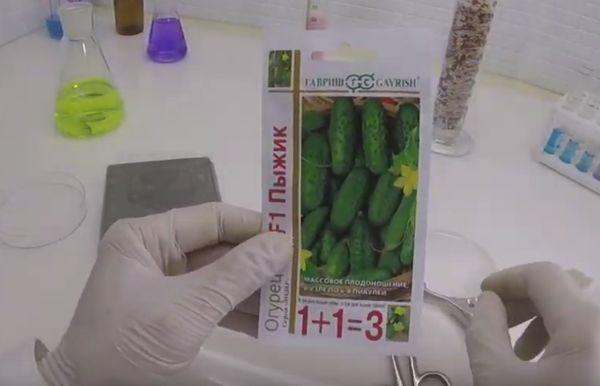
Pyzhik F1
This Russian-bred hybrid was developed for planting in glass and polycarbonate greenhouses. The stem grows up to 3.5 meters tall, with clusters of several fruits per axil. The Pyzhik variety's cucumbers ripen in 40 days. The skin is dark, decorated with blurred light stripes and covered with tubercles. One and a half buckets of fruit are harvested from each bush.
Stream
This hybrid, bred for cultivation in the harsh Siberian climate, sets fruit without pollination. The ovaries of the medium-sized plants form at the nodes. The dark green, oblong cucumbers weigh approximately 50 grams and are densely covered with tubercles. The "Rucheek" variety is resistant to rot, mosaic, and downy mildew, and rarely suffers from powdery mildew. A greenhouse yield of 30–35 kg of cucumbers per square meter is used for pickling.

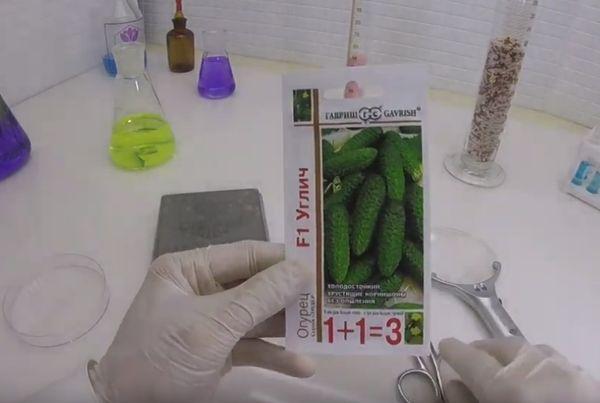
Uglich F1
This early parthenocarpic hybrid can be planted in a garden bed or under plastic in a greenhouse. Ovaries are formed in the leaf axils. Dark green cucumbers begin to be harvested after 45 days. After flowering, a single plant produces about a bucket of bumpy cucumbers weighing 100 grams. Uglich is grown using seedlings, or the seeds are sown directly into the ground. Cucumbers are highly transportable and have a long shelf life.
Zircon F1
This parthenocarpic variety boasts high yields and a long fruiting period, and is suitable for both open ground and greenhouse planting. Indeterminate bushes produce lateral shoots where the cucumbers develop. The cucumbers ripen early, weigh 60 g, are covered in black spines, and are suitable for pickling.
Advance
A bee-pollinated variety originating from Holland, it is prized for its high yield and versatile fruit use. The long, smooth cucumbers have a small chamber for seeds, and the surface is covered with tubercles. The fruits ripen in 50 days, weigh 100 grams, and are suitable for pickling, fermenting, and canning. This indeterminate plant is resistant to olive spot and rot.

Herman F1
This parthenocarpic hybrid is resistant to bacterial and viral infections and consistently produces a high yield. The cucumbers form in clusters of several, ripen quickly, and have a pleasant flavor. The skin is covered with white spines. The cylindrical fruits are approximately 10 cm long and 30 mm in diameter.
Adam F1
This Dutch hybrid with female flowers delights with small gherkins all summer long. This variety doesn't produce seeds, grows indefinitely, and produces fruit throughout the warm season. The cucumbers ripen in 50 days, don't overgrow, aren't bitter, and weigh less than 100 g. The surface of the cucumbers is rough due to the numerous spines, but this doesn't prevent them from being preserved.
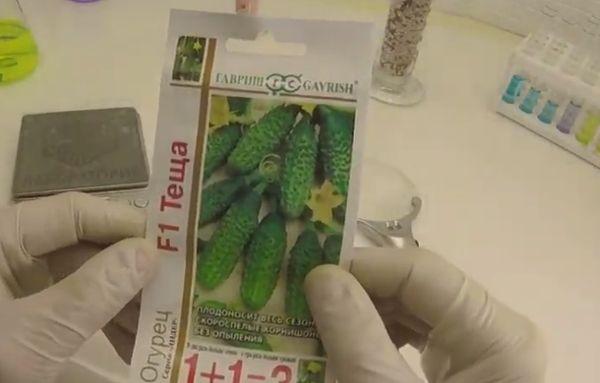
Mother-in-law F1
This variety, developed by Russian breeders for planting in both southern and northern regions of the country, is immune to fungal infections. Approximately two buckets of gherkins are harvested per square meter in a greenhouse or garden bed. Small gherkins and fully ripened fruits are picked, preserved, and salted.
Courage F1
This hybrid variety boasts tall bushes with strong roots. The fruits ripen early, forming clusters. One square meter yields up to 20 kg of cucumbers. Proper care is required to harvest such a high yield.
Furor
This early variety requires no pollination; its robust bushes are virtually disease-resistant and boast clustered blooms. The parthenocarpic hybrid Furore offers numerous advantages:
- Growing and developing rapidly.
- Withstands cold temperatures.
- Bears fruit continuously.
Several cucumbers are laid on one node; they are not bitter, are easy to transport, do not change color when overripe, and are used for pickling.
Features of cultivation and care
Not all gardeners understand what a parthenocarpic hybrid means, how to plant such cucumbers, or how difficult they are to care for.
In open ground
Specialty stores and kiosks sell seeds of non-pollinated varieties that grow and bear fruit in the garden. In southern regions, they are sown directly into open ground; in temperate climates, they are sown for seedlings.
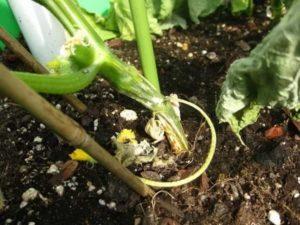
Parthenocarpic cucumbers flower on the main stem, and pinching is performed in the axils of not just one, but all five leaves, and the buds are removed. Six lateral branches are shortened to 25 cm, and subsequent shoots are cut back to 40 cm. The central stem is secured to a support, and the top is pinched.
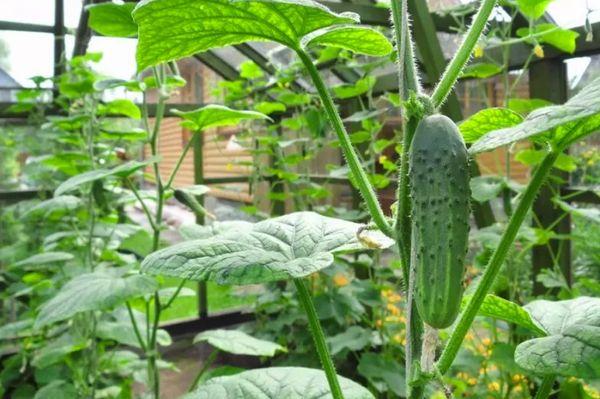
In room conditions
Cucumbers, which don't require pollination, are grown on a windowsill. To harvest the vegetables by December, sow the seeds in September. Planting begins again after six weeks. In winter, additional grow lights are needed for illumination. A temperature of 22–23°C (72–73°F) is sufficient for cucumber development. This is the typical temperature in an apartment. It is recommended to mist the plant's leaves daily, but to prevent standing water, a drainage layer should be added to the container where the cucumbers are planted.
When 5 or 6 leaves appear, support the stems with ladder-like supports or attach a rod to the top of the window and tie a rope to it. The density and length of the shoots are controlled by pinching.
To increase fruiting, the bushes are fed with mineral complexes that are sold in stores.
Indoors
If not performed in a timely manner formation of parthenocarpic cucumber hybrids in a greenhouse, real thickets will form. The young fruits will take a long time to ripen, and there won't be enough nutrients for the development of new shoots.
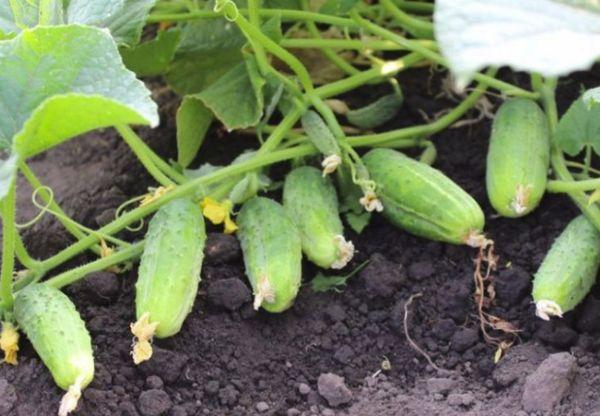
Flowers in non-pollinated varieties are set on the main stem, so buds are removed from the axils of the first five leaves, six side shoots are shortened to 20 cm, and subsequent branches are also pinched but left slightly longer. The main stem is secured to a trellis. The bush formation process is similar for all parthenocarpic hybrids.
Diseases and pests
If you read reviews from gardeners who grow unpollinated cucumbers, you can conclude that they have stronger immunity to viruses and are less susceptible to bacterial infections than regular varieties.
To protect parthenocarpic hybrid plantings from downy mildew and spotting:
- During the growing season, the bushes are treated with the preparation "Fitolavin-300".
- When the first leaves appear, cucumbers are watered with the same solution.
- Spray with fungicides "Gamair", "Fitosporin".
For prevention potato tops infusions are used to treat diseases and tomatoes.
To combat melon aphids, tobacco dust is used; wireworms and cruciferous flea beetles are dealt with using insecticides.
Related posts:
 Description of the best varieties of Chinese cucumbers, planting, growing and care
 Description of unusual methods for planting and growing cucumbers
 TOP 30 best determinate cucumber varieties with descriptions
 Top 50 Best Cucumber Varieties for Polycarbonate Greenhouses with Descriptions
 How to properly plant cucumbers in open ground with seeds, and at what depth
 How to plant cucumbers in open ground under film: timing and cultivation technology
 Description of the best, most productive and new varieties of cucumbers for 2025
 How to care for cucumbers in open ground from planting to harvesting