
- Causes of root rot
- Who is the causative agent of rot?
- Symptoms of cucumber infestation
- How to combat root rot
- Medicines for treatment
- Biological
- Chemicals
- Folk remedies to combat the disease
- How to treat bushes in a greenhouse
- Timing and technology of plant treatment
- Frequency of treatment: when to expect results?
- Prevention of the disease
Cucumber root rot is one of the most common and insidious problems gardeners struggle with. Due to the rot, cucumbers begin to wilt in dry weather, as if from a lack of moisture. Because of this, gardeners increase watering, which further encourages the infection. It's important to understand the causes of the disease and know how to treat root rot in cucumbers once it's advanced.
Causes of root rot
The main causes of root rot include extremely low or high temperatures, sudden temperature fluctuations, and watering plants with excessively cold water. Improper hilling of seedlings and overly compacted soil can also contribute to the development of rot. Before sowing seeds, warm the soil to 15 degrees Celsius.
Often, the cause of cucumber rot can be the use of compost in the beds in which affected plants have previously been placed, since pathogenic microorganisms survive and multiply in warm compost during the winter.
Who is the causative agent of rot?
Cucumber root rot is caused by a variety of harmful microorganisms. The most common and dangerous of these include:
- Pythium debaryanum – this microorganism attacks the roots during germination, causing cucumbers to rot at the root, and the leaves and cotyledons to turn yellow.
- P. ultimum is a fungal pathogen that affects 150 different plant species in addition to cucumbers. It is spread by nematodes.
- P. aphanidermatum attacks over 80 plant species, but it causes the greatest damage to cucumbers, as well as soybeans and tomatoes. It reproduces in affected tissues during root molting.
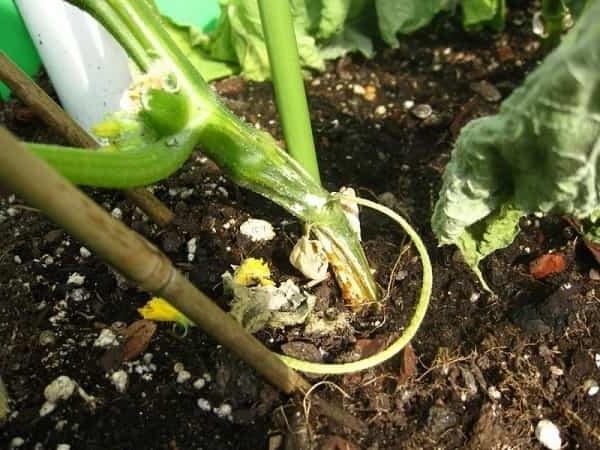
Symptoms of cucumber infestation
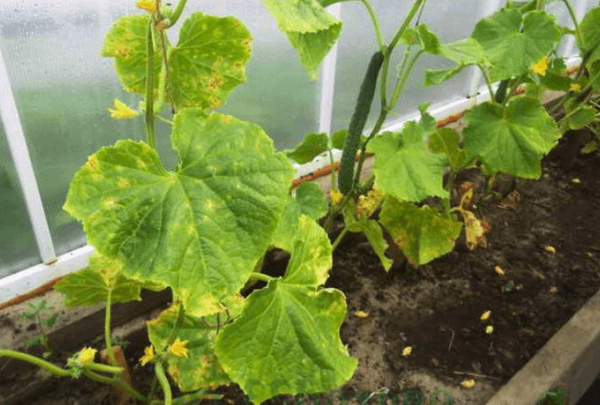
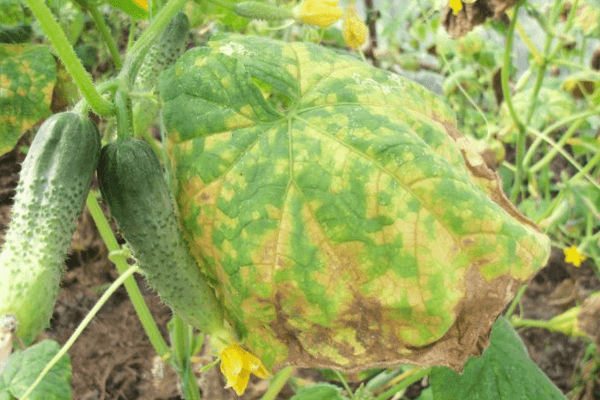
The first signs that your cucumbers are starting to rot appear after transplanting the crop into the ground or greenhouse.
- The cucumber stem turns brown and begins to rot.
- The leaves begin to turn yellow.
- Cracks form at the bottom of the central shoot.
- The roots become brown and soft.
- In the advanced stage of the disease, the ovaries begin to wither.
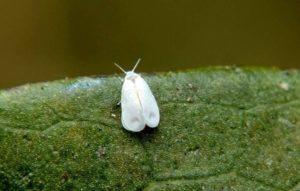
Rot progresses especially rapidly at low (below 16°C) and high (above 27°C) temperatures. If you notice these signs in your plants, treatment is necessary immediately, otherwise the cucumbers will die.
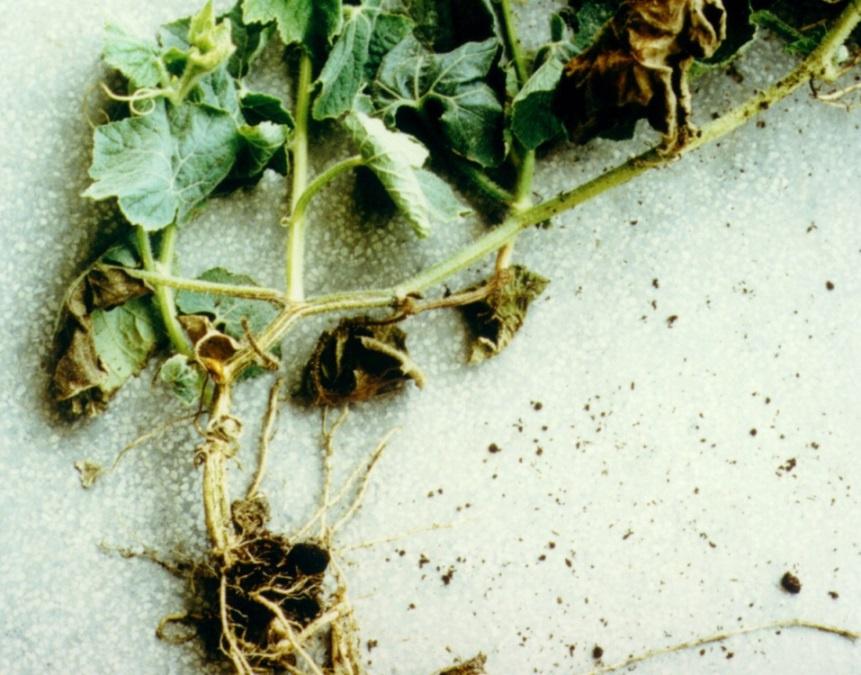
How to combat root rot
There are various methods for combating root rot. It's best to prevent it from developing in the first place by taking preventative measures. However, if the process has already begun, all is not lost. You can significantly reduce the risk of further rot.
First of all, it's necessary to remove any bushes that are already heavily affected. Reduce watering and bring the humidity level inside the greenhouse or hotbed to the norm—it should be no more than 80%.
Medicines for treatment
There are many different products available to help combat root rot, both biological and chemical based.

Biological
The use of biological preparations allows not only to cure diseases such as root rot, but also to significantly increase crop yields.
- Alirin-B, a tablet-based product used to combat fungal diseases, is effective against rot. It poses no danger to humans and does not accumulate in fruit. Treated bushes also reduce ascorbic acid and nitrate levels.
- Gamair, a fungicide available in powder or tablet form, is also used to combat fungal diseases. It is also used to disinfect the soil. Rotten roots are treated with a solution of one tablet per 5 liters of water.
- Plants infected with rot can be treated with the broad-spectrum fungicide Fundazol. It should only be used in extreme cases, and precautions should be taken, as it is classified as a Class II hazard.
- Trichodermin is also used to treat rot. It's a biological fungicide derived from the Trichoderma fungus. It's safe for humans and can even be used before eating the cucumber.
- Gliocladin is excellent for treating rot. Like Trichodermin, it contains a strain of Trichoderma. It is effective against fusarium wilt in soil treated with organic fertilizers above the norm. Gliocladin maintains its protective effect for up to six weeks.


Chemicals
If the disease has already progressed and the bushes are starting to rot, the drug Previkur can help.
It must be diluted in water at a rate of 20 milliliters of the preparation per 10 liters, and the plants must be watered with the resulting solution.
After five days, you can water the cucumbers with a solution of Fitolavin, prepared in a similar manner, and treat the soil with biological preparations Gamair and Alirin-B to restore the microflora damaged by the chemicals.
Folk remedies to combat the disease
Sprinkle the root collar, the top of the rhizome, and the base of the stem with crushed chalk, ash, or charcoal. This will help slow the spread of rot. Another folk remedy: prepare a mixture of chalk (3 tablespoons), copper sulfate (1 teaspoon), and half a liter of water, and apply it to the bottom of the stem and the top of the root.
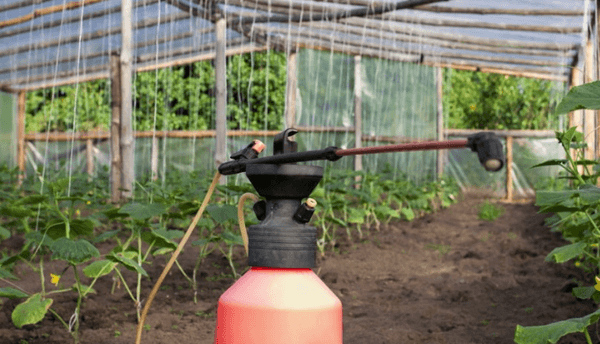
How to treat bushes in a greenhouse
Greenhouse cucumbers are particularly susceptible to root rot. It's especially severe on cucumbers planted in soil where cucumbers have previously grown.
To prevent the development and spread of fungi in the soil, it's essential to properly maintain the greenhouse. Clean it every fall. Treat wooden greenhouse components with copper sulfate and wash metal parts with laundry soap. The glass in the greenhouse should also be washed with soapy water. Remove any plant debris accumulated over the past season.
If rotten bushes were kept in the greenhouse during the summer, disinfect the area using a sulfur candle. Don't forget to treat the greenhouse with biological products in the spring to restore beneficial microflora, as sulfur candles kill not only harmful but also beneficial microorganisms.
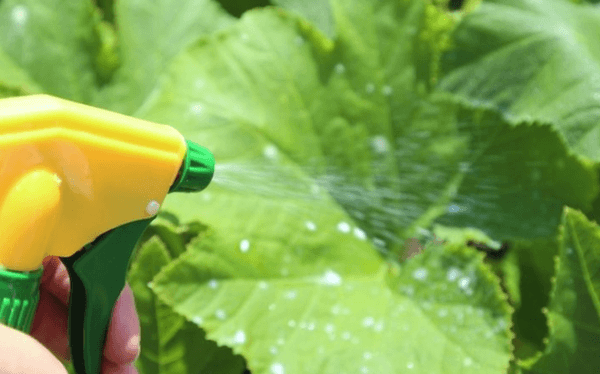
If root rot appears on greenhouse cucumbers, it is recommended to treat them with a copper sulfate solution at a ratio of 1 teaspoon per 0.5 liters of water. Copper oxychloride and wood ash also work well.
Timing and technology of plant treatment
Remove soil from the stems to the roots and apply the prepared solution to the plants using a brush. Work from the root to a height of approximately 12 centimeters. You can apply chalk or ash to the rotted area. Then, let the plant dry.
Biological products sold in tablet form are recommended to be diluted with water and applied to plants by watering. This will allow the product to spread evenly throughout the soil and reach even the most difficult-to-reach areas.
When watering infected plants, do not spray; water at the roots. Use water at a temperature of 24-25 degrees Celsius. Remove the dead plants and treat the remaining hole with copper sulfate.
Frequency of treatment: when to expect results?
Rot-affected cucumbers should be treated at least twice, with a week between treatments. If done correctly, positive results will be visible within a couple of weeks. The spread of the rot will be significantly reduced, and the harvest will be saved.
Prevention of the disease
The best way to prevent rot is to take preventative measures early. This should begin in early spring, with proper soil and seed preparation to prevent infection in its early stages.
The least expensive way to disinfect seeds is with a potassium permanganate solution. For best results, you can also treat the seeds with Fitosporin. It's best to disinfect one to two weeks before planting.
The risk of root rot can be significantly reduced by growing plants on rootstocks that are more resistant to harmful microorganisms. These include pumpkins Cucurbitae ficifolia and Lagenaria siceraria. They are resistant to high and low temperatures and moist soil, and are not affected by root rot.
Water the plants regularly with warm water, preferably at night. Initially, water the bushes once every five days, and after the buds appear, increase the frequency to once every two days. Ensure the soil is well-drained and loosen it whenever crusting occurs. Ventilate and fertilize the plants regularly.
Related posts:
 Why does white rot appear on cucumbers in a greenhouse and what can be done to treat it?
 Description of unusual methods for planting and growing cucumbers
 How to care for cucumbers in open ground from planting to harvesting
 How to make a cucumber trellis with your own hands from scrap materials
 Description of the best varieties of Chinese cucumbers, planting, growing and care
 Why cucumber leaves are drying out and what to do, how to treat them in a greenhouse and in the ground
 Is it possible to soak treated cucumber seeds before planting and how to do it correctly?
 How to properly plant cucumber seedlings in a greenhouse and care instructions