
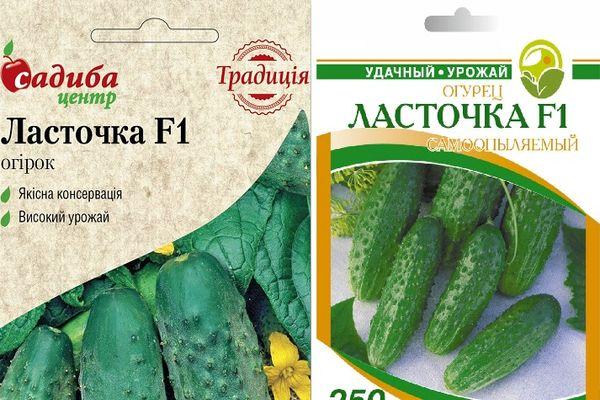
The hybrid cucumber variety Lastochka F1 appeared on the market less than a decade ago, but immediately gained popularity, displacing varieties such as Nezhensky and Dalnevostochny. Lastochka's main advantage is its disease resistance and high yield. For example, this variety produces twice as many cucumbers as the popular Konkurent, earning positive reviews from gardeners and large farmers.
Main characteristics
Cucumbers can be sown under plastic or in open ground when the soil temperature reaches +12°C. This variety is common in the central regions of Russia, Moldova, and Ukraine. The vegetable tolerates adverse climatic conditions well, so it can be grown in northern regions. However, yields will be reduced in cooler climates.
The Swallow, like all hybrids, thrives in warm conditions. With proper care, up to 12 kg of cucumbers can be harvested from 1 m². Each bush produces three nodes with 2-4 ovaries. Up to 30 cucumbers can ripen on a bush at a time.
Lastochka cucumbers are resistant to downy mildew, mosaic, and powdery mildew. They are early-ripening, with the first fruits appearing 35-40 days after germination. During flowering, the plant is pollinated by insects.
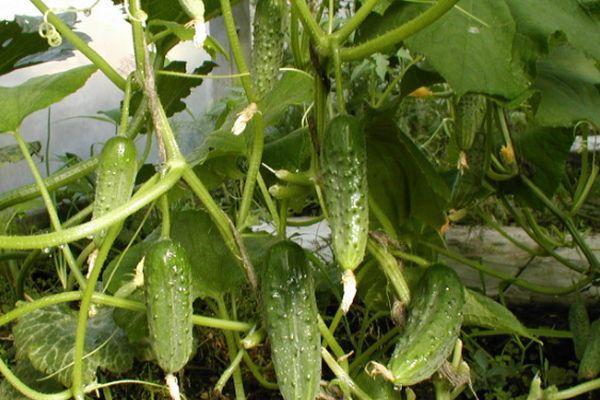
The main stem can reach 1.5 m in length, making the bush take up quite a bit of space in the garden. Tying the stems to a support or net will make harvesting easier. This will also increase the yield per square meter.
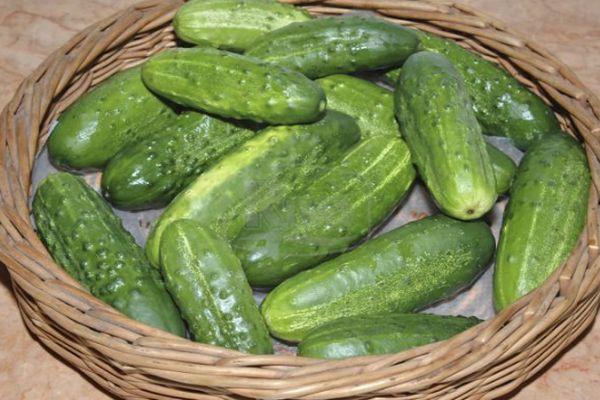
In appearance it resembles the Rodnichok variety:
- cylindrical shape;
- rich color;
- thin skin;
- black-spined;
- triangular in cross-section;
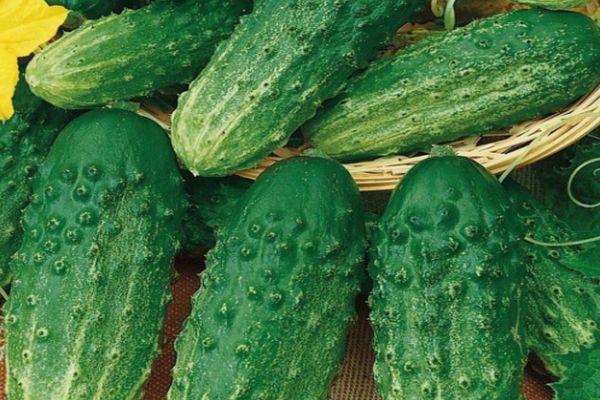
- the surface is coarsely tuberculate;
- blurred white stripes.
Mature cucumbers are 10-12 cm long, weigh 100 g, do not curl, and have no internal cavities. You don't have to wait for them to fully ripen; young cucumbers resemble gherkins. They are suitable for fresh eating and canning. When pickled, cucumbers remain firm and crisp.
This vegetable has excellent taste and contains a large number of nutrients. For example, cucumbers contain vitamins B, A, and C, as well as beta-carotene and minerals. This proves that hybrid varieties are no less beneficial than regular vegetables.
Many large farmers grow Lastochka cucumbers, replacing other varieties. Thanks to their regular cucumber shape and excellent flavor, the fruits are popular in the market. And the variety's high yield guarantees a good income.
Care instructions
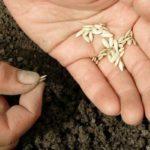
Seeds are sown from the second half of May to early June, depending on the region. If the soil is too cold or wet, the seeds will not germinate. At the same time, excessively hot climates (above 30°C) slow the variety's growth. The optimal temperature for Swallow germination is 20 to 25°C. The first shoots appear 4 to 7 days after sowing.
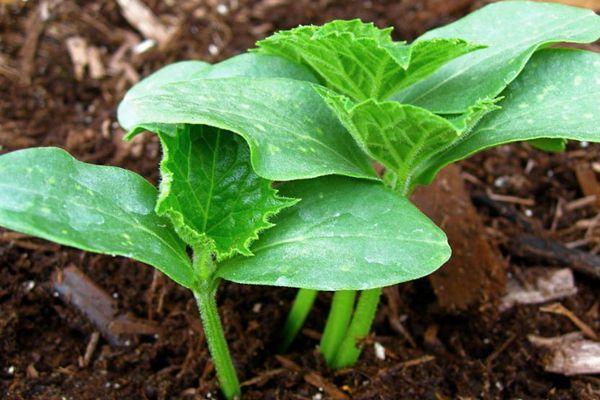
Don't use seeds from last year's harvest, as this variety is a hybrid: plants grown from these seeds will not bear fruit. You should purchase seeds from the producer each year.
Up to 6 bushes can be planted per square meter, with a sowing depth of 2 cm. The site should be slightly shaded; too much sun is harmful to the plant. Avoid sowing Lastochka where melons, beans, or carrots were previously grown, as this increases the risk of disease.
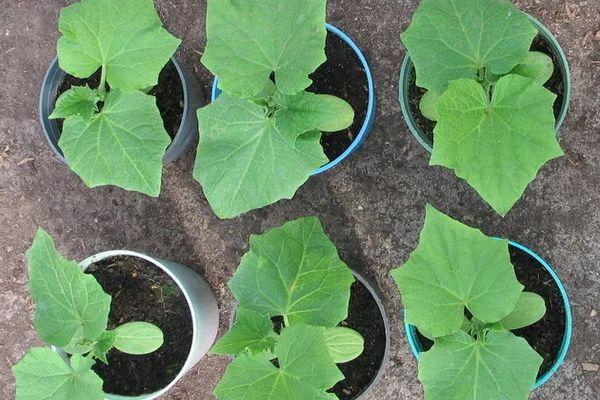
Avoid loosening the soil around the bushes, as the roots are located close to the surface. Moderate watering is essential for proper care. Excessive moisture will reduce the soil's oxygenation. Insufficient water, however, can cause leaves to darken, flowers to drop, and fruit to fail. Sudden temperature changes can cause the vegetable to become bitter.
To maximize the harvest, fertilizing the plant is recommended. The soil is first fertilized immediately after sowing, using a mixture containing potassium and phosphorus. Subsequently, to help the cucumbers better absorb beneficial micronutrients, small depressions (channels) are made around the plant.
 It is important not to damage the roots at this time, otherwise the plant will die. Side-sonning is carried out when the bush reaches 0.4 m in height; during flowering, it is recommended to remove the lower leaves. By following these simple rules, even novice gardeners growing cucumbers for the first time will be able to reap a good harvest.
Related posts:
 Description of the best varieties of Chinese cucumbers, planting, growing and care
 Description of unusual methods for planting and growing cucumbers
 TOP 30 best determinate cucumber varieties with descriptions
 Description of the best varieties of bee-pollinated cucumbers, rules for their formation and care
 How to care for cucumbers in open ground from planting to harvesting
 How to properly plant cucumber seedlings in a greenhouse and care instructions
 How to properly plant cucumbers in open ground with seeds, and at what depth
 35 Best Powdery Mildew-Resistant Cucumber Varieties with Descriptions
Approved!