
Gardeners often encounter hollow cucumbers when harvesting cucumbers. There are several possible causes for cucumbers to grow hollow. To preserve the harvest, it's important to determine the exact cause and take steps to correct it.
How to tell if a cucumber is hollow
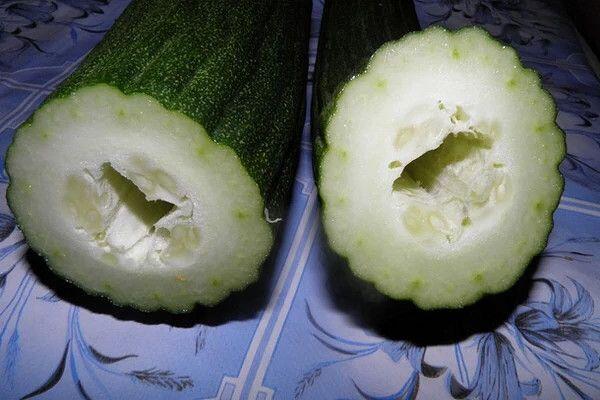
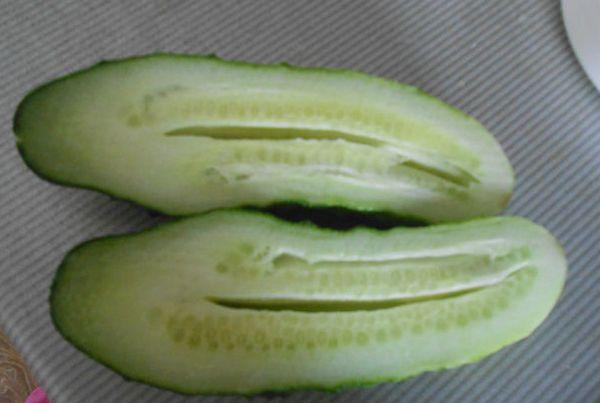
You can tell if cucumbers are hollow by several signs. Visually, the vegetables will appear wrinkled and slightly concave. The weight of cucumbers without pulp will deviate significantly from the expected value. After harvesting and breaking the vegetables, you can finally see that there are voids inside.
Common causes of voids in fresh cucumbers
If you discover hollow cucumbers with missing or dry cores in your garden, it's important to promptly identify and address the cause. Hollows can form as a result of improper development of the placenta, where the seed primordia are located. This process is often associated with poor agricultural practices, and less commonly, with external factors. It's important to identify the exact cause of hollow cucumbers early to prevent the recurrence of hollowed-out vegetables.
Unsuitable soil composition
Whether cucumbers are grown in a greenhouse or in the open ground, the right soil composition is essential for a large and healthy harvest. The soil in which cucumbers are grown provides the nutrients needed for proper plant growth and fruit formation.
Every gardener needs to ensure that the soil contains a balanced content of essential microelements and other substances that contribute to a good harvest.
It's also important to consider that soil may contain pathogenic microorganisms that cause disease. Viral infections disrupt the development of young plant tissue, which impairs fruit formation. These problems most often occur in hot weather, when growth processes are activated and proceed more rapidly than at other times.

When planning to plant cucumbers in a greenhouse, the soil should be carefully cultivated. It's recommended to use commercial soil that's rich in beneficial components and free of harmful bacteria. Regularly loosen the soil to ensure better air circulation and oxygen penetration directly to the roots. Loosening also facilitates the flow of water to the lower layers.
Fertilizer deficiency
Like any vegetable crop, cucumbers require regular fertilization throughout their development. Excessive nitrogen levels in the soil, relative to other nutrients, negatively impact growth. Lack of nutrients leads to deterioration of the taste of the fruit and the appearance of voids.
To prevent fertilizer deficiency, it is recommended to use organic fertilizers. Fertilizing with compost is unlikely to overload the soil with nutrients, but when using manure, it is important to maintain the recommended amount to avoid harming the seedlings.
The primary purpose of fertilizers is to improve soil properties. Soil loses its beneficial properties when there is a lack or excess of fertilizer. A balanced supply of nutrients ensures the normal growth and development of vegetable crops.
Rare watering
Cucumbers are moisture-loving crops, so regular watering is essential for proper growth. Insufficient watering prevents the roots from absorbing the required amount of liquid and micronutrients from the soil, leading to hollow cucumbers and overall poor plant health.
When watering, you need to consider the following rules:
- Warm water (25-28 degrees Celsius) is required for irrigation. Maintaining the correct temperature regime allows excess moisture to evaporate and ensures adequate moisture reaches the roots.
- In cloudy weather, watering is limited, since the roots absorb liquid less effectively.
- Water the seedlings with a gentle stream to avoid compacting the soil and damaging the top layer of roots. Above-ground portions of the plants are watered late in the evening, after the heat has subsided.

Once ripe, cucumbers contain more than half of their moisture and enzymes, which are replenished through adequate watering. Irregular watering negatively impacts plant development, causing cavities to form inside the cucumbers. To more easily control irrigation, a drip system can be installed if the seedlings are planted in a greenhouse.
Too shaded place in the greenhouse
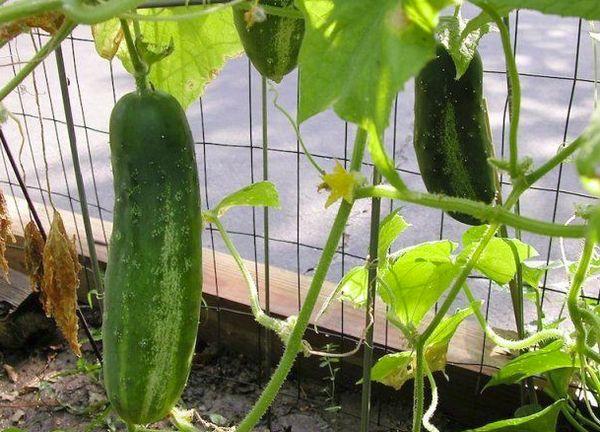
Cucumber leaves require constant natural light, while the fruits are best grown in partial shade. Too much shade when planted in a greenhouse prevents the vegetables from developing properly, resulting in hollow, hollow bodies. Furthermore, insufficient light can cause the fruits to lose flavor and fail to reach their desired size. It's best to grow cucumbers on a trellis, which provides optimal conditions.
Significant temperature fluctuations when grown outdoors
Sudden fluctuations in ambient temperature are common in many regions where cucumber growers grow cucumbers. This problem often occurs when the ambient temperature is high during the day and drops sharply at night. Constant fluctuations of more than 15 degrees Celsius lead to abnormal cucumber development. As a result, a void forms inside the cucumber, with virtually no seeds.
When grown in southern regions, temperature fluctuations rarely affect seedling development. Otherwise, it's recommended to grow cucumbers in a greenhouse to more easily ensure a stable environment.
Untimely harvest
Harvesting should be done as soon as possible after the vegetables ripen. If cucumbers are left in the garden, they will overripe, enlarge, and develop seed heads. This is what causes internal voids. The skin of overripe cucumbers becomes hard, and they begin to draw water from their stored reserves. Most often, this problem is typical for cucumbers that require pollination.

Feature of the variety
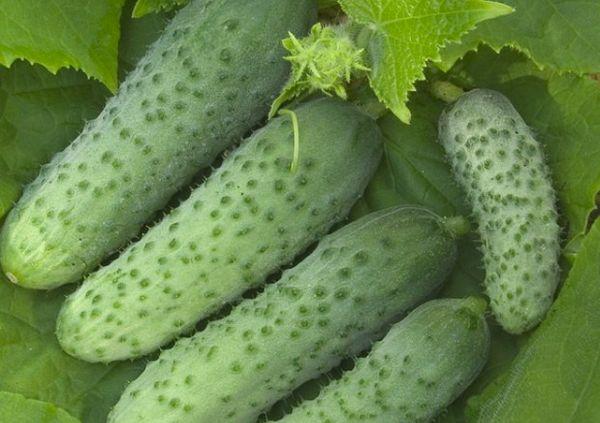
There are cucumber varieties that are highly resistant to cavities. These include hybrids labeled F1. Common hybrids that do not form cavities include:
- Buyan;
- Maryina Roshcha;
- Green Wave;
- Grasshopper;
- Clean ponds.
It's important to note that using seeds from hybrid cucumbers of the varieties listed above is not advisable. Hybrids are unable to pass on hereditary traits, so to reduce the risk of voids, it's best to use new planting material.
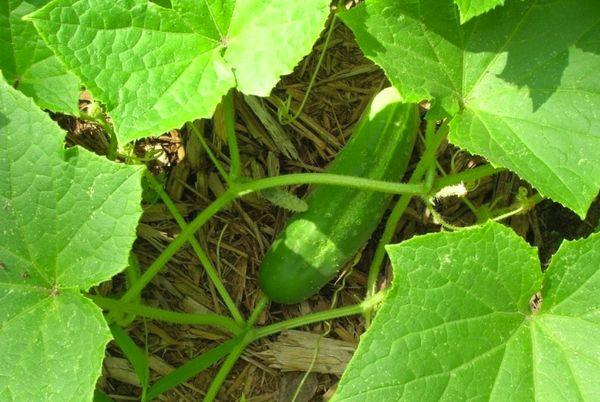
Growing hybrid varieties does not guarantee a high-quality harvest. To prevent the formation of voids, it is necessary to provide comprehensive care and regularly follow standard agricultural practices.
What to do to save the harvest
When wondering what to do to keep your harvest fresh and free of cavities, it's enough to ensure favorable growing conditions. Once the root cause of the problem has been identified and addressed, it's essential to constantly care for the plants and inspect them for signs of recurrence of internal cavities.
Related posts:
 Description of unusual methods for planting and growing cucumbers
 Description of the best varieties of Chinese cucumbers, planting, growing and care
 How to properly plant cucumbers in open ground with seeds, and at what depth
 TOP 30 best determinate cucumber varieties with descriptions
 Why cucumber leaves are drying out and what to do, how to treat them in a greenhouse and in the ground
 How to plant cucumbers in open ground under film: timing and cultivation technology
 How to care for cucumbers in open ground from planting to harvesting
 How to make a cucumber trellis with your own hands from scrap materials