
Anyone can grow cucumbers in bags; simply follow the growing instructions step by step. The vegetable is just as tasty and requires little care. Greenhouses, balconies, or an open garden plot can be used for growing cucumbers.
Advantages and disadvantages of the method
Growing cucumbers isn't limited to open ground; bags and pouches can also be used. This method allows for a harvest regardless of weather conditions. Cucumbers grown this way also have excellent flavor and are indistinguishable from those grown in a garden.
Advantages of the method:
- It saves space and allows you to grow more bushes than in a garden bed.
- Vegetables can be grown on a balcony or in a greenhouse. A summer house is also a good place to store bags of plants.
- High yield.
- Harvesting vegetables is easy.
- Easy care.
- Does not require large expenditures.
- Good taste.
Flaws:
- It is necessary to monitor the soil temperature, otherwise the roots will die;
- It is difficult to maintain the required level of humidity.
Anyone can plant cucumbers, the main thing is to follow the correct care methods.
How to prepare bags
Before beginning the growing process, it's necessary to prepare your supplies. Growing cucumbers in sugar bags is considered the most suitable solution. Choose 80-liter bags. Fabric bags are preferred, but plastic bags can also be used. Unlike fabric bags, plastic bags deteriorate more quickly.
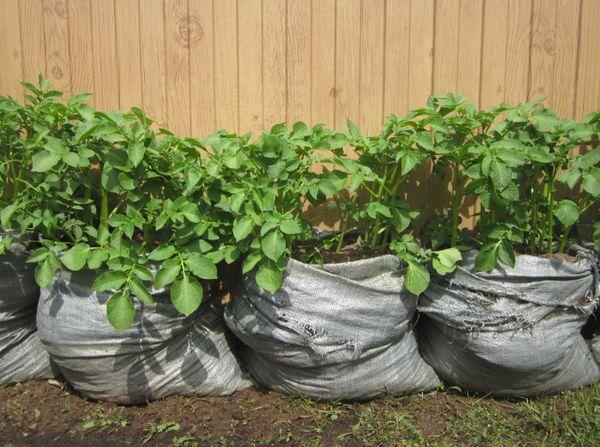
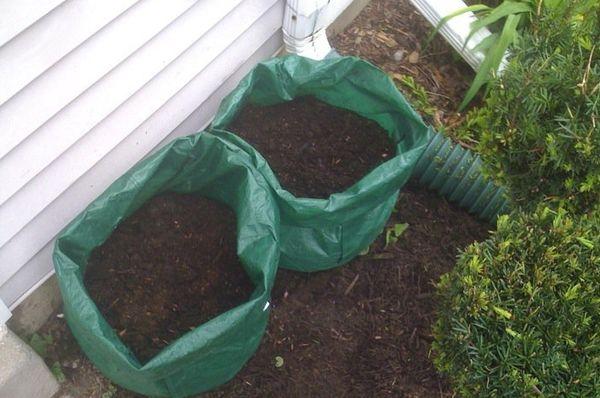
Once the required number of bags have been prepared, a location for their placement is chosen. The cucumber growing area should be in partial shade, but the plants should still receive sunlight. Hay, straw, or debris (such as branches, sawdust, or wood chips) are placed at the bottom, and the bag is then filled halfway with soil.
Once the containers are ready, they are placed in a row, either dug into the ground or using special trays for stability. The prepared bag is left for a few days to allow the soil to warm up.
Preparing fertile soil
Planting cucumbers in bags filled with fertile soil requires following certain soil preparation guidelines. To ensure a successful harvest, select soil that meets the following criteria:
- 10 kg of soil;
- 12 kg of humus;
- a tablespoon of superphosphate;
- a glass of wood ash;
- a teaspoon of potassium fertilizer.
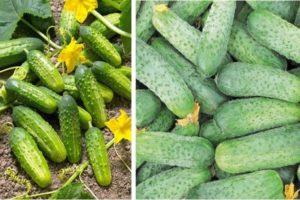
Mix all the ingredients thoroughly, and fill the remaining portion of the bag. Once the bag is filled with soil, take a stick up to 2 meters long and insert it into the center of the soil. You should also use a pipe sealed at the end with multiple holes for watering.
Planting cucumbers
Sowing and growing cucumbers requires following certain rules. A step-by-step algorithm will prevent crop diseases and increase seed germination.
Seeds
Planting cucumbers from seeds should be done after the planting material has been processed. To prepare the seeds, follow these steps:
- Dry the seeds on a radiator.
- Prepare a saline solution and place the planting material in it. This will help remove any unsuitable specimens that float to the surface.
- Wrap the material in a napkin and place in the refrigerator for 24 hours.
- Place seeds in a manganese solution to reduce the risk of disease.
Plant the seeds in the bag after the soil has warmed up. Open the bag and make several holes in the soil. Place the seeds in the holes and water them. Then cover them with soil. Make several slits in the bag.
Seedlings
To grow cucumbers using seedlings, you must first germinate the seeds and grow the seedlings in a greenhouse.
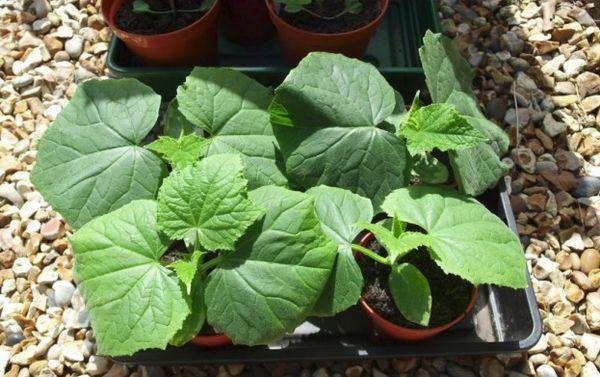
To ensure that the cuttings are resistant to diseases and have strong roots, you should:
- fill plastic cups with soil mixed with humus;
- make holes in the bottom of the glass;
- each cup contains two sprouted seeds;
- the glasses are placed in a warm place and watered regularly;
- After the seedlings appear, one seedling must be left, the second is removed so that it does not consume nutrients;
- After the third leaf appears, the seedlings are planted in a bag of soil.
To prevent root damage during planting, water the seedlings. Then, using scissors, carefully cut the bag open and remove the seedling along with the soil. Place the seedling in the prepared hole and cover with soil.
Important: Gardeners use peat pots to grow seedlings. This method is not suitable for cucumbers in bags, as the peat can acidify the soil and cause rot.
Further care of cucumbers
Once the seedlings are planted, they need to be fully cared for. Timely fertilizing and staking are essential for their development.

Watering
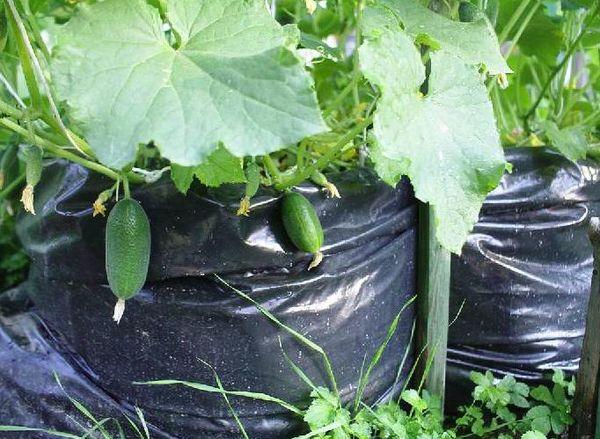
For watering, use a special perforated tube placed in a bag. Liquid is poured into the tube and evenly distributed throughout the soil. Watering should be done every three days.
Fertilizers
It is recommended to fertilize cucumbers with liquid solutions, applied to the soil using hollow irrigation tubes. Superphosphate can be used, dissolved in warm water, and then watered. Manure, dissolved in water and applied to the soil, can be used every 10-15 days.
If cucumbers are grown in a greenhouse, it's important to regularly inspect the plant's leaves and prevent potential diseases. Potassium chloride and urea can be used as fertilizer in greenhouse conditions.
Bush formation
To prevent the plant from damaging its shoots, it's important to monitor the bush's proper development. No more than three seedlings should be planted per bag. The main stems of the plant should be regularly tied to a wooden pole. Side shoots should be drooping downwards, as they are responsible for the emergence of vegetables.
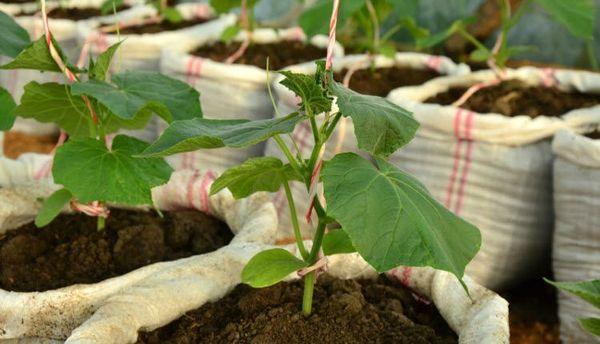
If the plant grows excessively, pinching the stems is necessary. Failure to tie them up promptly leads to shoot damage and crop failure. According to gardeners, tying up the plant is done on average every three days.
Protection from diseases and pests
Plants grown in this way are susceptible to diseases, including:
- Powdery mildew appears as white spots on leaves. It is caused by excessively humid air and pathogenic fungi that thrive in moisture. Fungicides are recommended for treatment.
- Rot can appear on both shoots and fruits. To eliminate it, remove the damaged part and treat it with a mild solution of potassium permanganate.
- The appearance of brown spots can be removed using a copper oxychloride solution.
Unlike plants planted in open ground, cucumbers in bags are less susceptible to disease. However, when the first symptoms appear, they require treatment; otherwise, the vegetables may die.
Harvesting and storage
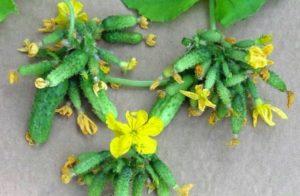
Harvesting is easy, as the vegetables are suspended and visible among the leaves. Cucumbers should be harvested daily to ensure new fruit sets.
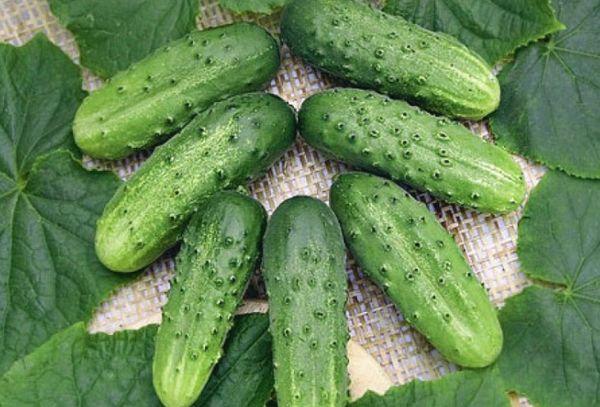
Cucumbers can be stored for a long time in a cool place. They can be used for pickling and preserving with vinegar.
Problems with planting cucumbers in bags
To grow cucumbers in bags, you must follow all the step-by-step care recommendations. Problems that may arise include:
- Insufficient soil moisture in the bag.
- Lack of sunlight - occurs when cucumbers are grown indoors; such plants develop poorly and often wilt.
- Too many seedlings in one bag—the plants don't have the necessary space. Therefore, no more than three cuttings are planted.
- Lack of the required amount of heat.
In some areas where the soil doesn't warm up well, large black garbage bags can be used instead of bags. This will allow the soil to absorb sufficient heat.
Growing cucumbers in bags is a cutting-edge technology that not only saves space but also allows for early harvesting in greenhouses. Cucumbers grown this way have excellent flavor and are suitable for further processing.
Related posts:
 How to plant grapes step by step, with a description of the process and care
 How to properly plant cucumbers in open ground with seeds, and at what depth
 How to care for cucumbers in open ground from planting to harvesting
 How to propagate and grow peas, cultivation technology, and care in open ground
 Description of unusual methods for planting and growing cucumbers
 How to properly plant peas in a greenhouse and open ground
 Description of the best varieties of Chinese cucumbers, planting, growing and care
 How to plant, grow, and care for cucumbers outdoors in the Moscow region
This method is controversial due to its accessibility. I think it can be safely used where there's no available land, where space is limited, but that's not the case in Russia, right? And then, how do you monitor soil temperature? It's better to grow cucumbers in greenhouses, or even in open ground. Everything has been tried and tested there for years, and there's plenty of experience. Growing in bags is a bit of a gamble when you want to try something new.