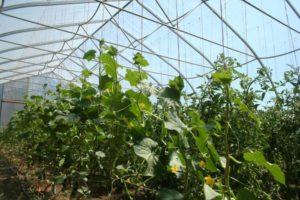
Ajax cucumbers are a new variety developed by Dutch breeders. In 2000, the variety was included in the Russian State Register. This variety can be grown in garden plots and on private farms.
What are Ajax cucumbers?
The characteristics and description of the Ajax f1 variety indicate that it is suitable for fresh consumption, as well as for salting and pickling.
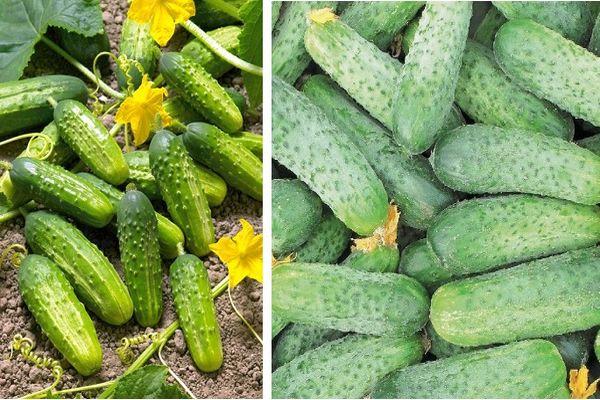
Cucumber Ajax f1 has the following features:
- This type of plant requires pollination by bees, so it is better to plant the crop in an open space.
- Indeterminate plant.
- Powerful bushes have high climbing ability.
- The leaves are medium-sized, green, slightly wrinkled.
- The bushes can reach large sizes, so it is better to tie them to a support.
- Without garter, the yield will decrease.
- The Ajax cucumber variety produces a small number of side shoots.
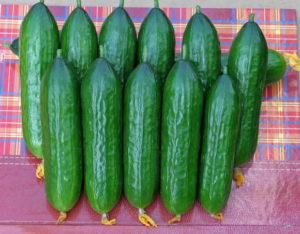
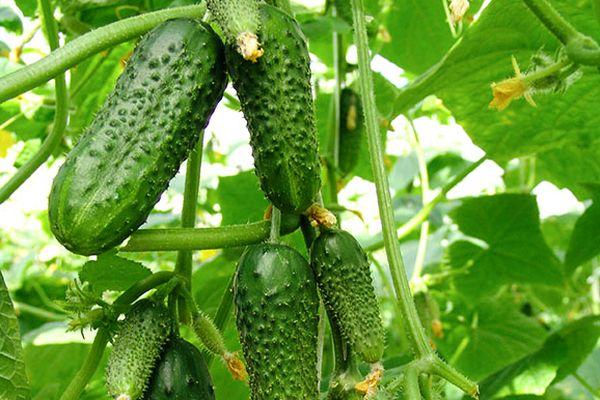
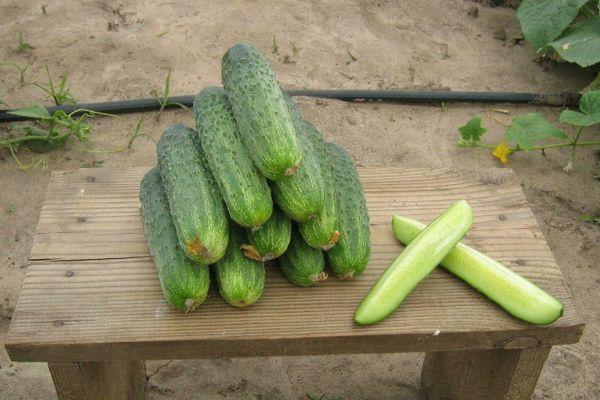
- The cucumbers have a cylindrical shape, a bumpy surface, and a rich green color.
- The top of the fruit is light-colored. The cucumber is about 12 cm long and weighs about 100 g. The taste is not bitter.
- The yield is high. With proper care, up to 5 kg of fruit can be obtained per square meter.
- The bushes bear fruit before frost sets in. The vegetable ripens early.
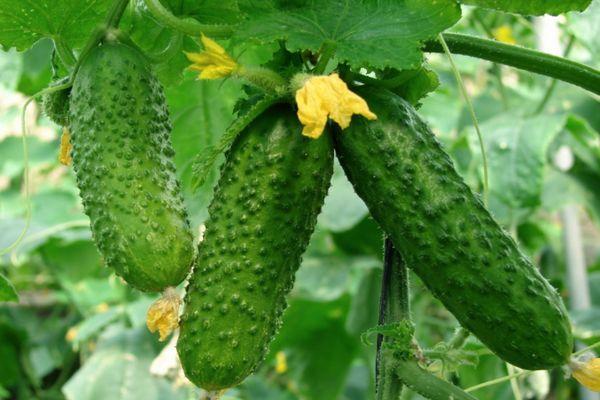
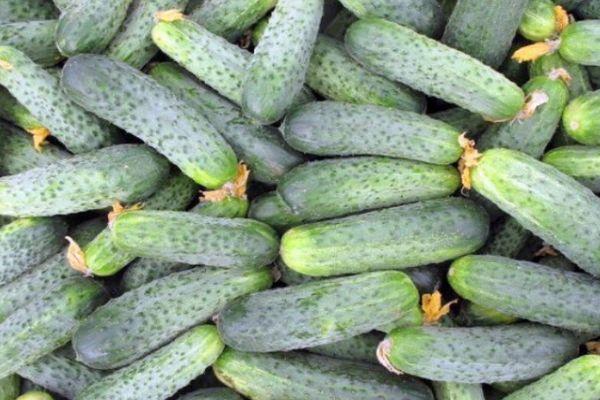
Gardeners' reviews of this variety are positive. The plant tolerates temperature fluctuations well. This crop is resistant to cucumber diseases such as brown spot and powdery mildew. The fruits can be stored for a long time without yellowing. They have a good marketable appearance and are easy to transport.
Advantages of the variety:
- resistance to cold and heat;
- good yield;
- disease resistance;
- long shelf life;
- good transportability;
- versatility in application;
- ease of care.
Flaws:
- not suitable for planting in a greenhouse;
- taste qualities are normal;
- the skin is too thick.
How to grow cucumbers?
Let's explore how to grow cucumbers and consider the specifics of plant care. To ensure a bountiful harvest, prepare the soil in the fall. Fertilize the soil with organic matter, including compost or peat. Then, loosen the soil.
If you didn't fertilize the soil in the fall, you can do so in the spring. Once there's no longer any risk of frost, you can plant the plant outdoors. In this case, the soil should warm up to +15…+18ºC.
Before sowing, the soil should be watered and loosened. Seeds should be purchased prepared for planting, treated with disinfectants and growth stimulants. If you purchased unprepared seeds, you can perform the necessary steps yourself.
First, soak the seeds in a weak solution of potassium permanganate. Then, sprout them in damp cheesecloth. Once the seeds have sprouted, harden the seedlings. To do this, take the containers out into the cold. After this hardening, you can plant the seedlings in open ground. First, loosen the soil, make holes in it, and water them. Then, plant 2-4 seeds per hole, deepen them to a depth of 2 cm, and cover with soil.
If every seed sprouts, the seedlings should be thinned out. To increase yield, fertilize the plants with organic fertilizer once every 2-3 weeks. Fertilizer should be chlorine-free. Weeding and loosening the soil should be done periodically.
Water the bushes regularly, in the evening, with settled water. Branches should be tied up to prevent gray mold. To ensure a high yield, cucumbers should be picked daily. The fruits should be picked carefully to avoid damaging the ovaries. If you follow the recommendations above, you can get an excellent harvest.
Related posts:
 What fertilizers and when to use for feeding tomatoes in a greenhouse
 What is the best way to feed tomato seedlings to make them plump?
 Rules for growing tomatoes in open ground, choosing a variety, planting and care
 How to properly plant cucumber seedlings at home and what to feed them with
 The benefits and harms of ginger for the female body, medicinal properties and contraindications
 How to prepare tomato seeds for planting seedlings
 The benefits and contraindications of lentils for the human body
 Planting and caring for arugula in open ground, description of the best varieties and their cultivation