
- Necessary conditions for growing cucumbers
- Comfortable climate: humidity, lighting, temperature
- Loose soil
- Complete feeding
- Correct placement
- Proper watering
- Ventilation
- Growing cucumbers in a greenhouse
- Seed preparation
- Growing seedlings
- Preparing the soil in the greenhouse
- Planting seedlings in beds: planting technique
- Pinching and shaping shoots
- Pollination
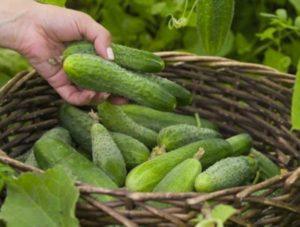
- Harvesting and storage
- Common diseases and insect pests: control methods
- The nuances and advantages of growing crops in polycarbonate greenhouses
- What problems might you encounter?
- Cucumbers with bitterness
- The fruits grow slowly
- No ovaries
- The lower branches are drying out
- Drying of lower leaves
- Invasion of aphids or greenhouse whiteflies
- Powdery mildew
In cooler regions or for easier care, many gardeners prefer to grow cucumbers in a polycarbonate greenhouse. By creating the right conditions in a greenhouse, you can harvest a large crop with excellent flavor.
Necessary conditions for growing cucumbers
To ensure vigorous growth and consistent fruiting of cucumbers in a greenhouse, it's essential to provide favorable environmental conditions within the greenhouse. Growing in comfortable conditions, the plants will be less susceptible to disease, and care will be straightforward.
Comfortable climate: humidity, lighting, temperature
Creating a suitable microclimate in a greenhouse is one of the most important tasks, requiring the simultaneous monitoring of several factors. Humidity in a cucumber greenhouse should be between 85-90% on a sunny day and 70-80% on a cloudy day.
To increase atmospheric humidity in a greenhouse during hot weather, water the soil, avoiding drafts. In rainy conditions, humidity should be reduced by heating and ventilating the greenhouse. Ventilation is best done during light winds.
Cucumbers are sun-loving crops and require good lighting. When growing cucumbers in a greenhouse, supplemental lighting is required after the first shoots emerge. To accelerate growth and increase the yield, LED lights can be installed inside the greenhouse. It is important to ensure that the plants are in complete darkness for at least six hours a day to ensure proper biological processes.
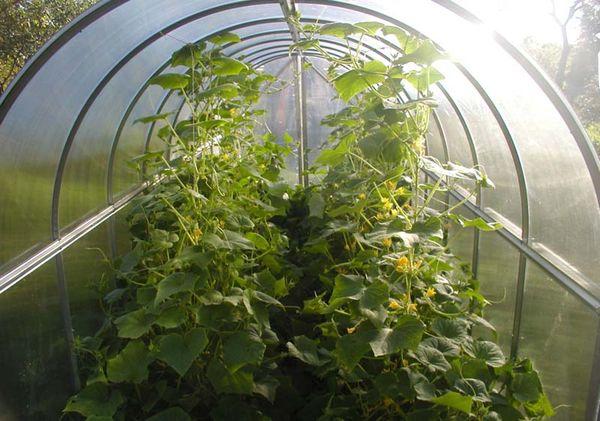
Until the first shoots appear, the greenhouse temperature should be between 25-28 degrees Celsius. Once the stems begin to emerge from the soil, the temperature should be lowered to 20-22 degrees Celsius. The optimal nighttime temperature for the first few days after germination is 16-17 degrees Celsius, and during further growth, 19-20 degrees Celsius.
Loose soil
Throughout the growing season, greenhouse cucumber care should include loosening the soil. This procedure is necessary for the following reasons:
- all layers of the soil are well aerated;
- the risk of root rot is reduced;
- gas exchange in the upper soil layer increases;
- nutrients penetrate to the roots faster.
Complete feeding
Just like when grown in garden beds, greenhouse cucumbers require fertilizer. At different stages of growth, the vegetable crop requires specific nutrients. In particular:
- at the beginning of seedling development, the roots intensively absorb nitrogen, which ensures active growth and increase in green mass;
- when forming shoots and ovaries, plants in the greenhouse are fed with potassium;
- By the time of fruiting, there is an additional need for nitrogen to improve the taste of vegetables and the growth of new shoots.
Correct placement
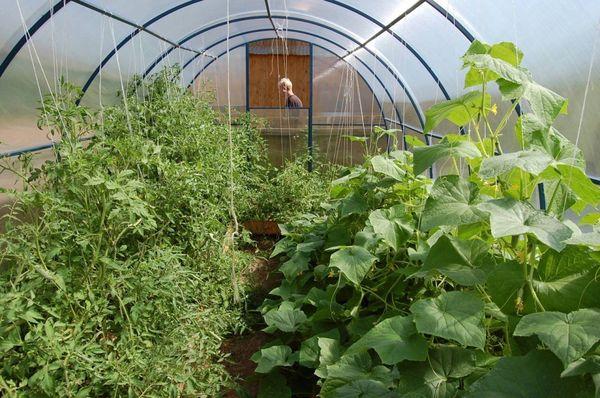
It's recommended to arrange cucumber beds inside a polycarbonate greenhouse in a north-south orientation. If the greenhouse's dimensions allow, it's better to create three narrow beds rather than two large ones. When placing seedlings, consider the expected plant height, the cucumbers' tolerance to cold, their overall hardiness, and the tolerance of neighboring crops.
Proper watering
Watering cucumbers in a greenhouse Watering is performed at all stages of development. Proper plant irrigation requires several considerations. From the moment the seedlings are transferred to the greenhouse until inflorescence appears, moderate watering is required, using 4-5 liters per square meter of soil. This will help the plants develop fruit more actively and prevent excessive foliage.
When cucumbers in a greenhouse begin to form their first buds, the amount of water used for irrigation is doubled. Always take into account the ambient temperature and soil conditions. If the soil dries out quickly and the crop begins to wilt, an unscheduled irrigation is necessary. Insufficient moisture leads to slow plant development, while excess water causes root rot.
Ventilation
Regular ventilation of the greenhouse is essential for the proper development of cucumbers. Ventilation promotes air circulation, which allows for:
- maintain optimal temperature conditions;
- harden plants and increase their immunity;
- reduce the risk of pest infestations and the spread of infections;
- increase the fertility of cucumbers.
Growing cucumbers in a greenhouse
When planning to grow vegetables in a greenhouse, it's important to familiarize yourself with planting and care techniques in advance. This will help avoid common mistakes.
Seed preparation
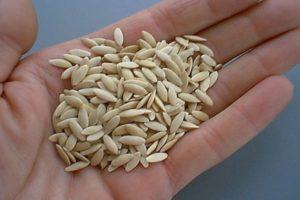
Seeds require preliminary preparation before cultivation. First, all cucumber seeds are carefully inspected to select only healthy specimens. Seeds with obvious damage, signs of rot, or an unnatural color should not be used for greenhouse planting.
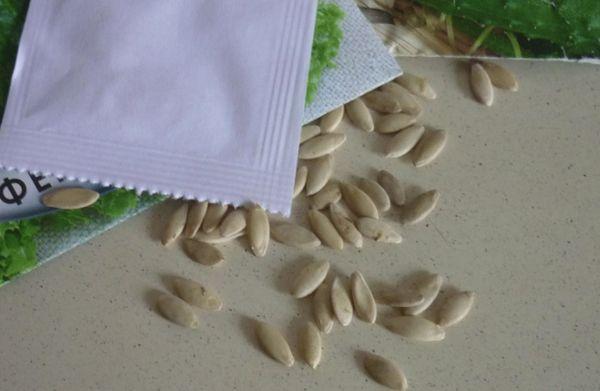
Cucumber seeds of suitable appearance are disinfected by soaking them in a potassium permanganate solution for 2-3 hours or by placing them in an oven and heating them at 40 degrees Celsius. After treatment, the seeds are soaked, which accelerates germination while preserving the protective layer.
To soak the seeds, place them in a container and add enough water to cover them. Continue soaking for 1-2 days until the outer shell cracks slightly.
Growing seedlings
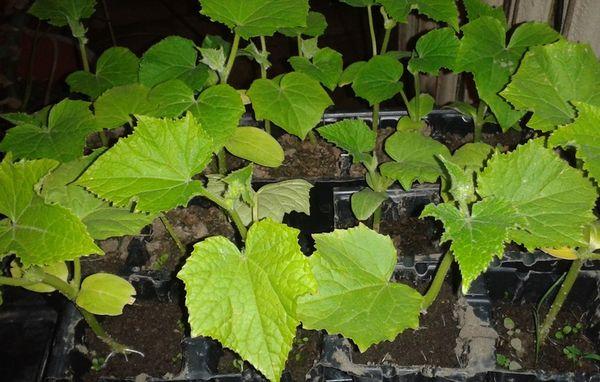
Cucumber seeds for seedlings are sown a month before transplanting to the greenhouse. Use 10 x 10 cm containers for seedlings. After placing the seeds in the pots, they are tightly packed together and covered with plastic film. Maintain an ambient temperature of 25-27 degrees Celsius (77-80 degrees Fahrenheit) for germination.
Once the first shoots appear, remove the plastic wrap from the seedlings. Water the seedlings with warm water, and as the stems develop, rearrange the plants to prevent the leaves from touching each other. To be transplanted to their permanent location, cucumber seedlings should have 5-6 true leaves, several tendrils, a thick stem, and well-developed roots.
Preparing the soil in the greenhouse
Cucumbers prefer well-drained, fertile soil rich in organic matter. Before planting seedlings in greenhouses, the soil is cleared of weeds, thoroughly tilled, and fertilized with organic matter. The surface of the soil is treated with a growth stimulant to promote vigorous seedling development. A few hours before transplanting, water the plants and dig planting holes appropriate for the pots.
Planting seedlings in beds: planting technique
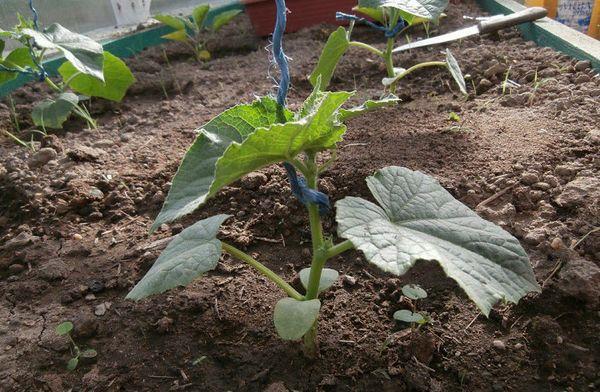
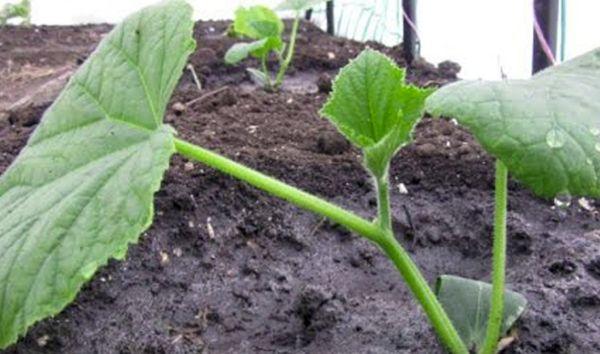
Cucumber seedlings are planted vertically, covering the peat pot or root ball with soil. If the seedlings have become slightly elongated, after planting, the stems up to the cotyledons are covered with a mixture of sawdust and peat. The seedlings are placed in the soil, spaced 50-60 cm apart. To ensure even sunlight coverage, it's best to stagger the placement of the seedlings.
Pinching and shaping shoots
One of the key agricultural techniques in growing cucumbers in a greenhouse are pinched Liana. The purpose of this procedure is to stimulate the growth of side shoots, which form the majority of female inflorescences. Pinching is performed after the bushes have 5-6 leaves. To shape the plants, all inflorescences, tendrils, and overgrown shoots must be removed from the axils of the lower leaves. In a greenhouse, side shoots should be removed several times a month.
Pollination
Certain cucumber varieties can only bear fruit if their inflorescences are pollinated. Pollination can be accomplished by attracting insects to the greenhouse or by hand. To attract pollinating insects, spray the plants with a special solution. To prepare it, mix 1 liter of warm water, a tablespoon of honey or candied jam, and 0.1 g of boric acid.
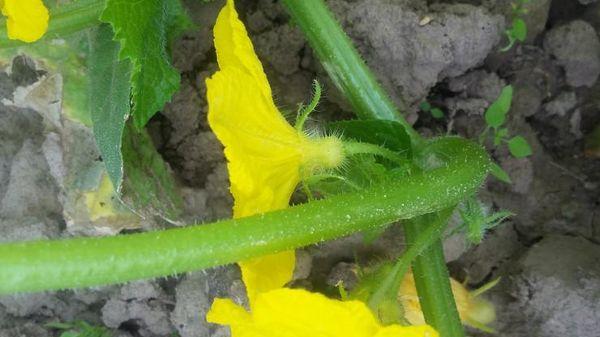
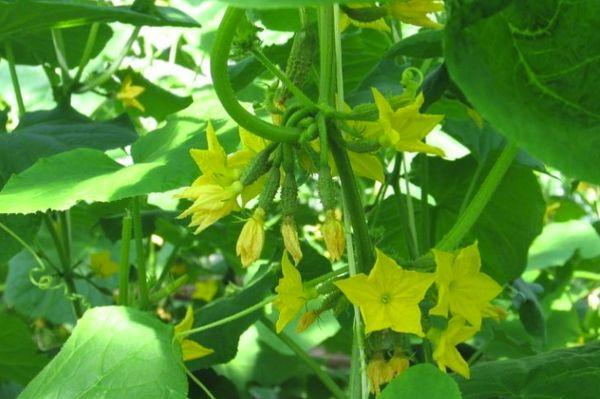
The manual method involves collecting pollen with a brush from male inflorescences and transferring it to female ones. Alternatively, you can pick male flowers and place them near the female ones. Pollinating inflorescences are located at the base of the stem and grow in clusters.
Harvesting and storage
Harvesting should be done regularly, preventing the fruit from becoming overripe. Cucumbers for fresh consumption and canning are generally picked slightly underripe. The best time to harvest is early morning or evening, when the fruit is at its firmest. Separate cucumbers from the vines with pruning shears or a knife, not by hand. The stems should remain attached to the vines, so avoid picking or twisting the fruit.
The harvested crop should be immediately placed in a cool place. For storage cucumbers are placed in plastic bags and keep them in the refrigerator. To preserve the vegetables' flavor, do not seal them tightly.
Common diseases and insect pests: control methods
Greenhouse cucumbers are most often attacked by aphids and whiteflies. Diseases that pose a threat to the crop include cladosporiosis, powdery mildew, and root rot. Pest and disease control involves spraying with insecticides and fungicides.
The nuances and advantages of growing crops in polycarbonate greenhouses
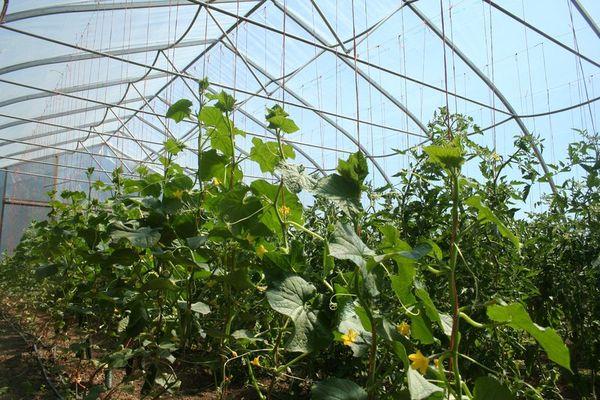
The main advantage of growing vegetables in a greenhouse is its simplified agricultural technology. With minimal labor, it's possible to obtain a large harvest. However, it's important to ensure favorable growing conditions, taking into account temperature and other factors.
What problems might you encounter?
When growing crops in a greenhouse, inexperienced gardeners who don't know many of the secrets often encounter problems. When planning your planting, it's worth familiarizing yourself with common challenges.
Cucumbers with bitterness
Bitter flavors in vegetables are caused by unfavorable environmental conditions. To prevent bitterness, ensure favorable temperature and light conditions and prevent soil drought.
The fruits grow slowly
Towards slow growth cucumbers are suffering from a lack of fertilizers In the soil. To quickly grow plants, it is necessary to use fertilizers and growth stimulants.
No ovaries
The lack of fruit set is often caused by improper pollination of greenhouse-grown cucumbers. If the variety requires pollination, it's important to attract bees or tend the plants manually.
The lower branches are drying out
Branches located closer to the base of the stem most often begin to dry out due to pest infestations or insufficient watering. If you notice signs of insect infestation, use insecticides, and if the soil is waterlogged, you can install a drip irrigation system.
Drying of lower leaves
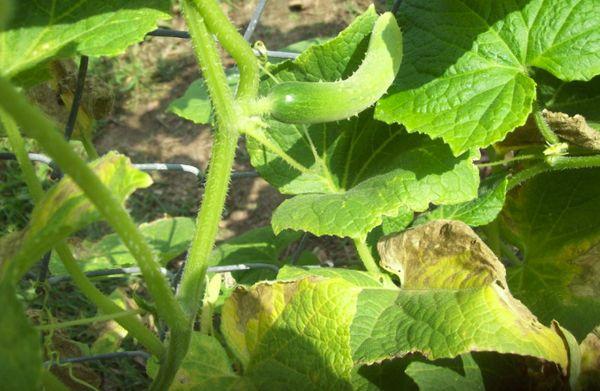
The foliage at the base of the plants begins to turn yellow and dry out for various reasons. This problem occurs due to excessive cold, improper watering, a lack of fertilizer, or damage to the cucumber roots. To prevent this, it's essential to provide maximum care and constantly monitor the condition of the seedlings in the greenhouse.
Invasion of aphids or greenhouse whiteflies
When pests infest greenhouse plants, they begin to chew through foliage and fruit. This pest attack results in reduced yields, poor flavor, delayed fruiting, and plant death. These insects can infest the above-ground portions of plants, and protective spraying should be applied immediately upon detection.
Powdery mildew
Downy mildew infection occurs as a result of excess air and soil moisture. To combat the disease, disinfect the soil with a solution of potassium permanganate or copper sulfate. Agronomic practices, including tillage, weed removal, preventative treatments, crop rotation, and careful selection of preceding crops, help reduce the likelihood of recurrence.
Related posts:
 The best eggplant varieties for growing in a polycarbonate greenhouse: planting and care
 How to properly plant cucumbers in open ground with seeds, and at what depth
 Description of the best varieties of Chinese cucumbers, planting, growing and care
 Description of unusual methods for planting and growing cucumbers
 How to properly plant cucumber seedlings in a greenhouse and care instructions
 How to make a cucumber trellis with your own hands from scrap materials
 How to plant grapes step by step, with a description of the process and care
 How to care for cucumbers in open ground from planting to harvesting