
- The role of microelements
- Lack of fertilizer in cucumbers
- Potassium deficiency
- Nitrogen deficiency
- Magnesium deficiency
- Calcium deficiency
- Boron deficiency
- Phosphorus deficiency
- Molybdenum deficiency
- Iron deficiency
- Deficiency of copper, zinc and manganese
- How to determine what cucumbers are lacking by looking at their leaves
- How to create a feeding schedule for greenhouse cucumbers
Micronutrient deficiencies in cucumbers come in two forms: chronic and temporary. The temporary form occurs during cold snaps, after transplanting seedlings to their permanent location. It is associated with disrupted root nutrition. The chronic form is observed when there are insufficient nutrients in the soil.
The role of microelements
Nitrogen is essential for vegetative growth. Its greatest need occurs in the first weeks after germination. During this time, cucumbers experience active leaf and shoot growth. Excess nitrogen causes the plant to become overweight.
All nutrients are used to form green mass. Flowering is limited, flowering is sluggish, and the yield is small. To ensure an environmentally friendly harvest, stop feeding cucumbers with nitrogen fertilizers during the fruiting period or use minimal doses.
Phosphorus (P) is essential at all stages of development. Its deficiency impairs mineral nutrition. This essential element is responsible for the development and functioning of the root system. It is important during various stages of development (flowering, ovary formation, fruit ripening).
Potassium (K) is responsible for the quality and quantity of fruit, its flavor, and shelf life. It influences immunity and adaptability. A deficiency results in poor ovary formation, and the fruit is tasteless, sometimes bitter. The plant requires the elements N, P, and K to the greatest extent, but other micronutrients are equally important for good yields.
Lack of fertilizer in cucumbers
Nutrient deficiencies in cucumbers occur when the soil is over-used and its fertility is not restored. This problem can be solved with simple and complex fertilizers.
Potassium deficiency
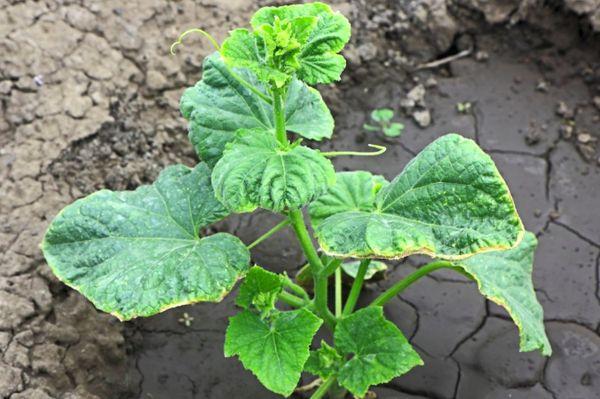
A deficiency of this element in the soil affects the harvest. Fruit is scarce and of poor quality. The vines grow heavily, but they fail to produce ovaries. The leaves turn dark green and develop a yellow, dry edge.
Bushes can be fed in three ways:
- Prepare an ash infusion. Stir 2 cups into 10 liters of water.
- Use a potassium salt solution. To prepare it, stir 3 tablespoons of fertilizer into a bucket of water.
- Take potassium magnesium sulfate and prepare a 1-3% solution. This fertilizer can be applied directly to the soil at a rate of 20 g/m². Do this several times throughout the summer.
Nitrogen deficiency
If this element is deficient, the plant lags in development. The stems are fibrous, long, but thin. The leaves in the lower tier are drooping. Those at the top of the bush have yellowed or begun to lighten. Ovaries are few, the fruits are small, and the flowers, conversely, are enlarged.
A mullein solution can solve the problem. Mix 1 part mullein to 10 parts water. To feed one cucumber plant, you'll need 1 liter of manure infusion. At the same time, spray the cucumbers with a 2% calcium nitrate solution once every 14 days.
Magnesium deficiency
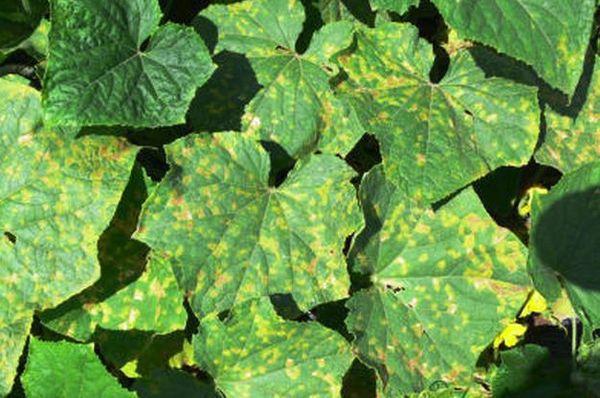
Uneven leaf coloring (light and dark spots) indicates a magnesium deficiency in cucumbers. Treatment is urgently needed. This element is essential for many biochemical processes, influences carbohydrate metabolism, and is found in chlorophyll.
The cause of these changes is a disruption in the complex process of photosynthesis caused by magnesium deficiency. To normalize nutrition, foliar applications of magnesium-containing fertilizers are used. Magnesium sulfate, potassium magnesium sulfate, and ash also help.
Calcium deficiency
Young, newly formed leaves can help identify a deficiency of this element. They have a dark green base, lighter edges, and thin light stripes visible between the veins. Calcium is involved in cell formation. A deficiency can cause ovary failure and deterioration of fruit flavor.
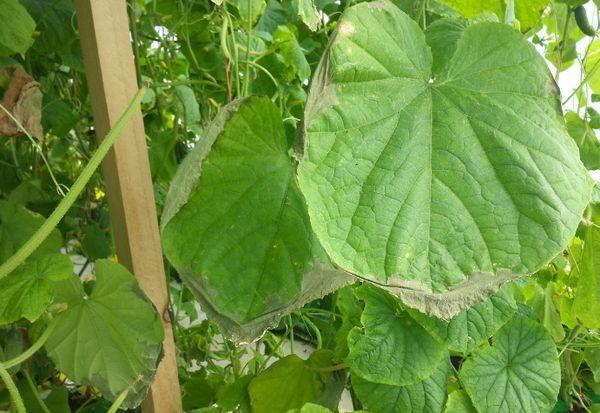
A calcium nitrate solution can eliminate calcium deficiency:
- water - 10 l;
- calcium nitrate - 25 g.
Calcium, or more precisely calcium carbonate, is found in ash, so dusting the garden bed and using ash infusions as fertilizer also solves the problem of calcium deficiency.
Boron deficiency
Boron (B) influences carbohydrate synthesis, which is why it affects fruit flavor. Its deficiency affects yield. Many fruit flowers appear empty, and the fruit becomes smaller. A deficiency can be caused by a number of factors:
- heavy rains washing it out of the soil;
- land depleted by years of use;
- liming;
- excessive application of nitrogen, phosphorus, and potassium fertilizers.
Gardeners supplement cucumbers' needs for this element with boric acid. This micronutrient stimulates root growth, strengthens shoots, promotes bud and ovary formation, and facilitates nitrogen absorption. Using boric acid in a greenhouse or vegetable garden can increase yields by almost 20%.
Phosphorus deficiency
If some leaf edges are brownish or many leaves are dead, the bushes need immediate treatment with a superphosphate infusion. It dissolves in hot water, so steep 5 tablespoons in boiling water overnight, then pour the concentrate into a 10-liter bucket of water in the morning.
Molybdenum deficiency
Vegetable crops growing in acidic soil suffer from molybdenum deficiency. Sulfate fertilizers can cause this deficiency, as they acidify the soil. High manganese concentrations can trigger molybdenum deficiency.
Symptoms of molybdenum deficiency appear on older leaves. They develop yellow spots, the edges dry out, and curl upward. The problem can be alleviated by adding phosphorus fertilizers.
Iron deficiency
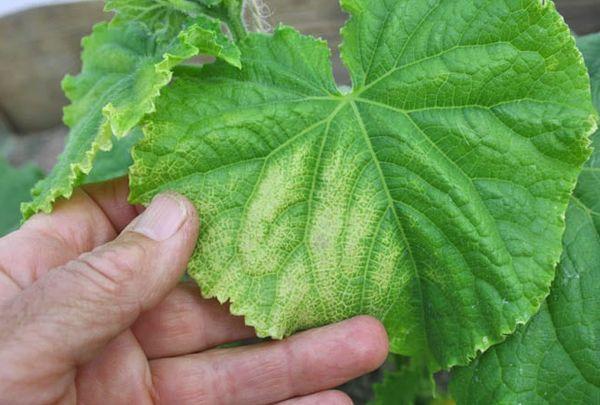
Iron deficiency can be replenished with ferrous sulfate. To prepare a solution, dissolve 5 g of the powder in 10 liters of water. You can recognize starving bushes by the light yellow, almost white leaves located at the top of the stem.
Take a look Also
Deficiency of copper, zinc and manganese
Weak, limp shoots, pale leaves, and falling buds indicate a copper (Cu) deficiency. If the plant receives too much of this element, its leaves will begin to fall off.
Asymmetrical leaf blades and a yellowish discoloration of young leaves are signs of zinc deficiency. These symptoms are too subtle to be detected by an inexperienced gardener. Signs of boron and manganese deficiency can arise from excess calcium.
A lack of manganese will affect the size of fruits and the growth of shoots.This element directly affects respiration and is involved in the absorption of carbon dioxide. A deficiency is indicated by the appearance of individual light spots on the leaves growing at the top of the stem.
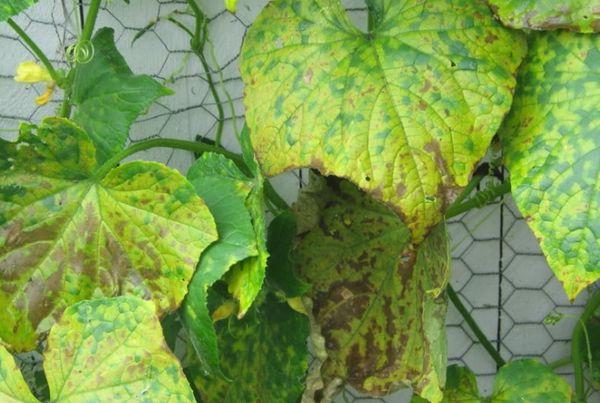
How to determine what cucumbers are lacking by looking at their leaves
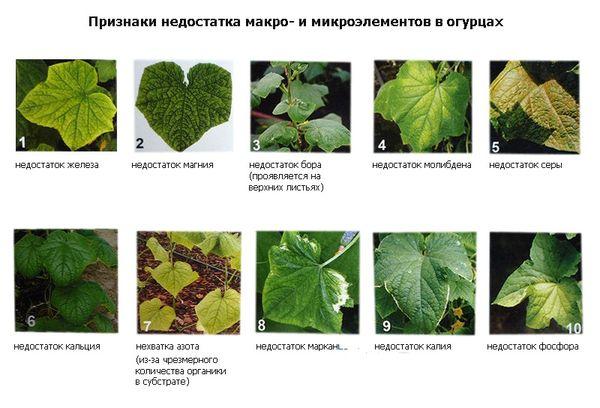
Many factors influence cucumber nutrition: soil composition and structure, weather conditions, and ground temperature. Nutritional imbalances affect the cucumbers' appearance. Their leaves change color and size. It can sometimes be difficult to pinpoint exactly what they're lacking.
Making the correct diagnosis is much faster if you have reference photographs of cucumber leaves in front of you, clearly showing the deficiency of a particular element.
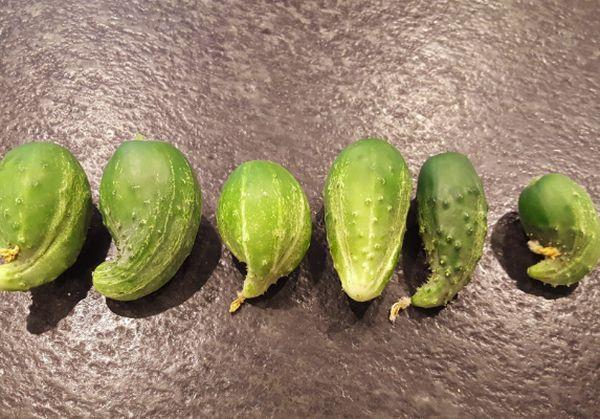
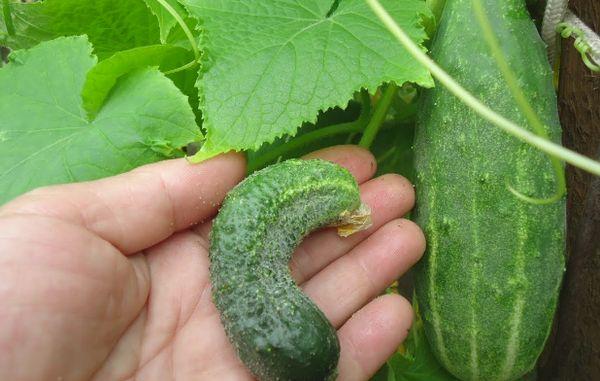
During fruiting, the appearance of the cucumbers can also indicate a deficiency of nutrients:
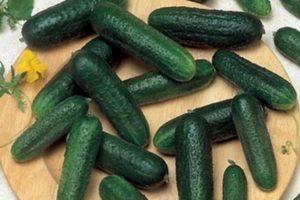
- cucumbers look like a pear - not enough potassium;
- The cucumber resembles a carrot, it narrows at the base and thickens at the stalk, which means the cucumber bush is not getting enough nitrogen.
Crooked fruits can also be caused by other reasons. If they are narrowed in the middle, they are suffering from a large difference between night and day temperatures. If their shape resembles an arc, it means they are not being watered regularly.
Ash helps correct potassium deficiency. Use one half-liter jar per 10 liters of water. Let it steep. The recommended rate of ash infusion is 1 liter per plant. Nitrogen deficiency in the soil is corrected with ammonium nitrate:
- water 10 l;
- ammonium nitrate 3 tbsp.
Experts recommend fertilizing cucumber bushes with complex fertilizers. Determining the exact cause of lack of fruit set, yellow spots, brown edges, and other changes in cucumber leaves is difficult. Ammophoska is the most popular multi-component fertilizer among amateur vegetable growers, containing a complex of NPK.
How to create a feeding schedule for greenhouse cucumbers
A comprehensive approach to cucumber nutrition is essential to avoid problems with the appearance, health, and yield of cucumber plants. A table will help you create a proper fertilizer application schedule. It takes into account all stages of cucumber development. The formulas are designed for root application.
| Composition No. | Ingredients of the composition | Phase |
| 1 | Urea - 15 g | 2-3rd sheet |
| Double superphosphate - 25 g | ||
| Potassium sulfate - 15 g | ||
| Water - 10 l | ||
| 2 | Nitrophoska - 30 g/m² | 3-4th sheet |
| 3 | "Aquarin" - 5 g | |
| water – 10 l | ||
| 4 | "Agricola-5" for cucumbers - 2 tablespoons per 10 liters of water | |
| 5 | "Agricola-5" for cucumbers - 2 tablespoons per 10 liters of water | Budding |
| 6 | Double superphosphate - 25 g | |
| Potassium sulfate - 20 g | ||
| Ammonium nitrate - 15 g | ||
| Water - 10 l | ||
| 7 | Potassium sulfate - 1 tsp. | Bloom |
| Superphosphate - 1 tsp. | ||
| Urea - 1 tsp. | ||
| 8 | "Effekton-O" - 2 tbsp. | |
| Water - 10 l | ||
| 9 | Boric acid - 0.5 g | |
| Manganese sulfate - 0.4 g | ||
| Zinc sulfate - 0.1 g | ||
| Water - 10 l | ||
| 10 | Potassium nitrate - 30 g | Fruiting |
| Urea - 50 g | ||
| Ash - 1 tbsp. | ||
| Water - 10 l |
Cucumbers respond well to foliar spraying with nutrient mixtures. You can use a proven method. It consists of three stages. The first occurs at the beginning of flowering. All the solution ingredients are given for 10 liters of water:
- potassium permanganate - 12 crystals;
- boric acid - 1 tsp.
The second stage of fertilization occurs during the initial fruiting phase. At this time, the bushes should be sprayed with a daily ash infusion. It is prepared from 10 liters of water and 1 tablespoon of ash. The third stage coincides with the decline in yield. Cucumbers in the greenhouse are revived with a urea solution. 15 g of urea per 10 liters of water is needed. Fertilizer should be applied to the roots after watering. Spray the cucumber leaves before 11 a.m.
Related posts:
 How to care for cucumbers in open ground from planting to harvesting
 Why do cucumber leaves curl inward and what to do about it?
 Description of unusual methods for planting and growing cucumbers
 Description of the best varieties of Chinese cucumbers, planting, growing and care
 Why cucumber leaves are drying out and what to do, how to treat them in a greenhouse and in the ground
 How to make a cucumber trellis with your own hands from scrap materials
 How to properly plant cucumbers in open ground with seeds, and at what depth
 How to properly plant cucumber seedlings in a greenhouse and care instructions
Thank you. I read it with interest. I liked the ready-made fertilizers.
Hello, Tamara! Thank you for your feedback. We strive to provide the best experience for every visitor to our portal.
Please contact us if you have any questions.