
The Marmande tomato was developed by Dutch agrobiologists and was introduced over 20 years ago. It is popular due to its early ripening, consistent yield, excellent flavor, and resistance to nightshade diseases.
Benefits of Tomatoes
Marmande seed packaging may list the name Super Marmande, which is the same plant.
The Marmande tomato variety, described as early ripening, begins bearing fruit 85-105 days after germination. The variety is characterized by a long harvest period of 45-60 days.
The plant is indeterminate and non-standard, reaching a height of 100-150 cm during the growing season. The leaves are dark green and regular in shape. This variety is suitable for open-ground cultivation. It produces fruit successfully in all soil types and in all regions.
Vegetable growers' reviews indicate that even in risky farming zones, this variety can be successfully grown under temporary plastic shelters. This tomato isn't a hybrid, so it's possible to harvest seeds for sowing next season.
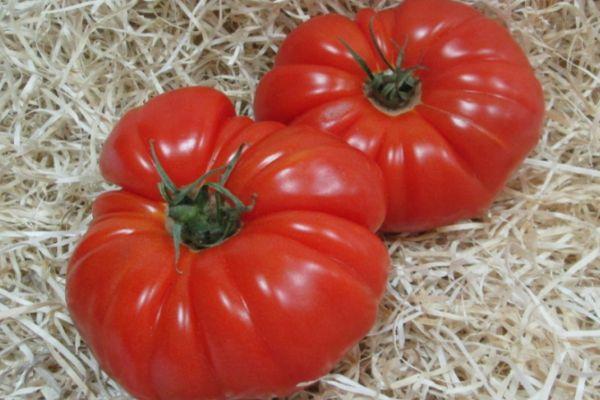
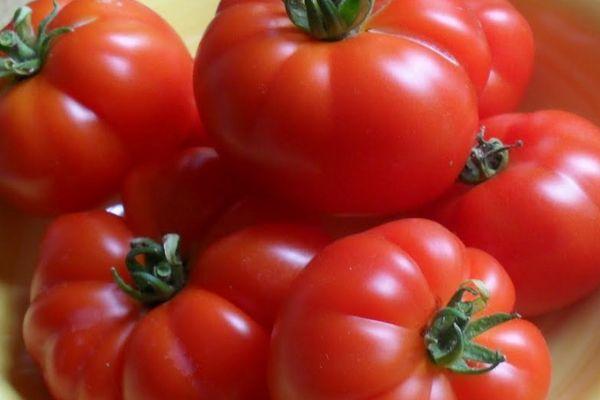
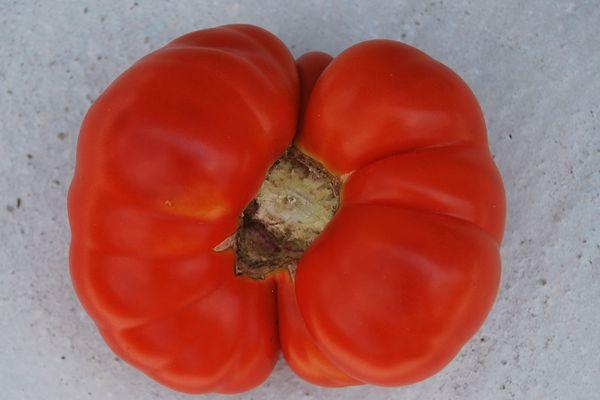
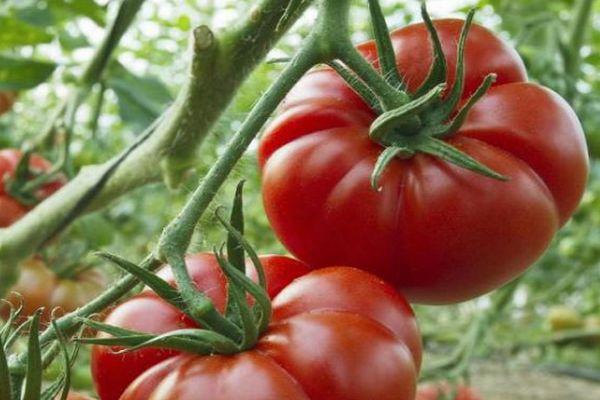
The bush produces simple inflorescences, each with up to 4-5 ovaries. Marmande tomatoes are flat and round, with ribbing near the stem. At the technical ripeness stage, they acquire an intense red color. The variety description indicates that the fruits retain their shape as they ripen.
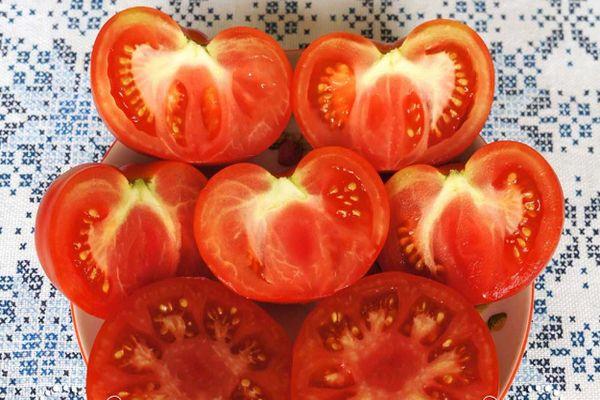
The fruit weighs 160-180 g. They have a glossy surface, fleshy flesh, a delicate sweet flavor, and a rich aroma. When cut horizontally, chambers containing a small number of medium-sized seeds are visible. They contain a low dry matter content.
The tomato's characteristics highlight its resistance to fusarium, verticillium wilt, and a number of other nightshade diseases. The variety's characteristics and description point to high yields and the potential for commercial cultivation for early harvest.

Ripe fruits can be stored for a certain period and withstand transportation well. In cooking, tomatoes are used fresh in summer salads, as well as for canning, processing into sauces, and juice.
Cultivation techniques for the variety
The Marmande tomato cultivation technology requires moderate fertilization. The variety's creators warn that excessive application of mineral fertilizers can trigger the development of additional shoots and foliage. This negatively impacts yield.
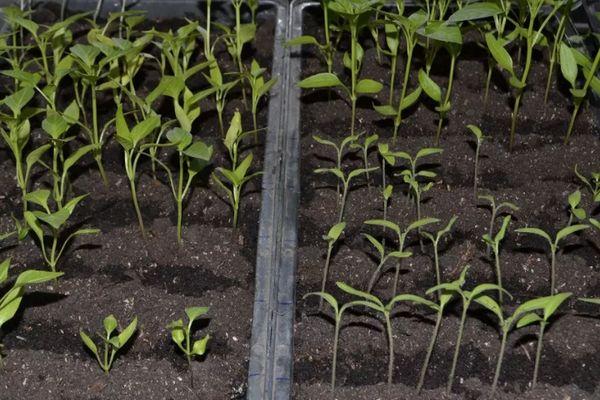
The variety is grown using seedlings or by sowing the seeds directly into the soil. The choice of cultivation method affects the ripening time of the fruit. To obtain high-quality seedlings, seeds are sown in the first half of March.
Tomatoes prefer loose, nutrient-rich soil. To provide the seedlings with the necessary growing conditions, you need to prepare a potting mix. Ready-made soil can be purchased at specialized retailers.
Before planting, treat the seeds with an aqueous solution of potassium permanganate and a growth stimulant. Home-collected seeds should be screened using a solution of table salt and water. This will cause poor-quality seeds to rise to the surface.
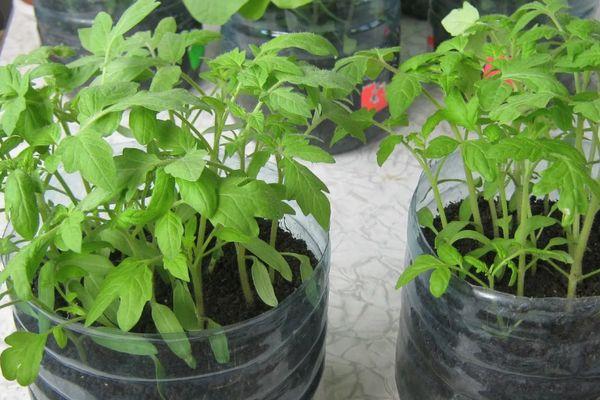
The soil is poured into special containers, lightly compacted, and watered with warm water. The seeds are planted 3-4 cm apart and covered with a 1 cm layer of peat moss through a sieve.
After watering with a spray bottle, cover the container with glass or plastic wrap until the seedlings emerge. For normal seedling development, ensure a temperature of 22–23°C and access to sunlight.
When sprouts appear, lower the air temperature. This prevents the seedlings from stretching. Caring for seedlings involves timely watering, which is done as the surface soil dries out. The plants are fed with wood ash.
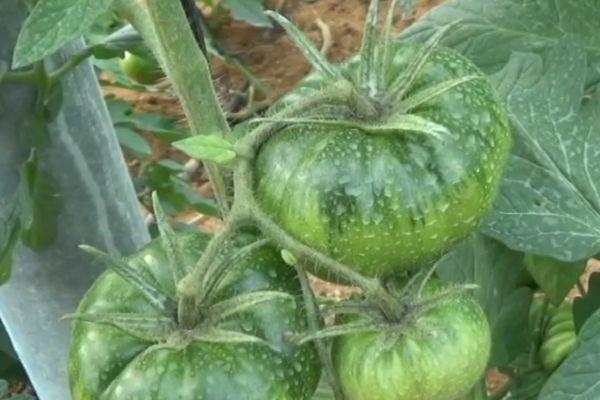
When 2-3 true leaves have formed, transplant the plants into individual pots. Use containers with a capacity of 500-700 ml. The transplanting process stimulates root development and ensures each plant has access to air and light.

Harden off the plants 7-10 days before planting them in their permanent location. To do this, place the seedlings outside, gradually increasing the time spent outside from 10 minutes to several hours. If the seedlings are being grown in urban areas, place them on a balcony or simply open a window to allow air to enter.
Tomatoes are planted in the garden after the last spring frosts. Choose a sunny location for the tomatoes. The best predecessors for the crop are carrots, cabbage, and cucumbers.
It's recommended to plant 7-9 bushes per square meter. Add humus, peat, and wood ash to the prepared holes, and fill them with hot water. Once the soil has cooled, plant the seedlings, water them, and tie them to the support.
The plant is trained into 3-4 stems. Bushes are formed after the plant has established roots in its new location. Excess shoots are removed throughout the growing season. To increase yield, foliage is mechanically removed from under the established inflorescences.
Further care of the crop consists of:
- in irrigation;
- weeding;
- in loosening the soil;
- top dressing;
- disease prevention.
This tomato variety reacts negatively to excess moisture and adapts more easily to drought. Mulching is used to ensure drip irrigation.
Related posts:
 Description of the best ultra-early tomato varieties for open ground and greenhouses
 Description of the 90 best varieties of beans for open ground with names
 80 Best Eggplant Varieties for Different Regions with Descriptions and Characteristics
 The best grape varieties for growing in the Urals, planting and care rules in summer
 Is it possible to soak treated cucumber seeds before planting and how to do it correctly?
 Descriptions of the 20 best cherry varieties for the Moscow region, their planting and care
 Description and characteristics of the best seeds of pea varieties and types
 Description and characteristics of the most productive varieties and hybrids of corn