
The Rio Grande tomato is one of the low-maintenance varieties, requiring little attention or time. With regular watering and fertilizing, yields increase significantly. This is what attracts both professional farmers and novice gardeners.
Description of the variety
Rio Grande tomatoes are the result of the painstaking work of Dutch breeders. They can be grown both outdoors and in greenhouses. The bush has few leaves, and its shoots reach no more than 70 cm. Pinching, supporting, or tying these tomatoes is not necessary. A single shoot produces up to 10 ovaries.
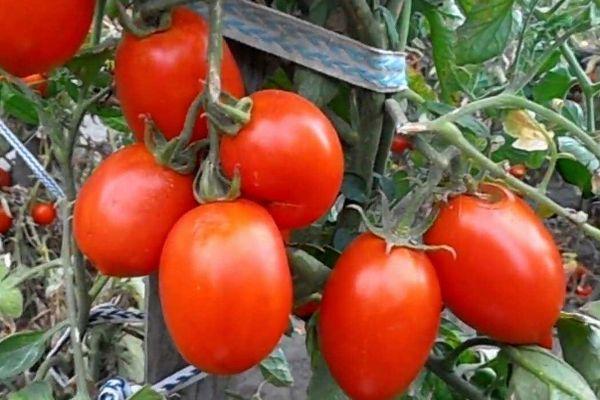
These tomatoes have a medium ripening period, with the period from germination to first harvest being 110 to 120 days. Fruiting and harvesting last from June to September. This variety is often confused and referred to as the Rio Sprint F1 tomato. However, these are two completely different tomatoes, differing both in appearance and ripening time.
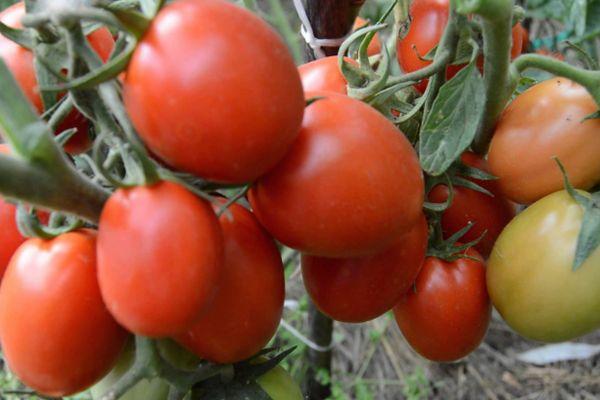
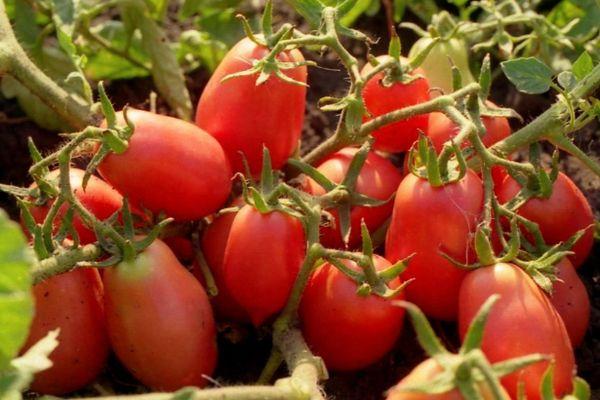
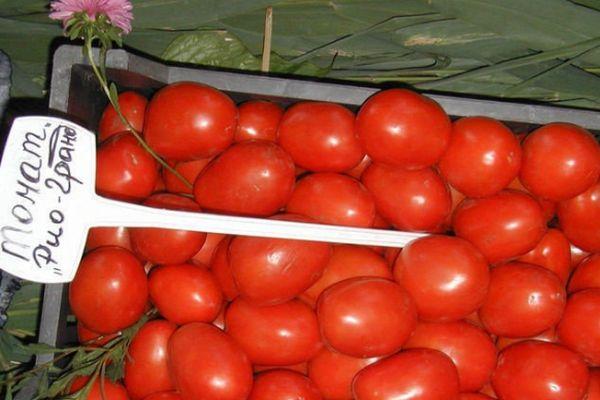
The fruits of the Grande Original are small, weighing up to 150 grams, but still fleshy. They have a strong, classic aroma. The seed chambers are small. The tomatoes are slightly elongated, resembling an oval. At the technical ripeness stage, the tomatoes are a rich red color, which is why gardeners often call them Red Grand.
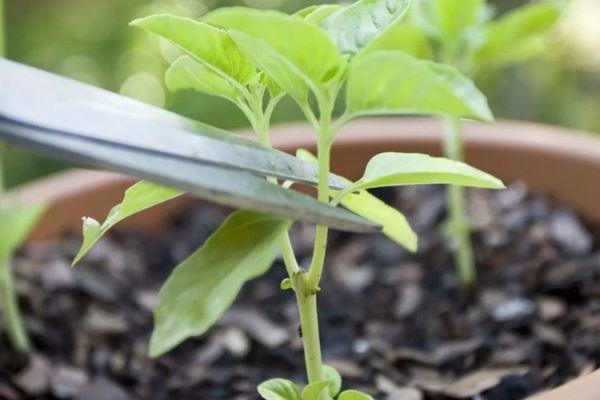
The flesh is firm, with a characteristic sweet-and-sour flavor. The variety description states that the fruit has a thick skin that prevents cracking even in adverse weather conditions. The dry matter content is high.
The Rio Grande tomato is characterized by a small, compact plant that requires no staking or support. This variety is grown for both personal consumption and commercial production. Harvested tomatoes can be eaten fresh or used for all types of processing and canning.
Growing
The variety's characteristics suggest that this tomato is suitable for both seedling and direct sowing. In warmer climates, seeds are sown directly into the garden, while in colder climates, pre-growing seedlings is essential. Sowing in this case occurs in March.
To grow seedlings, prepare light, loose soil in advance. Commercially available soil or a mixture of manure and turf can be used.
Important! Before sowing, seeds are pre-treated with potassium permanganate. This kills pest larvae and disease spores.
Furrows about 2 cm deep are made in the soil and the seeds are sown. Cover the seedlings with plastic wrap and place them in a well-lit area at a temperature of 25°C (77°F). As soon as the first shoots appear, remove the plastic wrap. Regular watering is not necessary for tomatoes; a simple misting with water is sufficient. If the room has insufficient light, install lamps above the seedlings to provide additional light. Otherwise, the seedlings will stretch and die.
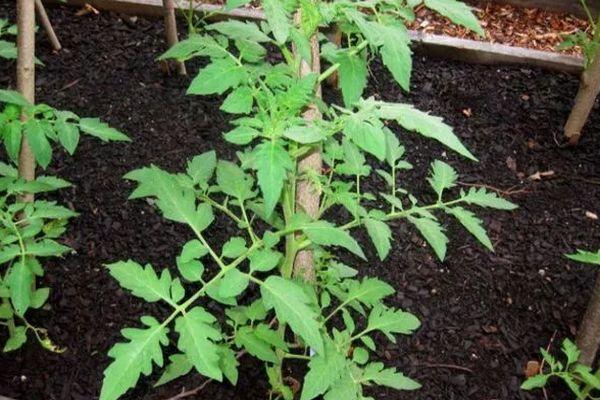
Once the tomatoes have grown, they are transplanted into a greenhouse or into open ground. In the latter case, wait until the threat of night frost has passed. The ideal age for transplanting tomato seedlings is considered to be 1.5 months. No more than four plants are planted per square meter.
Rio Grande tomato seeds are sown in the garden only when the soil warms up to +12 C. This usually occurs in late April or early May.
Care Features
With proper care, this tomato variety can significantly increase yields. Plants require consistent watering, fertilizing, weed control, and pest control. The description of Rio Grande tomatoes indicates that they don't require mandatory side shoots, making the care process much easier for gardeners.
Tomatoes should be watered moderately. Severe water shortages can kill the plants, while overwatering can cause root rot and promote fungal diseases. In greenhouses, water tomatoes once a week at a rate of 5 liters per plant. Gardeners report that Rio Grande tolerates drought well, but the quality and quantity of fruit will decline sharply.

Care for this variety requires timely and proper fertilization. The first fertilization is done two weeks after planting the plants in their permanent location. A second fertilization is done two weeks later. The next fertilization is done during bud formation. The final fertilization is done during the fruiting period. In all cases, wood ash or mineral fertilizers are used.
Advantages and disadvantages
The variety's characteristics allow us to highlight the main advantages of the Rio Grande tomato variety:
- excellent taste of fruits;
- universal use;
- does not require mandatory pinching and tying;
- easy to care for;
- the fruits are well preserved and can withstand long-distance transportation;
- excellent yield and ripening of tomatoes throughout the entire gardening season.
No significant defects have been observed with these tomatoes. Gardeners note that the harvested fruits are somewhat dry compared to large-fruited varieties. However, this is fully compensated for by the excellent taste and strong aroma.
Pests and diseases
The Rio Grande tomato variety exhibits increased resistance to the following types of diseases:
- late blight;
- white rot;
- gray mold;
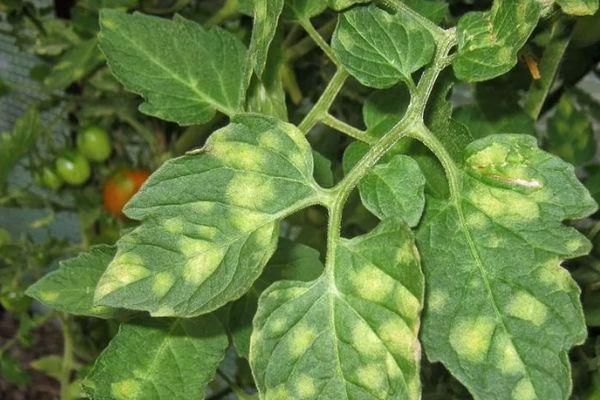
- mosaic disease.
To prevent other viruses and fungal diseases in the greenhouse, the soil should be replaced every year and treated with potassium permanganate and copper sulfate. In open ground conditions, crop rotation must be strictly observed. Treating tomatoes with Fitosporin has a good preventative effect.
Rio Grande tomatoes are rarely affected by aphids and slugs. If they are noticed, treat the tomatoes with a solution of ammonia and soap.
Harvesting and storage
Rio Grande tomatoes are harvested throughout the season. The fruits ripen gradually, providing gardeners with fresh tomatoes all summer long. Thanks to their excellent transportability and shelf life, they can be shipped long distances. Stored in a cool, dark place, the harvest can last for several weeks. To extend shelf life, tomatoes are harvested unripe.
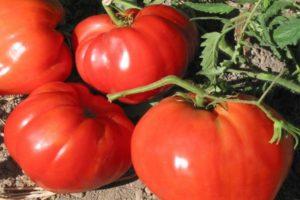
Rio Grande tomatoes are used to make delicious salads, soups, and sauces. Their juice is very thick and bright. Harvested tomatoes are also pickled, salted, and preserved whole. Rio Grande tomatoes are similar in shape to the Chico variety, but the latter is an early variety and not as widely used.
Gardeners' reviews
Throughout its history, Rio Grande tomatoes have become popular among gardeners. They are happy to share their feedback.
Vladimir Ivanovich, a seasoned gardener: "Growing tomatoes in our hot climate is difficult. I've tried many varieties, but only a few have stood the test and performed well. Rio Grande was among the best. Now I give it a spot in my garden every year."
Anastasia Filippovna, a summer resident: "I work, so I can't devote much time to the garden. I chose low-maintenance varieties that require minimal care. Rio Grande has now become my favorite. The harvest was excellent; I not only made ketchup and juice from the fruits, but also preserved them whole. Not a single tomato cracked."
Anna Sergeevna, owner of a private home: "I've been growing tomatoes for a long time. I love experimenting with different varieties. When I came across Rio Grande, I wasn't expecting anything special, but I planted it in my garden. I was pleasantly surprised by its high yield. The fruits, while not large, were very tasty. The experiment was a great success."
Related posts:
 Description of the best ultra-early tomato varieties for open ground and greenhouses
 Description of the best tomato varieties for pickling and canning
 Description of the Rio Fuego tomato: characteristics and cultivation of the variety
 Characteristics of the Trans Rio tomato and cultivation techniques
 Description of the best varieties of black tomatoes for open ground and greenhouses
 15 simple recipes for pickling tomatoes in jars for the winter
 Description and characteristics of the best tomato varieties for outdoor cultivation in the Urals
 The best eggplant varieties for growing in a polycarbonate greenhouse: planting and care
I recommend fertilizing seedlings with bioactivator "BioGrow"Then you won't encounter any diseases. I grow this tomato variety for canning, as the fruits grow quite small.