
The Verlioka tomato is a promising hybrid developed by Russian breeders. It is intended for growing in greenhouses or hotbeds. Outdoor cultivation is only possible in regions with warm climates. These early-ripening tomatoes ripen within 100 days from germination. This variety produces high yields even in low light and high humidity. These characteristics have earned the appreciation of amateur gardeners and vegetable growers. Verlioka's successor, Verlioka Plus, differs only slightly from its parent.
Description of the variety
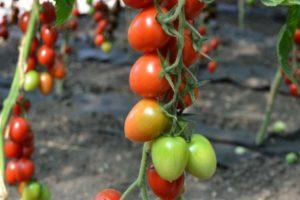
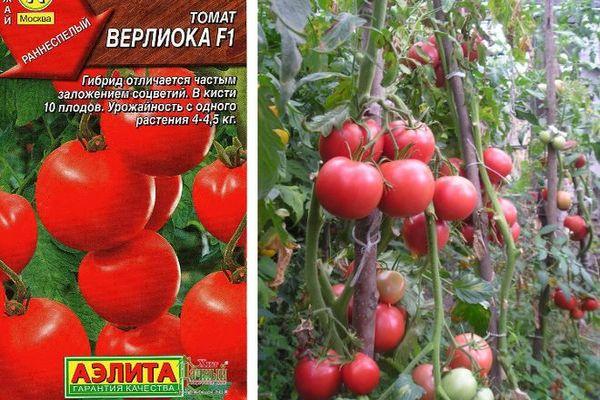
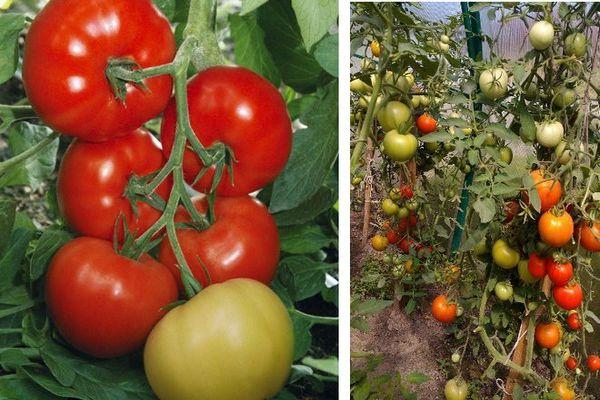
Verlioka produces excellent results when grown in greenhouses and plastic greenhouses. This first-generation hybrid grows up to 2 meters. The foliage is sparse, and the fruits are compactly arranged. Smooth, round tomatoes weighing 90–100 grams form clusters of 3–5. The bright red, glossy fruits have a rich, slightly sweet flavor. The juicy flesh is quite dense. The tomatoes are easy to transport, keep well, and are resistant to cracking. A single plant yields 4–5 kg of fruit.
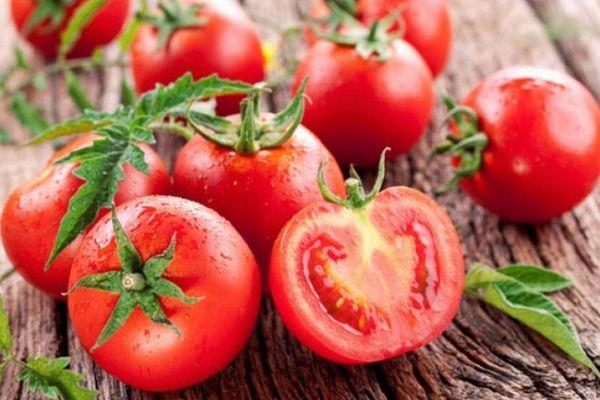
The Verlioka Plus variety rarely exceeds 150 cm in height and has a more compact bush than its predecessor. The fruit is flattened, with ribbing along the stem attachment. Each tomato weighs between 120 and 150 g.
Growing
Verlioka tomatoes achieve maximum yield by planting them using seedlings. Growing tomato seedlings is a laborious process that requires close attention and adherence to certain guidelines:
- Fertile, loose, and well-drained soil is ideal. Cucumbers, zucchini, cabbage, carrots, and legumes are considered the best predecessors for Verlioka Plus tomatoes. Planting in soil previously occupied by nightshades is not recommended.
- In the fall, till the soil and add compost, humus, or bird droppings. In the spring, avoid fertilizing with fresh manure, as it can negatively impact fruit set. Pay attention to soil acidity, adjusting it with liming if necessary.
- Up to 9 seedlings are planted per square meter.
Take a look Also
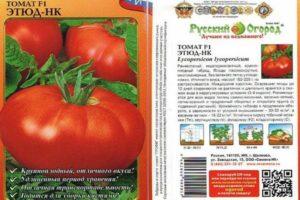
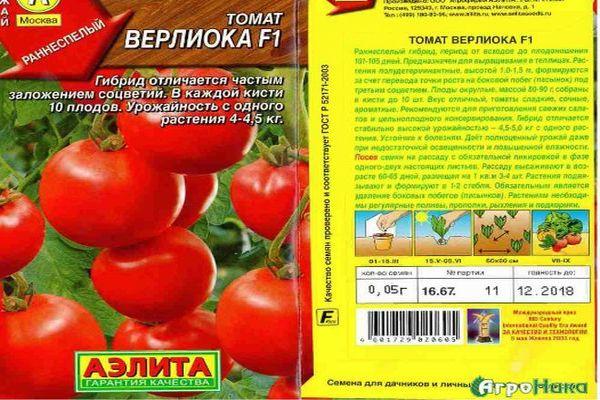
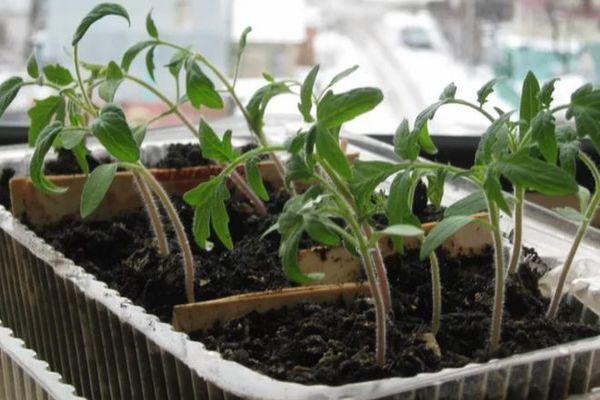
To grow vigorous seedlings, use one- to two-year-old seeds, soaking them in a growth stimulant solution for 12 hours before sowing. A good time to sow is mid-March to early April. Mix the soil with compost or humus, adding a small amount of superphosphate or ash. Plant the seeds 2 cm deep.
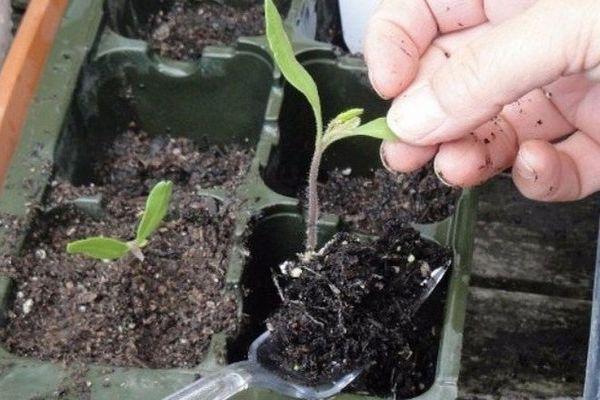
Place the boxes or containers in a dry room with a temperature of 25 degrees Celsius (77 degrees Fahrenheit). Seedlings require good lighting; high-power fluorescent lamps can be used. The temperature is then lowered to 20 degrees Celsius (68 degrees Fahrenheit). Once the leaves appear, the plants are transplanted individually. Transplanting to their permanent location occurs at two months of age.
Care Features
Planted in a greenhouse or under plastic, tomatoes require ample watering: 5 liters per plant. Mulching the soil will help prevent overheating and rapid moisture evaporation. Humidity levels must be monitored and a uniform temperature maintained to protect plants from late blight. Ambient air humidity should be maintained at 60%, and soil humidity should be maintained at 70–80%.
The optimal time for watering is considered to be in the evening. Use warm water. Modern gardeners often use drip irrigation systems, which provide tomatoes with measured watering and liquid fertilizer.
Verlioka f1 is a hybrid variety that requires timely pinching to form a single stem and two shoots, leaving 1–2 inflorescences on each. This will accelerate plant development, increase fruit yield, and improve fruit quality. After the inflorescences, there should be two leaves. Staking is essential for growing this tomato variety.
Fertilizing tomatoes Fertilization is carried out using mineral fertilizers (potassium salt, superphosphate), alternating with organic matter (cow dung, liquid manure). Number of fertilizing applications: 3-4 times per season.
Advantages and disadvantages
The characteristics of the variety contain many advantages:
- early maturity;
- excellent germination of seed material;
- successful formation of ovaries;
- uniform ripening of fruits;
- stable high yield;
- disease resistance;
- resistance to minor changes in microclimate and lack of natural light;
- universal use;
- the ability of fruits to ripen at home.
The disadvantages of the Verlioki variety include:
- demanding soil composition;
- the need for proper formation of bushes;
- short shelf life.
Pests and diseases
This tomato variety is susceptible to fungal diseases, rot, late blight, and brown spot. These diseases typically arise as a result of mistakes made during cultivation, such as overwatering, insufficient light, low temperatures, and poor ventilation.
The emergence of diseases is sometimes associated with poor crop rotation practices or the cultivation of beds adjacent to potato plantings. Important conditions for successfully growing Verlioka Plus tomatoes include regular weeding, loosening the soil, and avoiding work after rain or artificial irrigation, i.e., when the plants are wet. This applies to staking and pinching out side shoots.
Saving seedlings and young bushes from blackleg infestation involves applying wood ash immediately before planting. This is an important preventative measure, as the diseased plant dies. Ash also helps against blossom-end rot. In this case, spraying is recommended.
Phytophthora is afraid of copper-containing fungicides: Homa, Bordeaux mixture, copper sulfate.
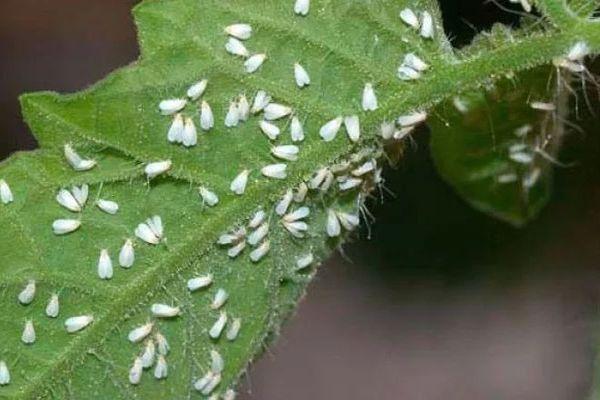
Greenhouse plants often fall prey to slugs and thrips, while in open beds, bushes are attacked by Colorado potato beetles and aphids. Flying insects are repelled with wormwood, garlic, and tobacco solutions, as well as insecticides. Spraying with a soap solution is used to control aphids.
Many diseases and pests will bypass tomatoes if you disinfect the soil before planting.
Harvesting and storage
The description of the Verlioka variety confirms its universal use, based on the quality and flavor of its fruits. Juicy, moderately sweet tomatoes are eaten fresh, as an ingredient in vegetable salads, and for winter preserves. These identical tomatoes are excellent canned and look beautiful in a jar. The firm skin prevents the fruits from bursting when steeped in boiling water.
Thanks to the juicy pulp, almost without voids, Verlioka fruits make excellent preserves:
- tomato paste;
- ketchup;
- juice;
- puree;
- sauces.
Verlioki's delicate flavor and pleasant aroma are preserved during cooking, making them ideal for first courses, gravies, vegetable stews, and stuffed vegetables. Sliced or diced tomatoes can be frozen.
Growing the Verlioka variety allows housewives to use fresh or canned tomatoes in summer and winter.
Planting this tomato variety is within the reach of both experienced and novice gardeners, and their efforts will be rewarded with a rich harvest of delicious and aromatic fruits.
Gardeners' reviews
The advantages of the Verlioka variety are confirmed by positive reviews:
Anna Petrovna:
"I've been planting Verlioka for about five years. During that time, I've learned to cope with the characteristic watery fruit: I stop watering the plants during the ripening period. The tomatoes respond to this by becoming sugary."
Andrey:
"These tomatoes have been established in our garden for a while now, so I'll share my observations: to ensure a good harvest, I reduce the amount of watering during cool and rainy weather, otherwise, the leaves grow vigorously instead of tomatoes. Otherwise, no complaints; my family loves these tomatoes in any form."
Inna Vladimirovna:
“No matter what the weather was, I was never left without a harvest!”
Pauline:
"I used to buy these tomatoes from my neighbor, thinking they were too much trouble to grow. But last year I asked for a couple of seedlings and found out they weren't difficult at all. They're a wonderful variety!"
Related posts:
 Description of the best varieties of black tomatoes for open ground and greenhouses
 Description of the best tomato varieties for pickling and canning
 How to choose the best tomato varieties for growing in Belarus
 80 Best Eggplant Varieties for Different Regions with Descriptions and Characteristics
 What varieties of tomatoes are best to plant in a polycarbonate greenhouse?
 TOP 17 recipes for pickled sweet tomatoes for the winter
 How to grow cherry tomatoes on a balcony: suitable varieties and planting and care guidelines
 The 14 Best Tomato and Aspirin Recipes for a 3-liter Jar for the Winter