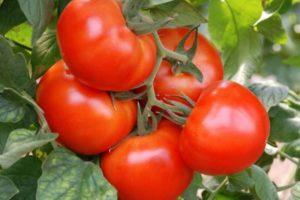
The Nonna M tomato is a hybrid that can grow and bear fruit regardless of climate and soil conditions. Its fruits withstand long-distance transportation well. It is recommended to grow this tomato in open ground in southern Russia, and in greenhouses and hotbeds in central and northern regions. Nonna M is eaten fresh, added to salads, and used to make juices, pastes, and ketchups. The berries are not suitable for whole canning.
Technical data of the plant
The characteristics and description of the tomato are as follows:
- Ripening from germination to full-fledged fruits takes 110-115 days.
- The plant's bushes range in height from 120 to 180 cm. The leaves on the stems are medium-sized and a standard green color. The inflorescences are simple.
- Nonna M tomatoes are shaped like a slightly elongated heart.
- The fruit weighs between 0.25 and 0.5 kg. Ripe berries are crimson in color. The flesh is dense, allowing the fruit to be stored in a cool place for 25-30 days.
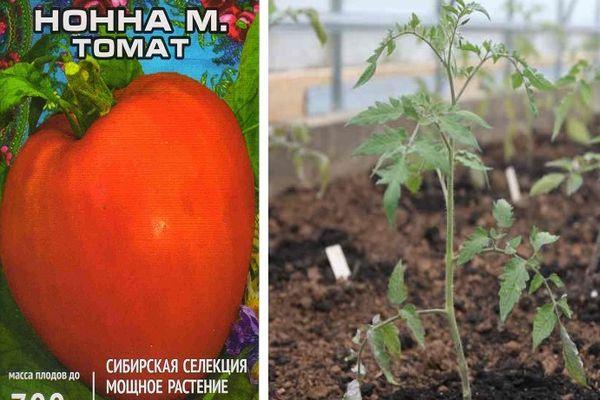
Reviews from gardeners growing the Nonna M variety indicate that plant yields reach up to 4-5 kg per plant. However, this figure is only achievable by following all cultivation practices and breeder recommendations. Most gardeners obtain between 3 and 3.5 kg per plant.
All farmers note the plant's undemanding nature and its ability to withstand extreme climate changes. However, the tomato does have its drawbacks, such as requiring 1-2 stems to be trained into a bush.
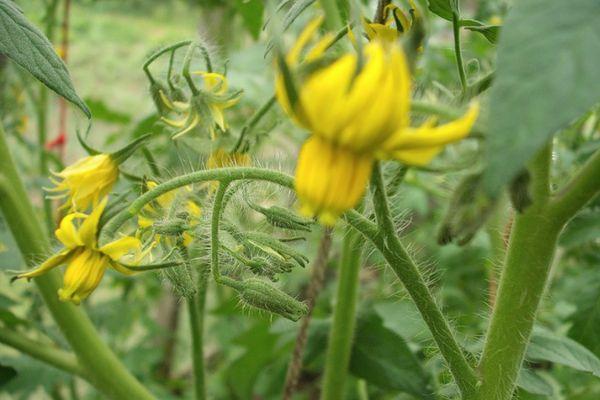
Nonna M is susceptible to virtually all tomato diseases. The plant is susceptible to late blight, blossom-end rot, tobacco mosaic virus, and other fungal and bacterial infections. Therefore, preventative treatments are required, including spraying the plants with medicinal agents to prevent the development of diseases.

How to get tomato seedlings?
After purchasing the seeds, disinfect them in a solution of hydrogen peroxide, aloe vera juice, or a weak solution of potassium permanganate. To discard the seeds, place them in warm water. Discard any floating seeds. Sow the remaining seeds in suitable containers with homemade or store-bought soil. Once sprouts appear, move the containers to a well-lit area. Water the seedlings and feed them with mineral fertilizer once a week.
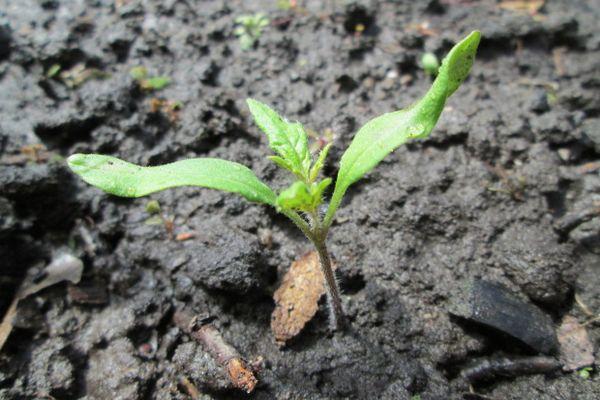
When the first leaves (1-2) begin to emerge on the tomato plants, they need to be pricked out. After the seedlings are 50-60 days old, they are hardened off for 14 days and then planted in their permanent soil. The exact timing of this process depends on the climate in the farmer's region.
When growing Nonna M, it's recommended to plant 4 to 6 seedlings per 1 m² of garden bed, training them into 2 stems. Immediately after this, tie the tomato to supports, as it won't be able to support the weight of the growing fruit.

Before planting in permanent soil, the beds should be loosened and a combination of mineral and organic fertilizers should be added. After planting, the root system of the bushes should be covered with soil and then watered thoroughly. A weak solution of potassium permanganate is recommended for disinfecting the beds.
Caring for plants before harvest
To maximize the harvest, water the bushes with warm, settled water 1-2 times a week. This should be done early in the morning, before sunrise. Avoid over-watering the soil under the bushes, as this promotes the development of certain diseases.
If the tomato is planted in a greenhouse, humidity can be regulated by ventilating the room. This measure will also help get rid of some garden pests.
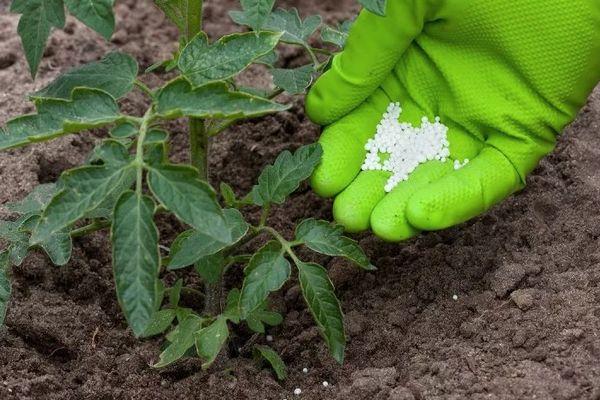
Fertilize tomatoes at least twice throughout the growing season. Initially, when the tomato plants are flowering, apply potassium nitrate, nitrogen fertilizers, and organic matter (peat, humus, and manure) to the soil. The next feeding is done when the first fruits appear. Complex mineral fertilizers containing phosphorus, nitrogen, and potassium are recommended. If the soil is poor, the frequency of feeding can be increased.
Loosening the beds is done once a week. This procedure helps oxygen reach the plant roots and eliminates some garden pests that infest tomato roots.
Weeding the beds eliminates the risk of late blight infection from weeds. If Colorado beetles, aphids, and other insects appear on your plants, they should be destroyed with chemical pesticides. If these aren't available, use copper sulfate or a soap solution. Spray these solutions on the leaves and stems of your tomato plants.
Related posts:
 Description of the best varieties of black tomatoes for open ground and greenhouses
 Description of the best Dutch tomato varieties for greenhouses and open ground
 Characteristics and description of the Sprut tomato variety, yield and cultivation
 Description and characteristics of the best indeterminate tomato varieties for greenhouses
 Description of the best tomato varieties for pickling and canning
 Description of blight-resistant tomato varieties for open ground and greenhouses
 The best varieties of low-growing tomatoes for a polycarbonate greenhouse
 Characteristics and description of the Sanka tomato variety, yield and cultivation