
- Advantages and disadvantages of dwarf tomatoes
- Features of growing low-growing varieties in greenhouses
- Popular determinate tomato varieties for greenhouses
- Big Momma
- Ob domes
- Alaska
- Little Red Riding Hood
- Betta
- Sanka
- Gift for a woman F1
- Supermodel
- Mystery
- Danko
- Honey cream
- Velvet season
- Aurora
- Which variety should I choose?
If a large greenhouse isn't available, you can grow low-growing tomatoes. Greenhouse-bred varieties (capable of self-pollination) produce abundant harvests with excellent flavor. The list of such varieties grows annually, and each has its own advantages and disadvantages.
Advantages and disadvantages of dwarf tomatoes
Low-growing tomato varieties have a number of advantages over their taller counterparts, which is why gardeners prefer them:
- early harvest ripening;
- friendly fruitfulness;
- high yield rates;
- excellent taste of fruits;
- good immunity to diseases;
- undemanding in care;
- compactness of the bush.
Among the disadvantages is the ability of some varieties to actively form side shoots. If a person does not intervene in a timely manner, the quality and quantity of the harvest will decrease, and it will not be possible to collect large and beautiful fruits.
Features of growing low-growing varieties in greenhouses
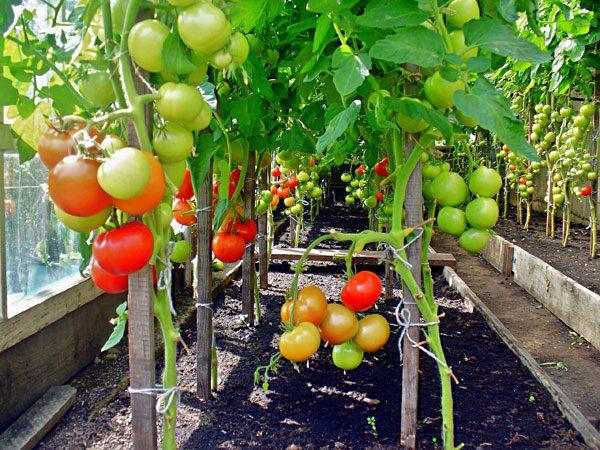
Polycarbonate greenhouses don't always have enough space to grow indeterminate tomato varieties, so gardeners are forced to look for alternatives. Early, low-growing varieties not only take up less space but also require less attention.
At the same time, you should not skimp on the purchase of seed material, but buy only high-quality seeds.
A few days before planting the tomatoes, loosen the soil in the greenhouse, add fertilizer, and dig holes. Leave at least 35 cm between the holes. Just before planting, pour a weak solution of potassium permanganate into the holes for disinfection. For non-standard tomatoes, pinch off the tops, and when side shoots appear, leave only three of them and remove the rest. Large-fruited, low-growing tomatoes need to be supported in a timely manner; otherwise, they will collapse under the weight of the fruit.
Popular determinate tomato varieties for greenhouses
Low-growing tomato varieties are divided into standard and medium-height. Their names typically don't provide this information, so it's important to read the specifications when purchasing seeds. Experienced gardeners have already tried both new varieties and proven ones, resulting in some of them enjoying increased demand. Year after year, they are given pride of place in the greenhouse and reap bountiful harvests.

Big Momma
A new variety bred in Russia, characterized by a branched stem and ultra-early ripening. The bush is not heavily foliated and requires staking and pinching. The average tomato weight is 300 g. The fruits are round, turning raspberry-pink when ripe. They can be used for both canning and eating fresh. The flavor of ripe tomatoes is excellent.
Ob domes
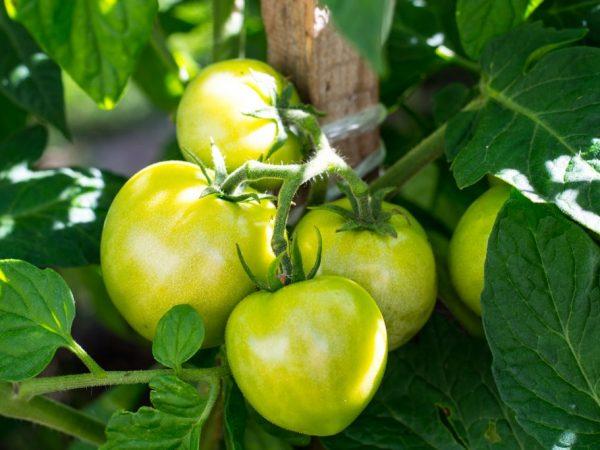
This hybrid produces a bountiful harvest only if its bush is trained into three stems. The maximum height of the plant reaches 0.7 m. The early-ripening tomatoes are persimmon-shaped and turn pinkish-red when ripe. The average tomato weight reaches 200 g, and the yield is up to 10 kg per square meter. The bush requires timely staking and removal of side shoots. The crop is versatile and suitable for transportation.
Alaska
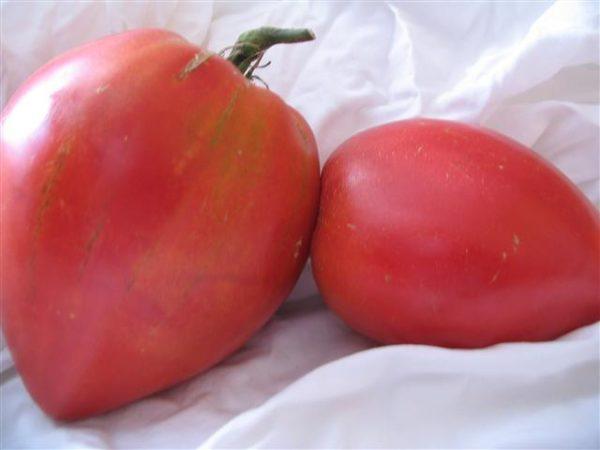
The early Alaska variety grows to a maximum height of 0.6 m. The average fruit weight is approximately 90 g. Its shape is round, and at technical maturity, the color becomes bright red. Ripe tomatoes have excellent flavor. This tomato requires removal of side shoots and timely staking. The plant has medium foliage and is very sun-loving. The yield per square meter is up to 14 kg of tomatoes.
Little Red Riding Hood
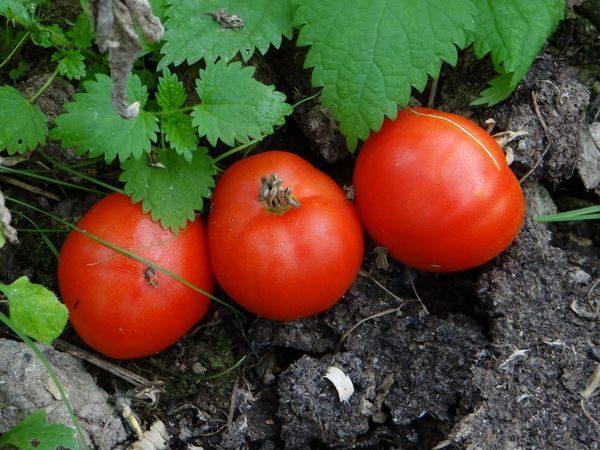
A German-bred variety, its real name is Rotkäppchen. This super-early tomato produces up to five fruits on a single cluster. The bush grows to a maximum height of 0.7 m. The fruits are small and round, averaging about 50 g. When ripe, they turn a beautiful red-orange color. Staking is not required. Each bush produces about 2 kg of tomatoes per season. The plant is suitable for growing in unheated greenhouses.
Betta
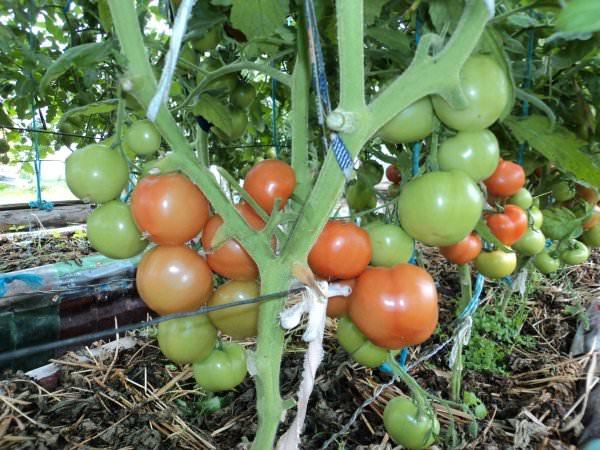
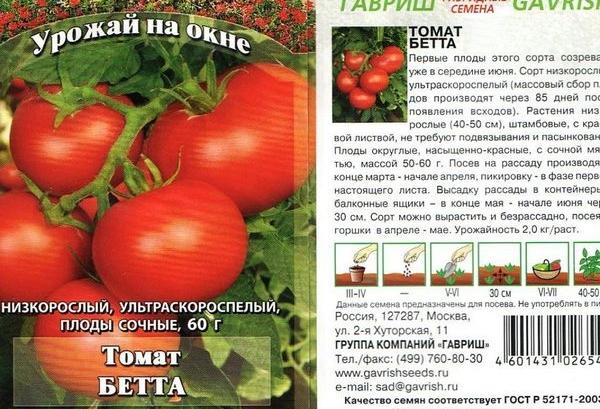
This ultra-early tomato produces round, slightly flattened fruits. It requires no staking or pinching and is low-maintenance. It is resistant to temperature fluctuations and cold snaps. The maximum height of the bush is less than 0.5 m. The tomatoes are small, weighing about 50 g, bright red, and very fleshy. The taste of ripe tomatoes is excellent.
Sanka
Since its introduction, this variety has quickly become a favorite among gardeners and continues to grow in popularity. The plant requires no staking or pinching. The harvest ripens extremely early, with up to six tomatoes forming on each truss. The maximum height of the bush is 0.6 m. This tomato is not a hybrid, so the planting material must be harvested locally. Fruits average 100 g in weight, and yield up to 15 kg per square meter. This tomato is resistant to low temperatures and low light, as well as common diseases and pests.
Take a look Also
Gift for a woman F1
A mid-season hybrid with increased disease resistance. Each bush produces over 30 fruits weighing up to 250 g. The harvest is suitable for juices, salads, and sauces. This tomato requires timely staking.
Supermodel
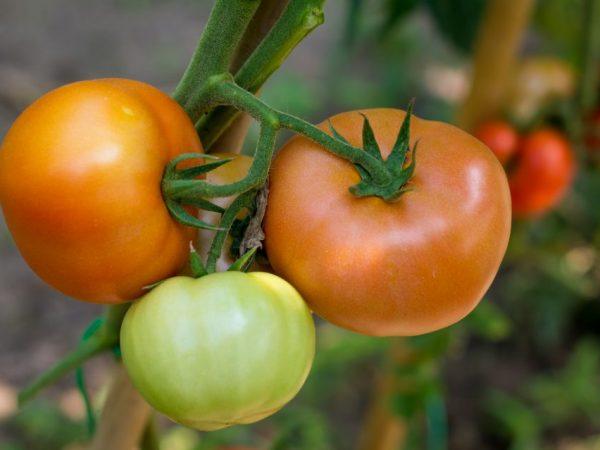
A mid-season variety. It produces plum-shaped fruits that sometimes become elongated. The average tomato weight is 100 g. When ripe, it turns bright red. The flesh is firm, and the flavor is excellent. Tasters note fruity notes in the taste. The maximum height of the tomato plant is 0.8 m. The yield is 8 kg of fruit per square meter.
Mystery
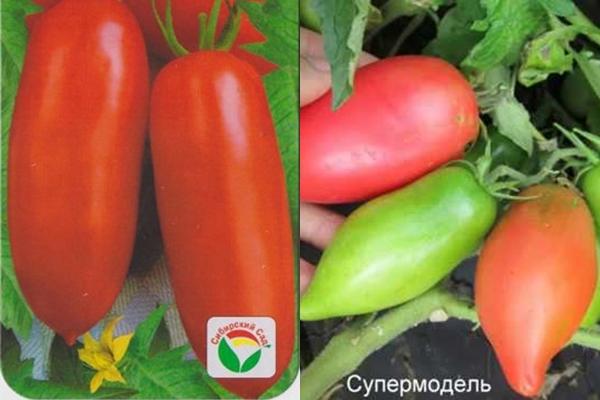
The most productive greenhouse variety, yielding up to 20 kg of tomatoes per square meter with six plants. This variety requires no staking or pinching and has a strong stem. The fruits are round and turn bright red when ripe. They average 100 g in weight and ripen very early. This tomato tolerates low light and is resistant to common infections and diseases. The harvest is suitable for long-distance transport and long-term storage.
Danko
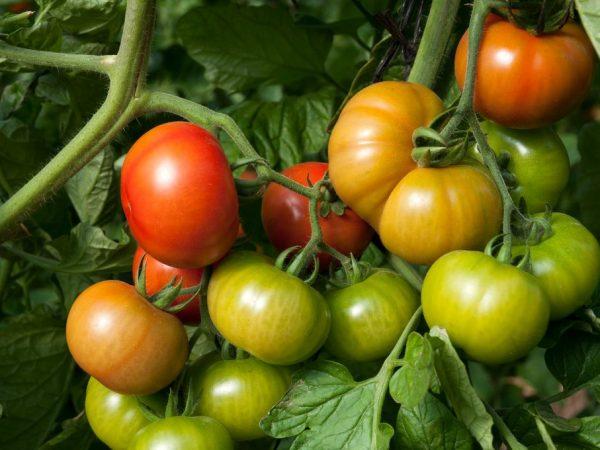
The tomato has gained popularity thanks to its tasty, fleshy, and very aromatic bright pink fruits. It is considered a dessert tomato. The plant is easy to grow, requires little care, and is resistant to common diseases, tolerates low light, and tolerates temperature fluctuations. The yield is not particularly high, but it is consistent. The bushes grow to a maximum height of 0.5 m, but require staking or support. The fruits do not transport well and are not suitable for storage.
Honey cream
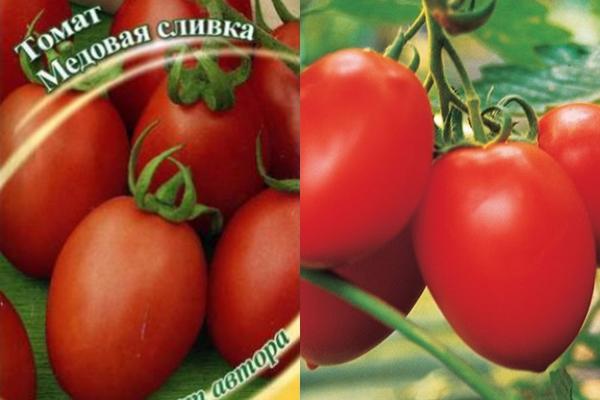
An early-ripening hybrid with a maximum bush height of 0.6 m. The fruits are elongated, dense, rich red, and large. The flavor is balanced and very pleasant. The harvest is versatile, yielding up to 5 kg of tomatoes per square meter. The plant is characterized by increased disease resistance and requires no staking or support.
Velvet season
A low-growing variety with a maximum bush height of 0.7 m. Ripe fruits are a rich red color. The tomatoes are round, slightly elongated at the base, and fleshy. The average tomato weight is 100 g. The flesh is firm, sweet, and tender. The harvest is suitable for long-term storage, pickling, canning, and processing. Tomatoes are not used for juice production.
![When is the best time to plant tomato seedlings in [year] and the timing of sowing seeds](https://harvesthub.decorexpro.com/wp-content/uploads/2018/12/sd-329-e1521384285292-300x205.jpg)
Aurora
An early-ripening hybrid with a maximum bush height of 0.7 m. A distinctive feature of this tomato is that it yields a double harvest when planted early. After the first harvest, the plant produces new young shoots capable of bearing fruit. Fruit production is uniform. This tomato is easy to grow and has strong disease resistance. The ripe fruit has excellent flavor. The harvest is suitable for long-distance transportation and storage. The tomatoes are round in shape and turn a bright red when ripe.
Which variety should I choose?
It is impossible to name it definitely The best or worst varieties of dwarf tomatoes for greenhousesWhen choosing seeds, consider your personal needs, growing conditions, and taste preferences. Low-growing plants don't always produce small fruits, but there are also large-fruited varieties that are just as productive as taller plants.
Tomatoes vary not only in size and ripening time, but also in color and flavor. Good results are achieved by growing several varieties at once. This allows for extended harvesting, producing both dessert tomatoes and those suitable for canning, processing, and preserving.
Gardeners aiming to make a profit from their personal plots plant several early and mid-season varieties with high yields. Flavor characteristics take a back seat. For personal consumption, the emphasis is placed on the taste and attractive appearance of the fruit. Disease resistance, susceptibility to low light, and temperature fluctuations are also important.
Related posts:
 The best eggplant varieties for growing in a polycarbonate greenhouse: planting and care
 What is the best way to feed tomato seedlings to make them plump?
 What varieties of tomatoes are best to plant in a polycarbonate greenhouse?
 Description and characteristics of the best indeterminate tomato varieties for greenhouses
 Descriptions of the 20 best cherry varieties for the Moscow region, their planting and care
 The best grape varieties for growing in the Urals, planting and care rules in summer
 Description of the best tomato varieties for pickling and canning
 80 Best Eggplant Varieties for Different Regions with Descriptions and Characteristics