- What to plant in place of tomatoes and why?
- Into open ground
- Into the greenhouse
- Green manure before and after tomatoes
- What vegetables to plant next year
- Cabbage
- Cucumbers
- Bell pepper
- What should be planted after tomatoes are infected with late blight?
- Is it possible to plant tomatoes next year?
- What plants are not recommended to plant after tomatoes?
Different crops have different requirements for soil composition and type. If crop rotation isn't followed, the soil quickly becomes depleted, and previous crops can infect related plants with diseases. Not all novice gardeners know that the following year's crops should be planted after tomatoes. Experienced vegetable growers have long known that the leaves of tomatoes, potatoes, and eggplants attract Colorado potato beetles, which burrow into the soil, making it virtually impossible to remove the pest from the garden beds.
What to plant in place of tomatoes and why?
Not all gardeners have a large plot of land where they can easily grow different crops in the garden without having to grow cucumbers or tomatoes in the same bed for several seasons in a row.
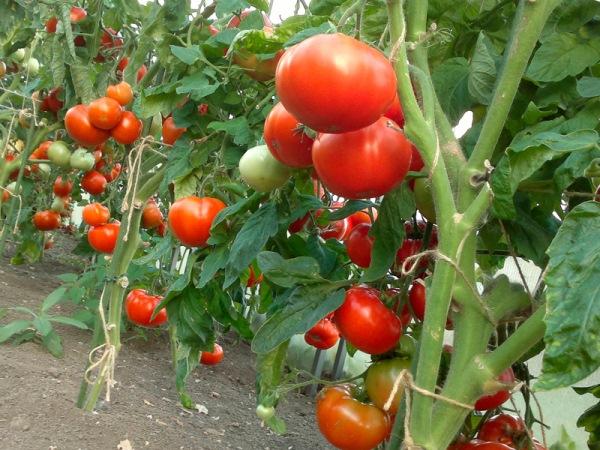
Into open ground
If tomatoes are planted in the same spot for a long time, the soil begins to acidify and, regardless of variety, the yield drops. However, the following tomatoes thrive in the same bed the following season:
- dill and parsley;
- cilantro and basil;
- zucchini and beans.
Cabbage grows well in the garden after tomatoes. This cruciferous vegetable tolerates nitrogen deficiency and is not affected by nightshade diseases. Carrots and beets extract nutrients deep in the soil, where tomatoes cannot reach. Not only do they disinfect the soil after tomatoes, but onions and garlic also produce large heads.
Into the greenhouse
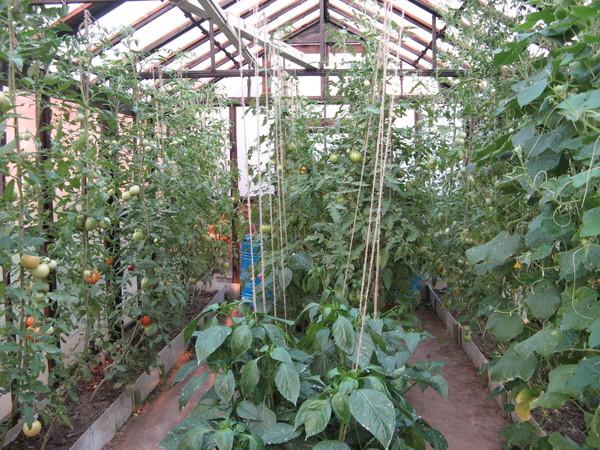
Under film cover, the soil becomes depleted very quickly; after growing any crops, it must be completely replaced at least once every 7 years.
After tomatoes, it's advisable to sow lettuce and greens; spinach and radishes also yield a good harvest. Enrich the soil where tomatoes, beans, and runner beans were planted.
Green manure before and after tomatoes
Grasses are the best way to restore depleted soil. Green manures grow quickly and enrich the soil:
- magnesium;
- nitrogen;
- phosphorus;
- proteins.
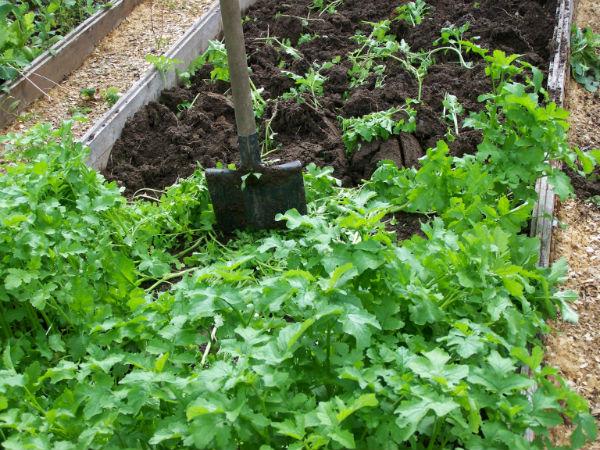
With their developed roots, green manures loosen the soil and change its structure. Green manures are sown after harvesting garden crops or before planting. When the green manure reaches the desired height, the plants are mowed and dug over.
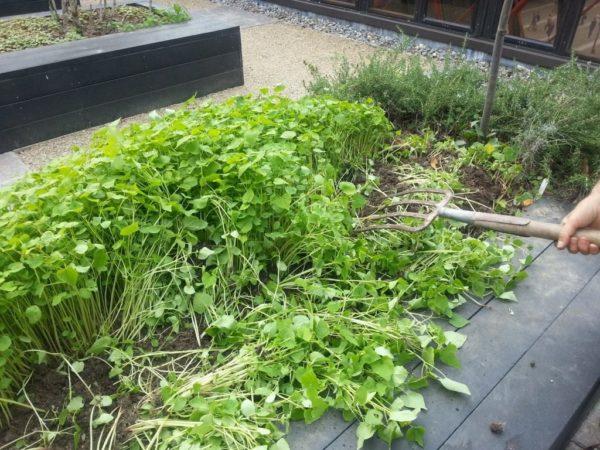
Agronomists have developed a table of green manure crops, which indicates the impact of each type on the soil. Several types of plants are sown before and after planting tomatoes:
- Mustard prevents erosion, suppresses weeds, and enriches the soil with sulfur and phosphorus.
- Phacelia reduces acidity and saturates the soil with nitrogen and potassium.
- Lupine improves the structure of the soil and copes with pests.
- Rapeseed promotes the absorption of mineral components and has a bactericidal effect.
Mown vetch turns into organic fertilizer, significantly increasing crop yields. All green manure crops are dug in before flowering.
What vegetables to plant next year
Tomatoes are followed by garden crops from other families that are not susceptible to late blight. Good predecessors for tomatoes include beans, cucumbers, carrots, and cruciferous vegetables. These vegetables are also best planted the following year in a plot previously occupied by nightshades.
Cabbage
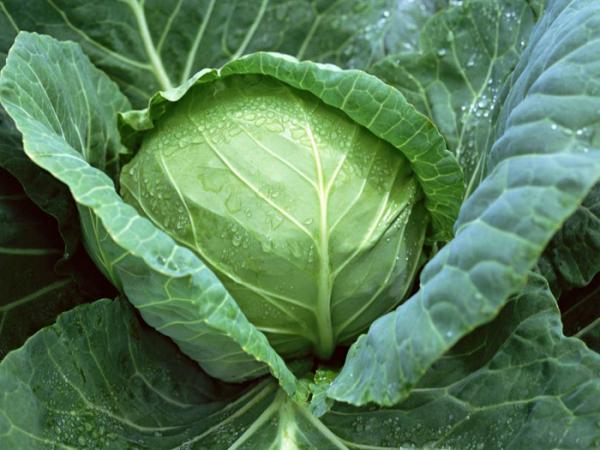
Leafy cruciferous plants don't share the same pests and aren't susceptible to tomato diseases. Chinese cabbage, Brussels sprouts, and white cabbage can be grown after tomatoes. These vegetables don't require the large amounts of nitrogen that tomatoes absorb from the soil.
Cucumbers
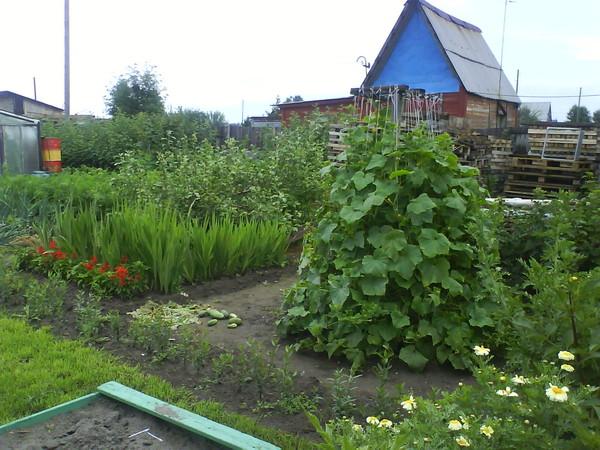
Nightshade crops acidify the soil and leave behind pathogens that cause late blight. Many gardeners plant cucumbers the following year in greenhouses where tomatoes were grown. They germinate well, but to produce a high yield, these vegetables require mineral and organic components, which are abundant in compost. Cucurbitaceae crops are not affected by late blight.
Bell pepper
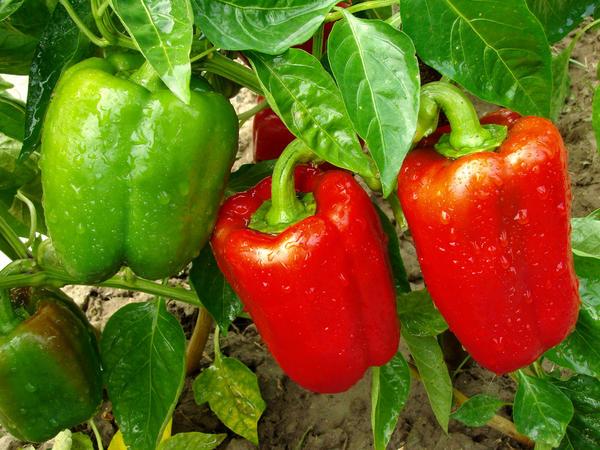
This plant can be planted the following year after tomatoes. However, like tomatoes, peppers are susceptible to blackleg and fusarium wilt, as they are related to tomatoes. Peppers should not be grown in a bed where tomatoes were grown, at least not for the second year.
What should be planted after tomatoes are infected with late blight?
To restore the health of diseased soil, green manure is sown. Cereals are planted after removing the tomato stems and roots. In the spring, these green manures are dug in. Mustard suppresses bacteria and fungal spores. In a greenhouse, the plant is sown in spring or fall. Phacelia is grown in late summer.
Is it possible to plant tomatoes next year?
Planting tomatoes in the same spot continuously negatively impacts yield and degrades soil quality. If you plant tomatoes for three or more years in a row:
- Toxic secretions accumulate.
- Pathogens remain in the soil.
- The number of beneficial microorganisms decreases.
When growing tomatoes in a field or garden, a three-year crop rotation is recommended. In a greenhouse, the soil is completely renewed, the area is divided into beds, or the soil is cleared of roots, and green manure is sown.
What plants are not recommended to plant after tomatoes?
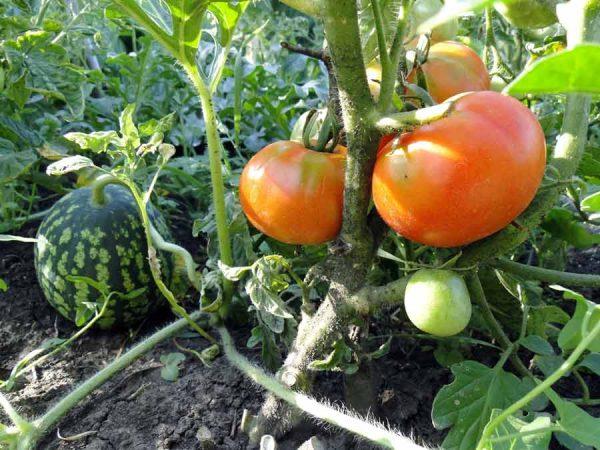
Melons don't do well in a plot where tomatoes were grown. Watermelons and melons have poor fruit set, producing smaller fruits. Don't expect a good strawberry harvest if you plant them in a plot where tomatoes were grown last year. Avoid planting any nightshade crops after tomatoes.
Related posts:
 What is the best way to feed tomato seedlings to make them plump?
 Description of the best varieties of black tomatoes for open ground and greenhouses
 What varieties of tomatoes are best to plant in a polycarbonate greenhouse?
 15 simple recipes for pickling tomatoes in jars for the winter
 How to prepare tomato seeds for planting seedlings
 What fertilizers and when to use for feeding tomatoes in a greenhouse
 Growing cherry tomatoes in a greenhouse and open ground, when to plant seedlings
 What can be planted after garlic next year, crop rotation rules, and crop selection