
- What are green manure plants used for?
- Types of crops and their properties
- Cruciferous vegetables
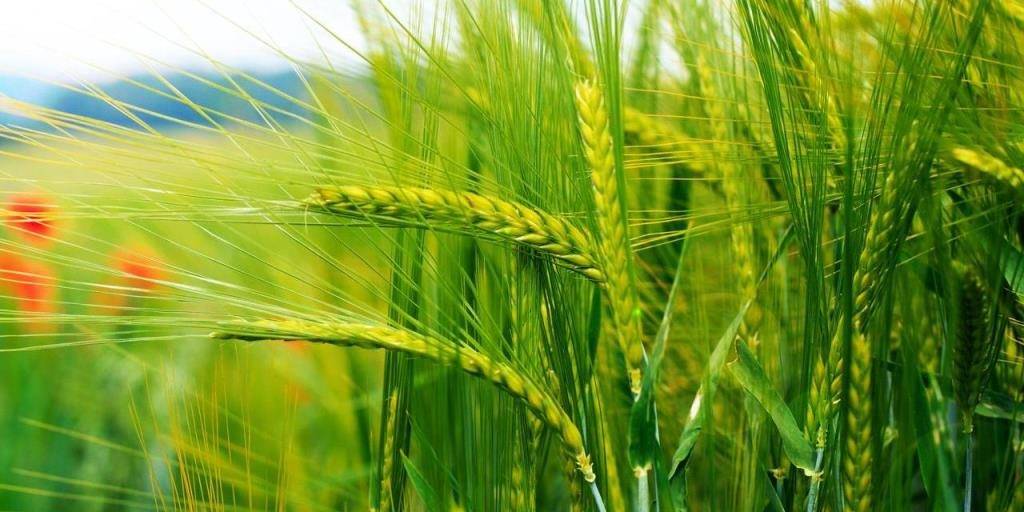
- Cereals
- Legumes
- Differences between open ground and greenhouses
- We calculate the seeding density and material consumption
- When to sow
- In the spring
- In the fall
- Plan for sowing and caring for green manure crops
- Vetch
- Radish
- White mustard
- Phacelia
- Alfalfa
- Lupine
- Oats
- Oilseed radish
- Peas
- Rye
- Mow or dig
- An alternative replacement for green manure
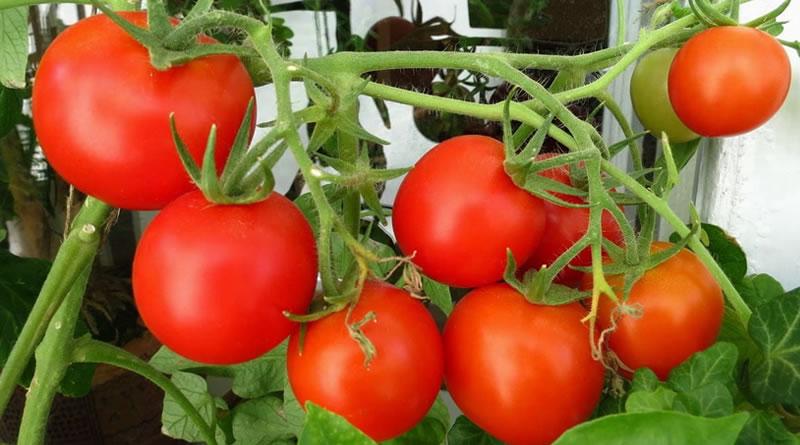
Green manure is used as a top dressing for tomatoes when planting in the ground or growing them in a greenhouse. This helps significantly increase yields, as green manure acts as a fertilizer and also performs other functions, enriching the soil with nitrogen and nutrients. The key is to select the right green manure and plant it at the right time.
What are green manure plants used for?
When gardeners plant tomatoes, they expect a good harvest. But harvesting them isn't always easy, due to specific factors that can affect the crop's productivity.
You can use various fertilizers, buy preparations and water tomatoes with them, but it is easier to use green manure, because they:
- Allows to increase crop yield.
- Reduce the risk of tomatoes being affected by various diseases and pests.
- Reduce the number of weeds that the planting will have to be protected from.
Green manures are plants that can significantly impact the quality and quantity of the harvested crop. They act as a natural fertilizer.
As plants grow and develop, they enrich the soil with nitrogen, increasing the effectiveness of fertilizers used if the gardener decides to fertilize tomatoes.
There are several crops that agronomists recommend for growing tomatoes. Each plant has its own characteristics.
Types of crops and their properties
When deciding which green manure crops to plant, it's worth familiarizing yourself with their characteristics and differences. Most often, a single crop is preferred, but using multiple plants can significantly increase yields. However, the choice is ultimately up to the gardener, and depends on planting conditions and the characteristics of the tomato variety.
Cruciferous vegetables
This is primarily an oilseed radish, which has excellent characteristics: it germinates quickly, develops a branched root system, grows in any climate, and is undemanding of soil conditions. Due to its properties, this green manure not only enriches the soil with azine but also reduces the likelihood of nematodes (worms) appearing in it.
Cereals
We are talking about various crops; the following plants can be included in this group:
- vika;
- rye;
- oats.
Oats are more beneficial because they enrich the soil with potassium. Rye, on the other hand, dries out the soil and absorbs excess moisture, so it's best planted in the ground or a greenhouse with higher humidity. Vetch is considered a versatile crop, and gardeners often turn to it, but the benefits of other crops should not be overlooked.
Legumes
They are often used in combination with other plants. This "tandem" can significantly impact tomato yields.
Legumes include:
- Soy.
- Lentils.
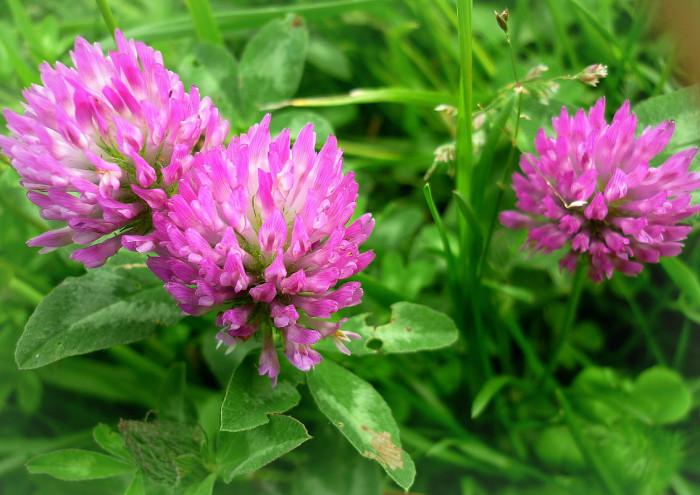
- Clover.
They have good germination rates, are frost-resistant, and oxygenate the soil. If you decide to use clover as a green manure, remember that it's not suitable for acidic soils. Otherwise, legumes create a dense green cover, which can be considered an advantage.
Differences between open ground and greenhouses
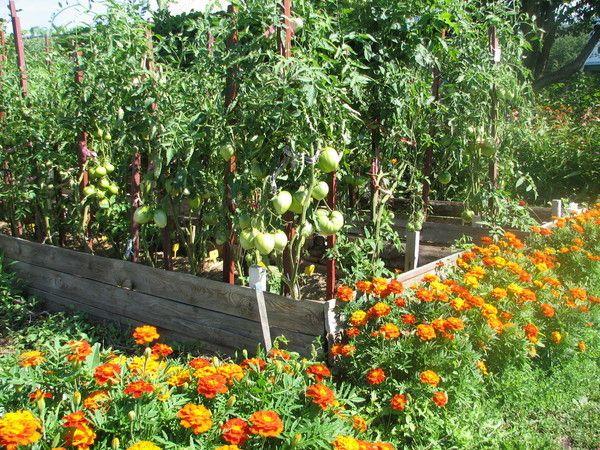
In general, there aren't any significant differences, as green manures can be used in any conditions: they're equally suitable for greenhouses and open ground. However, gardeners have their own preferences.
Any crop can be planted outdoors without worrying about planting details. For greenhouses, it's best to use:
- rye;
- vika;
- mustard;
- bush beans.
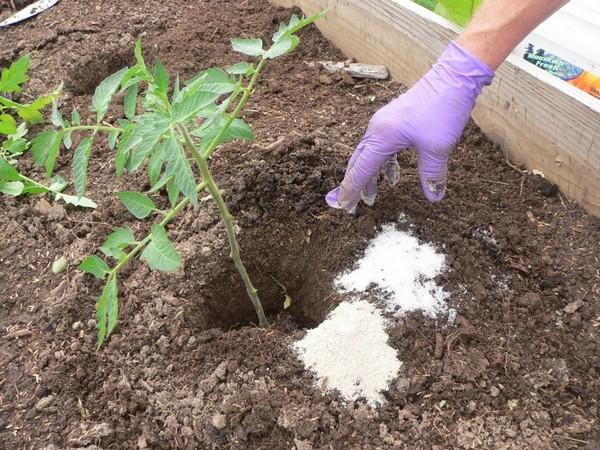
Important! Green manure is planted in the greenhouse in the spring, after the harvest. It is then mown before planting tomatoes—this time will allow the plants to enrich the soil with nutrients.
We calculate the seeding density and material consumption
Green manure is planted between the rows, and the consumption rate directly depends on the crop type. Let's look at several options and calculate the average consumption rate:
| Mustard | The average consumption is 200-300 grams per 100 square meters. Approximately 2-3 grams of seeds are needed per square meter. |
| Red clover | It has large seeds, the consumption per hundred square meters is 160-200 grams, per 1 square meter it will take about 2 grams. |
| Oats | If you decide to grow this crop, you'll need just over 150 grams of seeds per 100 square meters, and 15 to 20 grams per square meter. |
When to sow
This is typically done during the off-season. Before sowing green manure, make sure the soil is ready for this process.
In the spring
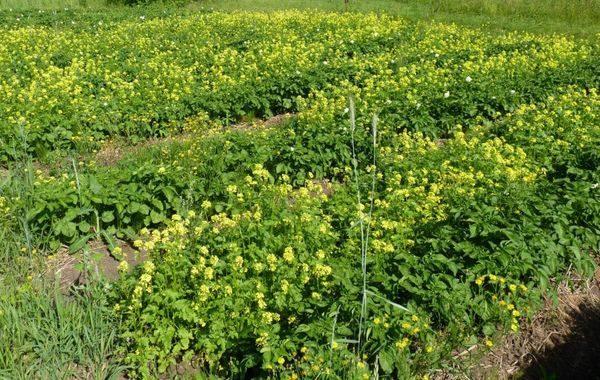
Planting should be done before tomato planting, timing it so the crop has time to emerge and grow. When the greenery appears on the soil surface, it must be mown down before flowering, otherwise all the effort will be wasted.
Take a look Also
In the fall
In the fall, planting takes place after the harvest—"before the snow," as they say. Over the winter, the plants will "nourish" the soil with nutrients. They will need to be mown down before planting the tomatoes.
Plan for sowing and caring for green manure crops
As mentioned earlier, green manure can be planted at various times. This can significantly increase tomato yields. Let's look at the specific characteristics of these crops and determine the appropriate time for planting them.
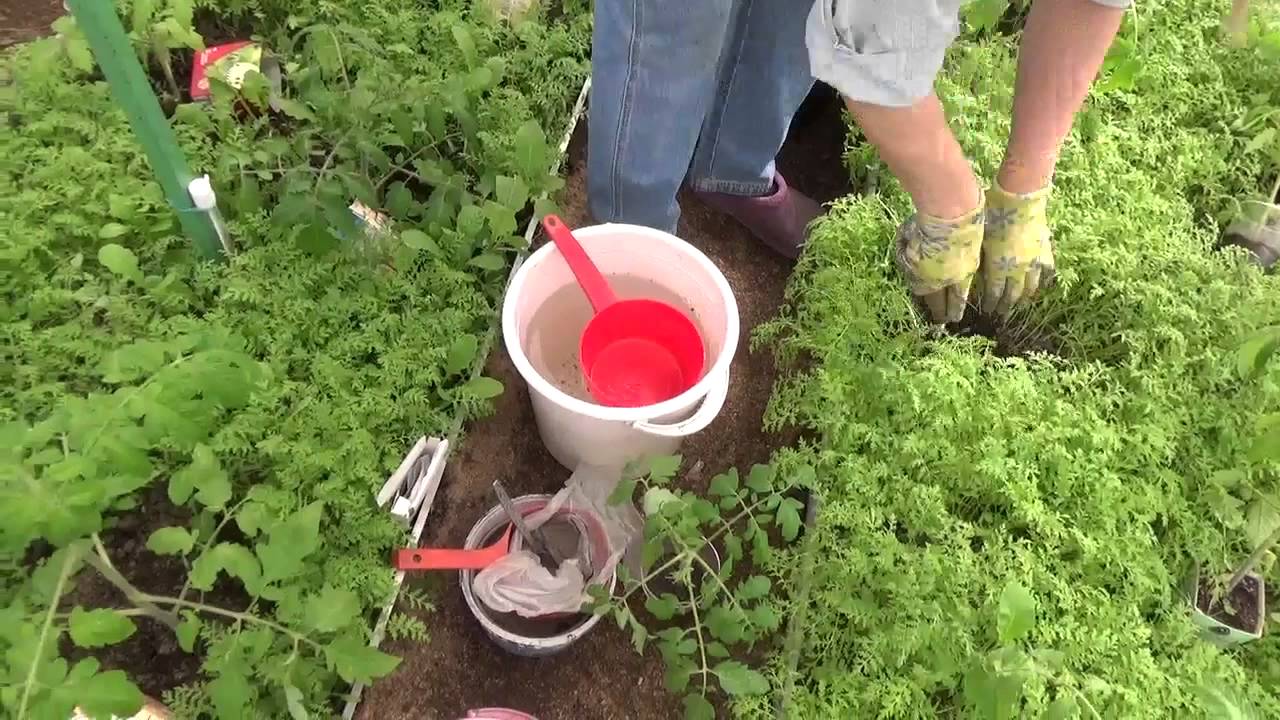
Vetch
Can be planted in the soil three weeks before the planned tomato planting. This is considered one of the best options, as it increases tomato yield by an average of 30%.
Radish
A crop that tolerates frosts well, it can be planted in late summer, or better yet, in autumn.
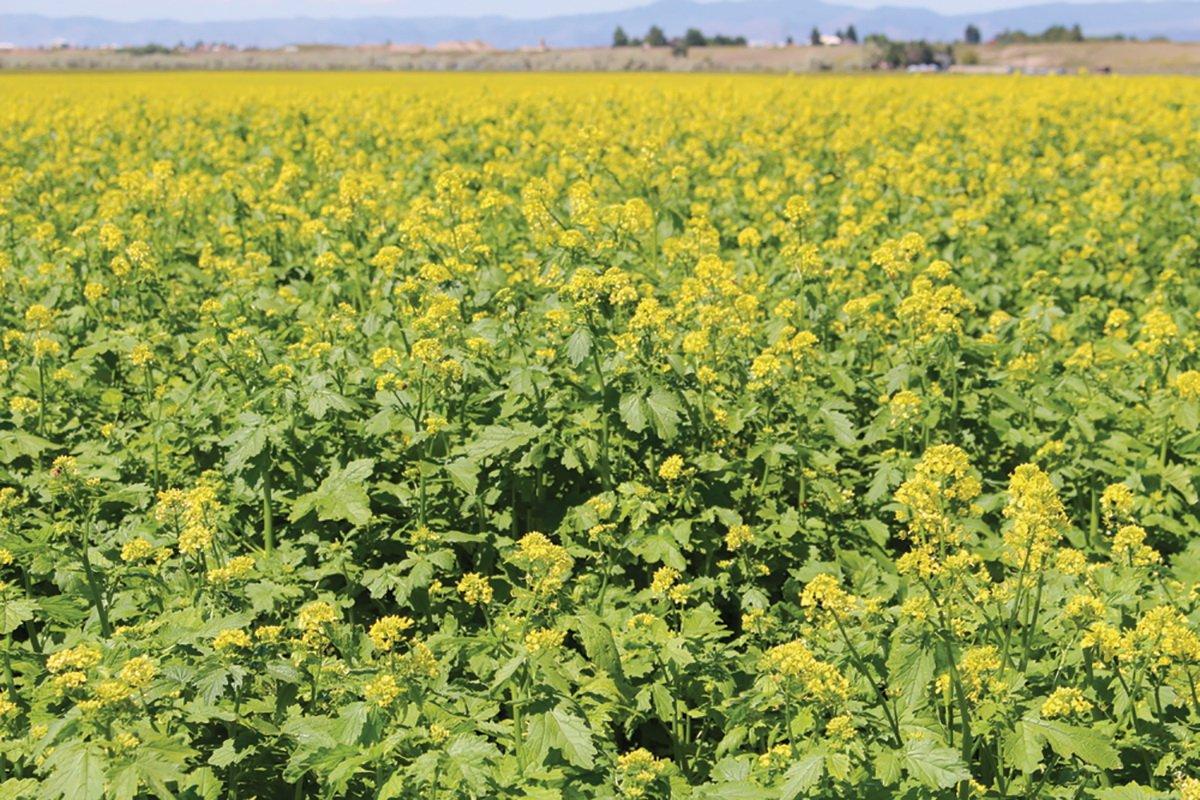
White mustard
It's distinguished by good frost resistance, so it can be planted in the ground after harvesting. It enriches the soil with beneficial elements: sulfur and phosphorus.
Phacelia
Suitable for reducing soil acidity, it can be planted in the spring. Phacelia significantly increases potassium and nitrogen levels and prevents weeds.
Alfalfa
Due to its specificity, it improves the quality of the soil; it can be planted in early spring or closer to summer, in May.
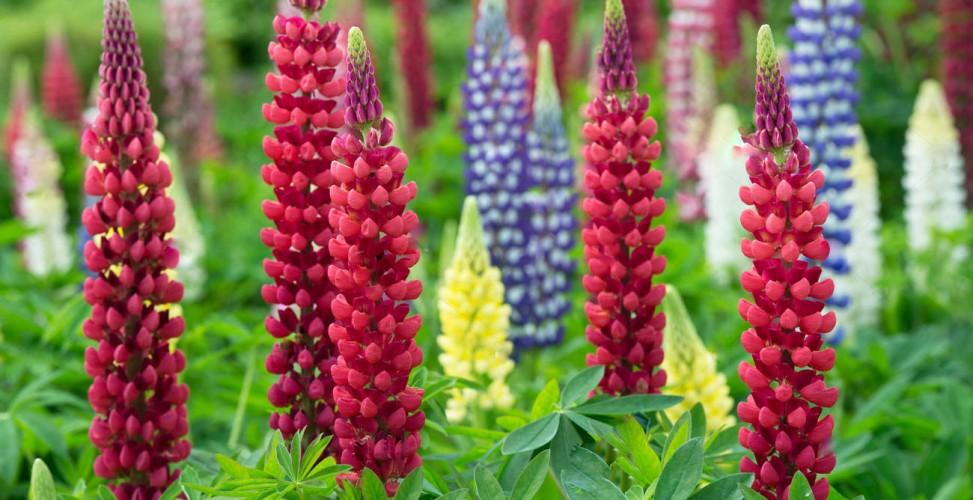
Lupine
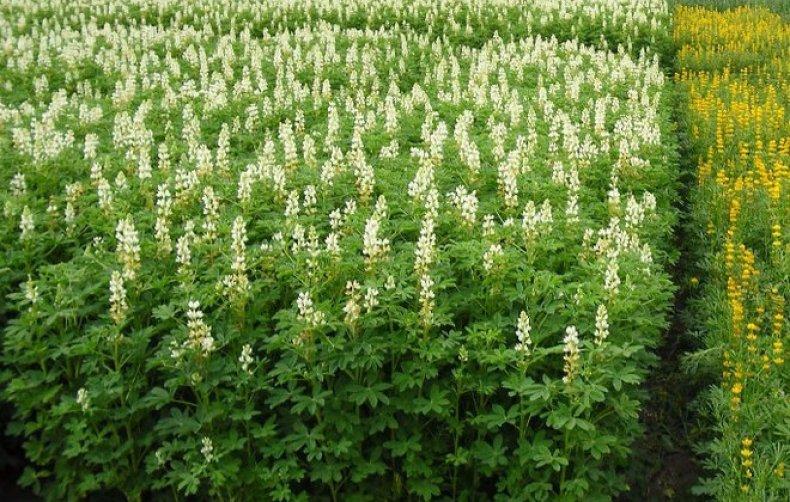
The plant is effective against pests and loosens the soil. Lupine can be planted in a greenhouse, but is best planted in the ground in mid-spring.
Oats
It's good any time of year, tolerates cold well, germinates quickly, and requires no special care. Planting it in spring or fall doesn't make much of a difference, but if the climate in your region is harsh, April or late March is best.
Oilseed radish
It is planted in spring; it is not recommended to plant it “under the snow”.
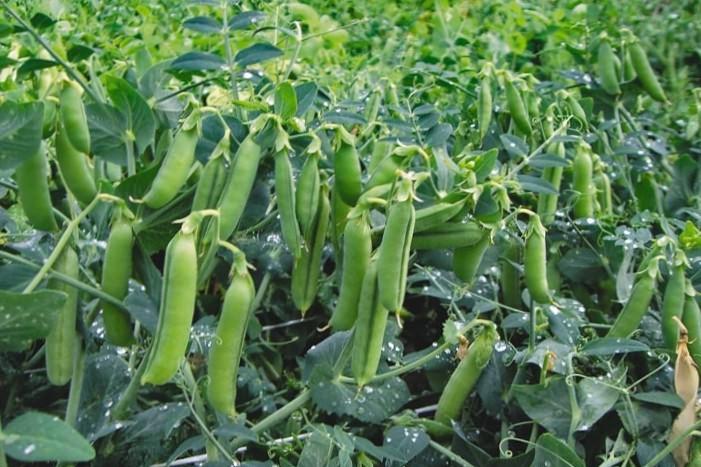
Peas
It's versatile. This crop tolerates frost well, but it's best planted in spring, at the end of April.
Rye
They are planted in winter, in late summer or early fall. Under snow, the crop "nourishes" the soil; it is frost-resistant and germinates quickly. Before planting tomatoes, the soil is mown down.
Let's look at the plan of action, in accordance with the time of year, and analyze the gardener's actions:
| Early fall or late summer, after harvest: | we plant crops in the soil “for the winter”.
|
| Beginning of spring: | We loosen the soil with a flat cutter for the plants that were left to overwinter in the ground. |
| In mid-April: | We carry out fertilization with various microelements. |
| In May: | We carry out additional sowing. |
| From the beginning of June until the end of summer, at least once every 2-3 weeks:
At the end of August and mid-September:
|
We loosen the soil together with green manure.
We are carrying out another sowing of crops, with a change, that is, if we previously planted rye, now we give preference to mustard or radish. |
Mow or dig
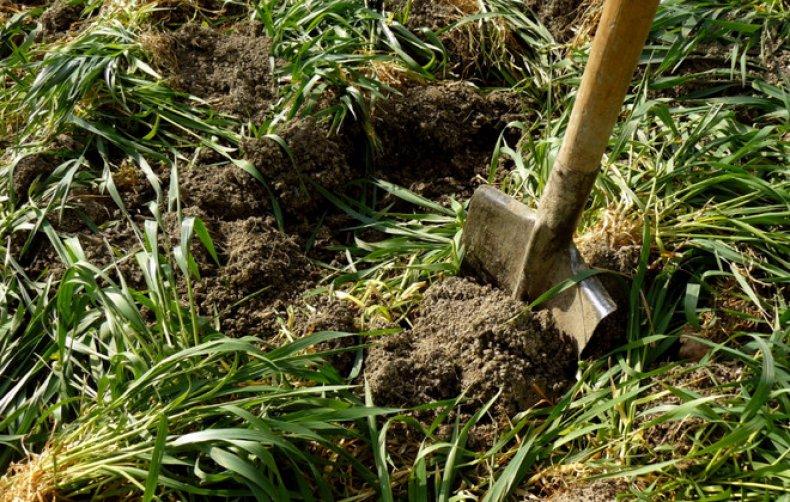
Besides mowing green manure, there's another method for planting them. The seeds are sown in the soil and then dug in. However, this method is considered less effective for several reasons:
- The integrity of the soil layer is destroyed, resulting in the loss of essential nutrients for plants. This is considered a disadvantage of this method.
- You can plant green manure in the ground or a greenhouse alongside tomatoes. While they won't provide the maximum benefit, they will provide excellent weed protection.
An alternative replacement for green manure
For organic enthusiasts, the modern agricultural industry offers a variety of products that will not harm the soil or cause its poisoning.
Preference is given to:
- mown weeds; it is advisable to use them without seeds, so that you don’t have to spend hours pulling out the grass later;
- food waste, but preferably without meat scraps, it is better to use the remains of plant foods;
- Ground wood branches, but this depends on the characteristics of the wood; for example, poplar, walnut, willow, and oak are not recommended.
But most often, previously mown grass is used as organic fertilizer; it is spread over the plot after harvesting. Preference can be given to the tops of plants that were recently harvested.
Green manure is an option for organic fertilizer enthusiasts. These plants will help increase the concentration of nutrients in the soil, enrich it with nitrogen, and also boost crop yields while controlling pests and weeds. However, remember that this method has its drawbacks, as well as its advantages.
Related posts:
 What are green manure crops and which ones are best for the garden, when to sow and bury
 Why do potatoes need green manure, which ones and when are best to sow?
 What green manure crops should be sown for strawberries, rules and planting technology
 Which green manure crops are best to sow in the fall and how to properly incorporate them
 Carrot care guidelines for outdoor cultivation to ensure a good harvest
 Is it possible to grow an apricot tree from a seed in your garden? How to plant and care for it?
 Which green manures are best for deacidifying soil, how to choose them, and sowing times
 How to feed and what fertilizers are best for blueberries, soil acidification