The Etude-NK hybrid tomato is designed for indoor cultivation. This variety is characterized by consistent yield and high productivity. It is prized for its flavor and nutritional qualities.
Benefits of Tomatoes
The Etude-NK F1 tomato is a first-generation hybrid. It is an indeterminate plant with short internodes. This variety is intended exclusively for cultivation in all types of indoor settings (winter glass and plastic greenhouses).

A mid-season tomato, fruiting begins 110-111 days after germination. This variety is resistant to nightshade diseases and requires no additional treatment during cultivation.
Tomatoes weigh 180-200 g, yielding 30-33 kg per square meter. The fruits have no green spots near the stem and turn red when ripe. They are flat and round, with multiple chambers containing seeds visible when viewed horizontally.
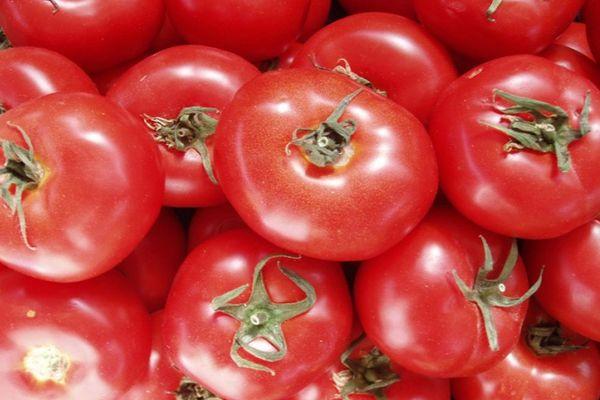
Vegetable growers' reviews confirm that ripe tomatoes retain their shelf life on the plant for up to 20 days and can withstand long-term storage for 3-4 weeks. These tomatoes are highly flavorful and resistant to cracking during ripening.
This cluster-type hybrid with a musical name is harvested in clusters. The tomato is resistant to tobacco mosaic virus, verticillium wilt, and cladosporiosis.
Features of brush varieties
Tomatoes of this type are intended for cluster harvesting. They possess unique characteristics and properties prized by gardeners. The fruits of this cluster variety are uniform in size within the cluster and the plant.
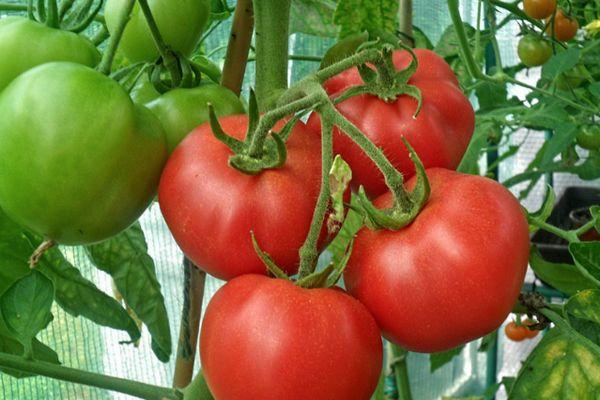
If the harvest is planned for clusters, thinning is carried out. Each inflorescence is left with 6-8 ovaries. This procedure promotes uniformity of the fruit and ensures uniform ripening.
A characteristic feature of the racemose variety is the flower shape. The sepals are longer, and a stipule is located in the axil of the inflorescence. Hybrids of this type contain genes that control the ripening process.
Without them, the first fruits might overripe, while the upper ones remain biologically ripe. Thanks to these genes, tomatoes turn red at a consistent rate, don't fall off, and stay on the plant.
When harvesting, the clusters are cut off at the base. This is important for storage. The high concentration of pectin contributes to good preservation of the fruit. To increase yield and extend shelf life, the clusters are harvested when the first 2-3 fruits turn red.

They ripen within 3-4 days. The fruits of the cluster variety are firm and have a sweet and sour taste. During storage, the concentration of ascorbic acid increases, enhancing their biological value.
Cluster tomato plants are better ventilated and receive sunlight, which reduces the risk of fungal diseases. They also save space in the greenhouse.
Agrotechnical conditions for cultivating the variety
Tomatoes are grown using seedlings. Seeds are sown for seedlings in early March. Before planting, the seeds are treated with a growth stimulant.

When two true leaves have formed, the seedlings are pricked out into individual pots. They are planted in the ground in late April or early May. The tomatoes ripen in June. The variety typically bears fruit from June to September.
Growing tomatoes in protected ground requires compliance with agricultural practices. Plants must be tied to a support and their stems must be shaped to obtain a higher yield.
Tomatoes prefer fertilizers containing potassium and phosphorus. During stem formation, nitrogen-containing mineral components are added. To stimulate the development of the above-ground portion of the plant, a solution of chicken manure is used.
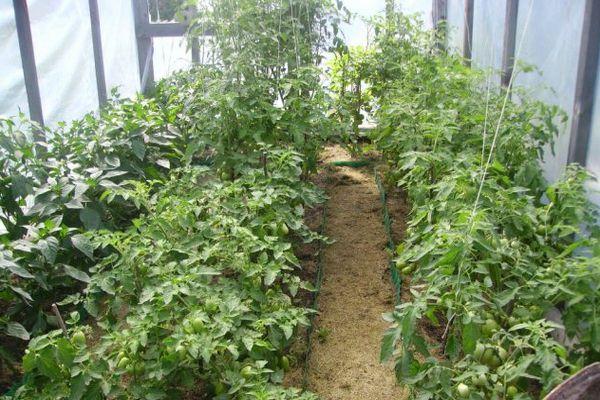
Tomatoes are planted with crop rotation in mind. The best predecessors for tomatoes are cauliflower, carrots, and cucumbers.
The crop requires timely watering with warm water. When grown indoors on an industrial scale, moisture is supplied using a drip irrigation system. To ensure normal crop development, the soil is periodically loosened and hilled.
Related posts:
 What varieties of tomatoes are best to plant in a polycarbonate greenhouse?
 Description of the best varieties of black tomatoes for open ground and greenhouses
 The best eggplant varieties for growing in a polycarbonate greenhouse: planting and care
 Characteristics and description of pepper-shaped tomato varieties, yield and cultivation
 Growing and caring for tomatoes in a greenhouse from planting to harvest
 Description of rare collectible tomato varieties from Valentina Redko, new for 2025
 Description of the best tomato varieties for open ground and greenhouses in the Krasnodar region
 Description of the best tomato varieties for open ground in the central zone