
Inexperienced gardeners don't know which tomato variety to start with. The Roma tomato is the best choice. It's a hybrid of two varieties, originating from Australian and Italian farmers. Over time, gardeners came to appreciate the tomato, and it found its place in gardens and greenhouses.
Description of the variety
The F1 hybrid tomato has a number of characteristics. Roma belongs to:
- determinants with a stem height of 75–80 centimeters;
- mid-season tomatoes that bear fruit in 110–115 days;
- excellent products that have a true tomato flavor with sweet pulp;
- universal purpose tomatoes.
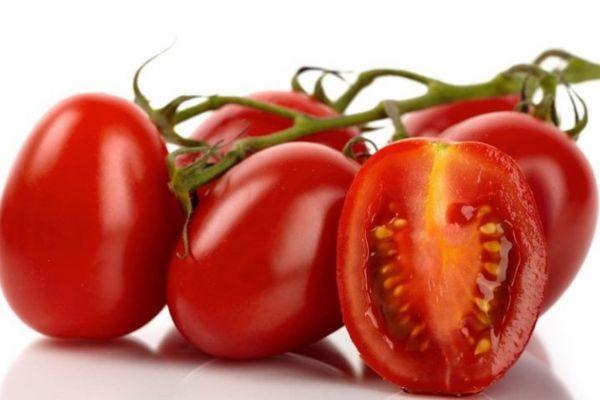
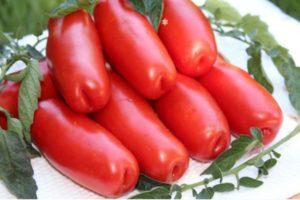
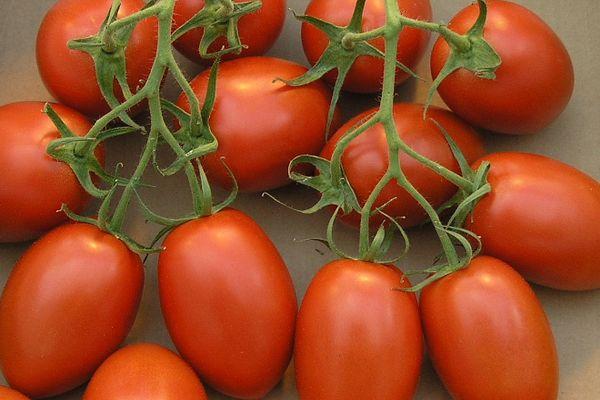
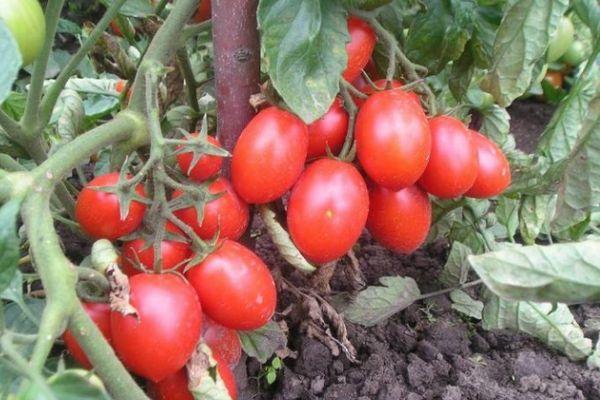
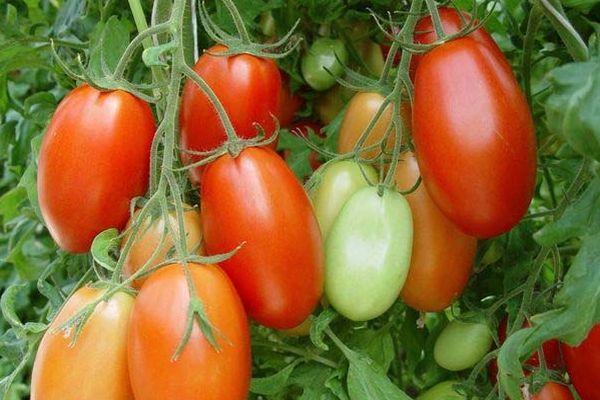
The fruit description suggests they can be grown commercially. The tomatoes are oval-shaped and plum-like in appearance. They weigh between 60 and 80 grams. The flesh is noted for its meatiness and juiciness. The fruits have a thick, crack-resistant skin. With proper cultivation, the Roma tomato yields up to 8-10 kilograms of tomatoes per square meter.
Roma VF tomatoes have a similar fruit description. However, they differ in appearance by the presence of green stripes when ripe. Both types of tomatoes are resistant to the main diseases of nightshade crops. The tomatoes retain their marketable appearance for a long time, and you can enjoy fresh fruits until the snowstorms.
Growing
Tomatoes of this category are grown using seedlings; in southern regions, they can be sown directly into open ground.
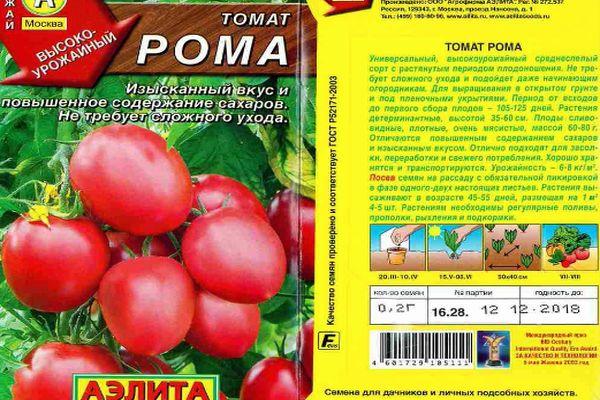
Planting begins in mid-March. First, the seeds need to be hardened off. They are placed in a bag in hot water, heated to 50 degrees Celsius. After the warming, they are placed in cold water. It's best to disinfect the seeds with a weak solution of potassium permanganate. Soaking them in it for 25-30 minutes is sufficient. Germinating tomato seeds will speed up their growth.
Plant containers are disinfected with boiling water. Fill them with nutritious soil, adding vermiculite for looseness. Plant the seeds 1 centimeter deep, spaced 2 centimeters apart.
Take a look Also
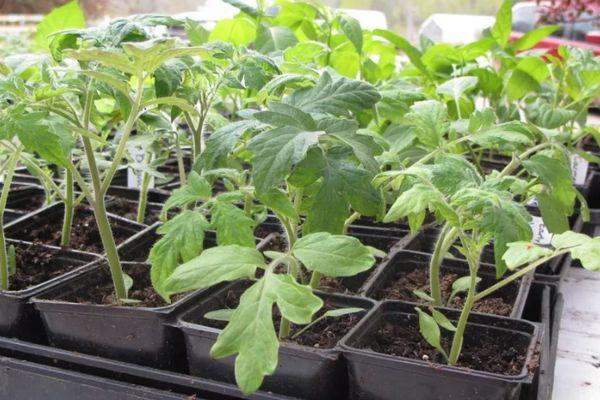
In order for the seedlings to grow strong and resilient, they need to:
- water 1 or 2 times a week;
- feed with wood ash;
- dive at the stage of two true leaves;
- harden off by taking it out into the open air 2–3 weeks before planting.
By mid-May, the tomato variety will be ready for growing outdoors or in a greenhouse. Plants are spaced 50x40 centimeters apart. Before planting, add two handfuls of compost and a little wood ash to the holes.
Care Features
Although Roma tomatoes are short, it's best to remove side shoots. This will increase the production of larger fruits. If you leave too many shoots, you'll harvest pea-sized tomatoes. A plant with three, or rarely five, stems is sufficient, and it's best to remove any excess side shoots when the shoots reach 3-5 centimeters in length. This variety doesn't require staking.
Feed Roma VF tomatoes every 2–3 weeks by pouring 1 liter of nutrient solution onto the bush.
Tomatoes require both organic and mineral fertilizers. Start with a solution of mullein or chicken manure. Then add superphosphate, potassium salt, and ammonium nitrate. These substances are dissolved in 10 liters of water. The amount of fertilizer depends on the stage of development of the vegetable crop. In the initial stages, 15–20 grams of potassium and nitrogen fertilizers are sufficient. But tomatoes constantly need phosphorus, so superphosphate is needed 2–3 times more than other fertilizers.
The yield of tomato varieties depends on watering, loosening the soil, and weeding. Greenhouse-grown plants require controlled humidity and air temperature. Tomatoes do not thrive in temperatures above 30 degrees Celsius. Fruit set will be poor, so attention should be paid to ventilation in the greenhouse. Humidity should be maintained at around 80 percent.
Advantages and disadvantages
To choose this tomato variety and plant it in your garden, you need to know its advantages over other varieties. Among the positive aspects of the Roma hybrid, it is noted that:
- the immune system easily copes with fungal and viral infections;
- the bushes are compact and do not take up much space;
- the fruits take a long time to ripen;
- there are no increased care requirements.
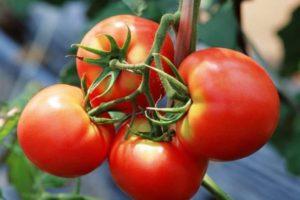
There are reviews of this tomato that don't note any flaws in the hybrid. The only thing the variety doesn't like is rainy summers with a sharp drop in temperatures. Then, the yields are smaller and the plants are susceptible to disease.
Pests and diseases
Growing determinate tomatoes is plagued by diseases when conditions are favorable for infectious agents, such as high humidity and fluctuating temperatures. During this time, symptoms may appear on the leaves and stems of Roma tomatoes:
- late blight;
- tomato strip;
- leaf curling.
Late blight occurs at the end of the growing season. This is what makes the disease so dangerous, as it can lead to the loss of the entire harvest. To prevent this, spray tomato plants with a Bordeaux mixture solution three times during the summer.
Symptoms of streak include leaf curling, dark spots, and brittle, fragile stems. Infection occurs either from seeds or from infected plants when side-shoots are removed.
When tomato leaves take on a tube-like shape, it indicates a phosphorus deficiency. The fungus is activated by low humidity and untimely removal of side shoots.
Tomato leaf pests include the Spanish beetle and its larvae. Plants can be freed from this pest by hand-picking the beetles or by treating them with insecticides. In greenhouses, earwigs and woodlice can also gnaw at vegetable leaves. To prevent these pests from causing damage, remove excess shoots promptly.
Harvesting and storage
Harvesting of Roma hybrid tomatoes begins in early August. Browned fruits are best for long-term storage. If cold weather sets in, harvest all the tomatoes and place them in boxes to ripen. They will reach technical maturity faster at temperatures of 22–25 degrees Celsius.
When storing tomatoes in a basement, be sure to monitor their condition and remove any rotten or damaged ones. Under these comfortable conditions, the tomatoes of this variety will keep for 2–3 months.

Tomatoes are used for winter preservation. They are used to make pickled and salted products. They are also suitable for drying.
Gardeners' reviews
Alexander, Tula: "Our family has long favored hybrid tomatoes. While you can't get seeds for planting, the plants have excellent characteristics. The Roma tomato variety recently caught my eye. I bought some seeds, planted them, and the results were excellent. The plants don't take up much space (we have a small plot), and I harvest a lot of tomatoes. We enjoy eating the small plums, and they're perfect for pickling."
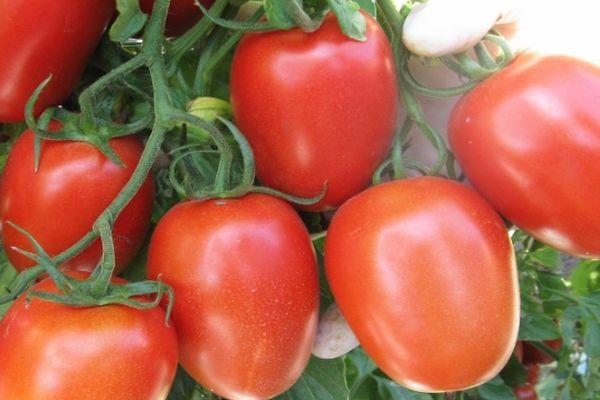
Daria, Novosibirsk Oblast: "I enjoy trying new varieties and hybrids. The Roma tomato variety made a big impression on me. The low-growing bushes with bright red plum-like fruits have become a highlight of the garden. And they require little maintenance. They don't require staking. However, I did remove any excess side shoots, so the tomatoes ripened faster. They have a typical tomato flavor, but they store well. We for New Year's they are in salads "We used it. I recommend everyone to grow this wonderful tomato."
Related posts:
 Description of the best varieties of black tomatoes for open ground and greenhouses
 TOP 17 recipes for pickled sweet tomatoes for the winter
 Delicious recipes for canned tomatoes with honey for the winter, preparation steps
 Recipes for amazing tomatoes in jelly for the winter, with and without sterilization, you'll lick your fingers
 15 simple recipes for pickling tomatoes in jars for the winter
 11 Best Recipes for Preserving Tomato Slices for Winter
 How to grow cherry tomatoes on a balcony: suitable varieties and planting and care guidelines
 How to make marinated tomatoes in jars for the winter using a Bulgarian recipe