
The Hurricane f1 tomato is included in the State Register of Breeding Achievements and is intended for outdoor cultivation. This early-ripening hybrid is characterized by a bountiful harvest and excellent flavor.
Benefits of Tomatoes
The Hurricane f1 variety of cluster tomato is characterized by an early ripening period and begins to bear fruit 85-90 days after emergence.
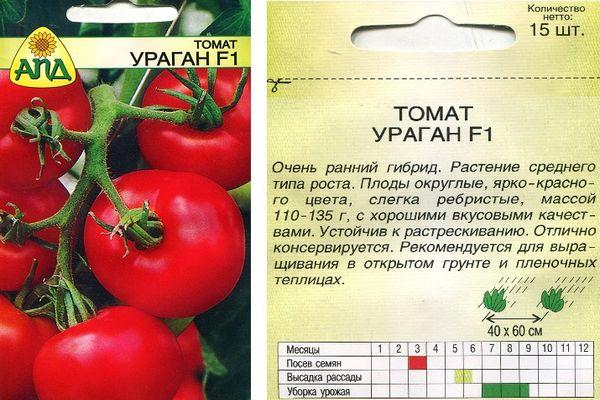
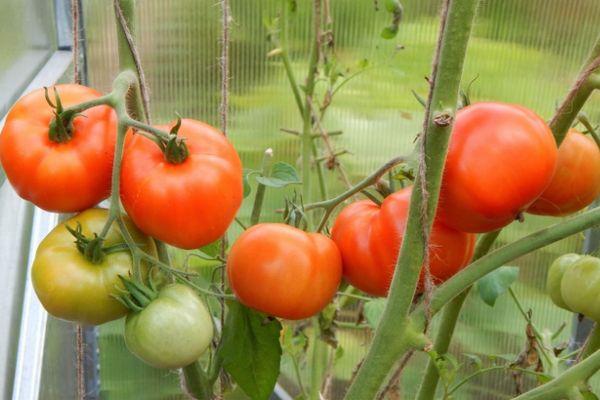
The plant is medium-sized, belongs to the indeterminate type, reaching a height of 180-200 cm. The bush is standard, with a medium number of leaves, a regular type, green in color, and stipules. The first inflorescence forms at the level of the 6th-7th leaf. Subsequent clusters are spaced every 3 leaves.
Gardeners believe the best results are achieved by cultivating the plant as a single stem. Growing the plant involves shaping the bush, which requires removing all excess shoots. During the growing season, tying the stems to a support or trellis is necessary.
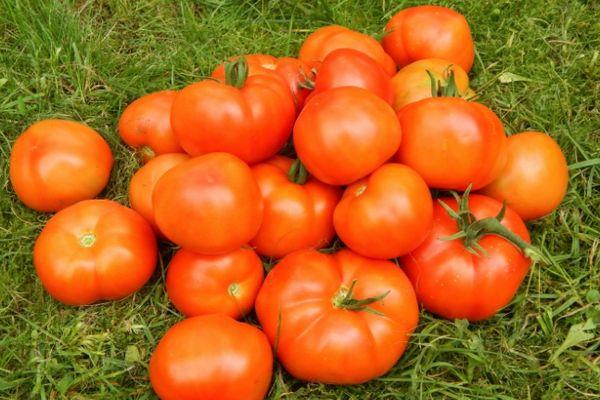
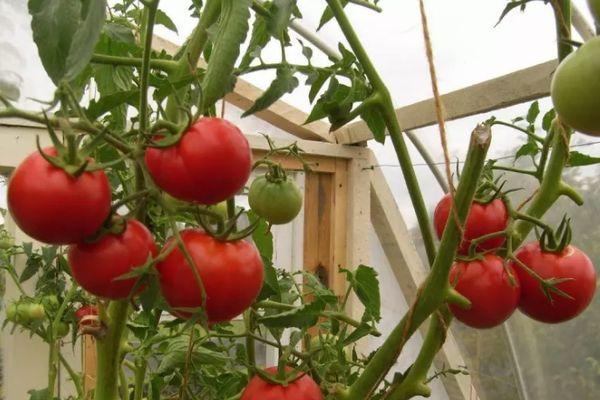
The tomatoes are round, slightly ribbed near the stem, and have a glossy surface. Six to eight fruits ripen per cluster. At technical maturity, they acquire a uniform red color.
Tomatoes weigh 90-110 g. Gardeners report abundant fruiting. Tomato yields reach 8-10 kg per square meter. During ripening, the fruits are resistant to cracking.
The fruits have juicy, dense flesh and excellent flavor. Dry matter content reaches 4.5-5.3%, and sugar content is 2.1-3.8%. These tomatoes are versatile in their uses. In cooking, the fruits are used fresh and for canning.
The harvested fruits withstand long-distance transportation well and retain their flavor for a long time. Hurricane tomatoes are susceptible to late blight. Therefore, as a preventative measure, the plants are treated with special copper-containing preparations.
There's another tomato variety named after the elements—Storm. This hybrid is characterized by a determinate bush type. The characteristics and description of the Storm variety indicate that it can be grown outdoors. The round, red fruits weigh 60-80 g.
Cultivation techniques for hybrids
Seedlings are grown taking into account the early ripening time of the fruits, weather, and climate conditions. The optimal time for planting seeds is the first ten days of April.
Before planting, it's recommended to treat the seeds with an aqueous solution of aloe vera juice or potassium permanganate. Pour the soil mixture into the container, compact it lightly, make 1-cm-deep furrows, and water with warm water using a sprinkler.
After planting the seeds, the container is covered with film or glass to create a greenhouse effect. To increase germination rates, an optimal temperature is maintained.
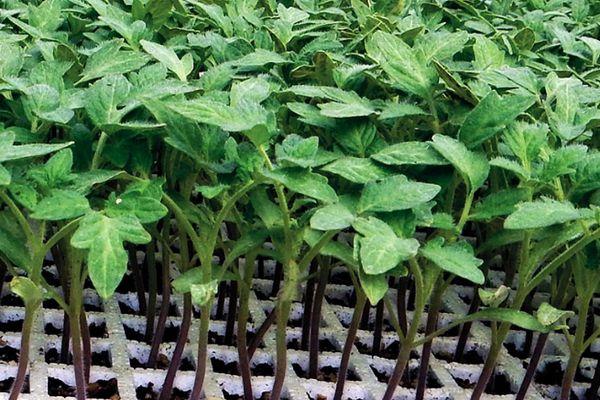
Once the seedlings emerge, the container is moved to a well-lit location. Care for the seedlings includes watering them regularly as the top layer of soil dries. For normal plant development, mineral fertilizers are required.
When 3-5 true leaves have formed, seedlings are pricked out. Peat pots filled with substrate are used for this purpose. Pricking out seedlings stimulates root growth and allows for the selection of weak plants.
Before planting, it is recommended to add compost and mineral fertilizer to the holes. During the growth and fruit formation period, apply a combination fertilizer containing potassium, phosphorus, and nitrogen 2-3 times.
This variety is susceptible to late blight. The fungal infection manifests as brown spots on the leaves. Late blight is most prevalent during periods of fluctuating temperatures.
To prevent the disease, a series of measures are implemented. Bushes are periodically treated with copper-containing preparations. To ensure air access to the plants, the lower leaves are removed.
Periodic loosening of the soil creates an unfavorable environment for fungal growth. Spraying the bushes with a boric acid solution will help prevent infection. For preventative measures, vegetable growers recommend spraying the plants with a solution of garlic, potassium permanganate, and liquid soap.
Spraying this mixture will repel biological pests. Plant care involves timely watering, loosening the soil, and hilling the plants.
To prevent excessive moisture evaporation, mulch the soil using fiber or organic materials (straw, hay, leaves, wood shavings).
Related posts:
 The best eggplant varieties for growing in a polycarbonate greenhouse: planting and care
 Description of the best varieties of black tomatoes for open ground and greenhouses
 When and how to properly transplant tomato seedlings, the best days in 2025
 80 Best Eggplant Varieties for Different Regions with Descriptions and Characteristics
 The use of peat as a fertilizer for potatoes and other crops and its differences from humus
 The best grape varieties for growing in the Urals, planting and care rules in summer
 Causes and treatment of cherry diseases, methods of pest control
 Description of the Red Early apple tree variety, agricultural technology and specific care