
Beginning gardeners often wonder why their beloved gladioli aren't blooming. The cause isn't limited to climate, poor planting practices, or unsuitable soil. Plants are also susceptible to various diseases and pests. It's important to address these issues promptly and take the necessary measures to ensure beautiful, long-lasting blooms in the future.
Why gladioli don't bloom - the main reasons
There are several common reasons why gladiolus plants fail to bloom. Properly identifying and promptly addressing these issues will ensure your favorite flower becomes a worthy addition to your flowerbed next season.
The drop-off location was incorrectly selected.
It's important to choose the right site for planting gladiolus bulbs. In the shade, plants bloom late, and late-blooming varieties don't have time to bloom at all by the end of the season. Planting flowers in the same place for several years leads to soil depletion and nutrient deficiency. As a result, the gladioli grow weak and fail to form buds. The flowerbed should be moved every two years.
Gladiolus plants should be planted in a well-ventilated area. Otherwise, there's a risk of fungal infections, and flowering will never occur. A lack of moisture also prevents gladiolus from forming buds. It's best to locate the flowerbed in a low-lying area where the soil retains moisture longer.
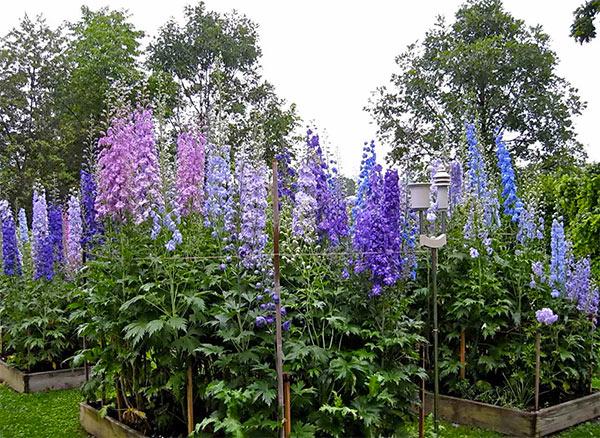
Adverse weather conditions
Hot and dry weather is unfavorable for gladioli to bloom. They require additional watering. This is recommended in the evening, when the heat has subsided. This not only saturates the soil with necessary moisture but also cools it. Gladioli also do not bloom in cold and rainy weather.
Mistakes when planting bulbs
Incorrect bulb planting is a common practice among novice gardeners. There are tricks and secrets to this. Specifically, avoid planting second-year and young bulbs next to each other. Weak young bulbs will be overwhelmed and won't have time to gain strength. It's recommended to plant older bulbs in a separate flowerbed.
If the area is dominated by light soil, then the hole depth is made equal to four diameters of the bulb, and on heavier soils - three diameters.
Planting the bulbs too deeply will delay the growth and development of the flower. Gladioli should be planted in dry, arid weather, when the soil has warmed to at least 10°C. Planting the bulbs at different times will ensure a long flowering period. This should not be done later than the end of May.

Pest infestation
Pest infestations can also delay or completely prevent gladioli from blooming. These can be controlled with timely preventative treatments.
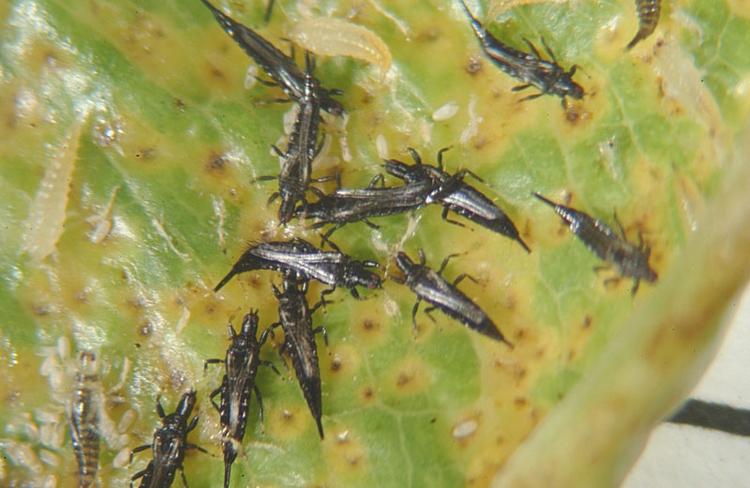
Thrips
This pest feeds on plant sap. It most often inhabits flower buds, where it is difficult to detect. After the growing season, the insect migrates to the bulb, where it overwinters safely. As a preventative measure, gladioli are treated with an insecticide before and during flowering. Treatments are repeated periodically, depending on the recommendations in the instructions. Three to four sprays are required throughout the season.
To protect bulbs dug up for the winter, they are washed and then immersed in a solution of Karbofos or Fufanon for 10 minutes. After this, the bulbs are rinsed under running water and thoroughly dried. Experienced gardeners, after digging, transfer the planting material to a bag, spray it generously with Dichlorvos, and seal it tightly. After 30 minutes, they are removed, dried, and stored.
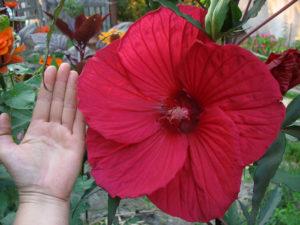
Wireworm
Wireworms are the larvae of the click beetle. These pests remain in the soil for up to four years and can damage any crop. Gladioli damaged by wireworms do not gain vigor and fail to bloom. To prevent these consequences, when planting bulbs, add 1 tablespoon of the "Protection" preparation to each hole.
Lack of proper care
Although gladiolus is an undemanding and unpretentious flower, it still requires some care and attention. Otherwise, you may never see a lush bloom. When growing them in light soil, use both root and foliar feeding. After each watering or heavy rainfall, loosen the soil and remove any emerging weeds.
If the planting material was not strong enough, then without timely loosening it will not form flower buds.
The first feeding is done when the plant has three mature leaves. Use potassium or urea. Repeat the procedure when the fourth mature leaf appears. Subsequently, use only phosphorus-potassium fertilizers that do not contain chlorine. Nitrogen requirements decrease sharply with the onset of flowering. It's best to use water-soluble fertilizers, which are more readily absorbed.
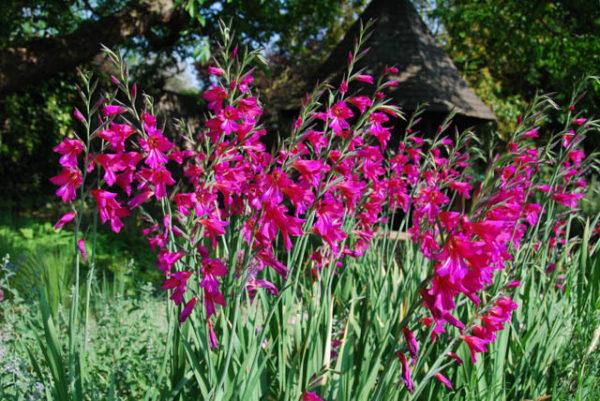
Experienced gardeners recommend mulching the soil in flowerbeds to retain moisture and prevent weed growth. This also protects roots from overheating and freezing. During precipitation, nutrients are not washed out of the soil, and a hard crust does not form on its surface.
When cutting gladioli, leave at least four leaves. Otherwise, nutrients are drained from the bulb, preventing it from gaining strength. Young plants should have their buds trimmed, otherwise their growth will be stunted and they will not bloom the following season.
Fusarium
Fusarium wilt causes poor root development and leaf growth. In summer, the leaves take a long time to turn green, but then the gladiolus turns completely yellow. It's easy to pull it out of the ground without tools or equipment. Reddish-brown spots are visible on the affected bulbs. Such material must be destroyed immediately.
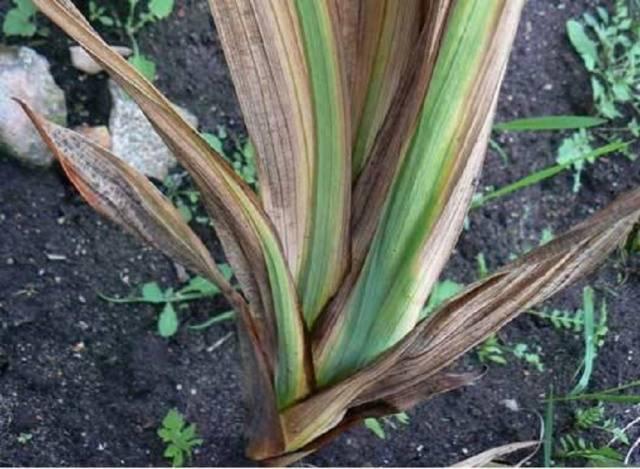
Fusarium wilt is triggered by excessive moisture or severe drought. The risk of its occurrence is also increased by an excess of organic matter. The disease easily spreads from already affected bulbs to healthy ones. Plants are difficult to treat. As a preventative measure, bulbs are soaked for 10 minutes in a 0.02% solution of Fundazol before planting.
Tips and recommendations from gardeners
Experienced gardeners recommend carefully and responsibly choosing gladioli planting material. Varieties must be adapted for cultivation in the climatic conditions of a particular area. Mid- or late-blooming plants won't have time to bloom in the short, cold summer. Large, young bulbs should be purchased for planting, as older bulbs may fail to bloom. Furthermore, older planting material may be infected with fusarium or other diseases.
Some varieties tend to bloom only after a one- to two-year interval. This is especially true for Dutch varieties. When purchasing planting material, it's important to clarify these details with the seller or carefully study the variety's characteristics.
Related posts:
 Description and characteristics of wild and cultivated varieties of gladioli
 Planting and caring for gladioli in open ground, growing and the best varieties
 When to dig up gladioli for the winter, timing and rules for storing bulbs
 Description of shallot varieties, cultivation and care, when to harvest
 How to propagate gladioli by seeds, cuttings, and dividing bulbs
 When and how to plant tulips in the Urals in autumn and care for them outdoors
 When is the best time to plant tulips in open ground? Timeframes by region and rules.
 Planting and caring for daffodils in open ground, the best time and growing rules