
Using compost from manure, leaves, straw, sawdust, and other components is essential for fertilizing agricultural crops. Thanks to its organic composition, it improves soil properties, accelerates plant growth, and increases crop yields in any garden plot.
What is humus and where can I get it?
Humus is one of the most readily available organic fertilizers. It enriches the soil with micronutrients essential for the growth and full development of crops. It's easy to prepare at home, using cattle manure, poultry droppings, plant residues, and other readily available ingredients in garden plots.
Ready-made humus can be purchased from experienced farmers, taking into account the following important points:
- the color of organic fertilizer can be brown or gray, but in no case black;
- high-quality humus does not stick to your fingers;
- The correct weight of a standard bucket of humus is 5-8 kilograms (a weight of more than 8 kg indicates excess moisture in the composition, and less than 5 kg indicates drying out).
Product composition
Humus in the classical sense consists of the following organic components:
- cattle manure;
- leaves, branches and other parts of plants;
- bird droppings;
- straw, hay;
- tree bark;
- ash;
- wood sawdust;
- fruit and vegetable scraps.
 Additionally, special additives that stimulate the growth of plant crops can be added to the basic composition.
Impact exerted
High-quality humus is rich in nutrients essential for soil. It also has the ability to absorb and retain moisture. This property explains its beneficial effects on various types of soil:
- Adding organic fertilizer to sandy soil ensures better retention of moisture and nutrients in the root zone of plants.
- Clay soil, which is characterized by increased heaviness, acquires a looser and more airy structure under the influence of humus.
- Humus, when used as mulch, protects the soil from overheating. It also creates favorable conditions for the habitation and reproduction of worms and beneficial bacteria, which have a positive effect on the health of plant roots.
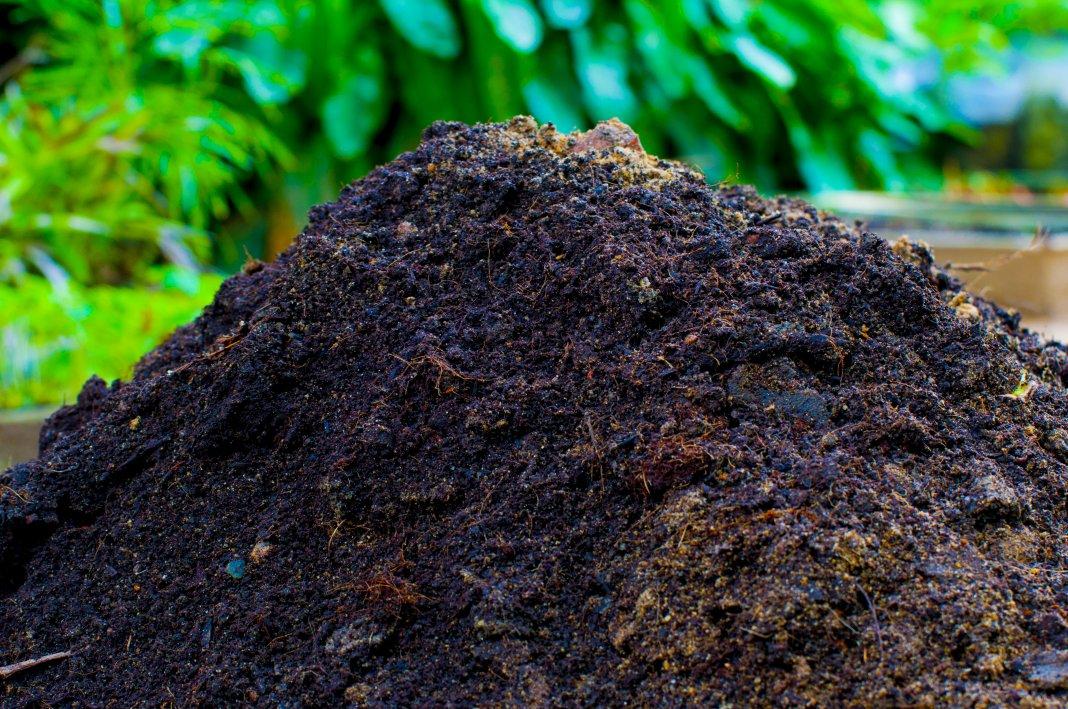
Humus rich in humic acid is considered the most beneficial for soil. It contains mineral compounds, tannins, and microbial proteins.
Take a look Also
Types of humus
Depending on the composition, there are three main types of humus:
- leafy (vegetable);
- from bird droppings;
- from cattle manure.
Leaf mold is widely used due to its ease of preparation and environmental friendliness. It contains minimal trace elements and nutrients. Its main benefit is retaining moisture at the roots of plants. This allows earthworms to reproduce more actively and loosen the soil, ensuring maximum oxygenation.
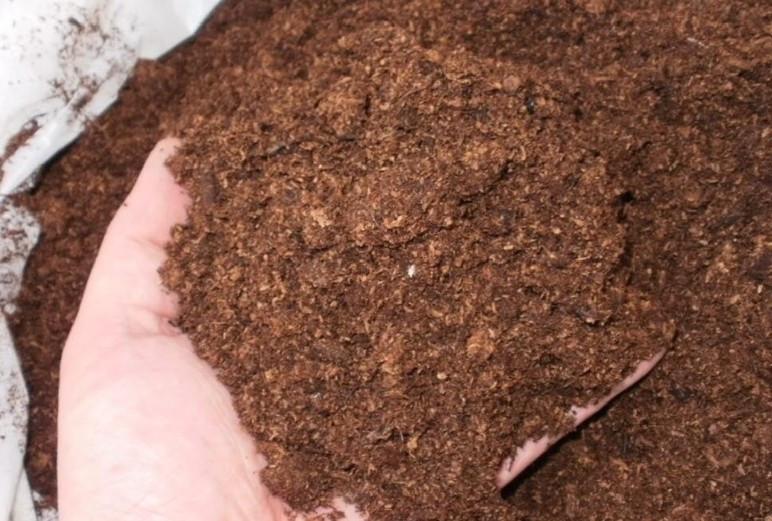
Leaf humus is used to cover cucumbers, tomatoes, and peppers. It conditions and acidifies the soil, protecting it from drying out. It also protects vineyards and flowers from freezing during the winter. This type of compost is also used as a soil conditioner for houseplants.
Humus obtained from concentrated, rotted manure is highly fertile. A high-quality product is free of ammonia, harmful viruses, and bacteria, making it safe for plant roots. Signs of a properly prepared fertilizer include a loose structure, an earthy color, and the absence of a strong odor.
Composted poultry manure has a higher urea concentration. It contains approximately four times more beneficial components than other types of animal manure. Using this type of compost will help enrich the soil with nitrogen, potassium, phosphorus, and magnesium.
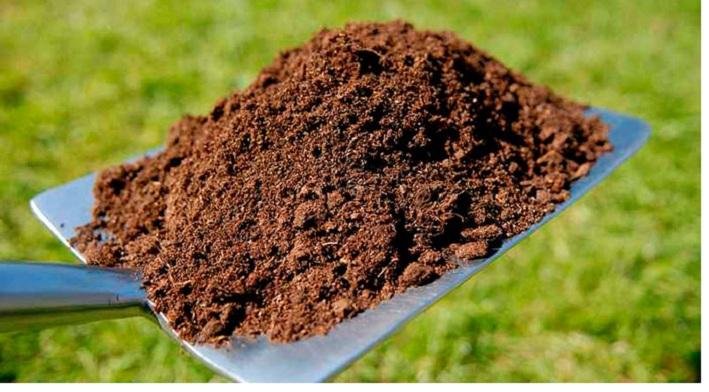
Making humus yourself
There are several ways to make your own compost. It's important to understand how to do it quickly and efficiently, having all the necessary ingredients on hand.
The simplest method is to make compost from grass. For a more balanced composition, it's recommended to add food scraps and coffee grounds.
Ingredients of classic herbal humus:
- grass, straw and hay;
- tree branches, leaves, bark and sawdust;
- plant rhizomes;
- fruit and vegetable scraps;
- bird droppings.
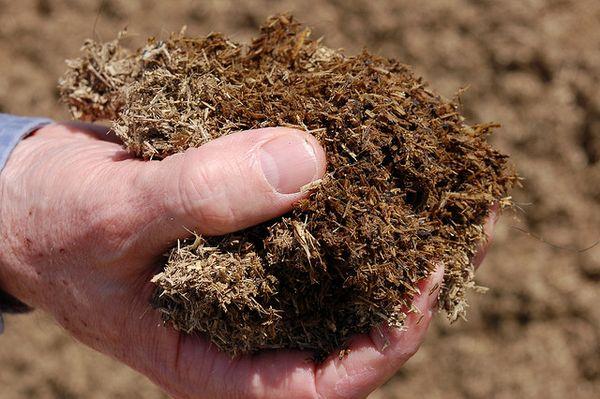
All listed ingredients must be poured into a mesh bag in equal proportions, in successive layers, and then thoroughly compacted. If a significant portion of the material used is dry, water it and then tie the bag shut. This fertilizer must not contain animal feed, chemicals, diseased or weedy plants, or any substances that are not self-degradable.
Burt method
The pile method produces high-quality compost by layering manure, organic matter, and soil. First, select a plot of land with a dense, infertile topsoil. This will prevent the soil from settling under the pile of fertilizer and drawing moisture from it. The plot should be square, measuring 1 x 1 or 2 x 2 meters. Use boards to enclose the area to prevent the maturing biomass from spilling over.
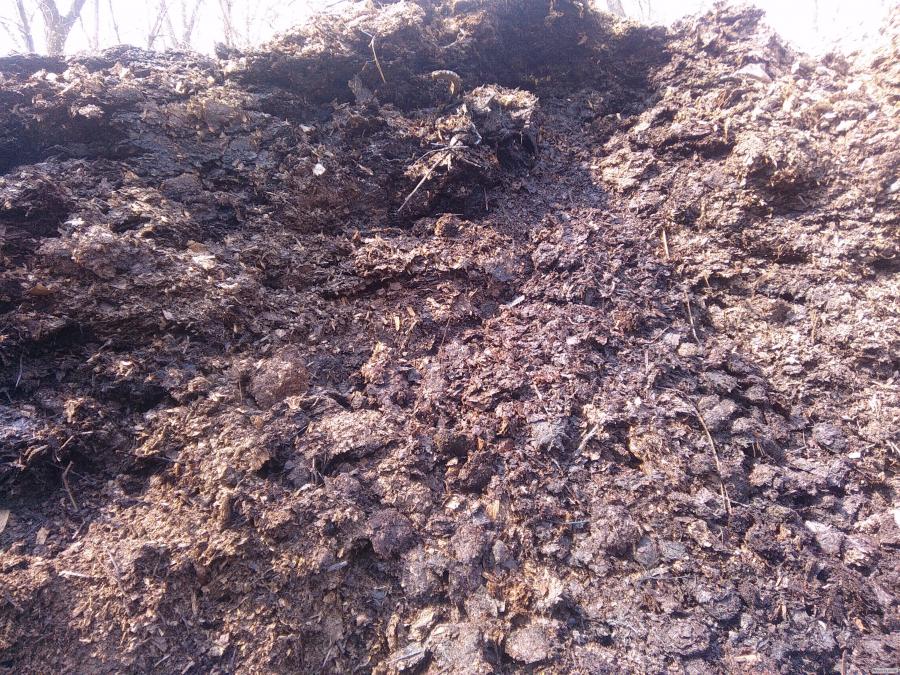
After this, you can begin laying out successive layers. The optimal thickness for each is 15 centimeters:
- Drainage made of gravel or crushed stone.
- Straw or hay.
- Cattle manure.
- Organic components - peat, wood ash.
- Soil from a garden plot.
- Organic.
- Soil.
- Organic.
- Soil.
Each layer should be watered with a hose to ensure optimal moisture levels. It's a good idea to sprinkle crushed eggshells between layers to add calcium. A shelter should be built over the finished mound. During drought, the mixture should be watered generously, preventing it from drying out.
American method
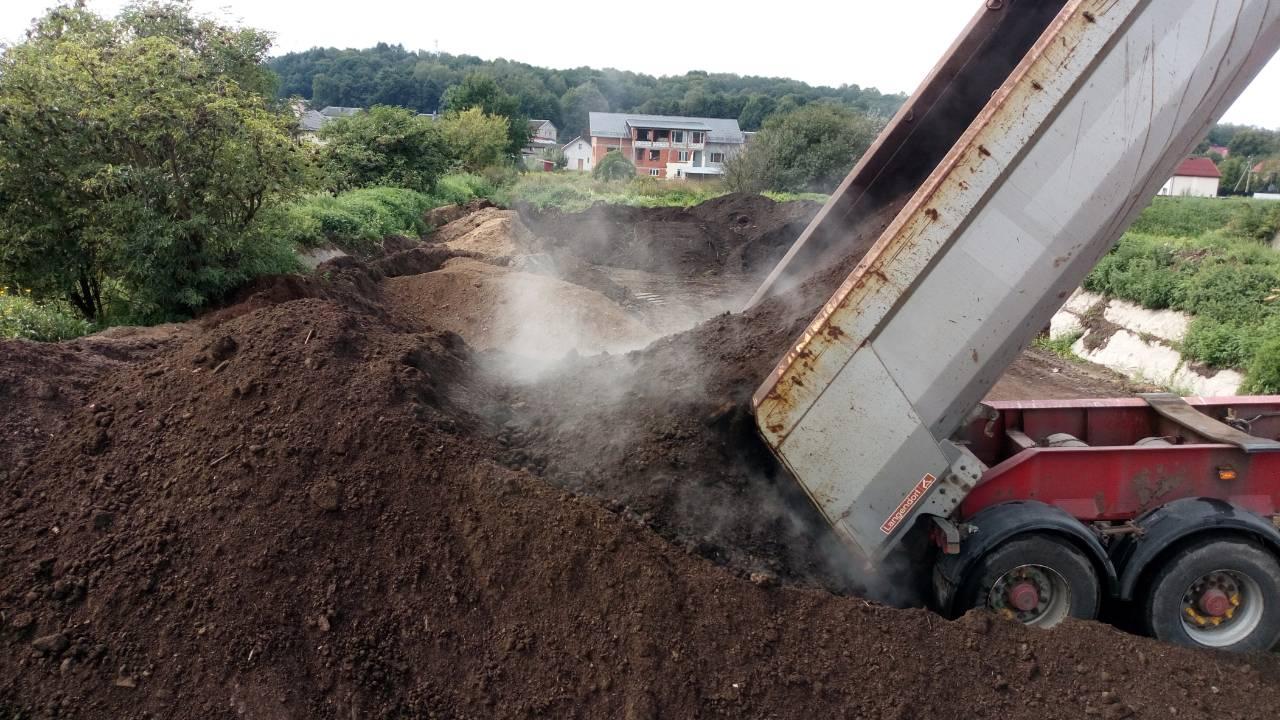
Following the American method, you need to make a box out of planks with three sections and a lid. Leave small gaps between the boards to allow the organic fertilizer to breathe. For easy removal of the ripened product, build doors in the bottom of the box.
From straw
Straw is very popular for making compost because it matures much earlier than leaves. It should be chopped into pieces and spread evenly over the area. Then, carefully dig the soil to expose the straw. As the straw decomposes completely over the winter, it will provide the necessary nutrients to your crops the following spring.
The soil will acquire the properties of black soil if this fertilizer is used for at least five years in a row. Decomposed straw enriches even clay and loamy soils with nutrients.
From rotted manure
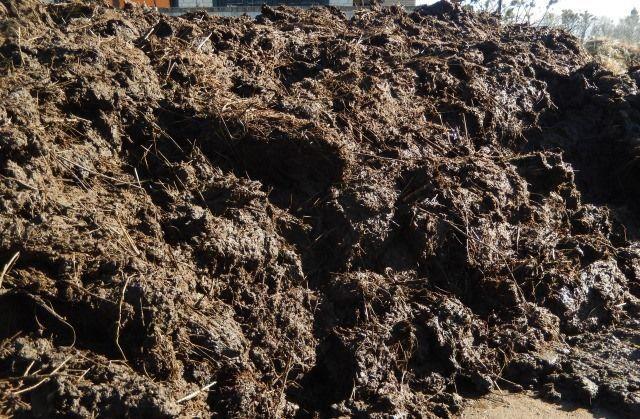
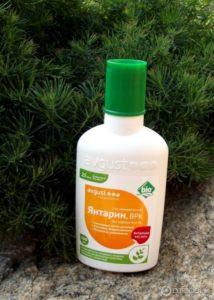
For this, you'll need rotted cattle manure and plant tops. They need to be chopped and placed in layers in a pre-prepared compost pit. Wear gloves when handling. After a week, mix the mixture and water it with an EM solution. The fertilizer will be ready in a month.
From bird droppings
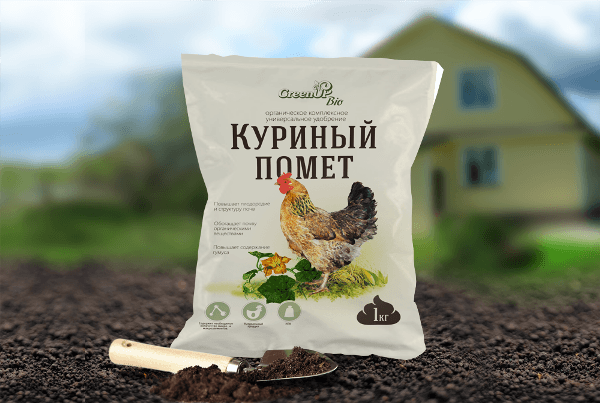
In this case, chicken or pigeon manure is used. For greater effectiveness, grass clippings, fresh vegetable trimmings, hay, paper waste, ash, pine needles, and tree bark are added. The ingredients are finely chopped and layered in a compost pit. A 10-centimeter-thick layer of bird manure is added every 40-centimeter layer of the soil and dry ingredients mixture.
Sheet
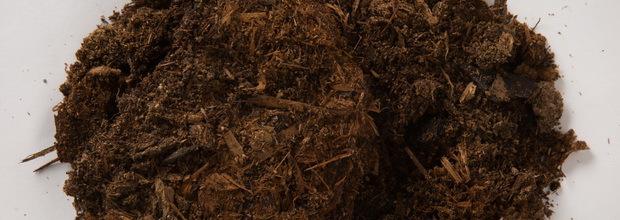
Grass and leaf compost is an effective fertilizer that doesn't require complex processing. Collected leaves should be placed in a mesh box or a plastic bag with pre-punched holes. This fertilizer matures in 1-1.5 years. To speed up the maturation process, the leaves should be regularly stirred.
Pine needles, which should be pre-crushed, can also be used for these purposes. The average maturity period is three years.
Terms of Use
Humus can serve as both a primary fertilizer and a seasonal supplement. During spring soil preparation for planting, it is recommended to add 10-15 kg of humus per 1 m.2 area of the site to a depth of 15 centimeters.
Additionally, any garden crop can be mulched by applying a 5-centimeter layer of fertilizer to the soil surface. During warm summer months, compost diluted with water at a ratio of 1:15 can be used as a root feed for all plant species.
How to store
The best containers for storage are old wooden barrels with cracks or boxes with loose walls—this is necessary to ensure the proper microflora. You can also store it in plastic bags at your dacha.
How is it different from compost?
Humus and compost are environmentally friendly organic fertilizers. While they have similar properties, they differ in composition and maturation rate. The first option is based on manure or litter with a small addition of plant particles. The maturation period for humus can last up to five years. The second option, compost, contains equal parts of various plant residues, fresh garden soil, peat, and rock phosphate. It matures more quickly, in about two years from the time of application.
Related posts:
 The use of peat as a fertilizer for potatoes and other crops and its differences from humus
 How to use and prepare manure as a fertilizer, its types and composition
 How to prepare soil for tomato seedlings yourself
 What is mulch and how to use it correctly, the benefits of the procedure
 How to prepare soil in a greenhouse for tomatoes in spring and how to treat them before planting
 A review of the best cultivators for inter-row tillage, and how to make them yourself
 The best eggplant varieties for growing in a polycarbonate greenhouse: planting and care
 What fertilizers to apply to the garden and vegetable garden in the fall: instructions