
- Greenhouse treatment before planting tomatoes
- Crop rotation
- Why does soil quality matter?
- Homemade mixtures
- Necessary components
- Unacceptable additives
- Ready-made compositions
- What is better to use?
- How to restore soil fertility after using chemicals
- Infestation with earthworms or "rainworms"
- Liming
- Green manure: fertilizing the beds with nitrogen
- Preparing a bacterial cocktail
- Disinfection and thermal treatment of soil
- Analysis of proper preparation: how do seedlings behave?
Before planting seedlings, you should pay attention to Preparing the soil in a greenhouse for tomatoes in springOver time, the soil in a confined space becomes depleted: bacteria are deprived of their natural habitat. This leaves the vegetables with a depleted nutritional environment. Fertilizing partially alleviates this problem, but without microorganisms in the soil, chemicals cannot be absorbed.
If a farmer has several greenhouses, they can restore soil fertility by practicing crop rotation. The cost of such measures is low. However, tomatoes will only be able to return to their original locations in the fifth year. Building new structures or completely replacing the land is expensive.
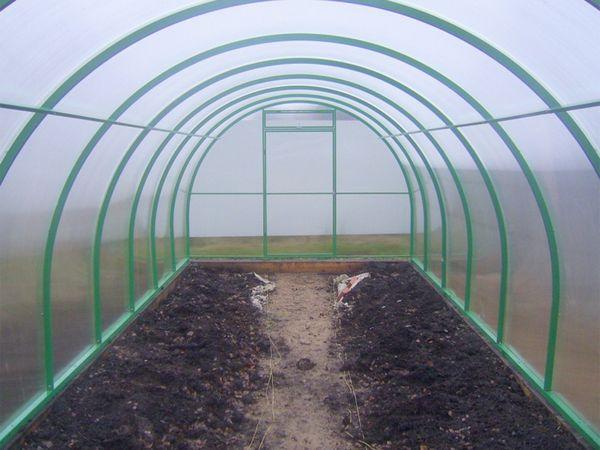
Greenhouse treatment before planting tomatoes
It's important to prepare for planting tomatoes in advance. As soon as temperatures permit, it's recommended to treat the greenhouse:
- Remove plant debris, including dry leaves and tops. Clean any plant debris from the walls and ceiling.
- Wash all surfaces with a solution of washing soda. Be especially careful to brush out all crevices, as they may harbor overwintering insects.
- Spray all surfaces with antifungal agents. This will kill any remaining spores.
- It is especially important to clean the roof of the structure: dirt accumulates on it over the year, which will reduce the amount of light reaching the planted plants.
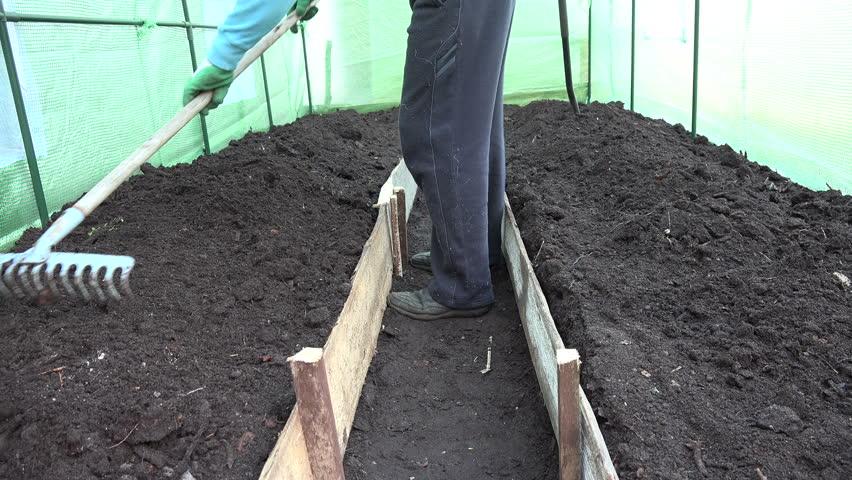
When cleaning the greenhouse, you should step on the soil as little as possible: lay down boards or plywood panels.
Crop rotation
Plants of the same family (Solanaceae), placed one after another in a greenhouse, draw the same nutrients from the soil. They also share the same pests. They parasitize the plants, then burrow into the soil and successfully overwinter. Sometimes greenhouse owners think that annual application of mineral and organic fertilizers will quickly restore the soil fertility in the greenhouse.
However, if crop rotation is not observed, the farmer ends up with soil with an excess of some nutrients and a deficiency of others.
When tomatoes are planted after peppers or eggplants, yields drop significantly. Tomatoes also become susceptible to diseases more frequently. Yields decline, and with them, profitability. Good tomato predecessors include marigolds, calendula, phacelia, lettuce, radishes, white mustard, oats, and rye. These plants improve the soil and control pests (such as wireworms). Cuttings and incorporating them into the soil will enrich it with nitrogen.
Why does soil quality matter?
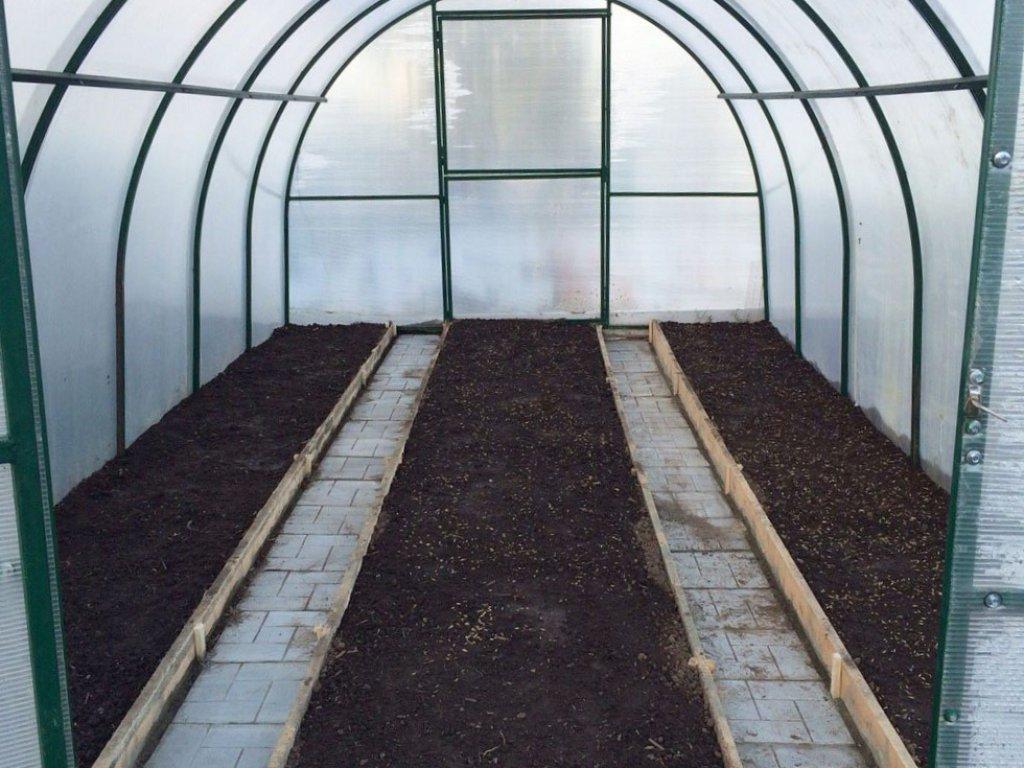
A farmer plants tomatoes in a greenhouse to produce an early harvest. Tomatoes prefer fertile soil with a neutral or slightly acidic pH. The soil must be loose to allow air and moisture to reach the roots. Growing tomatoes in poor, unstructured soil is impossible.
![Description of the best varieties and rating of tomatoes for greenhouses for [year]](https://harvesthub.decorexpro.com/wp-content/uploads/2019/01/1488884503_grin-kolor-300x181.jpg)
Homemade mixtures
Some farmers prefer to prepare the soil for tomatoes themselves. This is easy if you stock up on all the necessary ingredients in advance.
Necessary components
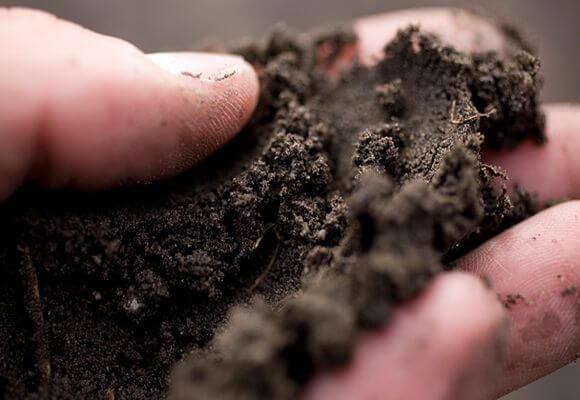
An excellent soil for tomatoes is obtained by mixing in equal parts:
- humus;
- neutral reaction peat;
- turf soil;
- sand.
To increase fertility, it is recommended to add potassium and phosphorus. These elements can be added to the planting holes instead of mixing them with the planting soil: 1 tablespoon of double superphosphate and 1 teaspoon of potassium.
Unacceptable additives
When preparing the soil yourself, it is recommended to ensure that the following does not get into the mixture:
- seeds and parts of weed roots;
- May beetle larvae;
- wireworm larvae;
- pieces of broken glass, rusty nails.
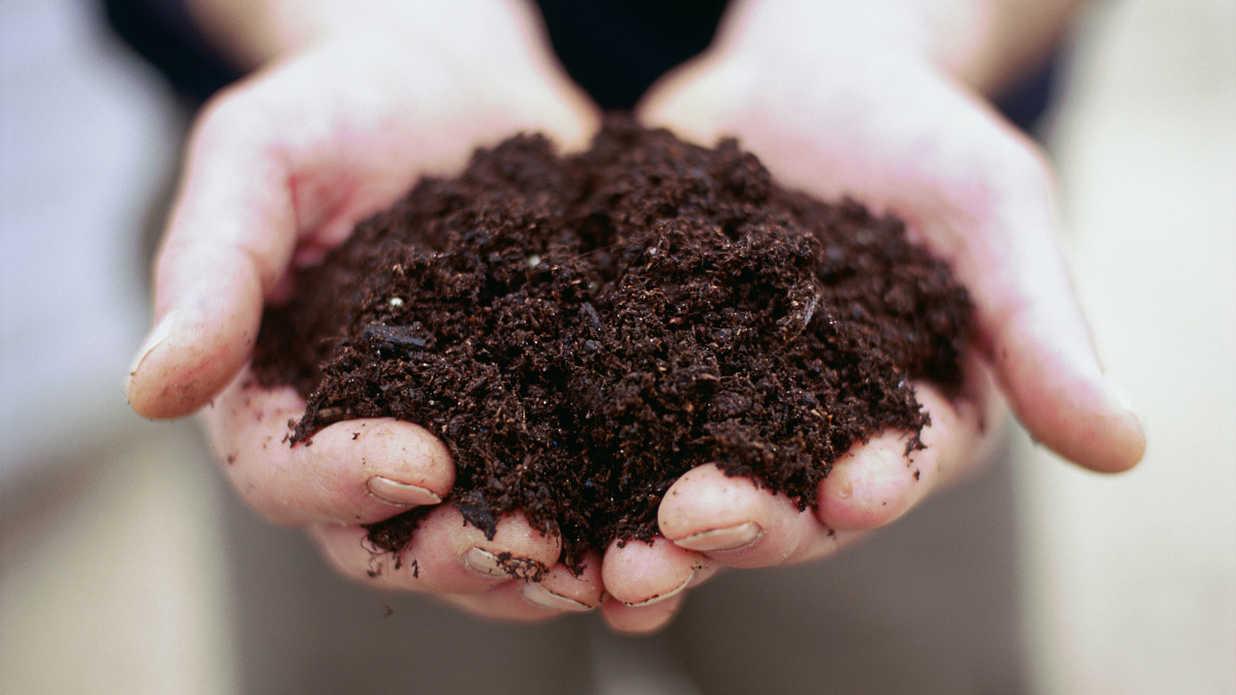
It is prohibited to use waste soil (soil from roadsides and right-of-way) for nutrient mixtures: it contains chemical impurities that are harmful to health.
Ready-made compositions
Some agricultural holdings offer a ready-made mixture of humus and peat. It's completely ready to use, but other ingredients must be added. Purchasing this product simplifies the preparation of a nutrient mixture for tomatoes. Farmers can save time and purchase ready-made tomato soil. However, this product is not cheap, which will impact the final cost of greenhouse tomatoes.
Those who want to reduce the cost of the process can use a mixture of turf and sand as the basis for the soil in the greenhouse, and add 1 liter of special soil for tomatoes to each hole.
What is better to use?
Profitability is the foundation of any farming operation. This is precisely what a grower should consider when choosing greenhouse soil. If it's possible to purchase inexpensive, ready-made soil of which they have confidence, it's worth saving time and effort. It's recommended to use the saved funds to purchase seeds of high-yielding varieties and hybrids.
If it is cheaper to purchase the components separately, then it is worth spending the time and effort to prepare the soil yourself.
In any case, don’t forget about mineral supplements: they will definitely be needed.
How to restore soil fertility after using chemicals
The use of chemical fertilizers in large quantities leads to soil depletion: beneficial bacteria and earthworms are killed, the soil is dead, although saturated with all minerals.
Planting on such soil is pointless: tomatoes grow unattractively and fail a simple nitrate test. The farmer's time and effort are wasted.
Soil fertility needs to be restored. Here's how to proceed:
- Remove the soil from the greenhouse and place it on plywood laid out on the ground outdoors. Sow green manure crops (oats and rye) in the mounds. Mow the grains, using the plant residues as mulch. Keep the mounds moist. After 2-3 years of this care, fertility will be restored: earthworm burrows will be visible when cut. This soil can be returned to the greenhouse.
- Preserve the greenhouse for 2-3 years. Moisten the soil regularly, sow green manure, and then mow. In the second year, try adding earthworms. During the winter, ensure the greenhouse is always covered with a 20-30 cm layer of snow. After 3 years, fertility will be restored: the bacteria will repopulate. The greenhouse is ready for planting tomatoes.
It's important to remember: restoring soil fertility is a long-term process. Therefore, it's recommended to apply fertilizer in amounts that tomatoes can fully digest. This will ensure the soil remains vibrant throughout the years it's used for tomato cultivation.
Infestation with earthworms or "rainworms"
From a biological perspective, soil is a living organism. It is inhabited by aerobic and anaerobic bacteria. However, microorganisms are vulnerable; they die when exposed to excess foreign chemicals. Earthworms help restore their numbers. They consume plant residues, metabolize them, and enrich the soil with humus. This layer is a breeding ground for bacteria.
But it's important to remember: this process is very slow. Over several decades, worms will create only 1 cm of nutrient-rich soil.
Liming
Soil oversaturated with mineral fertilizers is acidic. This is also detrimental to the bacteria living in it. Adding lime will trigger a chemical reaction, making the soil less acidic. But it's important to remember: for this reaction to occur, the soil must be moist.

If lime is unavailable, sifted stove ash can be used. Sprinkle 1 liter of ash per square meter of greenhouse area. Then water with a hose (use a fine spray nozzle). This method is also used to accidentally apply excess nitrogen.
Green manure: fertilizing the beds with nitrogen
An excellent way to improve the health of garden beds. However, it is primarily used to eliminate pathogenic flora when crop rotation is not possible.
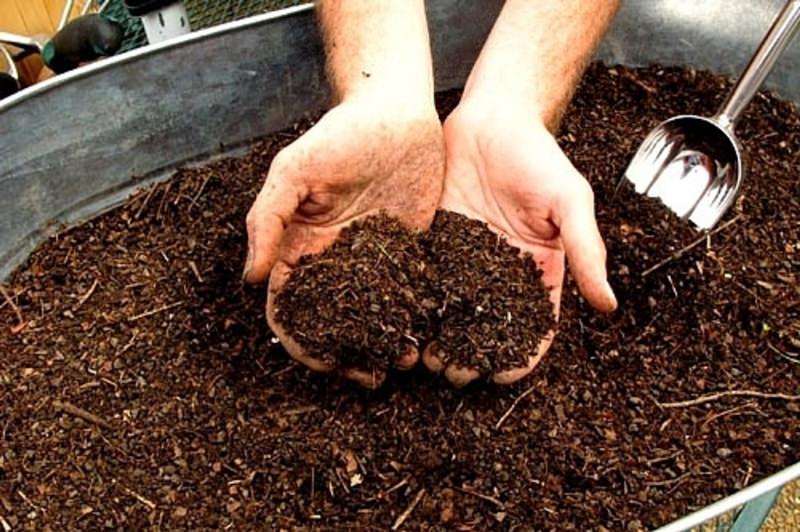
Rye, oats, phacelia, and mustard destroy wireworm larvae and harmful bacteria. The seeds are sown in the soil and moistened. After 15-20 cm of growth, the soil is dug over, and the remains are incorporated into the soil. It is important to remember: if you do not dig up cereal crops in time, you may end up with weeds, aggressive like couch grass, instead of useful plants.To increase fertility, this method is used in combination with liming and adding worms.
Preparing a bacterial cocktail
Large garden centers offer soil fertility-boosting bacteria. They are sold dry. To prepare them for inoculation in the soil, you first need to create a liquid nutrient medium for them. In this medium, the bacteria will multiply to the required concentration.
The bacteria should be prepared in advance: they reach the required concentration within several months. The resulting solution is diluted with water and used to water the soil.
Disinfection and thermal treatment of soil
Farmers are wondering: what to use to treat the soil in a greenhouse for tomato plants? Some prefer to use light pink potassium permanganate or copper-containing products, diluted according to the instructions, to disinfect the soil.
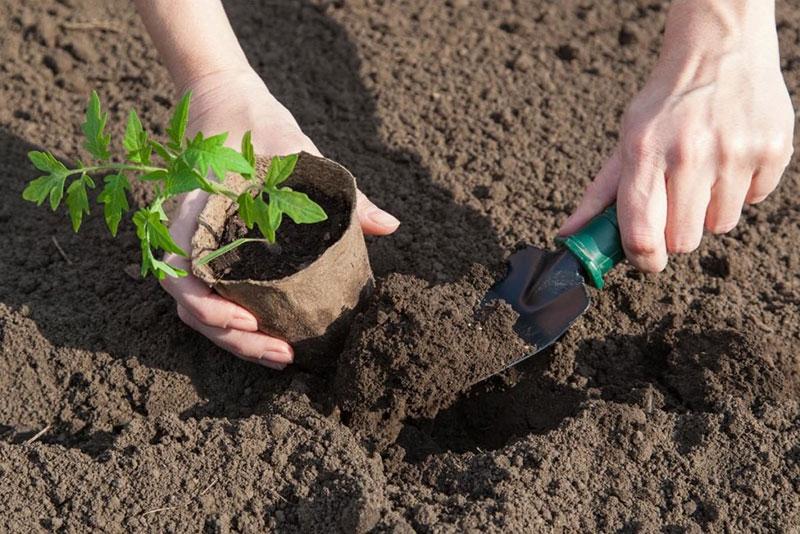
This treatment destroys late blight spores, which attack tomato crops, and other fungi. However, these treatments are also harmful to worms and soil bacteria. Therefore, before treatment, consider how these measures will impact soil fertility.
It's important to remember: if you follow the proper tomato growing practices, there's no need to disinfect the soil in your greenhouse. After harvesting, the soil may be depleted of nutrients, but it's healthy.
It's not possible to completely heat-treat the soil in industrial greenhouses. However, if desired, it's possible to heat-treat some of the soil used to fill the planting holes.
Take a look Also

Analysis of proper preparation: how do seedlings behave?
During the early stages of tomato development, maintaining the correct amount of nitrogen in the soil is crucial. This element is essential for rapid development and leaf growth.
After planting and acclimation of young tomatoes, you can determine whether the soil in the greenhouse is good:
- If the upper leaves are dark green and curl downward, there's an excess of nitrogen in the soil. To correct this, generously sprinkle the soil with stove ash (1 liter per bush) and then water. If you skip this step, the bushes will become overweight and will be reluctant to bloom. Furthermore, pests love these plants because of their sweet sap. It is important to remember: excess nitrogen is just as harmful as too little.
- If the lower leaves of young plants have yellowed and dried out, but the watering schedule is maintained, the soil is low in nitrogen. It is recommended to apply urea or water the plants with an infusion of fermented grass. Foliar nitrogen application will also produce good results. The results will be noticeable within 2-3 days.
To obtain healthy bushes and early fruits, any identified deficiencies should be corrected immediately.
Related posts:
 The best eggplant varieties for growing in a polycarbonate greenhouse: planting and care
 How to prepare soil for cucumbers in a greenhouse in spring and what kind of soil they prefer
 How to prepare soil for tomato seedlings yourself
 Is it possible to soak treated cucumber seeds before planting and how to do it correctly?
 How to properly prepare planting material and when to plant potatoes to get a rich harvest
 Corn sowing rules and regulations, how to plant and prepare seeds
 How to properly plant peas in a greenhouse and open ground
 Methods for planting and propagating cherries at home