
- Features of growing beets
- Benefits of mixed plantings
- Choosing a location for planting beets in mixed crops
- What can you plant beets in the same bed with?
- Potato
- Tomato
- Cucumbers
- Carrot
- Beans and peas
- Onion or garlic
- Eggplant
- What shouldn't be planted with beets?
- Rules for crop rotation of beets
- Caring for mixed crops
Many gardeners neglect crop rotation rules when growing crops. Yet, the future harvest often depends on it. Many try to plant two crops in the same bed to save space. For example, many have heard about the good compatibility of onions and beets. But beets are not the only plants that can be planted with onions.
Features of growing beets
Beets are one of the most undemanding crops. These root vegetables thrive in a variety of soils and are compatible with most other vegetables. However, unlike most other crops, they are very demanding in terms of heat, so it's recommended to plant them after the soil has warmed up and frost has passed.
Benefits of mixed plantings
The main advantage of interplanting is space savings. This planting method is particularly useful for small spaces or greenhouses. Companion planting in a greenhouse not only saves space but also time spent caring for both plants.
Besides the advantages, there are also disadvantages to such plantings. Even if the crops require the same care, there are still differences. And sometimes these differences are significant. This primarily concerns watering. Beets are moisture-loving plants. And this can be a major problem when grown together.
Plants protect each other from pests and diseases, often eliminating the need for chemicals. A nearly 20% increase in yield can also be noted. Another benefit is the improved taste of the fruit when grown together.
Choosing a location for planting beets in mixed crops
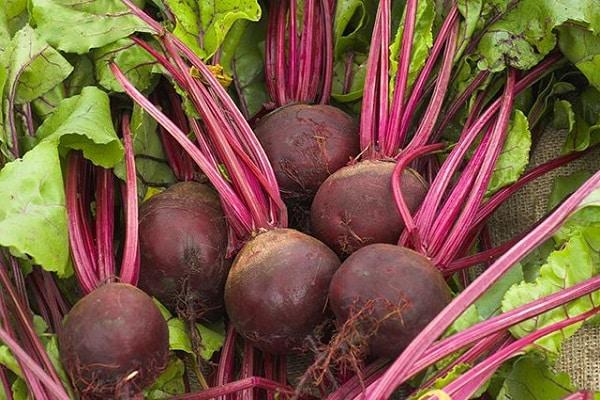
Before creating your beds, you need to choose a location that will be favorable for root vegetables. It's also important to consider that your neighbors should also be comfortable on the site. Otherwise, you can forget about a good harvest. The crop prefers open, sunny areas. The plants should be exposed to sunlight for most of the day. This should be taken into account when choosing neighbors.
It's undesirable to have trees and shrubs growing nearby. They will take up all the nutrients, leaving the root vegetables starved. This will result in a meager harvest.
What can you plant beets in the same bed with?
Before planting, you should first choose the best crops to plant next to. But root vegetables aren't the only ones you can plant alongside vegetables. A surefire way to prevent insects is to plant calendula, marigolds, valerian, or mint near your beds. The scents of these plants repel pests, and you can save significantly on insecticides.
Take a look Also

Potato
The most favorable neighbor is potatoes. There are no "disagreements" between the two varieties; they even feed each other throughout the growing season. Even after harvesting, the root vegetables can be stored in a single bag or box. For every 25 kg of potatoes, you need 5-6 beets.
If you put root vegetables in one bag, they will not lose their nutritional properties until next year.
Tomato
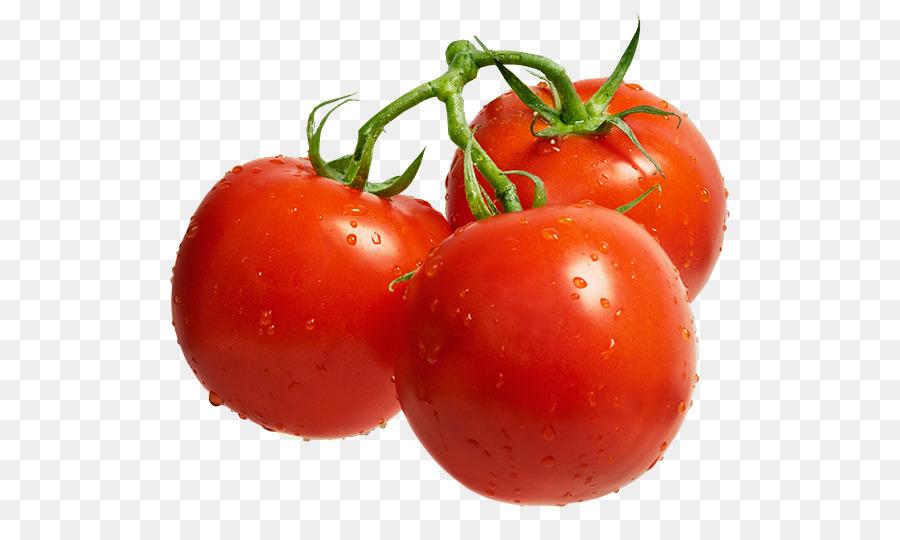
Everyone knows that late blight is the main enemy of tomatoes. Once the disease has appeared, it can be very difficult to get rid of. But there's a simple solution: plant beets nearby. One of the characteristics of root vegetables is that they release something like an antibiotic into the soil, which destroys late blight and has a healing effect if the disease has just begun to appear. In addition, the proximity of tomatoes to root crops stimulates the growth of bushes and the formation of fruits.
Cucumbers
More One good neighbor in the garden beds is cucumbers and beetsBoth crops love the sun and prefer abundant watering. This proximity prevents cucumber diseases.
But it's best to plant garlic next to these plants. Slugs are often seen on these two crops. They prefer areas with abundant moisture. And garlic's scent repels pests. This planting method allows you to kill two birds with one stone: you'll save space and avoid the hassle of dealing with the ubiquitous slugs in your garden beds.
Carrot
Beets can be planted next to carrots; the two crops get along well together. However, unlike carrots, beets require more moisture. While beets require daily watering, carrots do not need such frequent irrigation.

You can plant two crops side by side using this scheme: sow one part of the bed with root vegetables, and the other with carrots. This planting method can be useful if you don't need to plant multiple beds of these vegetables.
Take a look Also

Beans and peas
Legumes are versatile vegetables that pair well with any plant, including beets. Their roots contain specialized nodules that release nitrogen into the soil, which is essential for plants in the early stages of the growing season. This nitrogen is sufficient not only for the growth of the legumes themselves but also for nearby vegetables.
But it's best to plant beets after legumes. At this time, the soil is richest in nitrogen, so you can skip nitrogen-containing fertilizers altogether and save on fertilizer costs.
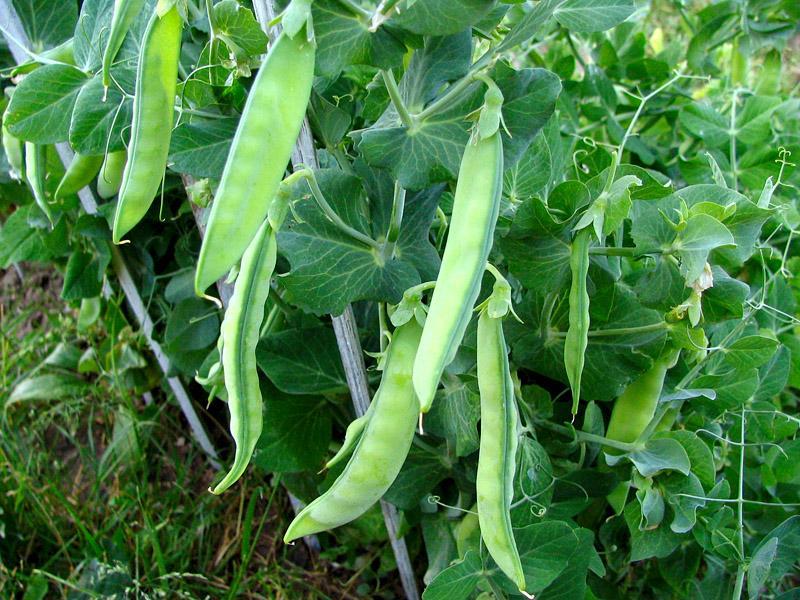
At the same time, the crop releases antibacterial substances into the soil, which prevent the occurrence of diseases in beans or peas.
Onion or garlic
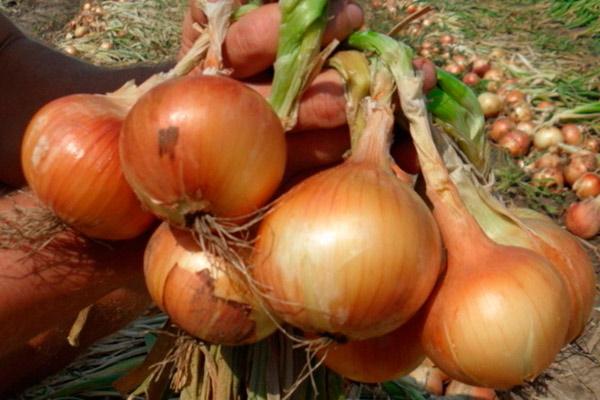
Onions or garlic can be a good companion. Onions are planted in early spring for greens, and the ripe bulbs are dug up in the summer. Beets are just beginning to grow. Onions are planted along the edges of the beds or in a staggered pattern between the seedlings.
Another herb is garlic. Planting garlic will help compact the soil and prevent many pests. Most insects dislike the smell of garlic and prefer not to breed near garlic. This means that beet pests Untouched. This is how easy it is to solve a serious problem and avoid pesticides if insects suddenly appear.
Eggplant
Eggplants are a very demanding crop and don't always get along well with other vegetables. However, they don't have any problems with root vegetables. Planting the two crops close together prevents many eggplant diseases, including late blight.
What shouldn't be planted with beets?
Although beets are compatible with most agricultural crops, it is not recommended to plant them with some varieties.
What should not be planted nearby:
- cabbage and other cruciferous plants (radish, radish);
- pumpkin;
- zucchini;
- squash;
- garden strawberry;
- spinach;
- dill;
- parsley;
- basil.

Planting just one of these plants won't cause any harm, but they all suffer from similar diseases and consume the same nutrients. The soil will quickly become depleted, and you'll have to stop planting anything for a while to allow it to recover.
Rules for crop rotation of beets
Many gardeners neglect crop rotation. Some don't even know what it is. Crop rotation is the consistent replacement of crops on a plot. If you grow the same crop in the same spot every year, you'll notice how the yield gets progressively worse year after year.
To prevent this from happening, it is recommended to change the planting locations every year.
Another caveat: not all crops are compatible with each other. If plants are the same species or suffer from similar diseases, planting them next to each other in the same spot is not recommended.
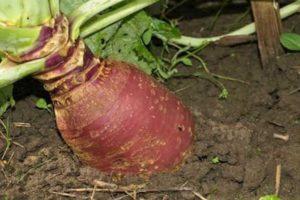
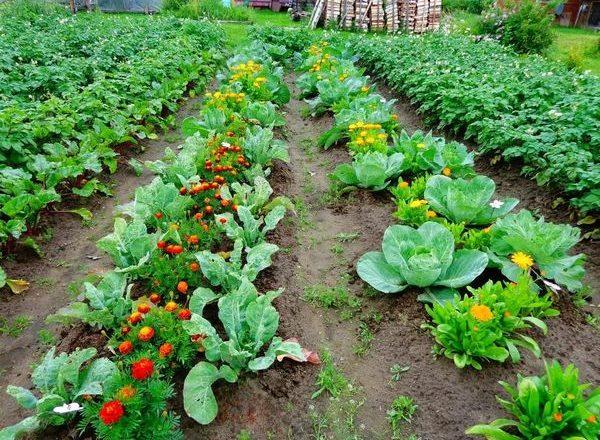
Although beets are easy-to-grow crops, it's recommended not to plant them in a bed after other plants. It's recommended to plant beets in the same spot for no more than two years in a row. After that, it's best to move the location.
Caring for mixed crops
To get a good fall harvest, it's not enough to simply plant compatible crops nearby. They also need to be cared for properly. First and foremost, irrigation is essential. Water the soil in the evening after sunset. Watering during the day can burn all the leaves, especially if it's hot outside. Also, use only sun-warmed water for irrigation.
The second point is fertilization. During the first half of the season, organic fertilizers and nitrogen-containing fertilizers are added to the soil. Once the seedlings have established themselves and the fruiting period begins, the soil is fertilized with phosphorus and potassium, and organic matter is also added.
Weeding is recommended before watering once or twice a week. Weeds should be pulled out as they appear.
Related posts:
 The pros and cons of planting carrots and beets in the same bed, and good and bad predecessors
 Is it possible to grow an apricot tree from a seed in your garden? How to plant and care for it?
 What can be planted together with cucumbers in a greenhouse, compatibility with other vegetables
 Is it possible to plant carrots in July or at the end of June? What are the best days and care instructions?
 What can be planted after onions next year, predecessors and crop rotation
 How to plant walnuts, care for them, and grow them at home
 What is the best way to treat cabbage from caterpillars and butterflies, folk remedies
 Rules for growing grapes in a greenhouse at your dacha, planting and care