
- Good and bad neighbors in the open ground
- The perfect choice
- Onion
- Garlic
- Friends
- Different types of legumes
- Tomatoes
- Lettuce, spinach, marjoram, sage
- Radish
- Turnip and rutabaga
- Cabbage
- Marigolds and tagetes
- Enemies
- Dill
- Beet
- Horseradish
- Apple
- Distance between neighbors
- The principle of crop rotation
- The best predecessors
- Potato
- Tomatoes
- Cucumbers
- Salad
- Onion
- Answers to questions
Almost every gardener is willing to go to any lengths to get a good vegetable harvest. This necessitates careful consideration of which crops can be planted next to each other and which shouldn't. Compatibility is important; planting certain plants close together can harm them, but proper combinations will not only increase yield but also the quality of the fruit. Carrots and beets don't do well in the same bed, and only by meeting all the necessary conditions can the desired results be achieved.
Good and bad neighbors in the open ground
Plants growing close to each other interact: they provide invaluable assistance in the fight against various diseases and pests, and do not shade or hinder development.
Crops growing in the same bed should absorb the same nutrients from the soil in equal amounts. Therefore, before planting, it's important to find out which vegetables can and cannot be planted near carrots.
The perfect choice
Orange root vegetables sprout in almost every garden plot, so every gardener should know which neighbors are considered the most successful for this crop and why.
Onion
Any plant from the onion family makes a good companion for carrots. They contain a high concentration of phytoncides and essential oils, which can repel pests from the attractive root vegetable. Carrots and onions can be safely planted in the same bed—they won't compete for space or nutrients.
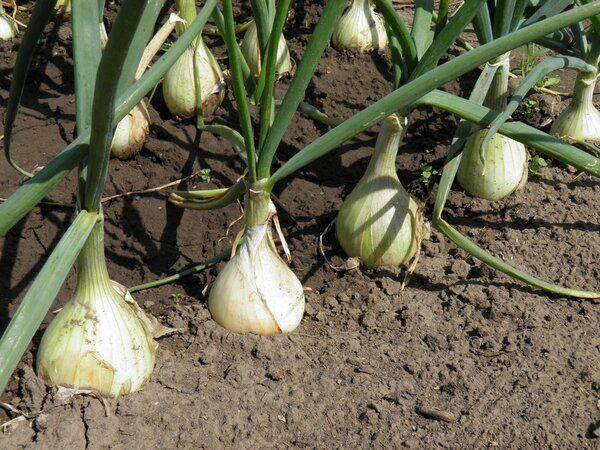
The distinctive onion scent repels flies and root mites, which are potential pests of this orange vegetable. Drawback: in mid-July, when the fruits begin to actively grow and develop, they require abundant watering, which can lead to bulb rot.
Garlic
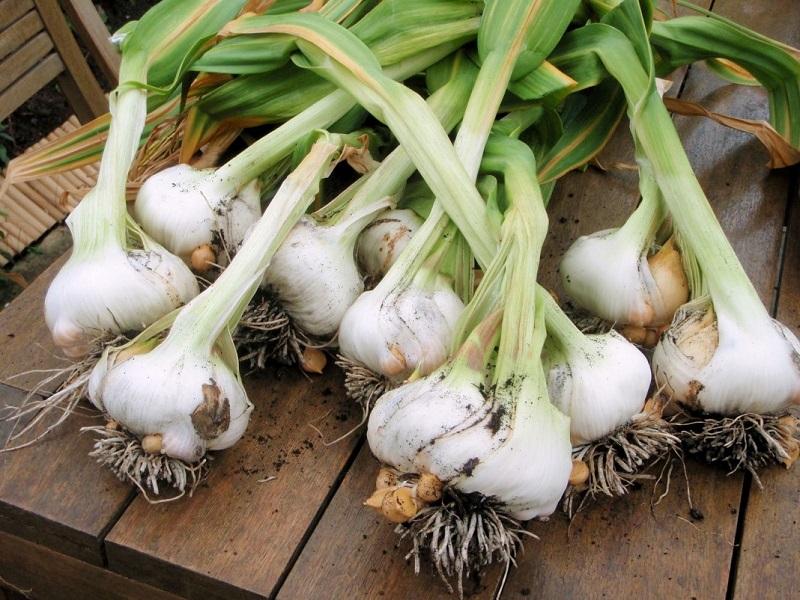
Garlic, a member of the onion family, promotes germination and root development. Its aroma repels many pests. The plant has antifungal properties, preventing the development of microbial spores in the soil that negatively impact root development. Carrots also release an enzyme into the soil that promotes proper, rapid head formation.

Friends
Besides onions, there are other crops that have a positive effect on carrot germination. They easily coexist with each other and, with proper care, produce a bountiful harvest.
Different types of legumes
As is well known, the main feature that distinguishes legumes from other angiosperms is their symbiosis with nitrifying bacteria. This is why their fruits contain a high amount of protein. These plants are capable of enriching the soil with nitrogen and organic matter.
Thanks to this, the yield of root crops increases several times and their taste improves.
Tomatoes
A tomato bed always impresses with its size, taking up large areas and preventing some crops from fully developing. Carrots are an excellent neighbor for tomatoes; they have a single, unbranched root system, forming a single, massive root, meaning they don't require a large area to grow. Planting these two crops in close proximity will yield a bountiful harvest.

Lettuce, spinach, marjoram, sage
Some of the best companion plants for carrots are early-ripening vegetables and greens. This is because these crops ripen quickly and are quickly removed from the garden bed, leaving more space and nutrients in the soil for growth and the formation of orange fruit. The aroma of the herbs will repel pests and encourage active root growth.
When growing two plants at the same time, it is worth fertilizing more often to enrich the soil with the necessary organic and inorganic compounds.
Radish
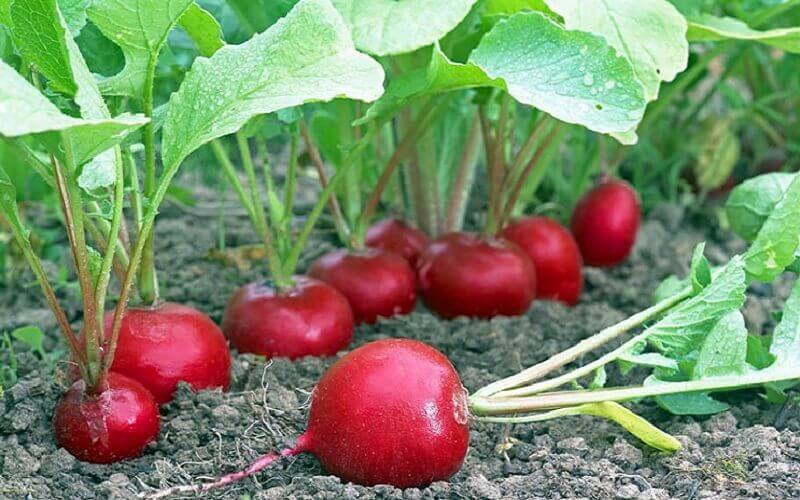
Literary sources say that planting two root vegetables in adjacent beds isn't a good idea, but according to the experience of most gardeners, carrots and radishes make excellent neighbors. It's recommended to plant the radishes first, thoroughly loosen the soil, and then sow the carrots between the rows.
Turnip and rutabaga
Carrots will thrive alongside turnips and rutabagas. They won't compete with each other or cause harm. The relationship between the crops is neutral.
Cabbage
Cabbage is a great companion for many crops, and finding a spot for it in your garden is quite easy. Planting it next to carrots can improve the taste and appearance of the fruit, and yield a harvest from both crops.
Marigolds and tagetes
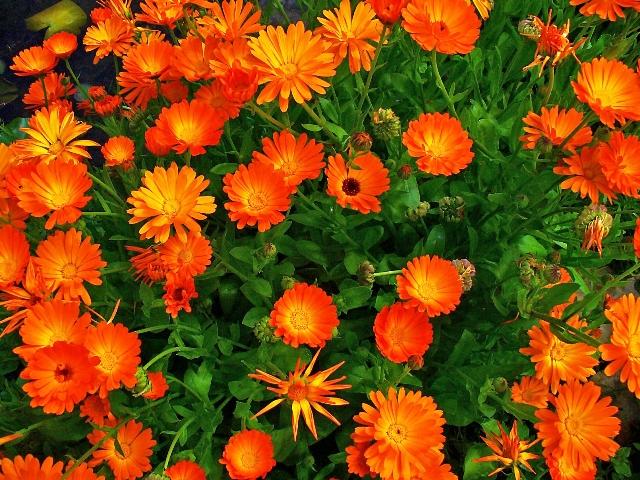
Gardeners often recommend planting attractive plants like marigolds and marigolds around carrot beds. These flowers, with their pleasant, pungent aroma, can help repel carrot pests.
Enemies
There are a number of crops, so-called "enemies," that are strongly discouraged from planting near carrots. Even with careful care and no drought, carrots may still taste bitter due to the harmful effects of these unfriendly neighbors.
Take a look Also

Dill
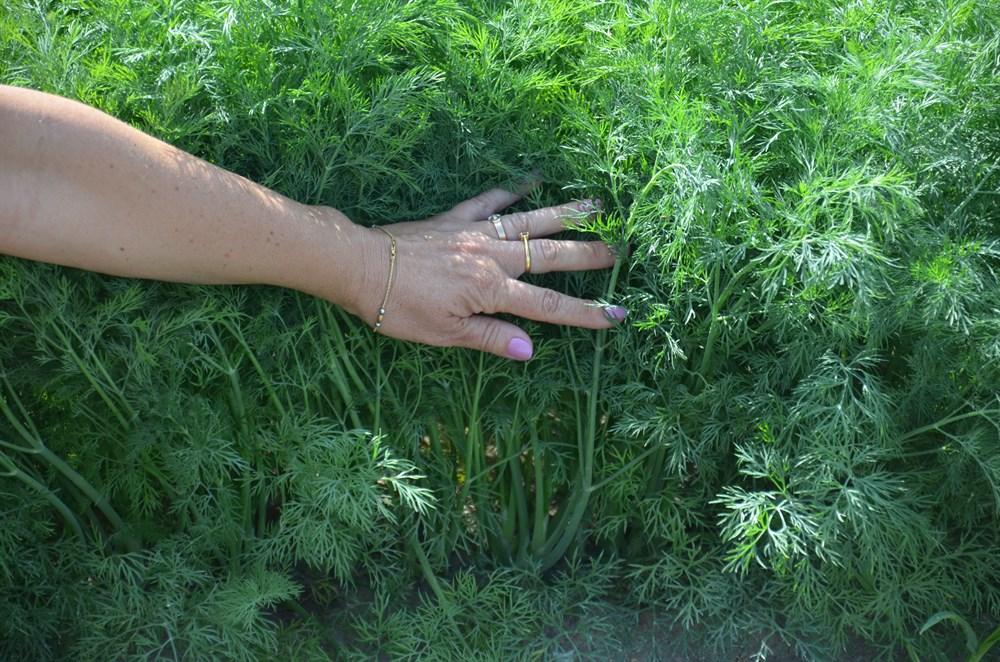
Dill is a member of the Apiaceae family and a close relative of the orange vegetable. This means they will require similar nutrients and attract their own diseases and pests. Parsley, celery, and anise also belong to this list.
Beet
Planting beets and carrots in the same bed is a rather rash move. The plants clearly won't be able to share nutrients with each other, as both crops require them in large doses. The beets' extensive above-ground growth obscures the carrots, preventing them from receiving the necessary amount of sunlight.
Horseradish
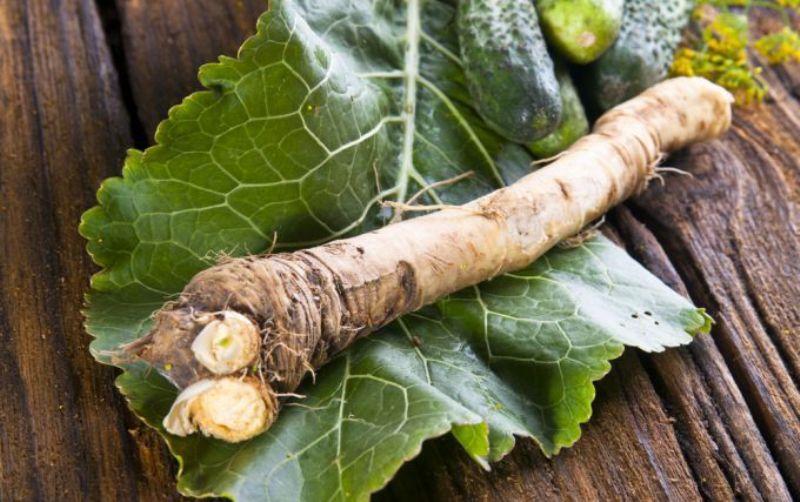
Carrots and horseradish aren't the best combination. The plants will immediately begin competing for nutrients in the soil, and both will eventually die due to each's reluctance to give up their share. Carrots don't tolerate shade, and horseradish has a large above-ground part, which can make it difficult for sunlight to reach the orange root vegetable.
Apple
Many literary sources claim that carrots should be planted as far away from apple trees as possible. Experience confirms that growing both crops close together results in bitter vegetables and fruits. Naturally, every gardener wants only sweet fruits, and this requires observing the neighborhood rules.
Distance between neighbors
The distance between plants should be at least 15-20 cm. If the fruit is large, the distance should be increased. Crops that are not recommended for planting near carrots should be planted in a separate bed.
The principle of crop rotation
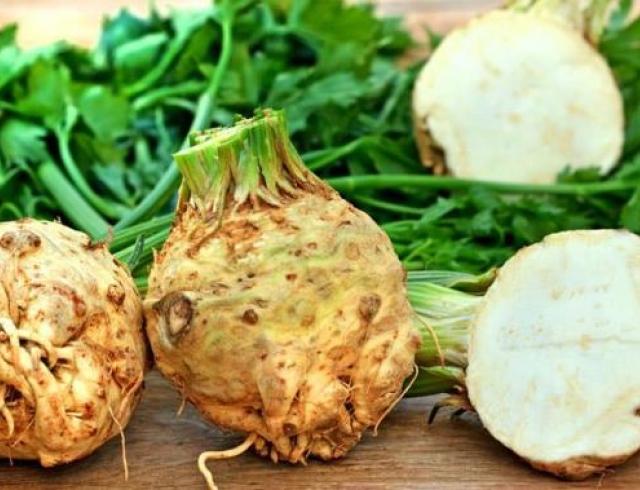
Plants with nutrient requirements, as well as small vegetables such as spinach and celery, can be grown in the same place for no more than 3 years.
Next, plant crops with moderate nutritional requirements in the same soil, including carrots and any other compatible companions. The following year, when the soil needs a rest and time to accumulate organic and mineral compounds, it's worth planting crops that don't require a lot of nutrients. These include peas, beans, and various herbs.
The best predecessors
One of the principles of crop rotation is to avoid planting members of the same family in the same spot two years in a row. When deciding where to plant carrots, it's worth considering what previously grew in the area and whether that crop is a good predecessor.

Potato
According to research, potatoes absorb many nutrients and significantly deplete the soil. Carrots can remedy this problem by allowing the soil to recover.
Tomatoes
To ensure proper distribution of nutrients in the soil, fruits with high soil requirements are planted before carrots. These fruits are typically round, and tomatoes are an excellent choice.
Cucumbers
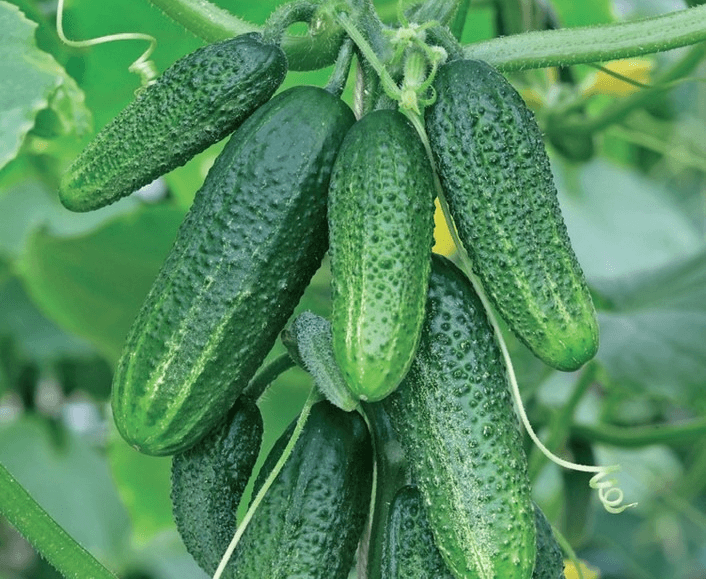
It is recommended to plant root vegetables in the second year after cucumbers, as they greatly deplete the soil, absorbing all the vitamins and minerals from it.
Salad
Lettuce is known for its ability to pump a lot of water and mineral salts out of the ground, which will have a beneficial effect on the germination of carrots in subsequent years.
Onion
Onions are one of the most favorable predecessors for carrots, which nourish and disinfect the soil with phytoncides and essential oils.
Answers to questions
What if carrots are planted next to a prohibited crop? The flavor of both crops will deteriorate. There's also a risk of plant disease and death due to nutrient deficiencies in the soil. What should you avoid planting carrots after? Parsley is considered a dangerous precursor. During the growing season, it attracts bacteria, which can lead to future vegetable diseases.
What can I plant in place of carrots? Carrots are an excellent predecessor to peppers, lettuce, cabbage, and tomatoes.
How to restore the soil after harvesting carrots? The fruit depletes the soil towards the end of ripening. After harvesting, it's important to apply sufficient mineral fertilizer or plant the area with green manure immediately after harvesting. Before the onset of cold weather, mow down the resulting greenery, creating a mulch layer. By practicing crop rotation and properly planting vegetables in the garden, you can be assured of a harvest of tasty, healthy root vegetables.
Related posts:
 Carrot care guidelines for outdoor cultivation to ensure a good harvest
 Is it possible to plant carrots in July or at the end of June? What are the best days and care instructions?
 50 Best Carrot Varieties with Descriptions and Characteristics
 How to control carrot flies with medications and folk remedies
 TOP 50 recipes for favorite and unusual salads for the New Year of the Pig 2019
 What is the best way to feed carrots? Fertilizers and preparations, using folk remedies.
 25 Best Early-Maturing Carrot Varieties with Descriptions and Characteristics
 Timing and rules for planting carrots in winter, which variety is best to choose