
When it's time to harvest, many people face the question of how to store their produce. Some apricots can last almost the entire winter without any additional processing, while others require canning, drying, or freezing. These days, the latter method is increasingly being chosen, as it helps preserve the majority of their vitamins. But not everyone knows how to freeze apricots for the winter, or whether it's even worth it.
Can you freeze apricots?
Apricots can and should be frozen. This fruit is a treasure trove of vitamins C, E, A, and B. They promote gentle cleansing of the body, fight cholesterol, help with anemia and vitamin deficiency, and are recommended for cardiovascular and digestive problems. Apricots are also low in calories, which is beneficial for those who are overweight.
Another reason to freeze apricots for the winter is that they spoil quickly. Once the fruit is picked from the tree, you only have a couple of days to eat it. After that, it will inevitably start to turn black. This isn't a problem when you have a small harvest, but if you have a large one, the best way to preserve it is to freeze it.
Preparing apricots for the process
First, you need to choose the right apricots: only ripe ones, still hanging on the tree, should be used. Those picked from the ground cannot be frozen, as they will already be spoiled. The apricot skin should be smooth, without any visible defects, and the fruit itself should be firm and moderately ripe.
Wash the picked apricots and dry them naturally on a towel. If the fruit is generally suitable for freezing but has small dents, carefully remove them with a sharp knife. Freezing is possible only after the apricots are completely dry.
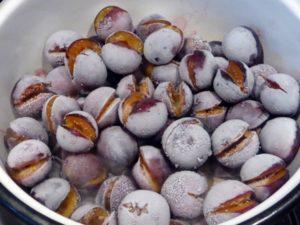

Many people make the same mistake when freezing these fruits, which causes the fruits to lose their appearance and shape when defrosted, and the flesh to become mushy. To avoid this, you need to use shock freezing – immersing the fruit in the lowest possible temperature. Modern freezers typically offer a temperature of -24°C (-40°F). This is sufficient. Before freezing, spray the slices with a lemon solution (lemon juice and water in a 1:1 ratio).
Recipes for freezing apricots at home
There are several ways to freeze these fruits. Which one you choose depends on your preferences, the space available in your freezer, and how you plan to use the apricots.
Intact
To enjoy fresh fruit this winter, you can freeze whole apricots. The key is to do it right. Place the prepared apricots on a tray lined with parchment paper, foil, or cling film and freeze for just a couple of hours until frozen.
The apricots should be dry and placed on a tray, slightly spaced apart. Make sure the tray is level, otherwise the fruit may roll and stick together. Avoid placing them in the freezer compartment with odorous foods during the initial stages, as apricots tend to absorb odors. After a couple of hours, remove the fruit and transfer them to bags or containers for further storage.
Now the temperature can drop to minus 18 degrees.
In slices
Fruit frozen this way will take up less space in the refrigerator, but the preparation process will be slightly longer. Wash the dried fruit, cut it in half, and remove the pits. You can cut each half into slices or cubes, or you can leave it as is. Place the fruit on a tray, sprinkle with lemon juice, and leave it there for a short while to dry slightly.

The tray is then placed in the freezer for blast freezing. After 1-2 hours, the apricots can be removed and transferred to a storage container. Be sure to label the packaging date. The packaged fruit is then stored in the freezer at standard temperatures.

With sugar
Place the prepared seedless fruit in a single layer in a storage container, sprinkle with sugar, and repeat the layers. The top layer must be sugar. After this, seal the container with an airtight lid and store in the freezer. The sugar will help preserve the fruit's shape and color after defrosting. It's best to keep only one serving of fruit in each container, as they cannot be refrozen.
In syrup
This method is similar to the previous one. Placing the apricots in a container is done in the same way. The only difference is that the apricots aren't frozen immediately. They need to be left at room temperature to release their juices. Only then can they be frozen.
This method is suitable if you plan to use the fruit in baked goods: pies, pastries, and buns. You can also eat it as a standalone treat or add it to ice cream.
Freezing apricot puree
If you plan to add fruit to porridge, shakes, or smoothies, or want to use it as a baby food, or if you have limited storage space, you can freeze the puree. Place the prepared apricot slices in a colander and hold them over a pan of simmering water for 5 minutes. Then, puree the fruit in a blender or any other method you prefer (mixer, meat grinder, or food processor) until smooth.
Add a little lemon juice (about a tablespoon) and sugar to taste to the puree.
Pour the finished puree into molds. These can be small cups, plastic containers, or even ice cube trays. If you choose the latter, remove the frozen shapes after about 24 hours and store them in a bag or container.

Further storage
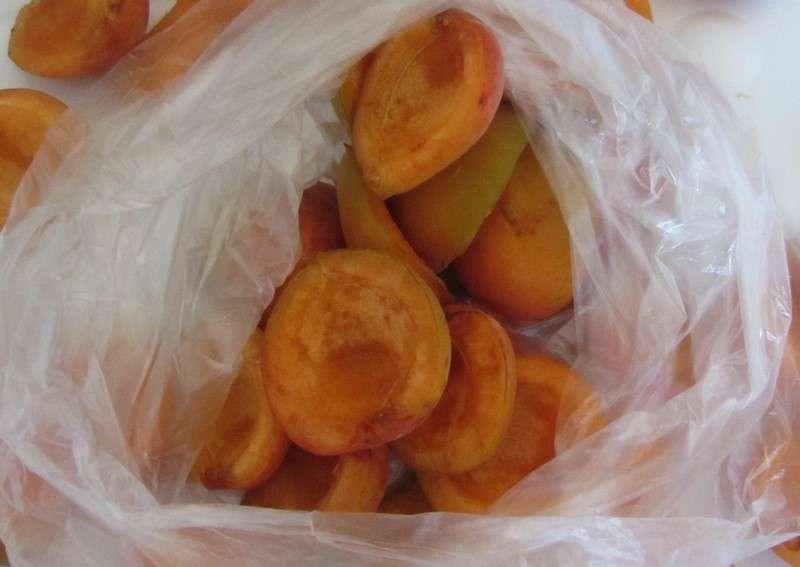
As mentioned earlier, to preserve the appearance, flavor, and shape of fruit, blast freezing is necessary. The frozen fruit is then stored in the freezer at a temperature no higher than -18°C (-25°F). Frozen fruit can be stored in these conditions for up to a year.
Don't forget to mark the packaging date on each container to prevent the apricots from going bad.
They need to be defrosted gradually in the refrigerator, so make sure to take them out early. Fruits cannot be refrozen.
There's nothing special or complicated about freezing apricots for the winter, so if you don't have time to eat all the fruit or just want to enjoy them this winter, take the time to freeze them.
Related posts:
 TOP 12 recipes for preparing apricot slices in syrup for the winter
 14 Best Step-by-Step Recipes for Making Apricot Jam for the Winter
 How to properly store dried apricots at home, the best places and methods
 How to store apricots at home: rules and best practices
 How to properly store peaches at home for the winter
 What to cook with apricots for the winter and 19 best step-by-step recipes
 Top 6 recipes for making dried apricots at home
 Description and characteristics of the Shalah apricot, relatives and cultivation