
- What are the benefits of dried fruits?
- Do they retain nutrients and vitamins?
- How to prepare dried fruits for long-term storage
- Deciding on the container
- Boxes
- Paper bags
- Place to save
- Temperature and humidity
- Illumination
- Where to store dried apricots
- In room conditions
- In the refrigerator
- In the freezer
- What to do if mold appears on dried apricots
- Protecting your workpieces from pests
- Shelf life of dried fruits
- Useful tips and tricks
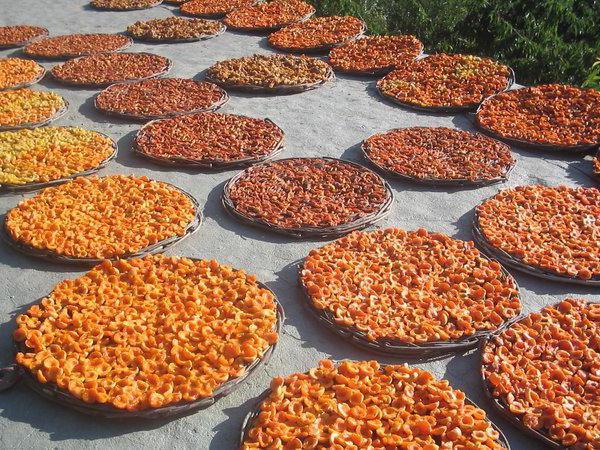
Fresh apricots have a shelf life of two weeks. Preserving a large harvest of fruit during this time is difficult. The best way to preserve the fruit's flavor and nutritional value is to dry it. Dried apricots, dried apricots, and dried kaisa are produced by sun-drying or electric drying. The resulting product can be stored for anywhere from one month to two years if stored at the correct temperature and in suitable containers. Choosing the right method How to store dried and cured apricots at home, depends on the degree of drying of the fruit.
What are the benefits of dried fruits?
Dried fruit is higher in calories than fresh. 100 grams of fresh apricots contain 44 kilocalories, while 100 grams of dried apricots contain 215. A small amount of dried fruit can satisfy your hunger and provide:
- vitamins A, C, PP and group B;
- glucose;
- fructose;
- iron;
- potassium;
- calcium;
- magnesium.
Dried fruits support the immune system during winter, when flu season is at its worst. Fructose regulates digestion. Potassium strengthens blood vessels and prevents heart disease.
Natural dried apricot does not contain dyes, flavor enhancers and has a long shelf life.
In industrial production, dried fruit is treated with sulfur dioxide and caustic soda to kill pests and dry the product faster. However, this results in a loss of nutrients, and the fruit becomes sour. Home-dried apricots offer clean, fresh apricots from your own garden, a wonderful way to enjoy summer fruits in winter.
Do they retain nutrients and vitamins?
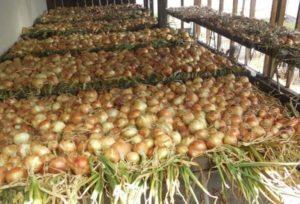
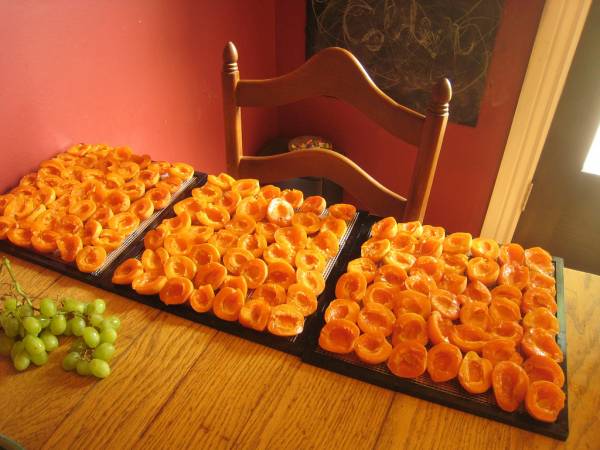
When making compote or jam, micronutrients are destroyed by high temperatures. Only moisture evaporates from dried fruits, leaving behind the beneficial substances. It's important to maintain the correct temperature during drying.
Dried fruits can dry out in the sun and lose some of their vitamins. In an electric dehydrator, you can set the temperature and time. Therefore, dried fruits will retain more vitamins and be protected from insects during the process.
Dried apricots are healthier than canned ones. Canned apricots can be dangerous due to botulism.
How to prepare dried fruits for long-term storage
To ensure dried apricots retain their flavor and color for a long time, you need to choose the right temperature, humidity, and container.
Deciding on the container
The packaging should be protected from sunlight and moisture, preventing condensation from building up inside. Polyethylene and metal are unsuitable materials for storing dried apricots. Plastic bags collect moisture and promote mold growth. Metal containers oxidize, imparting a metallic flavor to the dried apricots.

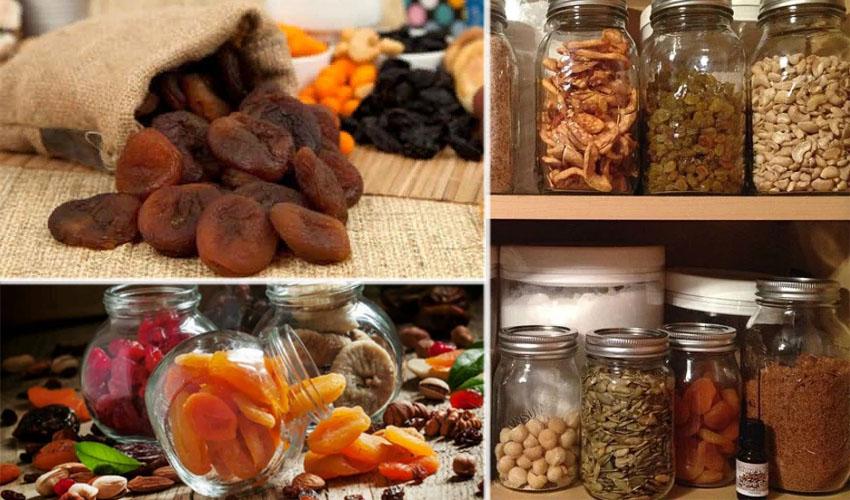
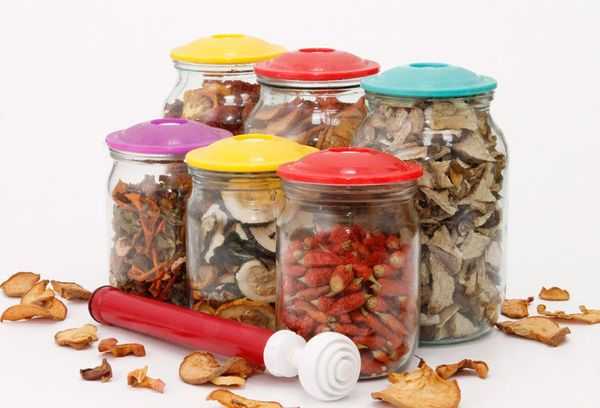
It is better to place a small amount of dried apricots in a ceramic or glass container with a lid.
Boxes
Dried fruits are stored in closed wooden boxes lined with thick paper. Corrugated cardboard boxes are used for storing dried apricots and dried apricots.
Paper bags
Four-layer paper bags and packages are also used as containers. They are packed in plywood or cardboard boxes.
Place to save
Properly organized storage protects dried fruits from insects. To achieve this, seal any cracks in the walls. The room should be well ventilated.
Temperature and humidity
Dried apricots are stored at a humidity level of up to 70% and a temperature of 5 to 20 degrees Celsius. Higher temperatures cause the fruit to darken.
Illumination
Sunlight heats the air and increases the temperature in the storage area. Therefore, it's best to choose a dark room.
Where to store dried apricots
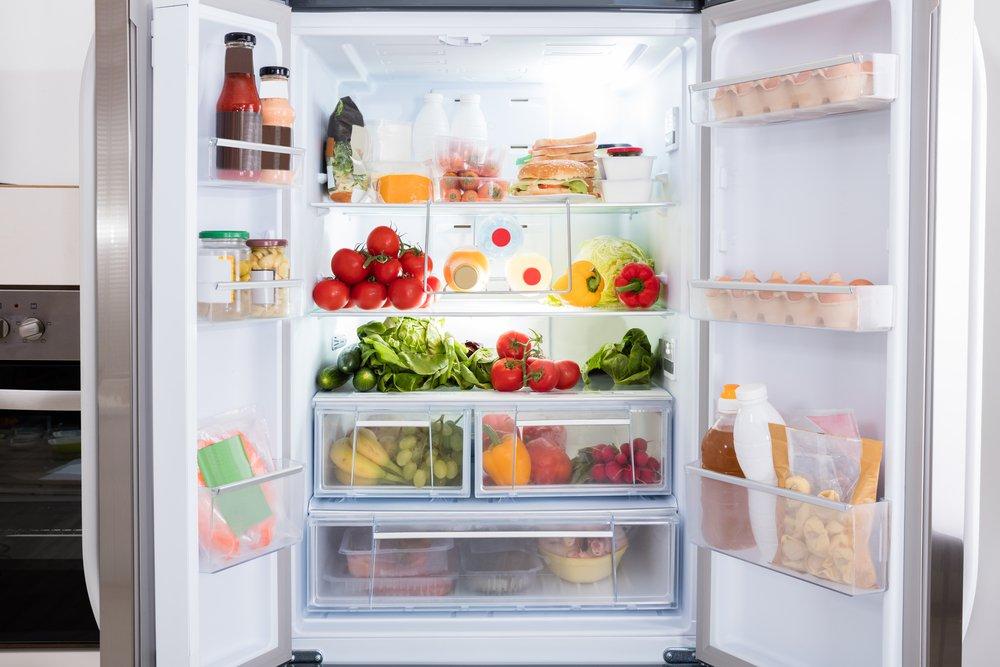
To keep dried apricots fresh, avoid high humidity and heat. The best place to store them is in the refrigerator.
In room conditions
Dried fruits, whether prepared in an electric dehydrator or sun-dried, will not darken as long as the room temperature does not exceed 20 degrees Celsius (68 degrees Fahrenheit). Apricots can be dried in the summer and stored on the balcony during the winter. Several kilograms of dried fruits can be stored in a cardboard or wooden box. The packaging should be tightly sealed. At the dacha, dried apricots are best stored in a cool cellar.
Dried apricots less than a kilogram in volume, prepared in a dehydrator, will keep in a kitchen cabinet with a tightly closing door.
In the refrigerator
To store dried apricots, find a place on the vegetable shelf. To prevent them from absorbing odors, wrap them in foil or place them in a glass jar with a tight-fitting lid.
In the freezer
To enjoy sweet apricots in winter, you can dry them and store them in the freezer. Apricots will retain their flavor and aroma in foil or a vacuum-sealed container.
Deep-freezing dried fruit at -18°C (-18°F) extends shelf life and preserves vitamins. After freezing, dried apricots should be thawed slowly at room temperature for best flavor. Refreezing is not recommended, as it will cause the product to lose flavor and vitamins.
What to do if mold appears on dried apricots
Mold is caused by heat and moisture. If condensation or droplets of moisture have formed inside the packaging, the product is likely infected with mold. It's not immediately visible, but the toxins it produces are dangerous to your health.
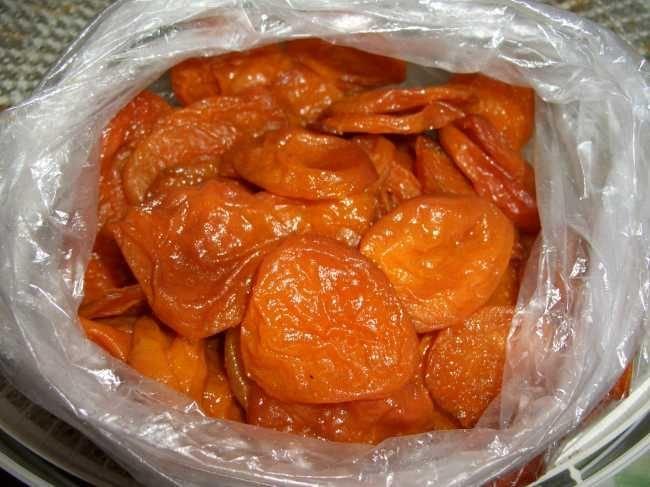
Any moldy pieces should be discarded. The rest should be rinsed in warm water.
It is not recommended to scald the fruit with boiling water, as this will cause it to lose its beneficial properties.
Protecting your workpieces from pests
How to get rid of gnats and bugs when storing dried fruit:
- Glass and ceramic containers are wiped with vinegar diluted with water in a 1:1 ratio. A natural cloth is soaked in the solution and the jars are wiped with it. Once the vinegar has evaporated, the fruit is placed in the container;
- If dried apricots are stored in cardboard or wooden boxes, bunches of mint should be placed or hung nearby;
- Laundry soap will protect your supplies from moths, which hate its smell. To prevent apricots from smelling of soap, close the drawers tightly.
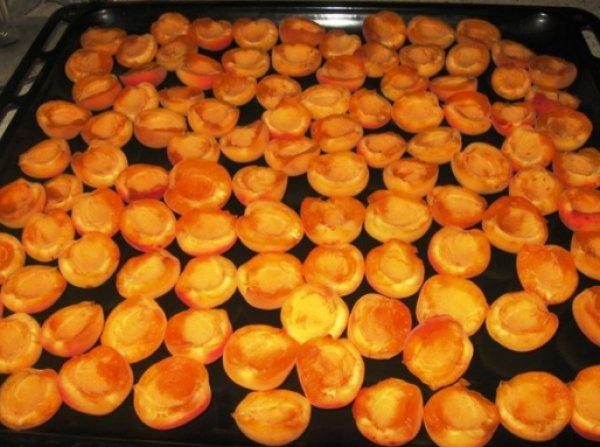
If any living creatures have already appeared among the orange pieces, the dried fruit should be poured onto a baking sheet and sorted. Discard any damaged fruit, and spread the remaining fruit into an even, thin layer and baked for an hour in an oven preheated to 75 degrees Celsius.
If it's difficult to protect your dried fruit from pests when storing it in an apartment or at your dacha, it's best to move it to the freezer.
Shelf life of dried fruits
In tightly sealed containers, at the right temperature and humidity, dried apricots will keep for 12 months. At home, the shelf life depends on the chosen storage location, the degree of drying of the apricots, and the container used.
Dried dried apricots will keep for up to a month on the counter or in the pantry if stored in an opaque ceramic jar with a lid. Dried apricots will keep in the refrigerator for 12 months. Wrapped in foil and frozen, they'll last for up to two years.
Useful tips and tricks
Simple ways to keep dried apricots fresh longer:
- Glass jars should be sealed with tight-fitting plastic lids. Metal lids will impart a metallic taste to the fruit.
- Do not store dried apricots with cereals. This can result in bugs migrating from the grains to the fruit.
- Do not place dried fruits near heating radiators, gas stoves, or electrical appliances, otherwise they will darken;
- Crates, jars, and packages of dried apricots should be inspected and mixed to prevent mold and insects. Spoiled fruit should be discarded immediately.
- You need to stick markers with the packaging date and expiration date on the jars of dried fruit;
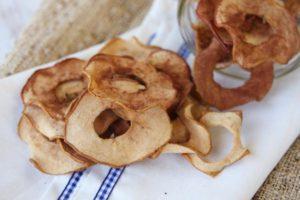
- Don't mix apricots of varying degrees of dryness, or mix them with other dried fruits. The apple slices will absorb moisture from the dried apricots, lose their flavor, and become moldy.
You can add raisins to the same jar with dried apricots. The classic combination of prunes and dried apricots in cooking doesn't work well when stored. If you put them together, the prunes will overpower the flavor of the apricots.
Related posts:
 TOP 12 recipes for preparing apricot slices in syrup for the winter
 TOP 10 recipes for freezing fresh apricots for the winter in the refrigerator and freezer
 How to store apricots at home: rules and best practices
 14 Best Step-by-Step Recipes for Making Apricot Jam for the Winter
 How to properly store peaches at home for the winter
 Top 6 recipes for making dried apricots at home
 Description and characteristics of the Shalah apricot, relatives and cultivation
 How to make apricot compote for the winter, recipes with and without pits, for a 3-liter jar