- Harvest timing and rules
- Specifics of drying bulbs
- Blackies
- Onion
- Sevka
- Green onion feathers
- How to dry onions for the winter at home
- Outdoors
- In an electric dryer
- In an air fryer
- In the oven
- Drying onions in braids
- How to tell if the bulbs are dry
- How and where to store dried harvest
- Difficulties and problems arising from improper storage
After harvesting a large onion crop, it's important to know how to properly dry it for the winter. In addition to the bulbs, green onions are also dried. At home, an air fryer, electric dehydrator, or oven are all suitable. You can also dry the onions outdoors or by tying them into braids. Drying the harvest is only half the battle; the key is storing it properly. Improper storage can lead to certain difficulties and problems.
Harvest timing and rules
On average, onions take four to five months to grow, but everything depends on weather conditions. Hot summers ripen the vegetable faster, while rainy weather slows down the process.
If the bulbs are covered with a thick, shiny husk and the feathers begin to dry out, the crop is ready to be harvested. This must be done in dry weather, carefully digging up the bulbs with a shovel so as not to damage the head.
There is no need to trim the tops immediately; this process is carried out after 2 weeks.
Specifics of drying bulbs
After harvesting, proper attention must be paid to drying. This process is essential for long-term storage of the vegetable.
Blackies
The collected seeds are dried in a warm room. To do this, the nigella is poured onto a cloth and spread in a thin layer.
Once the seeds are dry, they are placed in a cloth bag and stored in a cool room.
Onion
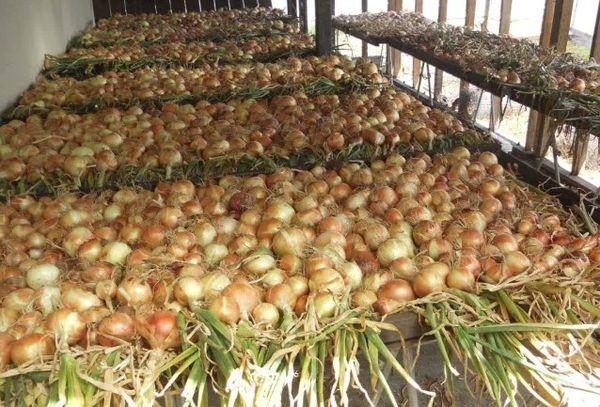
In hot weather, the turnips are spread out on plywood sheets and dried in the sun for two days. Then, the harvest is transferred to a summer kitchen, where the temperature is maintained at 25 degrees Celsius. The vegetables are spread out on a net and dried for two weeks. During this time, the onions are turned daily to ensure they are completely dry on all sides. Then, they are sorted, the roots and tops are trimmed, and they are packaged in nets.
Take a look Also

Sevka
In clear, warm weather, the onion sets are spread out in an even layer on a cloth and left to dry for a week and a half. At night, the harvest is covered with plastic to prevent moisture from the morning dew. After drying, the onion sets are placed in 3-kilogram cloth bags, after trimming the tops.
Green onion feathers
To preserve green onions throughout the winter, they need to be dried: in the oven, in an electric dehydrator, or in an air fryer. To do this, wash the greens, pat them dry with a paper towel, and chop finely. Spread the chopped greens on a parchment-lined baking sheet and bake in an oven preheated to 60 degrees Celsius (140 degrees Fahrenheit) for 2 hours, stirring occasionally. Store the finished seasoning in a dark place for long-term storage.
How to dry onions for the winter at home
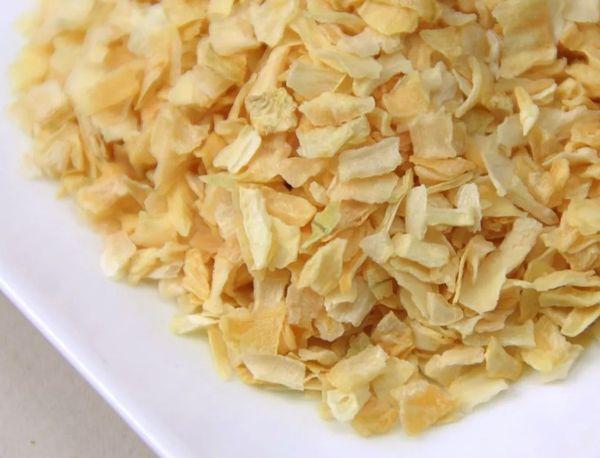
You can dry onions at home using an oven, air fryer, or electric dehydrator. The onions should be peeled, washed, and thinly sliced. Chopped onions dry faster and are convenient for cooking.
Outdoors
Drying onions outdoors isn't difficult. Lay the onion rings out on plywood in a single layer, place them in the shade, and stir them daily until completely dry. Drying onions outdoors is only possible in hot weather.
In an electric dryer
To properly dry onions in an electric dehydrator, thinly slice them, rinse them, and completely remove any moisture with a paper towel. Then, spread the slices in a thin layer on a special tray and set the temperature to 60 degrees Celsius (140 degrees Fahrenheit). The seasoning dries fairly quickly, within 5-6 hours.
In an air fryer
You can dry vegetables in an air fryer in an hour. To do this, turn the device on at maximum speed, setting the temperature to 70 degrees.
In the oven
Drying onions in the oven takes 6 hours. Place the chopped onions on a baking sheet lined with parchment paper. Place in an oven preheated to 60 degrees Celsius (140 degrees Fahrenheit) without closing the door tightly. Stir the chopped onions constantly during the drying process.
Take a look Also

Drying onions in braids
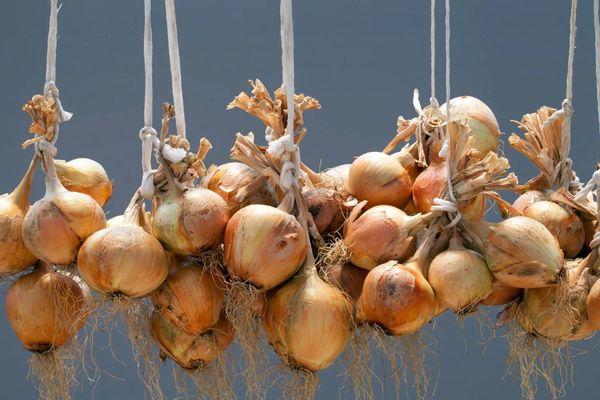
Before storing the vegetables, some gardeners prefer to braid them. This method helps dry the bulbs completely without taking up much space.
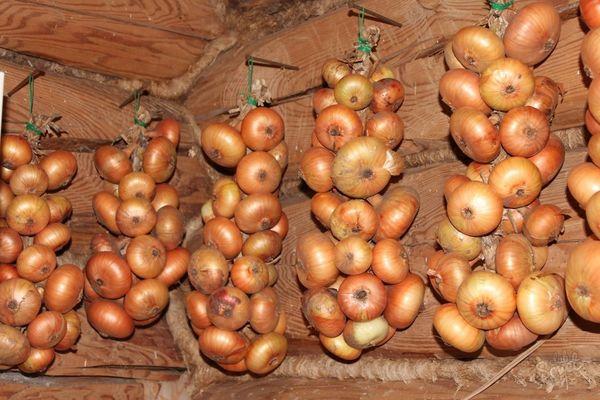
To weave, take a rope folded in half, tie a long onion top to it, and begin to braid, gradually weaving in the vegetable.
How to tell if the bulbs are dry
After the onion dries in the sun, its skin becomes rustling and acquires a golden color, the roots and neck of the onion dry out completely.
The dried seasoning becomes light, with a barely perceptible aroma, and when rubbed, a slight greasiness is felt.
How and where to store dried harvest
Place the dried, chopped onion in a dry jar, seal with a nylon lid with small holes, or cover with a piece of scrap paper, and secure the lid with a rubber band or ribbon. A cloth bag or cardboard box will also work for storage. The room where the seasoning will be stored should be dry, with low humidity. It's best to place the container on a kitchen counter or cabinet.
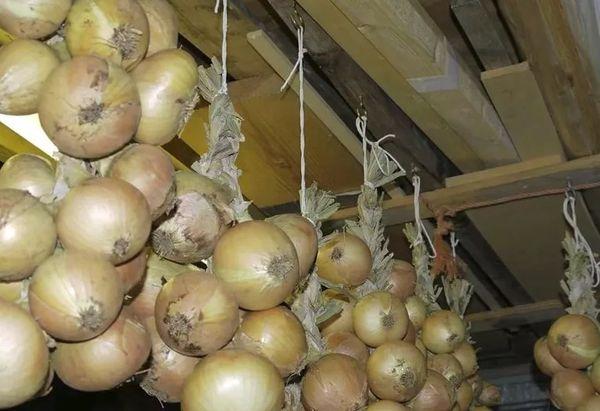
Whole bulbs can be stored in nets, braids, or wooden boxes in a dark, cool, ventilated area. The temperature should not drop below 1°C, and the humidity should be between 80-85%.
Difficulties and problems arising from improper storage
If onions are stored improperly, the entire crop will rot. To prevent major losses, sort through the vegetables, discard any spoiled ones, and dry any wet bulbs.
Chopped onions, used as a seasoning, can become damp and lose their flavor during storage.
Related posts:
 50 types and varieties of perennial onions with descriptions, cultivation, and care
 Description of the best varieties of onions, planting and care in open ground
 When to harvest leeks from the garden for storage, ripening times
 How and when to plant onions to get large bulbs
 The beneficial properties of white onions, description of varieties, cultivation and care
 Description of the Exhibition onion variety, growing from seedlings, planting and care
 Description of shallot varieties, cultivation and care, when to harvest
 When to harvest onions planted in autumn and spring from the garden for storage, how to determine the timing
Take a look Also