
- The history of the Chudnoe variety
- Pros and cons of culture
- Description of the apple tree
- Growing regions
- Tree dimensions
- Branching of the root system
- Fruiting
- Flowering and pollinators
- Ripening period and harvesting of fruits
- Tasting evaluation and yield
- Fruiting cycle
- Resistance to low temperatures and drought
- Winter hardiness
- Planting and agricultural practices
- Selecting a site
- Required soil composition
- Timing and step-by-step process for planting seedlings
- Apple tree care
- Watering and fertilizing
- Loosening and mulching the soil
- Seasonal treatments against insects and diseases
- Crown formation
- Frost protection
- Methods of apple tree propagation
- Gardeners' reviews of the variety
The Chudnoe apple tree is suitable for those looking to plant trees in a small area. Despite its small size, the tree can produce up to 80 kilograms of fruit each season. Chudnoe apples are used in desserts and natural juices. The variety shares similar flavor with the Eliza Ratke, as it was developed with her help.
The history of the Chudnoe variety
This variety was developed by breeder Mikhail Aleksandrovich Mazunin by crossing the Ural'skoe Zimneye and Eliza Ratke apple trees. The resulting tree has increased frost resistance and is suitable for regions with unfavorable conditions for plant growth and development. This dwarf variety is also suitable for planting in small plots. The plant is also a self-climbing variety, which is why it rarely reaches a height of 2.5 meters. The typical height of the apple tree ranges from 1 to 2 meters.
This variety is used for garden decoration. Chudnoye is also popular because it begins bearing fruit three years after planting. The yield increases with each season. The apples begin to ripen in the first half of August, producing soft flesh with moderate sweetness and a characteristic tartness. Each apple weighs up to 250 grams.
Important! On average, one mature tree can produce 60-100 kilograms of apples per season.
Pros and cons of culture
The advantages of the Chudnoe apple tree include:
- pectin content;
- decorativeness;
- good pollination;
- increased resistance to various diseases;
- frost resistance, which means that the tree can withstand temperatures down to -20 °C;
- sweet taste with a characteristic sourness, suitable for making desserts, liqueurs and natural juices;
- early fruit bearing of the tree;
- the number of fruits obtained;
- the small growth of the tree, which makes plant care procedures easier;
- Long storage – up to a month in a cool place without loss of taste.
No disadvantages have been identified with this apple tree variety; the only difficulty is the high risk of pest damage due to the small stature of the tree.
Description of the apple tree
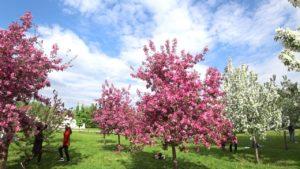
The Chudnoye apple tree is a cross between the Eliza Ratke and Uralskoye Zimneye apples. It is a dwarf variety and is suitable for landscaping, parks, or public gardens. It can reach a height of 2 meters in suitable climate conditions.
The apple tree ripens in the summer months, and a mature tree can produce up to 80 kilograms of fruit in a single season. The plant is resilient to various climate fluctuations and low temperatures, and is less susceptible to disease.
Growing regions
It's best to plant the Chudnoye apple tree in an area where the groundwater is as close to the surface as possible. The tree requires plenty of water for favorable, rapid growth and development. If such a location isn't available, you'll need to create a moist environment to provide the plant with the required amount of water.
Tree dimensions
The Chudnoe apple tree is a natural dwarf tree. Under the most favorable conditions, it can grow up to 2-2.5 meters. The average tree height is 1-1.5 meters. This variety's branches often bend downward and spread outward. The dwarf apple tree can reach 1-2 meters in diameter.
Branching of the root system
The root system of this variety is located at a depth of 80 centimeters to a meter. At this level, the tree needs to rely on groundwater for nourishment. If the Chudnoye variety lacks moisture, it can easily become diseased. This will affect the quantity and quality of the fruit. In the worst case, the plant will die.
Fruiting
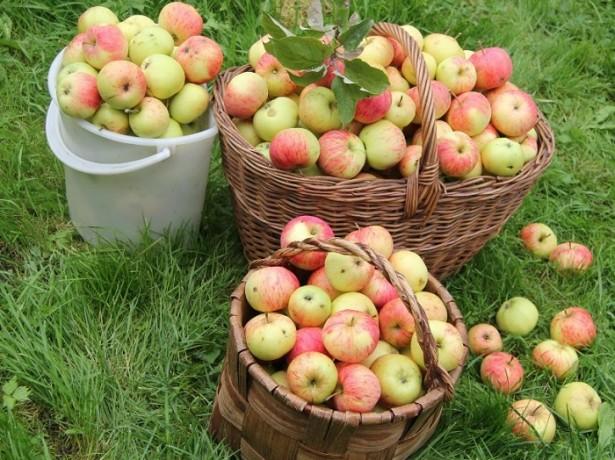
The Chudnoye apple tree variety begins bearing fruit three years after planting. The yield increases with each season. A single apple can weigh between 100 and 250 grams.
Flowering and pollinators
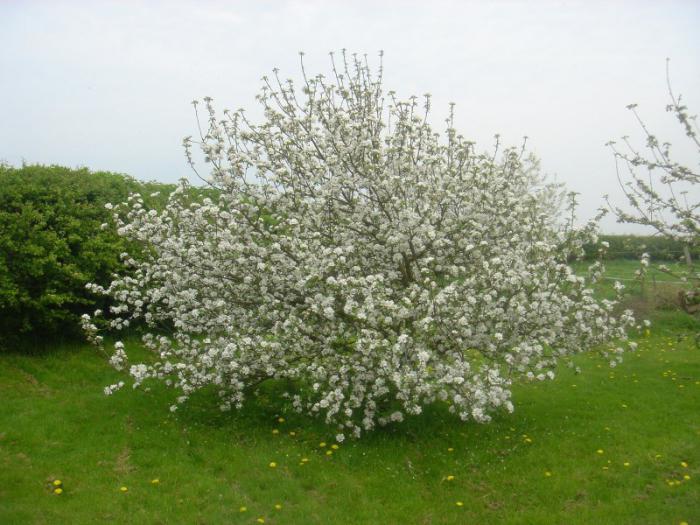
The tree begins to bloom in the early summer months. This variety is self-pollinating, but this process is not always complete and successful. Therefore, the following apple tree varieties can be used for additional pollination:
- Sverdlovsk anise;
- Brotherchud;
- Down to earth.
These trees are suitable for pollination, as they are also dwarf Ural apple varieties.
Ripening period and harvesting of fruits
The Chudnoye apple variety begins blooming in late April and early May. This timing also depends on the growing conditions.
The plant produces a large number of flowers, and with additional pollinators, almost all of them ripen.
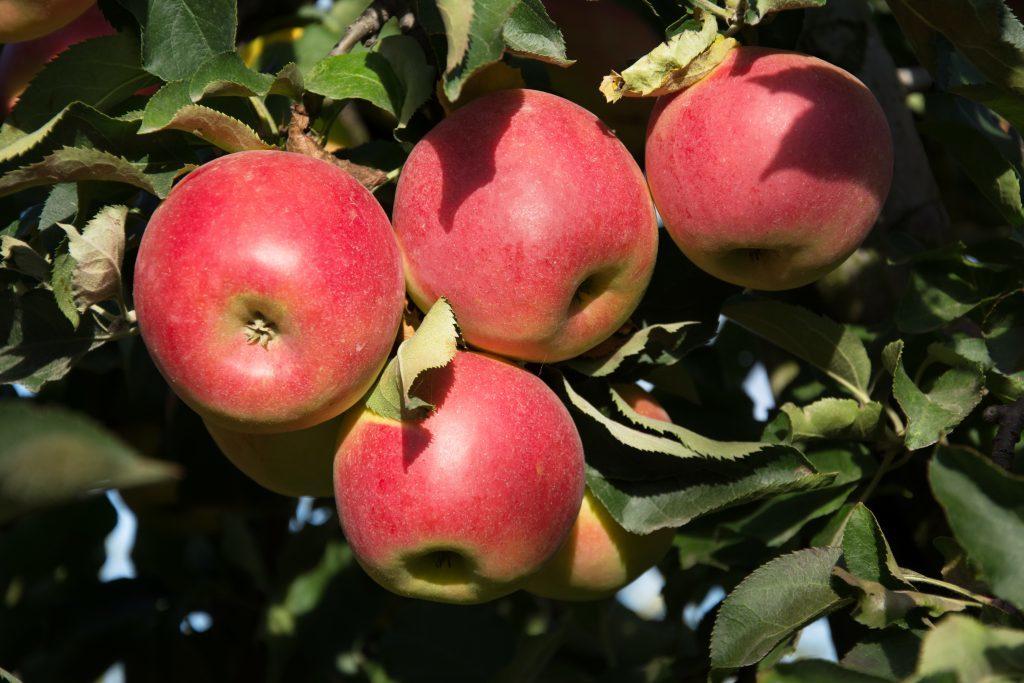
The first fruits begin to appear at the beginning of the summer season, and the apples fully ripen around mid-August. When harvested after full ripeness, they can be stored until October without spoiling.
Tasting evaluation and yield
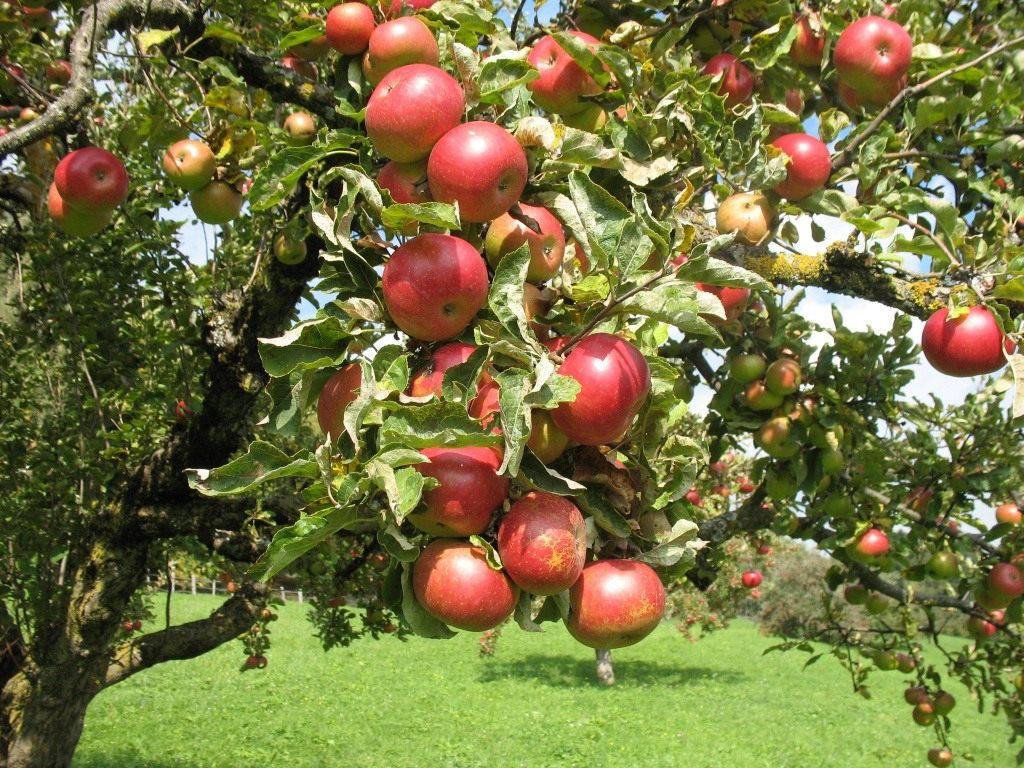
The tree is highly productive. A fully grown tree can produce up to 60-100 kilograms of fruit in a single season. Furthermore, the Chudnoye variety's fruit has excellent commercial qualities.
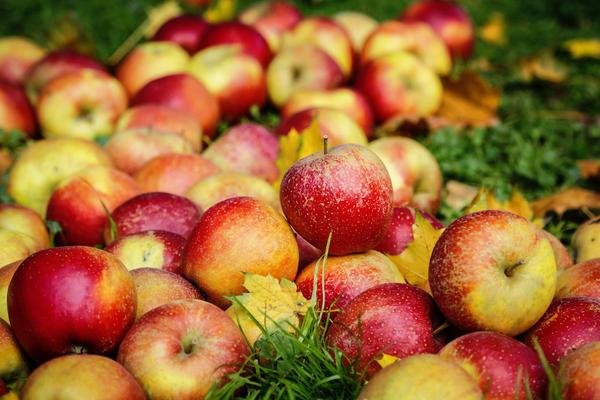
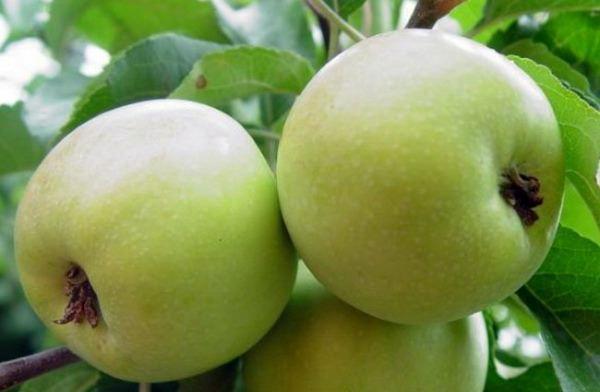
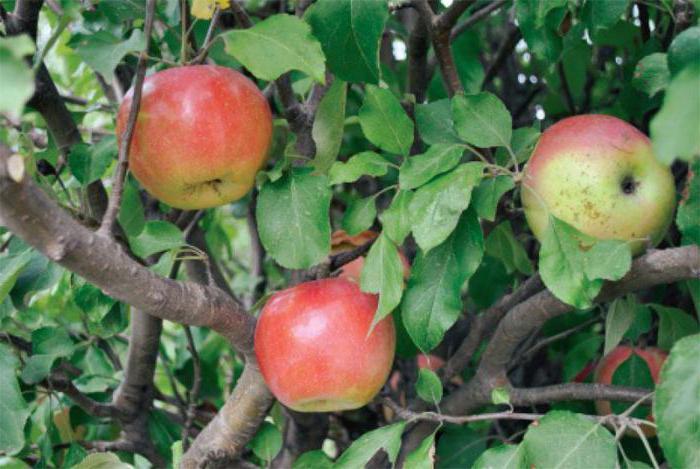
Apples have a moderately sweet flavor and a characteristic tart aftertaste. One apple (200 grams) contains approximately 28 grams of vitamin C, 5-6 grams of pectin, and 50 grams of sugar and nutrients. When fully ripe, the fruits are yellowish-green in color and slightly flattened at the poles. Each apple weighs 100-250 grams.

Fruiting cycle
After three years of growth, the apple tree begins to bear fruit. Apples begin to ripen in the first months of summer, and fruit formation is complete around mid-August. Fruiting is regular and occurs every year. With each subsequent season, the number of apples increases.
Resistance to low temperatures and drought
This variety has increased tolerance to cold temperatures. In some areas with severe frosts, apple trees are completely covered with snow to protect them from frost and winds. This variety does not tolerate drought, as it can quickly cause the tree to dry out and become infected with various diseases. For this reason, the tree requires constant care and ample watering.
Important! The Chudnoe apple tree can withstand temperatures down to -20°C.
Winter hardiness
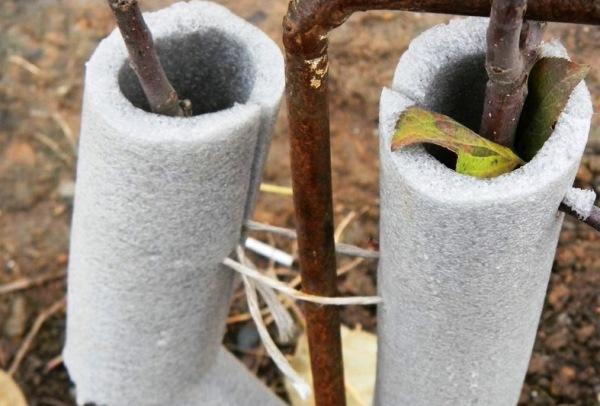
In winter, apple trees tolerate low temperatures well. If necessary, the tree is covered with a special insulation material.
Planting and agricultural practices
The Chudnoye apple tree is an easy-to-grow variety that doesn't require a lot of time or money. For rapid and effective growth, follow these simple planting guidelines.
Selecting a site
Dwarf tree varieties are unpretentious and for the quick and successful cultivation of such plants, fertile soil with a high level of groundwater is required.
Required soil composition
The Chudnoye apple tree grows well in a variety of soils, but prefers loamy or sandy loam soils. Also, for optimal growth, the soil should be nutritious. To achieve this, you can add various organic fertilizers to the soil.
Timing and step-by-step process for planting seedlings
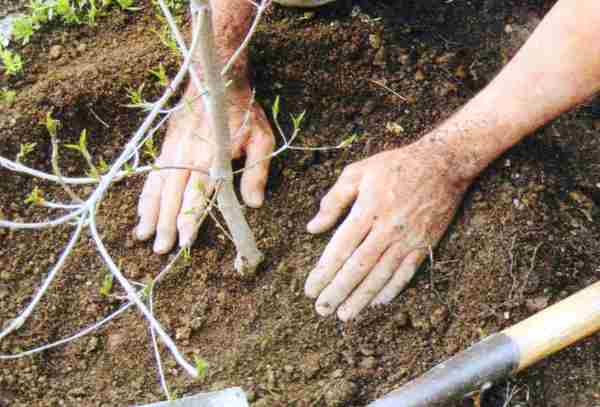
Planting apple tree seedlings Planting occurs in the fall (September-October) or early spring (March-April). If planting is carried out in the fall, all work must be completed within a month before the first frosts and temperature drops.
When planting, you need to follow a certain order:
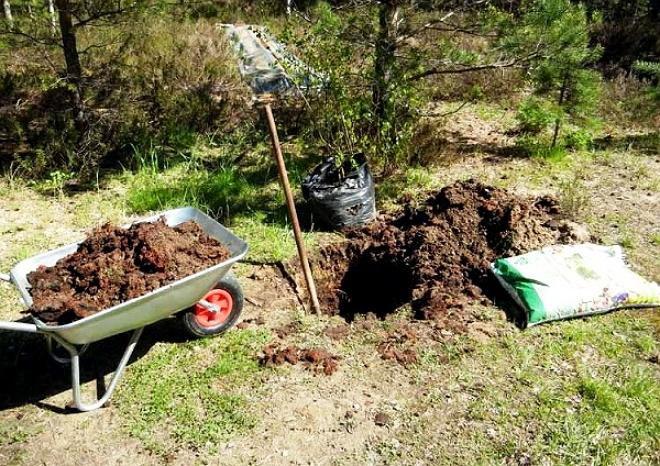
- Before planting the seedling, prepare the soil. To do this, add peat or sand to the pre-dug hole, along with 10-15 liters of compost. If the soil is highly acidic, add 1-2 kilograms of dolomite flour.
- The hole needs to be filled with a bucket of slightly warm water.
- When planting, you need to straighten the rhizomes and place them in the hole, cover them with soil on top and compact them.
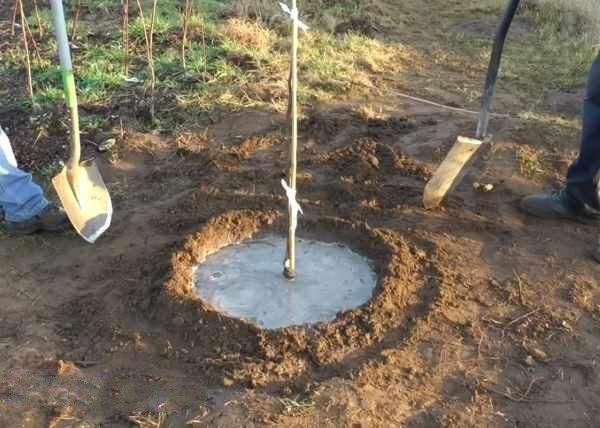
- Form a special border and hole for further watering of the apple tree.
- The root collar should be above the ground surface.
- The planting site should be watered with one bucket of warm water.
- When planting several trees, a distance of 3-4 meters between plants should be maintained.
Apple tree care
Proper care will provide the plant with a constant supply of nutrients and protect it from pests and diseases. Also, proper apple tree maintenance will accelerate growth and improve fruit production.
Watering and fertilizing
This apple variety requires ample moisture for normal development. It is recommended to water thoroughly once a month with a minimum of two buckets of warm water per tree. The dosage should be calculated based on overall climate conditions, soil composition, and soil moisture.

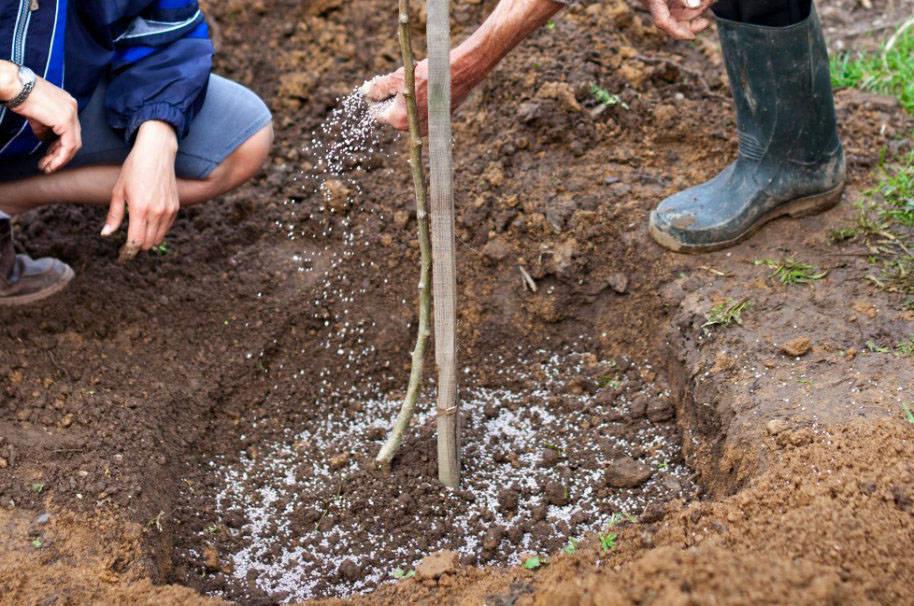
After watering, it's best to loosen the top layers of soil. Additionally, fertilize the plant twice a year. To do this, add about 3-5 kilograms of compost to the soil (5 kilograms diluted in 15 liters of warm water).
Loosening and mulching the soil
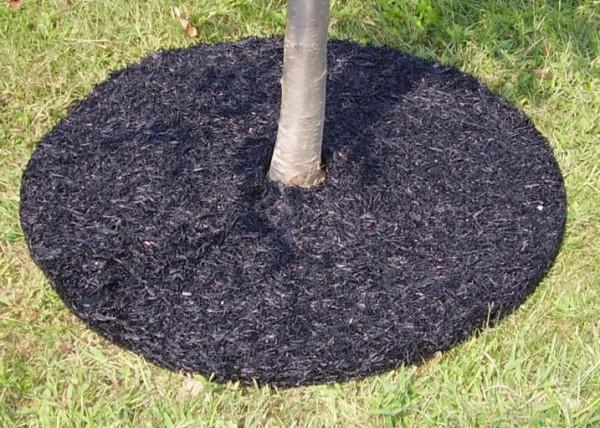
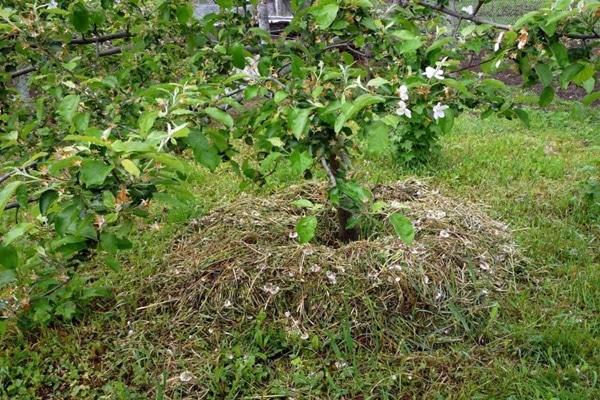
It's best to loosen the soil immediately after regular watering to ensure moisture reaches more than just the top layers of soil. Due to the tree's close-set roots, mulching is recommended during frosty periods. Straw can be used for this purpose, spreading it around the crown within a 1-2 meter radius, depending on the tree's size.
Seasonal treatments against insects and diseases
Like any dwarf tree, the Chudnoye apple variety is more susceptible to damage from various insects. Also, without timely provision of favorable conditions, the apple tree can become diseased. To avoid such situations, it is necessary to carry out insect and disease control procedures. The best treatments for the tree:
- copper sulfate – 1 kilogram of the product, cost: 130 rubles;
- anthracnose – 1 kilogram, price: 55 rubles;
- Bordeaux mixture – 300 gram package, cost: 60 rubles.
Crown formation
The main crown formation begins after the apple tree's second year of growth. At this time, the upper part of the tree is pruned by 40-60 centimeters. Subsequent pruning is best done in the second half of October. Inward-growing shoots are recommended to be removed or shortened to promote even fruit development and a more lush crown.
Frost protection
The tree tolerates frost, but in case of low temperatures, it can be covered with insulation. To do this, bend the apple tree branches closer to the ground. Before winter, you can apply mulch; the following are suitable for this:
- humus;
- fallen leaves;
- straw;
- bark;
- wood sawdust.
Methods of apple tree propagation
The Chudnoe apple tree reproduces in 3 ways:
- cuttings;
- seeds;
- with a peephole.
Gardeners' reviews of the variety
Olga, Rostov-on-Don
I harvest up to 50 kilograms of fruit from the Chudnoye apple tree each season. I originally expected that much, but the trees grew very quickly! The children are happy; they eat the apples all the time.
Maxim, Moscow region.
I planted two Chudnoe apple trees two and a half years ago, and they've already produced a harvest. I was really worried the trees wouldn't survive the occasional frosts, so I bought a frost-hardy variety. I was right. The fruit is delicious.
Related posts:
 Description and rules for growing the Bratchud apple tree variety
 Description of the Red Early apple tree variety, agricultural technology and specific care
 Description and subtleties of growing the Sverdlovsk Beauty apple tree variety
 Description of the Borovinka apple tree variety, cultivation and care
 Description and subspecies of the Sakharny Arkad apple tree variety, cultivation technology
 Description of the ornamental Nedzvetsky apple tree, cultivation technology
 Description of the Uralets apple tree variety and the rules for growing standard trees
 Description and planting of the Dream apple tree variety, care and propagation