
- The history of the Bratchud apple tree breeding
- Advantages and disadvantages of fruit crops
- Subspecies
- Superdwarf
- Dwarf
- Naturally low
- Creeping
- General description and characteristics
- Size and annual growth of the tree
- Lifespan
- All about fruiting
- Flowering and pollinators
- Ripening time and harvesting of fruits
- Yield and taste of apples
- Scope of harvest application
- Immunity to diseases and pests
- Frost and drought resistance
- Features of planting the Bratchud variety
- Site selection and preparation
- Permissible groundwater level
- How to choose a healthy and strong seedling
- Timing and rules for planting a tree
- Further care
- Watering
- Fertilizer
- Graft
- Trimming
- Treatment against pests and infections
- Protection from cold and rodents
- The need for a transplant
- Growing characteristics in different regions
- In the Central Belt
- In Siberia
- In the Urals
- Methods of reproduction
- Gardeners' reviews of the Brat Chudnogo apple tree
The Bratchud apple tree is a new dwarf variety. It is prized for its compact size, relatively undemanding growing conditions, and fairly good productivity. This plant is particularly attractive to gardeners for its frost resistance, which is crucial when growing in cold regions. To successfully grow the Bratchud apple tree, you need to know where, when, and how to plant it, as well as the characteristic traits of the variety.
The history of the Bratchud apple tree breeding
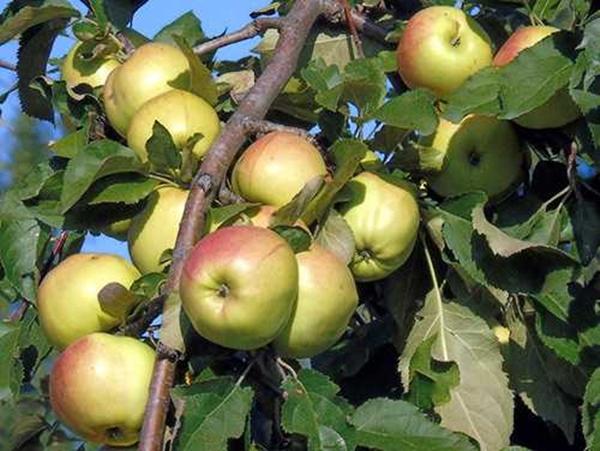
To develop the late-ripening Bratchud apple tree, varieties with high tolerance to low temperatures and the ability to produce a bountiful harvest were selected: Vydubetskaya Plakuchaya and Uralskaya Zimnyaya. The new variety was developed by breeders Putyanin and Mazunin. After passing testing, the Bratchud variety was added to the State Register in 2002. Initially developed for planting in Siberia, the apple tree's resilience to adverse environmental factors has also made it popular in temperate and southern regions.
Advantages and disadvantages of fruit crops
The Bratchud apple tree is a fairly popular plant, chosen for its many positive characteristics, including:
- the ability to begin bearing fruit 3-4 years after planting;
- high yield rates;
- excellent frost resistance;
- compact dimensions;
- dense placement of seedlings;
- there are no difficulties with collecting fruits;
- ease of care;
- long shelf life of the crop;
- the fruits are not afraid of long-distance transportation;
- decent taste qualities.
But the Bratchud apple tree also has its downsides, which should be taken into account when growing it in your garden:
- poor immunity to powdery mildew, scab;
- short fruiting period (up to 20 years);
- weak root stability (the tree may fall under load);
- in winter it is necessary to provide additional protection from the cold;
- The taste of the fruit directly depends on drought and humidity levels.
Important! The Bratchud apple tree is ideal for gardeners with limited space for planting fruit crops.

Subspecies
There is a variety of varieties of the Bratchud apple tree, where each type has its own distinctive features.
Superdwarf
This apple tree grows to a height of only 1 m. Its fruits form along the trunk and have excellent taste.
This variety has proven itself to be a winter-hardy, early-bearing plant with a lifespan of 13 years.
Dwarf
This early-fruiting apple tree grows to a height of no more than one and a half meters. It is popular among growers due to its compact crown and high yield.

Naturally low
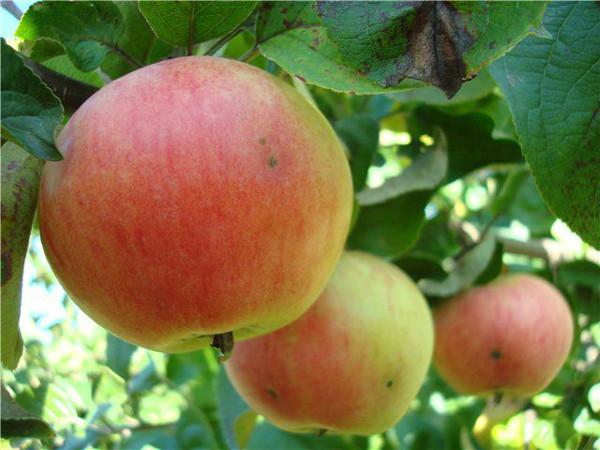
The two-meter-tall apple tree produces medium-sized fruits, weighing 150-180 g. Its crown, close to the ground, is large. The apple tree begins bearing fruit as early as the third year after planting.
Creeping
This winter-ripening plant reaches a height of no more than two meters when grown on seed-type rootstock. The weight of the sweet and sour apples ranges from 110 to 150 grams. Productivity is excellent.
General description and characteristics
To obtain a bountiful harvest from the Bratchud apple tree, it is necessary to familiarize yourself with the main characteristics of the variety.

Size and annual growth of the tree
Since the Bratchud apple tree is a dwarf, its height does not exceed 2.5 m. The tree's crown is not only spacious but also spreading, reaching 3-3.5 m in diameter. The horizontally growing branches provide the width of the crown.
The medium-thick shoots are distinguished by their greenish-brown color. The leaf blades are large and deep green. Annual growth reaches 10 cm.
Lifespan
The only thing that upsets gardening enthusiasts about growing the Bratchud apple tree is its short lifespan. Even with proper care, this miniature tree lives only 15-20 years.

All about fruiting
The winter-ripening apple tree, despite its small size, not only begins to bear fruit early, but also produces tasty fruits.
Flowering and pollinators
The apple tree delights with its blossoms in late April, sometimes in early May. When grown in regions with harsh winters, bud break may occur in late spring.
To produce fruit, the Bratchud apple tree requires cross-pollination. The best varieties for this are Sokolovskaya, Podsnezhnik, and Chudnaya.

Ripening time and harvesting of fruits
When apples reach harvestable maturity, their flesh turns white. This occurs towards the end of September. Thanks to the strong stems, the ripe fruit does not fall off; it is harvested directly from the tree. If stored in a cool place, the fruit will keep for up to six months without losing its marketability or flavor.
Yield and taste of apples
The Bratchud apple tree is considered a promising tree. With proper cultivation practices, a single plant can yield up to 150 kg. The apples have excellent flavor: the flesh is slightly juicy, coarse-grained, and slightly tart.
Important! The tasting score for Bratchud apples is 4.7 out of 5.

Scope of harvest application
Apples have a pleasant flavor and aroma, are quite sweet, and are used fresh. They have a long shelf life, provided they are stored at the appropriate humidity and temperature (3-7°C). They are also excellent for culinary dishes, winter preserves, juices, and compotes.
Immunity to diseases and pests
Apple trees are not particularly resistant to various diseases, especially fungal ones. High humidity makes the tree susceptible to scab and powdery mildew. To prevent these, spraying with appropriate fungicides is necessary.
Frost and drought resistance
The Bratchud variety has a high level of resistance to adverse environmental factors, even withstanding temperatures as low as -40°C. If the winter is severe, the underground part of the apple tree may suffer.
As for drought resistance, the apple tree reacts painfully to a prolonged lack of moisture; it prefers abundant watering.

Take a look Also
Features of planting the Bratchud variety
To harvest large fruits, it is necessary to plant apple trees in accordance with basic recommendations.
Site selection and preparation
Apple trees thrive when planted in fertile soil, and their productivity is quite high. Sandy or clayey soil can also be chosen, but the site must be protected from strong winds.
In addition, it is very important that the apple tree receives as much heat and light as possible; planting in the shade is ineffective.
First, the area for the apple tree should be cleared of debris and weeds, then a nutrient solution should be added. The mixture is prepared from excavated soil and compost (3 buckets), wood ash (200 g), and superphosphate (200 g). The optimal dimensions of the pit are 50 cm wide and 50 cm deep.
Important! Plants should be spaced 3 meters apart; this will prevent them from experiencing nutritional or light shortages.

Permissible groundwater level
The Bratchud apple tree's root system doesn't extend very deep. Therefore, there are no restrictions regarding groundwater levels.
How to choose a healthy and strong seedling
It's recommended to purchase apple trees from fruit nurseries. Two-year-old seedlings take root faster. The most important thing is that the tree has a developed and healthy root system, free of signs of disease. Secondary shoots should have smooth bark and medium-sized buds. A high-quality seedling has four developed branches with large buds.
Timing and rules for planting a tree
Planting takes place in the spring or fall, before the onset of cold weather (about a month in advance). The procedure for planting an apple tree in a permanent location involves the following steps:
- Fill the dug hole with fertile soil in the form of a mound.
- Drive a stake into the ground to support the apple tree.
- Place the plant in the center of the hole and straighten the roots.
- Sprinkle with soil and compact it carefully.
- Moisturize.
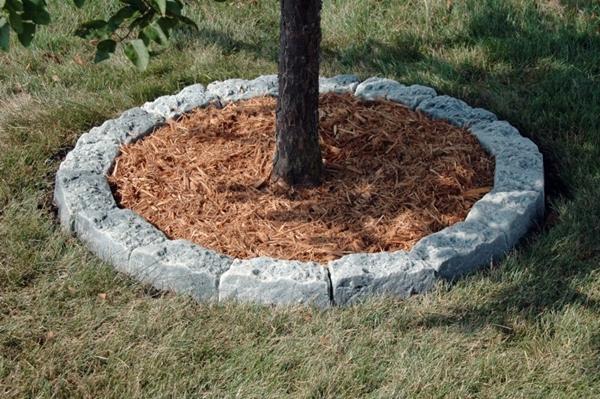
- Mulch with peat or humus.
Further care
To help your apple tree adapt quickly to new conditions and continue to bear fruit abundantly, you need to prevent the soil around the tree from drying out, regularly remove weeds, apply fertilizer, and protect it from parasites and diseases.
Watering
During the active growing season, water the tree 5 times as needed. Water is poured into a depression in the tree trunk circle. Five buckets of water are used per plant.

Fertilizer
Feeding procedures for young apple trees consist of:
- urea (in early spring);
- sodium humate (May-June);
- phosphorus-potassium composition (September).
Adult specimens are fed as follows:
- urea (April);
- mineral complex fertilizer (at the beginning of the flowering phase);
- potassium humate and nitrophoska (after flowering);
- phosphorus-potassium composition (at the end of the fruiting phase).

Graft
There are several methods for grafting apple trees. However, budding is the most effective. The key is to use disinfected tools and perform the procedure in the spring.
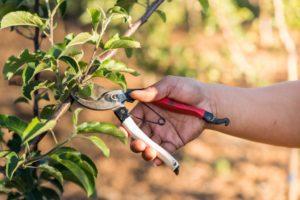
Trimming
A rich harvest is possible only with proper pruning of the apple tree:
- during planting, the shoots of the seedling are shortened by a third;
- further pruning is carried out in order to prevent the crown from becoming too dense;
- To maintain a well-groomed appearance, formative pruning is performed;
- Sanitary pruning is carried out to remove all ineffective, diseased and damaged branches.

Important! The central conductor should not be touched; it is the skeleton of the entire tree.

Treatment against pests and infections
Pests rarely pose a threat to the Bratchud apple tree. However, if they do appear, they can be controlled using folk remedies. Preventative spraying with Bordeaux mixture in the spring can prevent the development of diseases.
Protection from cold and rodents
The soil around the tree trunk is covered with compost to prevent the roots from freezing. The trunk is protected from rodents with spruce branches, roofing felt, agrofibre, and metal mesh.

The need for a transplant
If seedlings were planted during a rainy autumn, they need to be replanted in the spring. This can also be done if the soil is poor, choosing a site with fertile soil.
Growing characteristics in different regions
In the Central Belt
Given that strong winds often blow in such regions, it's best to plant apple trees with weak roots downwind from buildings and fences. It's also essential to tie the tree to a support structure.

In Siberia
This variety has excellent frost resistance, but it's still best to cover the roots with mulch. Use 10 cm of peat moss, humus, or wood shavings for this purpose.
In the Urals
It's recommended to plant an apple tree in a location where fruit trees have never grown before. This will prevent the tree from becoming infected with diseases and pests found in the soil. Since the soil isn't entirely suitable for growing this variety, regular feeding will be required.

Methods of reproduction
Apple trees are propagated both from seeds and by grafting cuttings or individual buds. For successful propagation, it is necessary to use disinfected soil and clean tools.
Gardeners' reviews of the Brat Chudnogo apple tree
Nikolai, 65, Kyiv: "I bought a seedling at the market, although I was highly doubtful it would match the variety's description. I planted it in my garden, providing it with the proper conditions and care. Yes, the apples are large and delicious. I recommend them!"
Yaroslav, 33, Saratov: "I've been wanting to buy this variety for a while, but I couldn't bring myself to do it. I thought the dwarf plant wouldn't produce a bountiful harvest. But after reading reviews from other gardeners, I was convinced otherwise. My tree has been bearing fruit for three years now, and I'm very pleased with both the size and the taste of the fruit."
Anton, 55, Ivanovo: "The Bratchud apple tree is a little miracle, capable of producing a large harvest despite its small size. I recommend it to anyone with a small plot and a desire to start a garden."
Related posts:
 Description of the Chudnoe apple variety, planting and caring for a dwarf tree
 Description of the Borovinka apple tree variety, cultivation and care
 Description of the ornamental Nedzvetsky apple tree, cultivation technology
 Description and planting of the Dream apple tree variety, care and propagation
 Description and subtleties of growing the Sverdlovsk Beauty apple tree variety
 Description and subspecies of the Sakharny Arkad apple tree variety, cultivation technology
 Description and rules for growing creeping apple trees, planting and care
 Description of the Auxis apple tree, planting and care features