
- The history of the Borovinka apple tree breeding
- Advantages and disadvantages of fruit crops
- Subspecies and variants
- Red
- Altai
- Pineapple
- Creeping
- Speckled
- Akulovskaya
- Sergeeva
- Pink is excellent
- General description and characteristics
- Size and annual growth of the tree
- Lifespan
- All about fruiting
- Flowering and pollinators
- Ripening time and harvesting of fruits
- Yield and taste of apples
- Scope of harvest application
- Immunity to diseases and pests
- Frost and drought resistance
- Features of planting the Borovinka variety
- Site selection and preparation
- Permissible groundwater level
- How to choose a healthy and strong seedling
- Timing and rules for planting a tree
- Further care
- Watering
- Fertilizer
- Graft
- Trimming
- Treatment against pests and infections
- Protection from cold and rodents
- The need for a transplant
- Methods of reproduction
- Gardeners' reviews of the apple tree
Growing fruit crops is a promising endeavor; the key is to choose a high-yielding plant that is resilient to adverse environmental factors. The Borovinka apple tree variety is very popular among gardeners, having proven itself to be exceptionally successful. It is prized for its undemanding growing conditions and excellent taste. Growing the Borovinka is not difficult if you know the rules for planting and caring for it.
The history of the Borovinka apple tree breeding
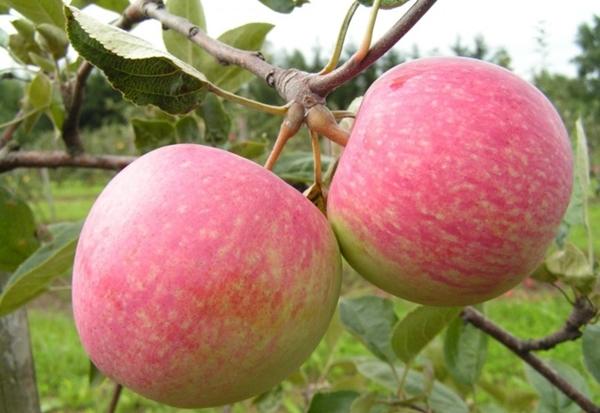
This variety is an Old Russian one, developed in Russia. Its name fully describes its growing area – a pine forest. It was first exported to England, and from there to France and the United States in 1700. Since its origin could not be determined for decades, the Borovinka apple tree is considered the result of folk selection.
Advantages and disadvantages of fruit crops
The Borovinka apple tree variety has gained recognition among plant lovers thanks to the following positive characteristics:
- undemanding to soil and care;
- early fruit bearing;
- quick adaptation to new conditions;
- incredible fertility;
- cold resistance;
- good shelf life of fruits;
- apples are not afraid of long-distance transportation;
- increased immunity to major diseases.
Despite its many advantages, the Borovinka apple tree variety also has its weaknesses:
- inconsistent fruiting;
- low drought tolerance;
- sour taste of fruits.
Important! The Borovinka apple tree has a sugar content of 11% and titratable acids of 85%. 100 g of fruit contains up to 15 mg of vitamin C.
Subspecies and variants
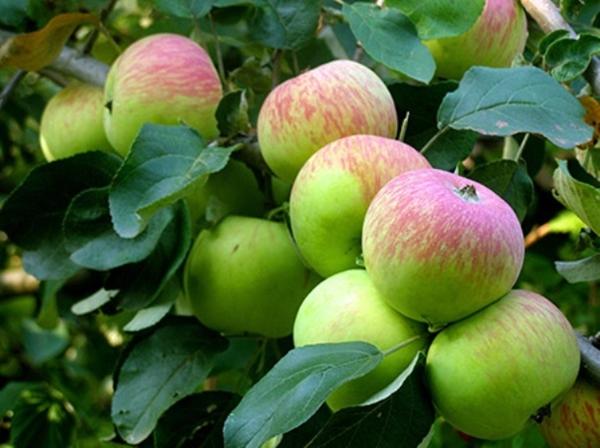
There are several varieties of the Borovinka apple tree, each with its own distinctive features.
Red
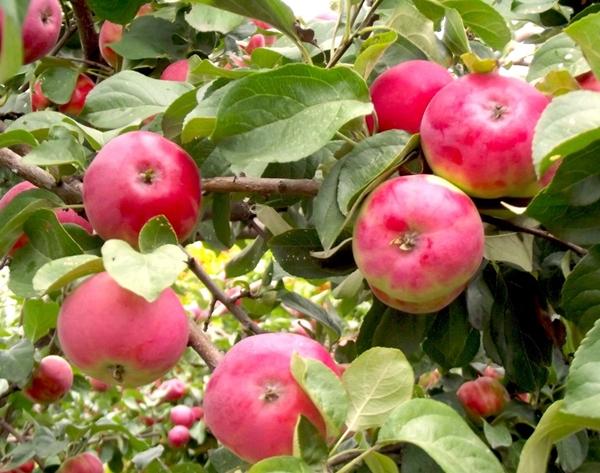
This subspecies is distinguished by its relatively frost-hardy nature and is rarely affected by diseases and pests. The fruits develop a solid red blush upon reaching consumer maturity. This apple tree ripens mid-season. Fruit weight is 100 g.
Altai
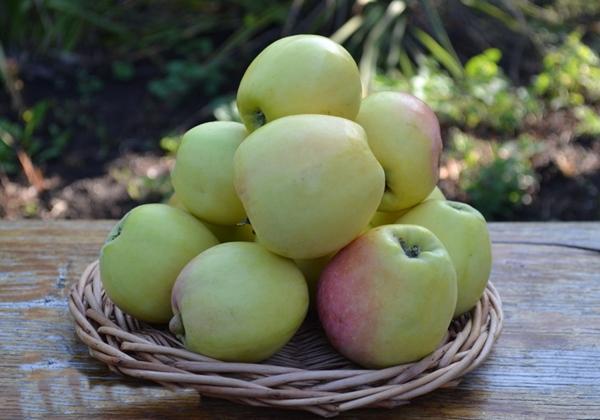
The apple tree is medium-sized, with a pyramidal crown. Each rounded fruit weighs almost 95 g. Its color is light yellow with red stripes. The flesh is loose and juicy, with a sweet and sour taste and a distinct aroma. Productivity and frost resistance are average.
Pineapple
This Borovinka apple variety is winter-hardy. Its fruits are quite popular; they are sweet and can be stored for a long time. The flavor is decent, with a slight tartness. Each apple weighs 120 g. The variety has increased immunity to scab.

Creeping
The Borovinka apple tree is planted at an angle, close to the ground surface, to achieve a spreading form. Pruning can also be done at the level where the tree develops. To facilitate winter shelter, the apple tree branches are bent toward the ground to create a standard-less form.
Speckled
This is one of the names of the Borovinka apple tree variety.
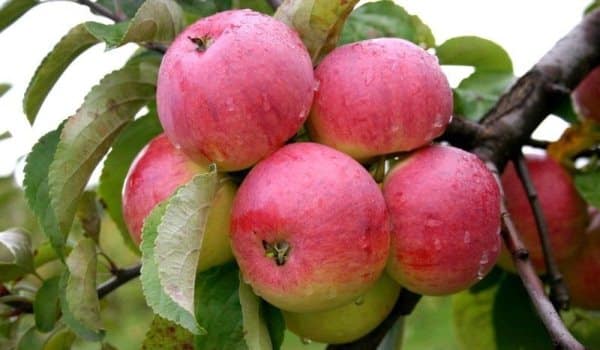
Akulovskaya
The apple tree is widely cultivated in the Volga and Don regions. The variety has proven itself to be frost-resistant and easy to care for. However, it lacks sufficient immunity to scab. This apple tree ripens mid-season, producing fruits weighing no more than 90 g. Their color is green with a slight blush.
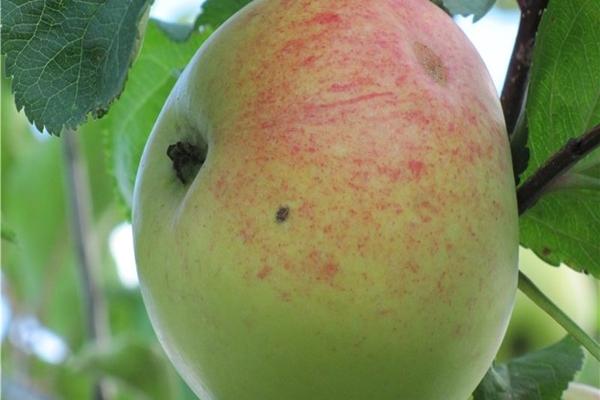
Sergeeva
This Borovinka apple variety was bred at the Krasnodar Fruit and Vineyard. Despite its medium size, the harvest boasts excellent flavor. The apple tree is resilient to adverse environmental conditions and is noted for its fertility. The fruit is harvested in the first half of August, but can be stored for no more than 10 days.
Pink is excellent
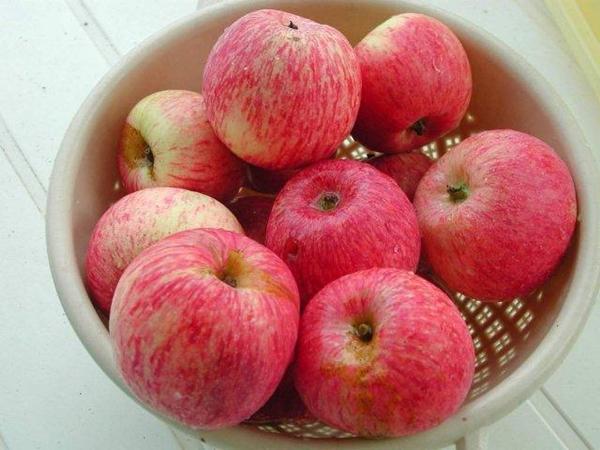
Borovinka and Papirovka were used to develop this summer variety. S.F. Chernenko was the creator of the new form. The apple tree begins bearing fruit in the third or fourth year after planting. The average fruit weight is 140 g. The harvest has a short shelf life, up to 10 days, and lacks resistance to scab and fruit rot.
General description and characteristics
To reap a rich harvest, you need to become more familiar with the Borovinka apple tree variety.
Size and annual growth of the tree
The Borovinka apple tree can reach 5 m in height. The crown diameter is 6 m. Annual growth is almost 10 cm.
Lifespan
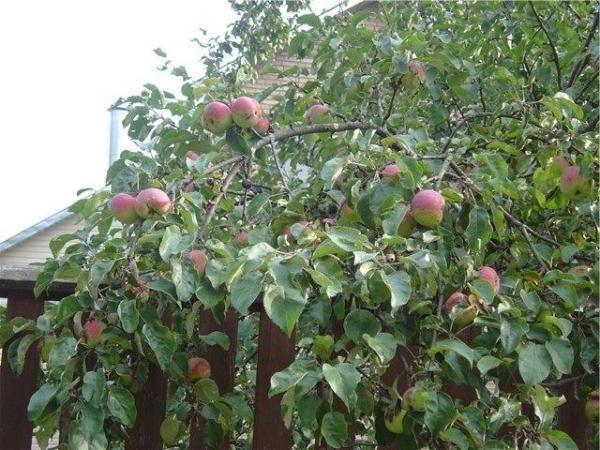
With proper care and regular rejuvenating pruning, the Borovinka apple tree can live for over 30 years. Moreover, the older the tree, the greater its yield.
Important! At 23-30 years of age, the Borovinka apple tree produces up to 200 kg of fruit per tree.
All about fruiting
Flowering and pollinators
Unlike the upper branches, the lower branches begin to bloom earlier. Thanks to the long flowering period, a bountiful harvest is possible even during recurrent spring frosts. The best pollinators for Borovinka are varieties such as Antonovka, Papirovka, Astrakhansky Bely, and Anis.
Ripening time and harvesting of fruits
Apples are harvested in August when grown in warm regions, and in September in cold regions. The harvested crop is stored in a cool place until January or February.
Yield and taste of apples
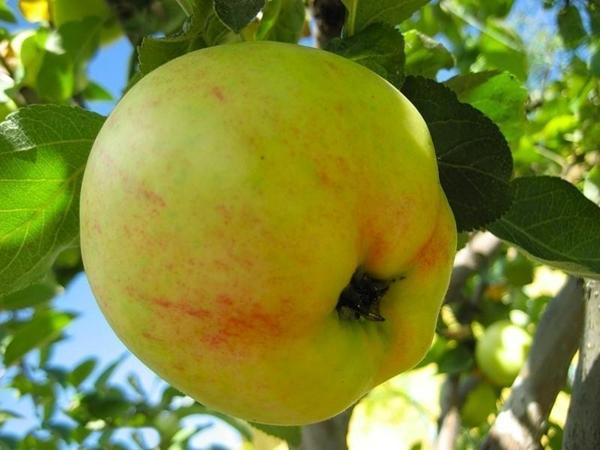
Because this variety is characterized as fruitful, it is often found not only in private farms but also in commercial ones. On average, a single tree yields 100 kg of fruit, and with proper planting and care, up to 220 kg. The harvest has good flavor, receiving a tasting score of 4.05 out of 5.
Scope of harvest application
The Borovinka apple tree is both eaten fresh and often used in culinary creations. Its fruits produce delicious and healthy juice. They are also suitable for winter preserves.

Immunity to diseases and pests
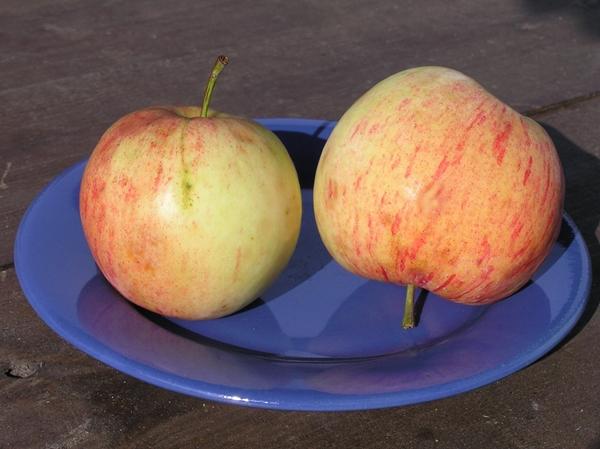
Borovinka is virtually immune to disease, except for scab. The apple tree has a fairly high resistance to various diseases and parasites.
Frost and drought resistance
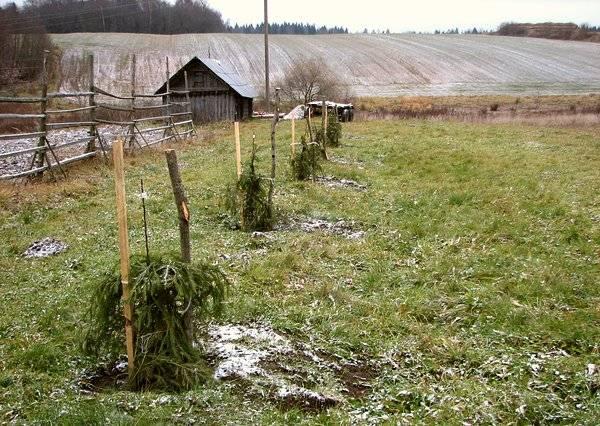
Thanks to its high tolerance to low temperatures, the Borovinka apple tree can easily overwinter without additional shelter. However, young trees in cold climates are recommended to be protected with agrofibre or spruce branches. The variety tolerates drought well, but the soil around the tree should not be allowed to dry out.
Features of planting the Borovinka variety
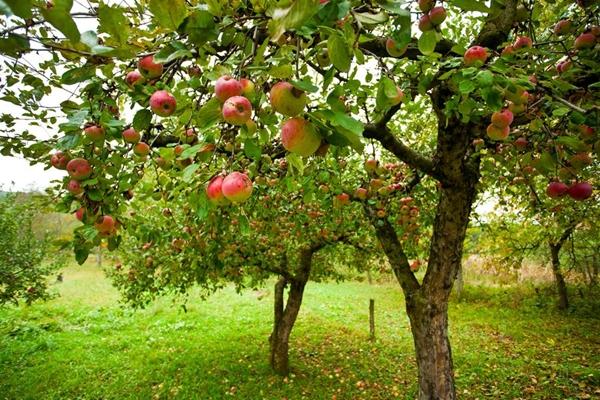
Despite the apple tree's unpretentiousness to growing conditions, properly carried out planting work is the key to a rich harvest.
Site selection and preparation
The tree grows and bears fruit best in areas with adequate sunlight. The planting site should be free from strong winds and low groundwater levels. Alternatively, the tree can be planted in light partial shade. The soil should be loose, slightly acidic, and fertile. The distance from the structure should be 3 meters.
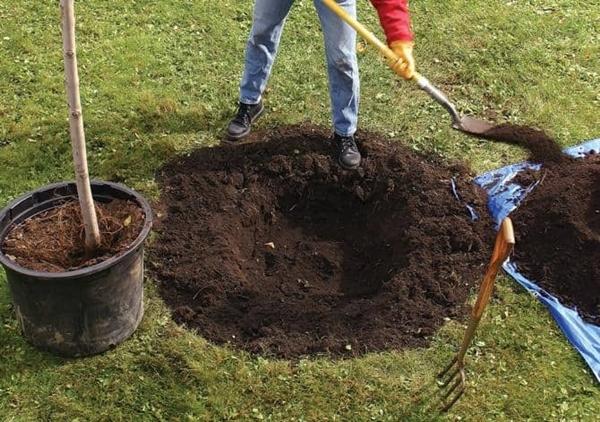
To plant a seedling, prepare a pit a month in advance, using the following for filling:
- manure (4-6 kg);
- phosphates (100 g);
- peat (10 kg);
- wood ash (1 kg);
- potassium sulfate (50 g).
Important! The optimal dimensions of the pit for a young tree are 60 cm deep and up to 1 m in diameter.
Permissible groundwater level
To avoid problems such as root rot, avoid planting trees in areas with groundwater depths of less than 1.5 meters. If a suitable site is unavailable, digging a pit on elevated ground is recommended.
How to choose a healthy and strong seedling
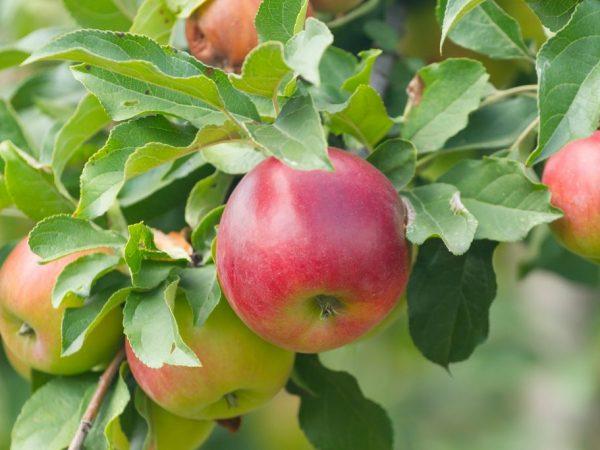
Two-year-old seedlings are best for planting. They should show no signs of disease, damage, or bruising. There should be 4-5 branches on the crown, with the grafted site 7-8 cm from the root. The seedling should be 1.5 meters tall, with healthy bark.
Timing and rules for planting a tree
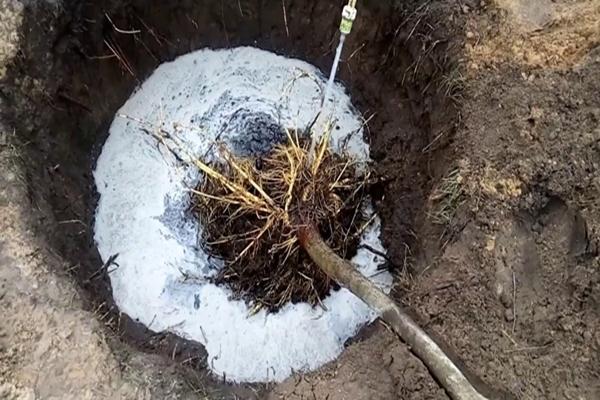
Planting can be done in both fall and spring. To ensure the seedling quickly takes root and begins to grow, follow these steps:
- Drive the future support into the pit; it will be needed to tie up the tree.
- Place a seedling soaked in clean water (2 hours) in the center of the hole on a mound of earth.
- Spread out the roots and cover with fertile soil, compacting it gently. The root collar should be 5-7 cm from the soil surface.
- Tie the young tree to a support for better stability.
- Moisten the soil generously, using 3 buckets of water per plant.
- Mulch the soil in the tree trunk circle with rotted wood sawdust and peat; the layer thickness should be 10 cm.
Further care
With proper care, fruit crops are less susceptible to diseases and pests, and they bear fruit more abundantly.
Watering
In total, the fruit crop is irrigated three times per season:
- in spring (7 days before the sap starts to flow);
- in summer (July 15-20);
- in autumn (after harvesting the fruits).
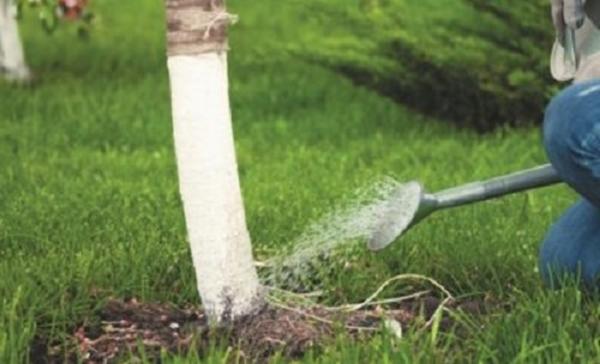
During the hot season, use two buckets of water per plant, watering four times a week. The soil must then be loosened and mulched with humus and peat.
Fertilizer
In the second year after planting, the tree is fed with organic matter, applied in the fall. It's best to combine feeding with irrigation, using a solution of wood ash (2 kg), chicken manure (2 kg), and 10 liters of water. Let the mixture steep for 24 hours. To promote large fruit, use potassium, nitrogen, urea, and phosphorus.
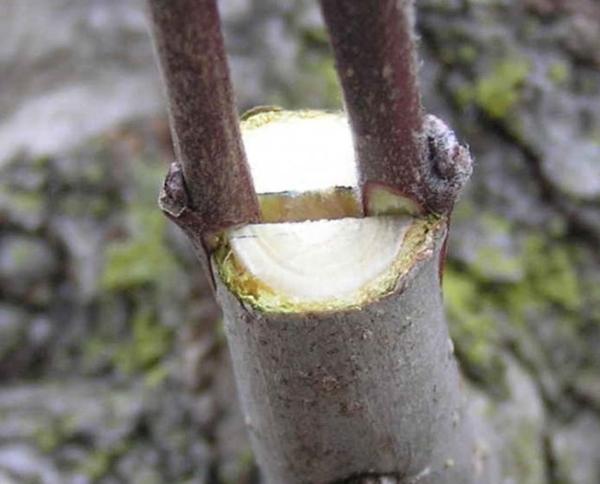
Graft
There are several methods for grafting an apple tree. However, bud grafting is an effective method.
The manipulation must be carried out in the spring, during the period of leaf emergence.
Trimming
Before planting, the seedling is shortened by a third, so that it can begin to form a crown quickly.
In spring, remove all dry bark, dead, and damaged branches. Pruning should be done twice, with a two-week interval.
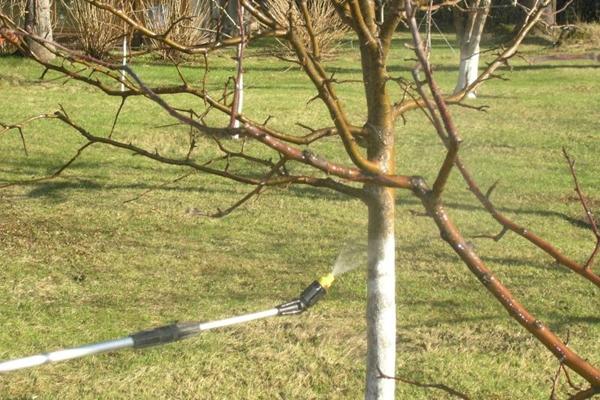
Treatment against pests and infections
For preventative measures, it is recommended to use a solution based on Bordeaux mixture. This product is effective against fungal and viral diseases. Traps and baits can be used to control parasites. In addition, in the fall, the soil should be dug up and leaves removed.
Protection from cold and rodents
To protect the tree from pests, you can use spruce branches, wire mesh, and agrofibre. The trunk should also be treated with a chalk solution if the plant is young, and with a lime solution if it is mature.
The need for a transplant
This procedure is carried out either in the spring or fall. Choose cloudy and windless days. Transplanting is performed in the spring if the fruit tree is growing in poor soil, or if the autumn weather was cold.
Methods of reproduction
You can grow a new plant by seed, grafting cuttings, or grafting individual buds. The key is to follow a specific technique and use only disinfected tools and soil.
Gardeners' reviews of the apple tree
Marina, 45, Saratov: "I planted a Borovinka apple tree in my garden in 2015. I'd heard a lot about it, and the reviews were mostly positive. Now I'm convinced that this variety produces abundant and consistent fruit and is easy to care for."
Alexey, 65, Oryol: "I bought some Borovinka seedlings and planted them near my blackcurrant bush. The tree took root quickly, doesn't bother me next to the bush, and produces large, tasty fruits. I highly recommend it!"
Artem, 35, Voronezh: "I have several apple varieties in my garden, but I wanted to add Borovinka to my collection. I've been growing it for five years now and haven't found any flaws yet. The yield is good, the fruits are large and juicy. I'm happy!"
Related posts:
 Description and rules for growing the Bratchud apple tree variety
 Description and rules for growing creeping apple trees, planting and care
 Description of the Chudnoe apple variety, planting and caring for a dwarf tree
 Description and planting of the Dream apple tree variety, care and propagation
 Description of the ornamental Nedzvetsky apple tree, cultivation technology
 Description and subtleties of growing the Sverdlovsk Beauty apple tree variety
 Description and subspecies of the Sakharny Arkad apple tree variety, cultivation technology
 Description of the Auxis apple tree, planting and care features