
- History of the Arkad apple tree breeding
- Subspecies and description
- On a dwarf rootstock
- Columnar
- Pink
- Yellow
- Sugar
- Biryukova
- Regions of cultivation of summer varieties
- Main advantages and disadvantages
- Characteristics and description of the Arkad apple tree
- Tree size and annual growth
- Lifespan
- All about fruiting
- Flowering and pollinators
- Ripening time and yield
- Tasting qualities of apples
- Fruit collection and use
- Sustainability
- To diseases and pests
- Unfavorable climatic conditions
- Specifics of planting fruit crops
- Deadlines
- Site selection and preparation
- Preparing seedlings
- Technological process of landing
- What can be planted nearby?
- Further care
- Watering
- Foliar and root feeding
- How to prune an apple tree correctly
- Caring for the tree trunk circle
- Preventive treatments
- Winter protection
- Reproduction methods
- Gardeners' reviews of the Arkad variety
Nurseries and gardening stores offer a wide variety of apples with a wide range of characteristics. New hybrids are becoming more common each year. One popular variety among gardeners is the Sakharny Arkad apple hybrid. It's an early-ripening variety with delicious fruit.
History of the Arkad apple tree breeding
The Sakharny Arkad apple variety has been cultivated for quite some time. There is no precise information about who created this variety. The only surviving information is that similar apple trees grew in Leo Tolstoy's gardens.
Subspecies and description
There are several subspecies of the Sakharny Arkad apple tree. These varieties differ in the tree's appearance and the characteristics of their fruit.
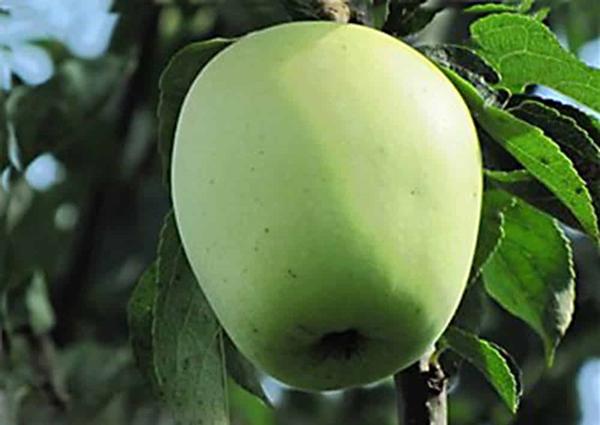
On a dwarf rootstock
This variety's tree reaches a height of 2 meters. It is characterized by greater frost resistance than other varieties. Trees grown on dwarf rootstocks thrive even in cold climates.
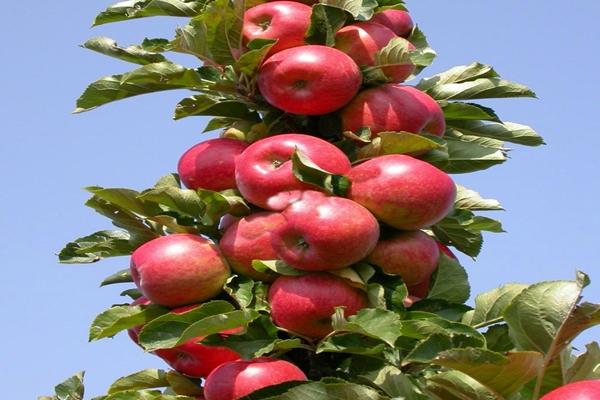
Columnar
The columnar variety is distinguished by its virtually devoid of horizontal shoots. It requires no pruning or crown shaping. Columnar apple trees begin bearing fruit within a year of planting. They are winter-hardy.
Pink
The crown is compact, the branches slender. It grows well in loose sandy and loamy soils. The fruits weigh up to 70 g and ripen in July.
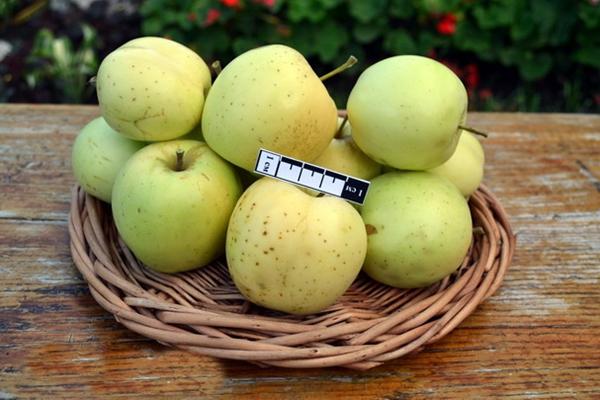
Yellow
This variety has a medium yield, but the tree bears fruit annually. A mature apple tree yields no more than 7 kg of fruit. The skin is bright yellow, and the flesh is slightly tart. A drawback of this variety is that the fruit spoils quickly after harvest.
Sugar
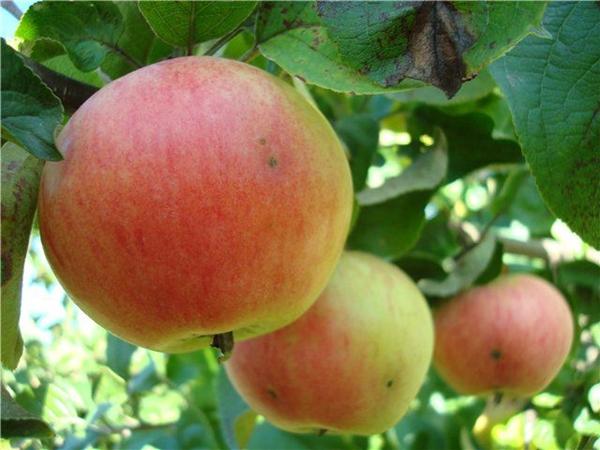
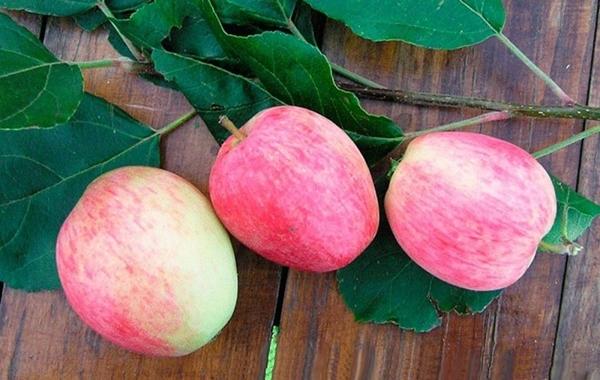
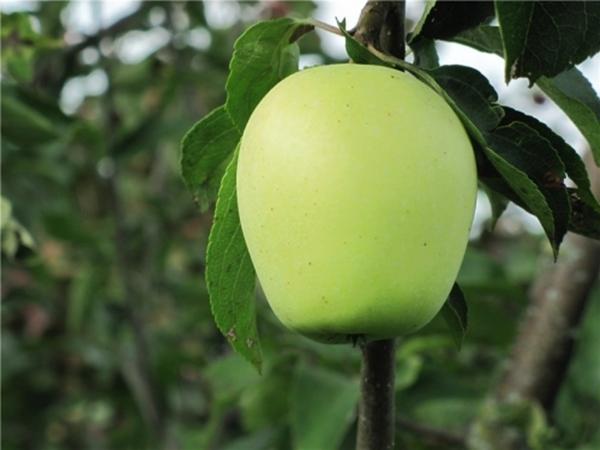
This apple tree is tall and has a spreading crown. It is frost-resistant. Ripe apples are large with thin green skin. The flesh is grainy, sweet, and juicy. Weight up to 160 g.
Biryukova
The tree grows up to 4 m. The crown is strong and spreading. The variety is winter-hardy. The apples have a sweet and sour taste. The skin is green with a pink blush. Apples weigh from 90 to 120 g. Among the disadvantages, they are susceptible to fungal and bacterial diseases.
Regions of cultivation of summer varieties
The Sakharny Arkad apple tree is suitable for growing in temperate climates, particularly in the European part of Russia. The hybrid also thrives in southern climates. Some varieties are suitable for planting in northern regions.

Main advantages and disadvantages
The advantages of the Sugar Arcade variety include:
- Frost resistance and resistance to prolonged drought.
- Taste qualities of ripe apples.
- Presence of immunity to some diseases of fruit trees.
- Annual fruiting.
- Long shelf life.
- Early ripening of the crop.
The disadvantages include average yield. This variety is not suitable for industrial cultivation. It has poor transportability. Apple trees are also often susceptible to powdery mildew.
Characteristics and description of the Arkad apple tree
Before purchasing a seedling, it is recommended to familiarize yourself with the basic characteristics of the tree.
Tree size and annual growth
The tree is tall, growing up to 4 meters in height. The crown is strong and spreading. Annual growth is approximately 10-15 centimeters.
Lifespan
The tree's lifespan depends on climate conditions and care. On average, an apple tree lives 30-40 years.
All about fruiting
You also need to study all the characteristics related to fruiting before purchasing.
Flowering and pollinators
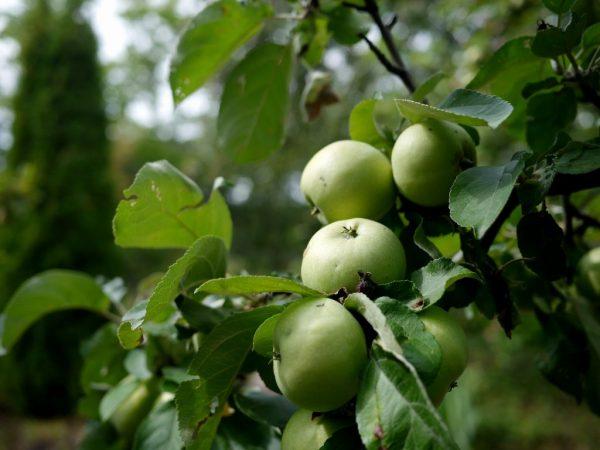
The apple tree blooms in the first half of May. The blossoms are abundant, but to ensure a good production of fruit, several other early varieties will need to be planted in the garden. Their flowering period should coincide with that of the Sakharny Arkad apple tree.
Ripening time and yield
The harvest ripens around the second ten days of July, and continues until mid-August. The yield is average, with no more than 10 kg of fruit harvested from a single mature tree.
Tasting qualities of apples
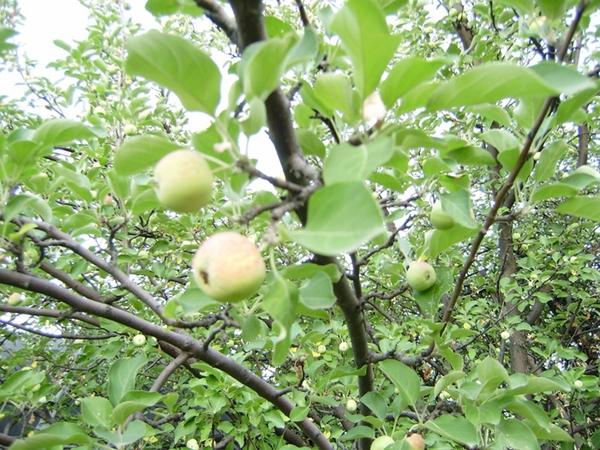
The flesh has a pleasant sweet-and-sour flavor, is juicy, and fine-grained. It is very aromatic. The tasting score is 4.7 out of 5.
Fruit collection and use
Apple trees begin bearing fruit in the third or fourth year after planting. Like most summer varieties, apples don't store well after harvest.
Therefore, they should be eaten as quickly as possible or used to make jam, compotes, preserves or baked goods.
Sustainability
Important characteristics include resistance to climatic conditions and pests.
To diseases and pests
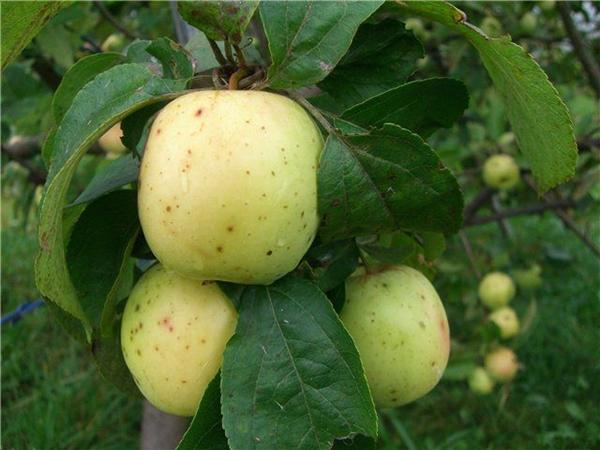
The Sakharny Arkad variety has average disease resistance. Powdery mildew is a particularly common problem. With the right growing conditions, pest infestations can be minimized.
Unfavorable climatic conditions
The tree is resilient to adverse climatic conditions. It tolerates temperatures down to -27 degrees Celsius and prolonged drought.
Specifics of planting fruit crops
In order for the apple tree to grow healthy and bear fruit abundantly, it is necessary to plant the seedling according to all the rules of agricultural technology.
Deadlines
Apple tree seedlings are planted in spring or fall, depending on the region. In temperate and cold climates, spring planting is preferred. This will give the apple tree time to establish roots and allow it to survive the winter. The optimal planting time is from late April. In southern regions, seedlings can be planted in the fall.
Site selection and preparation
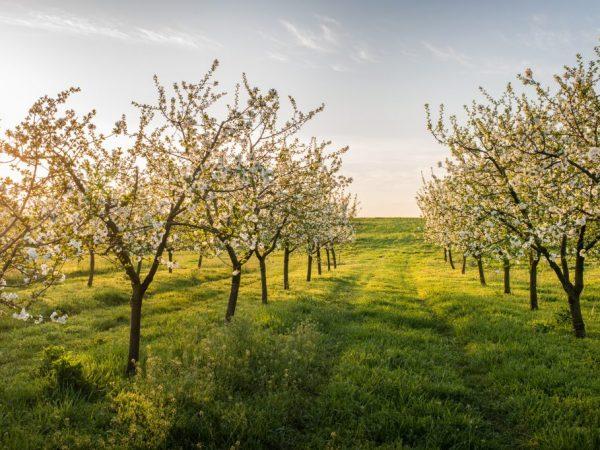
Apple trees prefer to grow in open, sunny areas. Planting in partial shade may result in lower yields. It's best to choose sites protected from strong winds.
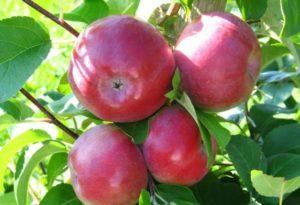
The site for planting the seedling begins to be prepared in the fall. The soil is dug over, and all growing weeds are removed. Manure and mineral fertilizers are then added. In the spring, the soil is dug over again, and any re-growing weeds are pulled out.
Preparing seedlings
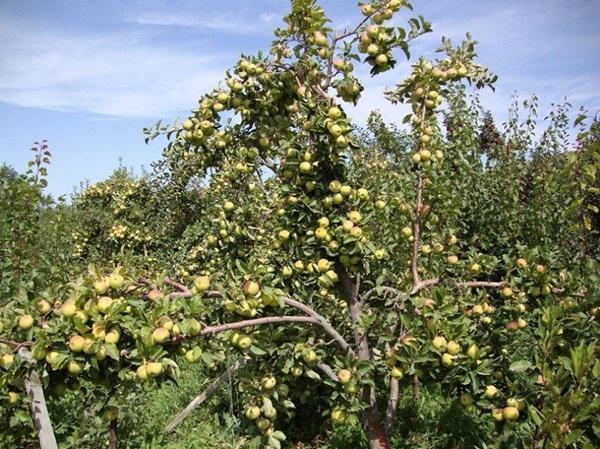
Before planting, carefully inspect the seedling's root system. Any dried or damaged roots are trimmed off. Treat the cut areas with potassium permanganate.
A few hours before planting, soak the root system in a growth activator. Immediately before planting, dip it in a liquid clay solution. Plant immediately, before the clay has time to harden.
Technological process of landing
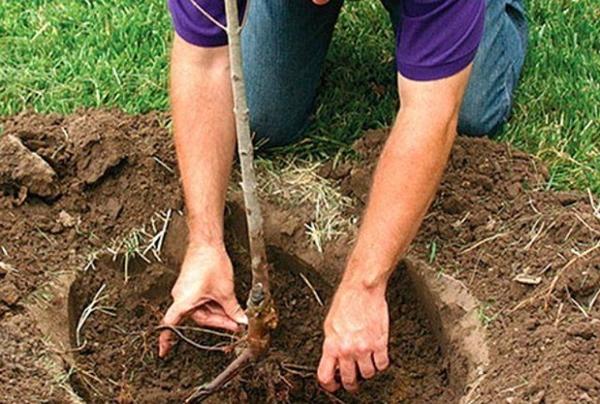
The process of planting a seedling:
- Dig a hole.
- Add fine drainage material to the bottom.
- Drive a wooden stake into the center of the hole.
- Place the seedling in the center of the hole and cover it with soil.
- Tie to a stake.
- Compact the soil around the trunk.
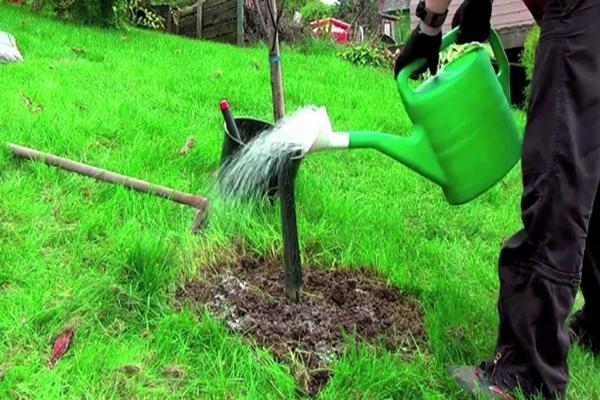
At the end of planting, water the seedling generously with warm water.
What can be planted nearby?
What to plant next to an apple tree:
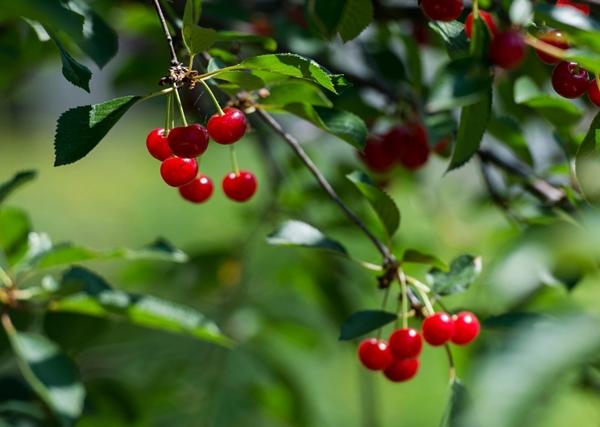
- cherries;
- other apple varieties;
- raspberries;
- cherries;
- plum;
- honeysuckle;
- pear.
It is not recommended to plant coniferous trees, rowan, juniper, currant, horse chestnut, viburnum, fir, and jasmine nearby.
Further care
Without constant care, the tree will often get sick and its yield will decrease.
Watering
In spring, apple trees are watered 2-3 times a week. Heavy watering is continued until fruit set. Then, watering is reduced to once a week. Watering is stopped three weeks before the onset of cold weather.
Foliar and root feeding
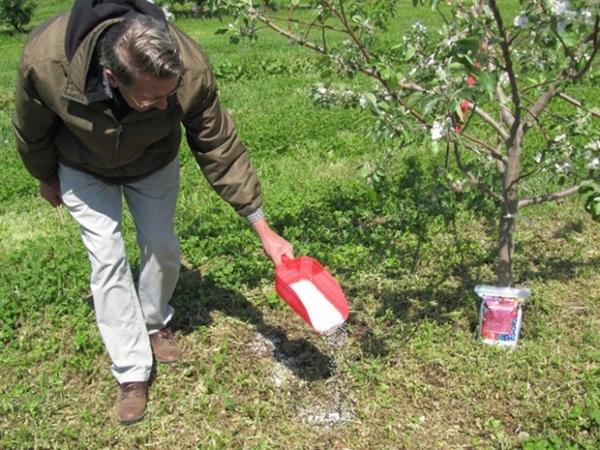
Root fertilizers are applied directly to the soil. Foliar fertilizers are applied to the roots. Nitrogen is added to the soil in early spring. Nitrogen-containing fertilizers are applied before the fruit sets. Then, phosphorus and potassium (superphosphate, rock phosphate, potassium sulfate, and potassium sulfate) are added to the soil. Well-rotted manure, compost, and bird droppings can be added along with mineral fertilizers. Regularly sprinkling wood ash on the soil before watering is beneficial.
Wood ash is also used as a foliar fertilizer. It is sprinkled on the leaves. Another effective foliar fertilizer is spraying the tree with urea diluted in water.
How to prune an apple tree correctly
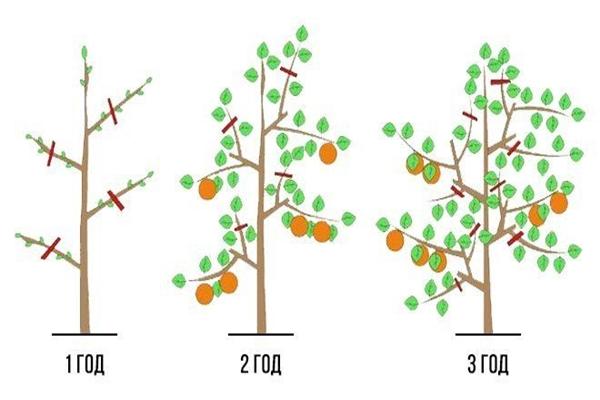
The crown is formed immediately after the seedling is planted in the ground. Part of the top of the main trunk is trimmed off. Then all the small branches are pruned, leaving 3-4 of the largest. The following year, some of the remaining branches are trimmed back. Each should have 3-4 large buds. The small branches are pruned again. In the third year, a few more large branches are left. Weak branches are pruned again.
Sanitary pruning is performed every fall. Dead and damaged branches are removed. In the summer, thinning pruning is performed as needed.
If the crown has grown too large and the apples do not have enough light to ripen, small and thin branches that do not produce fruit are pruned.
Caring for the tree trunk circle
Before each watering, loosen the soil to a depth of 5-10 centimeters. Weeds are pulled out regularly as they appear.

Preventive treatments
The Sakharny Arkad variety is susceptible to certain fungal and bacterial diseases, so preventative treatments should be given maximum attention.
In early spring, when the leaves have not yet begun to bloom, the trees are sprayed with Bordeaux mixture.
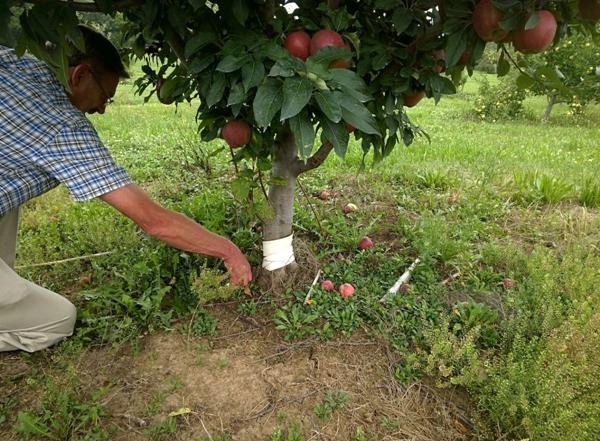
In the fall, after harvesting, the soil is dug to a depth of 20 cm. Insects prefer to overwinter in the soil and lay their eggs on the apple tree in the spring. If the tree was diseased during the summer, all the leaves are raked up and burned in the fall.
In the spring, the soil is dug over again. It's important to monitor the apple tree's appearance and take immediate action at the first sign of disease. For example, spraying with herbicides and fungicides. If other nearby fruit trees become diseased, they should also be treated immediately to prevent the entire orchard from becoming infected.
Winter protection
The Sakharny Arkad apple tree is frost-hardy, so it doesn't require winter protection. In the fall, you can mulch the soil to prevent the root system from freezing. To do this, apply a thick layer of straw, sawdust, or peat around the trunk.
Reproduction methods
There are several ways to propagate apple trees:
- cuttings;
- seedlings;
- undergrowth;
- seeds.
The easiest way is to buy a ready-made seedling grown in a nursery and plant it directly. The most difficult method is to grow from seeds. This requires first germinating the seeds and planting the seedlings indoors. Seedlings are usually few and far between. Many die before being transplanted outdoors.
Another method is propagation by cuttings. To do this, take cuttings from a mature tree in the fall and place them in a cool place until February. In February, they are germinated indoors. When the weather warms up, they are transplanted outdoors.
You can also dig up the shoots growing near the tree and plant them.
Gardeners' reviews of the Arkad variety
Anna, 31: "An excellent early variety. We start picking apples from the tree at the end of July. The fruits are very sweet and juicy, with thin skin. This variety does have its drawbacks, though. We have to battle powdery mildew almost every year. But overall, it's an excellent variety."
Valery, 53: "I have mixed feelings about this variety. On the one hand, the apples are delicious and sweet. On the other hand, the yield is very low. We only get 2-3 buckets of apples per tree."
Related posts:
 Description of the Chudnoe apple variety, planting and caring for a dwarf tree
 Description and rules for growing the Bratchud apple tree variety
 Description of the ornamental Nedzvetsky apple tree, cultivation technology
 Description and subtleties of growing the Sverdlovsk Beauty apple tree variety
 Description of the Borovinka apple tree variety, cultivation and care
 Description and planting of the Dream apple tree variety, care and propagation
 Signs and treatment of apple tree cancer, varieties resistant to the disease
 Description of the Belarusian Sweet apple tree variety and cultivation technology