
- The history of the selection of the Belarusian Sweet apple tree
- Growing regions
- Description and characteristics of the culture
- Tree dimensions
- Fruiting
- Flowering and pollinators
- Ripening period and harvesting of fruits
- Yield and tasting assessment
- Scope of apples
- Resistance to low temperatures and drought
- Immunity to diseases and pests
- Specifics of planting work
- Deadlines
- Scheme of seedling planting
- Preparing the site and planting material
- Technology of planting young apple trees
- Care
- Watering and fertilizing
- Loosening and mulching the soil
- Preventive treatments
- Trimming
- Preparing for the winter period
- Subspecies and variants
- Methods of reproduction
- Feedback from gardeners
The Belorusskoe Sladkoe apple tree is a late-winter variety characterized by rapid growth and sweet, rich fruit. This variety was developed by Belarusian breeders in the early 21st century. It is medium-sized and popular among gardeners, being considered one of the most popular of its kind for late-winter cultivation.
The history of the selection of the Belarusian Sweet apple tree
The Belorusskoe Sladkoe variety was developed in the country of the same name. The plant's main characteristic is complete immunity to scab.
Growing regions
This variety grows in a temperate climate and moderate temperatures. Because the apple tree is cold-hardy, it can easily survive frosts. This variety produces high fruit yields even in the Ural region, where unstable temperatures and constant climate fluctuations are common.
Description and characteristics of the culture
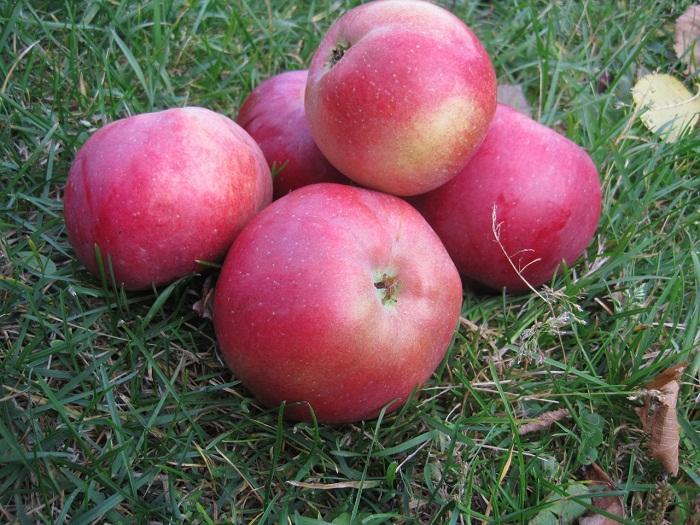
The Belorusskoe Sladkoe apple tree is a winter variety that begins bearing fruit after several years. The yield is stable, with the fruit count increasing each year. The apples have a juicy texture and a sweet flavor, and they range in size from 100 to 250 grams. When fully ripe, the fruits turn a deep red, earning them a high price among retailers.
 Important! This variety was bred specifically for regions with periodic climate fluctuations. It can withstand temperatures below -30°C and is completely resistant to scab.
Tree dimensions
The Belorusskoe Sladkoe apple tree is a medium-sized tree, reaching 3-3.5 meters when fully formed. On average, they reach a height of 2.5-3 meters, with a crown width of 2-3 meters.
Fruiting
This variety is highly productive, beginning to bear fruit 2-3 years after planting. The fruit production increases each year, and a 10-year-old tree can produce approximately 80 kilograms of apples each season.
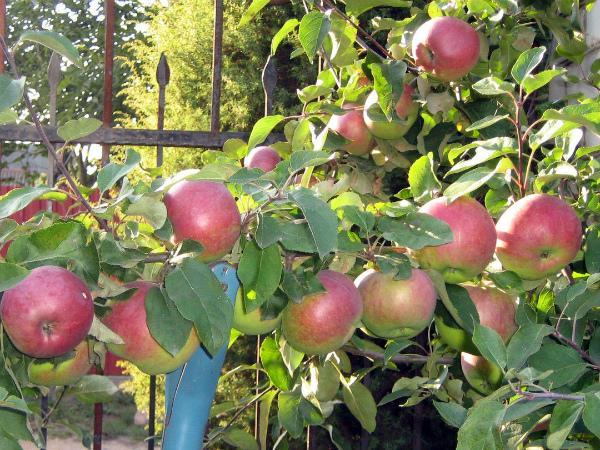
Flowering and pollinators
The Belarusian Sweet apple variety is a self-pollinator, meaning that the plant does not require other trees for additional pollination.
Ripening period and harvesting of fruits
Flowering begins in the first half of May, and the time it takes for the apples to fully ripen depends on the region and overall climatic conditions. On average, apples complete their development by the second half of September to early October. Ripe fruits rarely fall off and can remain on the branches until harvest.

Yield and tasting assessment
After three years, the apple tree begins to produce its first harvest, averaging 35 kilograms. A 10-year-old tree can produce up to 100 kilograms of apples in a single season. The weight of a single fruit ranges from 100 to 250 grams.
The shelf life is long and can reach several months without spoilage under the necessary storage conditions for the fruit.
Apples of this variety have a sweet taste, but do not have a sour background.
The fruits are characterized by a strong and persistent aroma, and the flesh is tender and juicy. Fully ripened fruits have a firm but soft, dark red skin. An average 200-gram apple contains:
- 24 grams of dry matter;
- 20 grams of sugars;
- 22 grams of ascorbic acid;
- 13 grams of other active ingredients.
Scope of apples
This apple variety is grown commercially for desserts, confectionery, and natural juices. It is also in high commercial demand due to its sweet flavor and attractive fruit texture.
Resistance to low temperatures and drought
The Belorusskaya Sweet apple tree tolerates temperatures down to -35°C and is adapted to growing in areas with variable climates. For rapid growth, the tree requires constant feeding and sufficient soil moisture. Drought is not an option for this variety, which can lead to plant diseases and partial or complete crop loss.
Immunity to diseases and pests
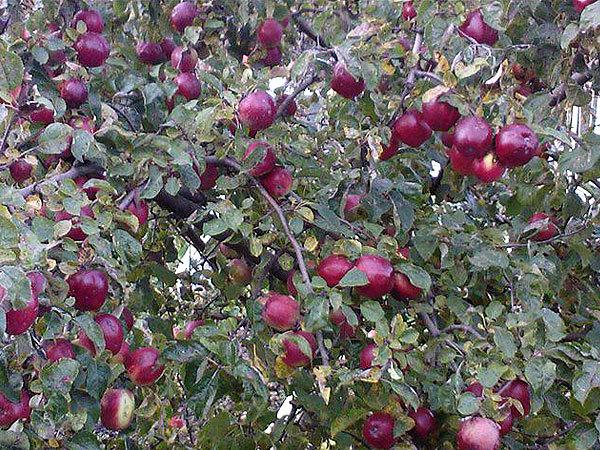
This apple variety is completely resistant to scab, with virtually no damage to the bark or wood. As for pests, the tree is just as susceptible to the development and development of various insects as similar varieties. The average lifespan of a tree is 30-40 years.
Specifics of planting work
To ensure rapid growth and early fruiting, apple trees need to be planted correctly. The best option is to plant them from seedlings.
Deadlines
It's best to plant Belorusskoe Sladkoe apple tree seedlings in the first half of spring or fall. In the first case, planting should be done before buds appear on the seedlings. Gardeners most often plant the tree between October and November. This allows the tree time to fully adapt to the environment by spring, and the roots to develop and strengthen.

Scheme of seedling planting
To properly plant a Belarusian Sweet apple tree seedling, you must follow this procedure:
- Eight days before planting, dig a hole 1 meter deep and 1 meter wide.
- The bottom of the hole needs to be prepared by filling it with gravel or vermiculite.
- It is necessary to add mineral substances or humus, and then cover it with soil to prevent the roots from getting burned.
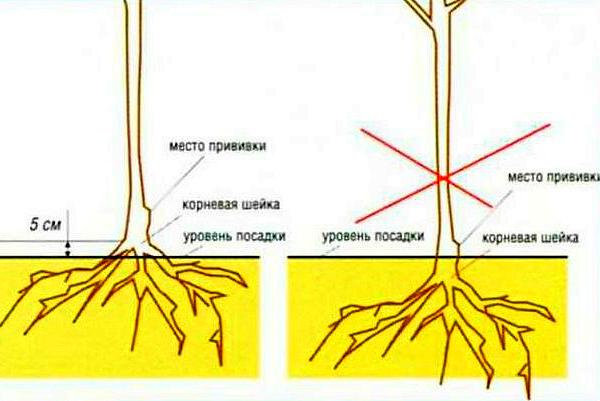
- You can begin planting the seedling. To do this, you need to straighten the roots and place the plant in the hole.
- The root system needs to be covered with soil so that the tree's neck is above the ground surface.
- After the root has been filled and compacted, the planting site of the seedling should be watered with 2 buckets of warm water.
- To ensure stability and growth control of the seedling, you can install a wooden stake in the hole to tie the plant to it.
Preparing the site and planting material
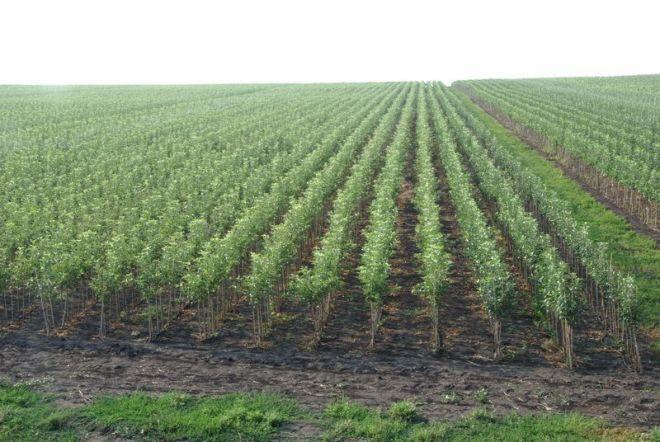
For proper planting, the land plot must be:
- located in an open space, but with a minimum amount of wind and good sunlight;
- in loamy fertile soil;
- with groundwater as close as possible.
Technology of planting young apple trees
Planting young apple trees is completely the same as planting seedlings; the only difference is the amount of water that may be needed to water the apple tree after planting.

During the subsequent early growth period, the young apple tree should be provided with special attention and conditions:
- Water the tree with 1-2 buckets of warm water every month.
- In case of strong winds, wrap the branches with insulation.
- During the first winter, you need to cover the apple tree trunk with spruce branches.
- Mulching should be carried out before the winter period.
Care
To ensure the growth and development of an apple tree, proper care is required, including watering, fertilizing, loosening the soil, and preventative spraying against diseases and pests.
Watering and fertilizing
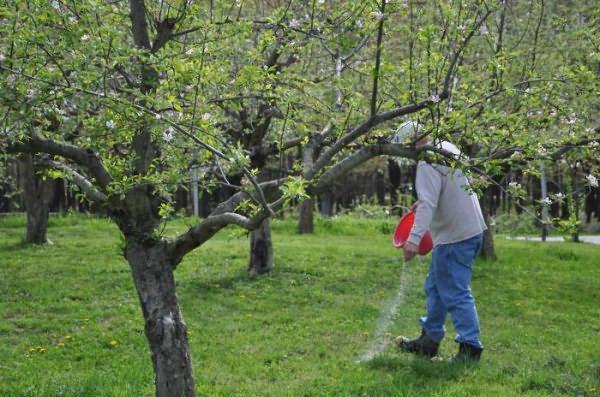
During the first few years of apple tree growth, water monthly, and during droughts, water every 2-3 weeks. After 3 years, water the tree generously 4 times per season. For fertilizing, it's best to use organic fertilizers, mineral elements, and urea.
Loosening and mulching the soil
Loosening the soil should be done after each watering to ensure faster moisture penetration closer to the root system. Despite the tree's increased cold tolerance, mulching is recommended using:
- wood sawdust;
- straw;
- fallen leaves.


Preventive treatments
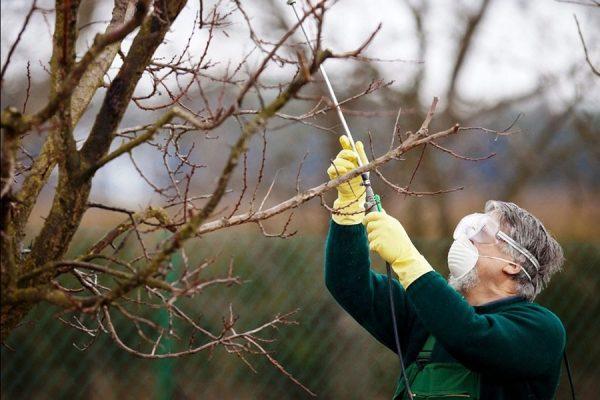
To prevent tree diseases and pests, regular preventative treatment with specialized products is required. For disease control, we recommend using the following chemicals:
- Topaz. 1 liter of the product costs 3600 rubles;
- Fitosporin. Cost per 100 grams of powder: 50 rubles;
- Skor. 1 liter of the drug costs 2600 rubles.
To prevent the formation of insects and other pests, it is better to use gentle means:
- Zircon. 30 rubles per 1 milligram of the drug;
- Karbofos. 1 ampoule of the product containing 10 milliliters will cost 20 rubles;
- Ecoberin. 190 rubles for 15 grams of the biopreparation.
Trimming
Pruning to shape the tree's crown is carried out throughout almost the entire tree's lifespan. In the first months of spring, sanitary and corrective pruning of the apple tree should be performed:
- remove weak, dried or broken branches;
- remove branches that grow into the crown or are parallel to the base;
- cut off excessive number of shoots.
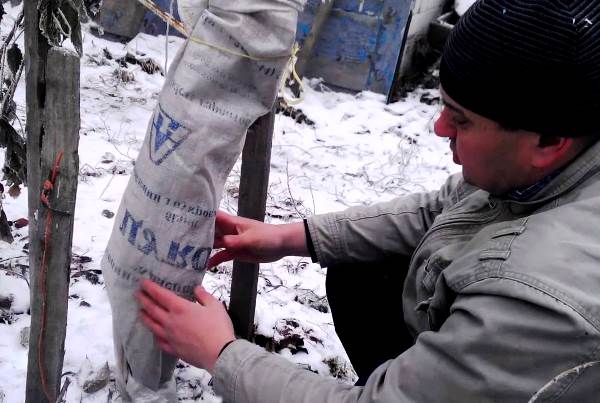
Preparing for the winter period
Before the onset of winter, it is recommended to carry out preparatory procedures:
- wrapping the crown with cotton wool;
- mulching;
- covering tree branches with insulation (in the 1st to 3rd year of tree growth).
Subspecies and variants
There are medium-sized and dwarf varieties of the Belarusian Sweet apple tree. The latter variety begins bearing fruit within the first few seasons after planting and produces more fruit each year.
Important! The dwarf subspecies produces higher yields than the medium-sized variety.
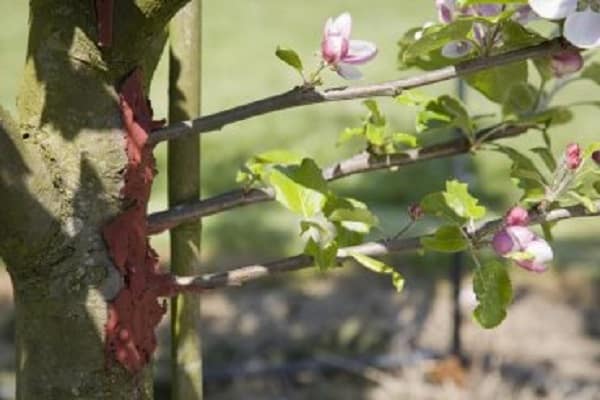
Methods of reproduction
There are the following methods for propagating the Belarusian sweet apple tree:
- seedlings;
- seeds;
- root suckers;
- layering;
- air layering.
Feedback from gardeners
Maria, Saint Petersburg.
We planted a Belorusskoe Sladkoe apple tree, and it sprouted quickly! The fruit is delicious and sells quickly. We chose a variety that would last as long as possible. But our apples run out within 1-3 days.
Igor, Nizhny Novgorod.
An excellent variety is Belorusskoe Sladkoe. No scab issues, and you can harvest up to 100 kg of fruit per season. Any fruit you don't have time to eat can be cooked into compote or made into jam.
Related posts:
 Description of the Chudnoe apple variety, planting and caring for a dwarf tree
 Description and rules for growing the Bratchud apple tree variety
 Description of the ornamental Nedzvetsky apple tree, cultivation technology
 Description and subtleties of growing the Sverdlovsk Beauty apple tree variety
 Description and subspecies of the Sakharny Arkad apple tree variety, cultivation technology
 Description of the Borovinka apple tree variety, cultivation and care
 Description and planting of the Dream apple tree variety, care and propagation
 Description of the Red Early apple tree variety, agricultural technology and specific care