
- Selection and cultivation area of the apple tree Gift to gardeners
- What is special about this general-purpose variety?
- Are there any disadvantages?
- Description of fruit crops
- Size and annual growth
- Crown and branches
- Foliage and buds
- Fruiting of the tree
- Flowering and pollinators
- Ripening time and yield per tree
- Harvesting and storage
- Fruit tasting and the scope of apple trees
- Resistance to drought and frost
- Susceptibility to diseases and pests
- Apple tree planting technology
- Required soil composition
- Selecting and preparing a landing site
- Dimensions and depth of the planting hole
- Timing and step-by-step algorithm for planting a seedling
- Care instructions
- Watering mode
- We apply fertilizers
- We trim and shape the crown
- Loosening and mulching the tree trunk circle
- Prevention and protection of wood
- Covering a fruit tree for the winter
- Methods of reproduction
- Gardeners' reviews of the Gift to Gardeners variety
The winter-hardy Siberian apple tree variety "Gift for Gardeners" is familiar to most gardeners. This fruit tree's high frost resistance is combined with low-maintenance care and high yields. Apple trees rarely suffer from diseases, and the variety is rare only in southern regions, as it does not tolerate lack of moisture and prolonged drought. The "Gift for Gardeners" apple tree is easy to grow and is successfully grown by novice gardeners.
Selection and cultivation area of the apple tree Gift to gardeners
This apple tree was developed during the Soviet era by Siberian breeders. Its ancestors are the well-known hybrids Laletino and Melba. The Siberian apple tree is grown widely on an industrial scale and as individual plantings on private farms. It is ideal for cold climates, but it hasn't gained popularity in southern regions due to its sensitivity to prolonged dry periods.
What is special about this general-purpose variety?
The "Gift of a Gardener" apple tree earns high marks for its excellent tasting qualities. This variety is versatile. Ripe fruits are used to make jams, preserves, baby food purees, and juices.
Are there any disadvantages?
The Siberian variety has a number of advantages:
- Winter hardiness.
- Increased immunity to bacterial, viral and fungal diseases.
- Commercial appearance of fruits.
- Self-fertility.
The Gift to Gardeners doesn't have many disadvantages, but gardeners highlight:
- Relative small-fruited, the average weight of one apple is 80 grams.
- Does not tolerate drought and dry soil.
During periods of prolonged drought, the apple orchard requires additional watering.
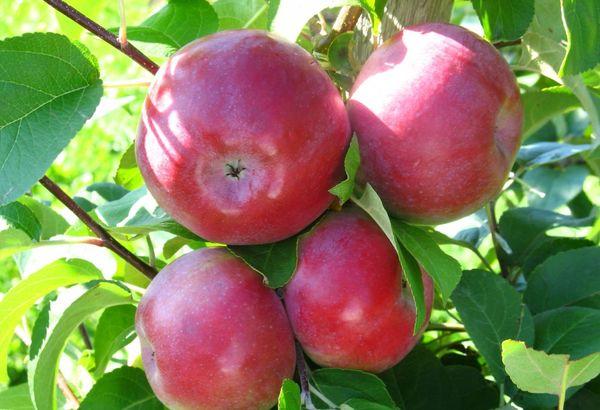
Description of fruit crops
Botanical description of the variety:
- A fast-growing, medium-sized fruit tree up to 3 meters in height.
- Autumn ripening period.
- Self-fertility.
- Average yield.
- High regeneration and growth rate.
The fruit tree begins to bear fruit fully in its sixth year. It can be used for group or individual plantings.
Size and annual growth
This gift to gardeners is distinguished by its rapid growth rate. A seedling produces its first harvest in its 3rd or 4th year. The tree quickly establishes itself and is rarely susceptible to disease. A mature plant reaches no more than 3 meters in height, and is considered a medium-sized fruit tree.
Crown and branches
The apple tree's crown develops into a rounded, vigorous, and moderately dense crown. Its branches are strong and straight, brown in color, and the tree reaches a diameter of 3 meters.
Foliage and buds
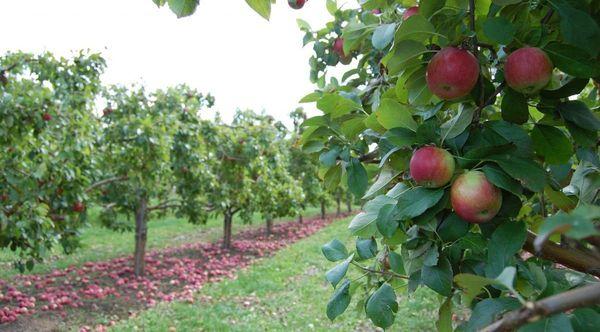
The leaves of the Gardener's Gift are oval-shaped with a pointed tip. The leaves are dark green, medium-sized, and have fine serrations along the edges.
Fruiting of the tree
The first fruiting occurs in the apple tree in the 4th year of life, and the amount of the harvest gradually increases.
Flowering and pollinators
The variety is self-fertile, so no pollinator trees need to be planted nearby. The fruit tree blooms in mid-May. The fruits reach full ripeness by the end of September.
Ripening time and yield per tree
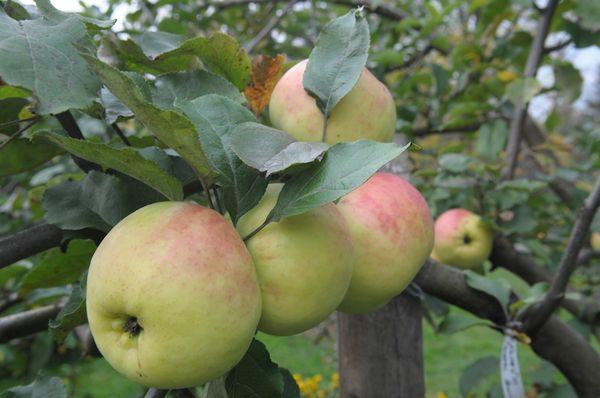
The Siberian apple tree produces a moderate yield, with a single tree yielding up to 35 kilograms of fruit. The variety is small-fruited, with a ripe apple weighing an average of 80 grams. The period from flowering to harvest is 3-3.5 months.
Harvesting and storage
Ripe fruits are resistant to falling. Harvesting begins in mid-September. Fresh apples have a long shelf life, even until spring under the right conditions. They are known for their excellent shelf life and transportability.
Fruit tasting and the scope of apple trees
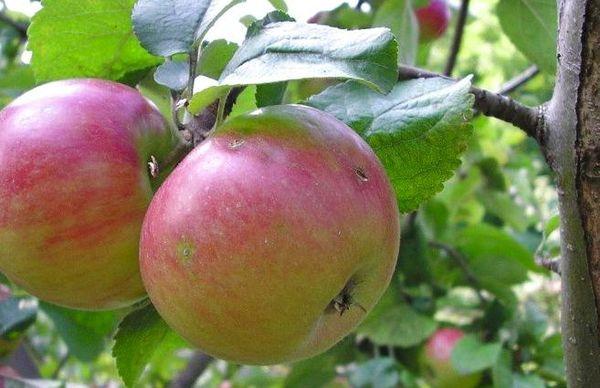
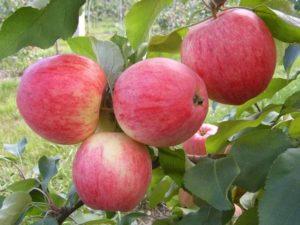
The fruit has excellent flavor, with an average tasting score of 4.7 out of 5. The apples have a sweet and sour taste and a rich aroma. The sugar content is 14%. The flesh is white, dense, and fine-grained.
Resistance to drought and frost
The variety is highly winter-hardy. It is successfully grown in Siberia and the Altai Mountains. The apple tree can withstand temperatures down to -35°C. S. The Gift to Gardeners has poor drought resistance; the tree does not tolerate soil drying out well, the leaves on the tree curl, the yield noticeably decreases, and the fruits become smaller.
Susceptibility to diseases and pests
The "Gift for Gardeners" variety is resistant to scab and rarely suffers from fungal diseases. The plant requires protection from insect pests, hares, and rodents.
Apple tree planting technology
You can achieve maximum yield from your Siberian apple tree by following proper planting techniques and systematically caring for the plant.
It is important to choose the right place for growing a fruit tree and to ensure protection of the apple tree from insect pests.
Required soil composition
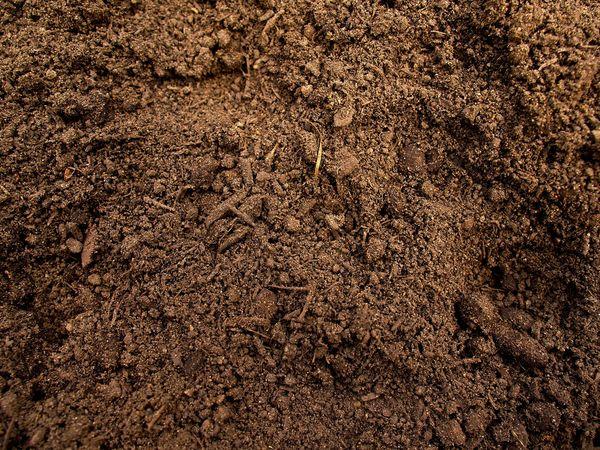
The "Gift for Gardeners" apple tree is an easy-to-grow plant. It can grow in a variety of soil types. Neutral soil pH is preferred, and organic fertilizers are added directly to the planting hole. Waterlogged areas are avoided.
Selecting and preparing a landing site
The site for the orchard should be selected in advance. Preference should be given to an eastern or southeastern exposure, free from drafts and shade. Apple trees grow poorly in lowlands and marshy soils, and yields are reduced. Drainage should be installed at the bottom of the planting hole.
Dimensions and depth of the planting hole
The optimal planting hole size is 1 meter by 1 meter. The distance between plants should be 3-4 meters. When planting in groups, maintain a staggered pattern.
Timing and step-by-step algorithm for planting a seedling
The planting procedure is simple. Place a drainage layer of expanded clay and sand in the planting hole, then top it with horse manure or compost mixed with wood ash and sand. Add 1 tablespoon of urea or superphosphate. Form a mound of soil in the center of the hole, and place the seedling on it, carefully spreading out the roots. Cover the plant with soil, water, press the soil down, and mulch the area around the trunk.
Care instructions
Caring for the Siberian Beauty involves supplemental irrigation during dry periods, fertilizing, and crown shaping. Protecting the apple tree from frost and attacks by hares and rodents in winter is essential. Preventative treatments against insect pests are also essential.
Watering mode
When growing the "Gift" apple tree, gardeners must prevent the soil from drying out. The tree requires supplemental watering. One mature plant requires 30-40 liters of warm water. Irrigate the roots and moisten the entire area around the trunk.
We apply fertilizers
The main set of nutrients is applied when young seedlings are planted. Systematic feeding begins when the plant is four years old. Ammonium nitrate, horse manure, mullein, and chicken manure infusion are used. Fruit trees require potassium-phosphorus complexes and calcium during flowering and bud formation.
Important! Do not use fresh manure to fertilize trees. The fertilizer is highly concentrated and may cause plant burns.
We trim and shape the crown
To shape the crown, formative pruning is performed in the fall and spring, removing excess growth that could be crowding the crown. Sanitary pruning involves removing dead and damaged apple tree branches. All cut areas are treated with clay or garden pitch.
Loosening and mulching the tree trunk circle
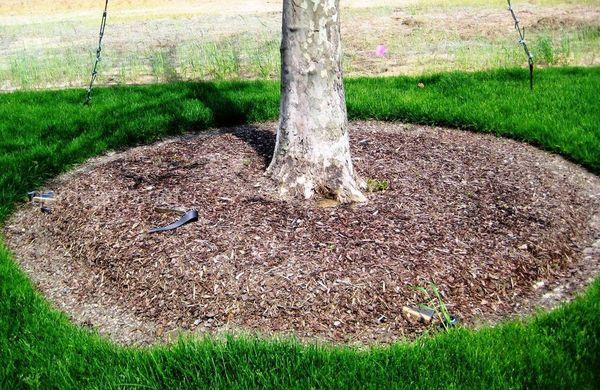
The tree trunk area must be kept clean. Regular loosening and weed removal are essential. To maintain natural moisture levels and prevent weed growth, the tree trunk area should be mulched with grass clippings and wood shavings.
Prevention and protection of wood
Before flowering, fruit trees are sprayed with fungicides, Bordeaux mixture, or iron sulfate. To protect against insect pests, strongly scented plants such as marigolds, calendula, coriander, caraway, and peppermint are planted near apple trees. The trunks should be whitewashed with lime in a timely manner.
Covering a fruit tree for the winter
This frost-resistant variety requires no additional winter protection from low temperatures. However, the plant should be protected from hares and rodents, typically with spruce branches, roofing felt, or special agrofibre. The root system is protected with last year's leaves or hay.
Methods of reproduction
This gift for gardeners is easy to propagate yourself. The main propagation methods are:
- layering;
- by cuttings;
- seeds.
The easiest way to buy Siberian apple tree seedlings is by carefully selecting the planting material, avoiding those with underdeveloped root systems and missing buds on the trunk.
Gardeners' reviews of the Gift to Gardeners variety
Ilya Ivanovich Nefedov, 44, Magnitogorsk: "A gift for gardeners—a true gift! The apple tree is easy to care for. The crown isn't very dense, requiring minimal pruning. The branches don't break under the weight of the fruit, and the apples don't fall to the ground. The tree survives the winter well, rarely getting sick. I only encountered spider mites once, so now I treat the tree with fungicides in the spring. The fruit is delicious, aromatic, and keeps fresh until spring."
Nina Ivanovna Sveshnikova, 51, from Vsevolozhsk: "This apple variety produces consistently. The apples aren't large, but they're plentiful and store well. I process the harvest into juice and jam. The apple aroma is exquisite, and the fruit has a sweet and sour flavor. Caring for the tree is simple; the routine is standard. The only thing is that if there's no rain, it needs watering. I usually combine this with organic fertilizing. I don't cover the tree for the winter, and it's never frozen."
Related posts:
 Signs and treatment of apple tree cancer, varieties resistant to the disease
 Description of the Chudnoe apple variety, planting and caring for a dwarf tree
 Description and subtleties of growing the Sverdlovsk Beauty apple tree variety
 Description and varieties of the Sinap apple tree, planting and care rules
 Description and characteristics of the Champion apple tree variety, cultivation technology
 Description of the ornamental Nedzvetsky apple tree, cultivation technology
 Description and characteristics of the Orlovim apple variety, cultivation nuances
 Description and characteristics of the Spartan apple variety, cultivation tips