
- Champion apple tree: history of selection
- Growing regions
- Pros and cons of the variety
- Characteristics
- Tree dimensions
- Annual growth
- Fruiting
- Flowering and pollinators
- Ripening time and harvesting of fruits
- Scope of application and tasting evaluation
- Resistance to low temperatures and diseases
- Planting and caring for the Champion apple tree
- Deadlines
- The best place for an apple tree
- Seedling planting technology
- Proper care
- Watering
- Stimulating and formative pruning
- Seasonal fertilization
- Mulching
- Diseases and their control
- Fire blight
- Bitter pit
- Fungal diseases
- Pests
- Methods of reproduction
- Varieties and subspecies
- Renault
- Arno
- Giant
- Columnar
- Semi-dwarf
- Gardeners' reviews
The Champion apple tree is capable of breaking productivity records, so gardeners' efforts will not be in vain. By planting an easy-to-grow seedling, you can enjoy juicy, sweet, and aromatic fruits for a long time, starting in early autumn.
Champion apple tree: history of selection
Breeding work conducted in 1970 resulted in the creation of the Champion apple tree. Czech scientists, by crossing the Golden Delicious and Reinette Orange Coxa varieties, created a high-yielding cultivar that immediately caught the attention of gardeners, whose positive reviews fully justify its original name.
Growing regions
The Champion variety is successfully cultivated in the south and partially in the central part of the country. It has become established in the Moscow region, the Southern Urals, Belarus, and Ukraine. It is also popular in its native Czech Republic and Slovakia.
The largest orchards of this variety are located in Poland, which is the main supplier of apples..
Pros and cons of the variety
The popularity of the Champion apple tree variety is due to its numerous advantages:
- formation of the first harvest in the 3rd year of growth;
- compact size of the tree, making pruning and harvesting easier;
- rapid adaptation to natural conditions and climate;
- resistance to diseases such as powdery mildew and scab;
- unpretentiousness and ease of care;
- high, stable yields;
- good dessert taste of fruits;
- duration of storage of the harvest without loss of taste and commercial properties.
In addition to the advantages, it is important to identify the disadvantages:
- sensitivity to a sharp decrease in temperature;
- susceptibility to bitter pit, fire blight.
Characteristics
Every gardener who decides to grow the Champion apple tree should first familiarize themselves with the characteristics of the variety.
Tree dimensions
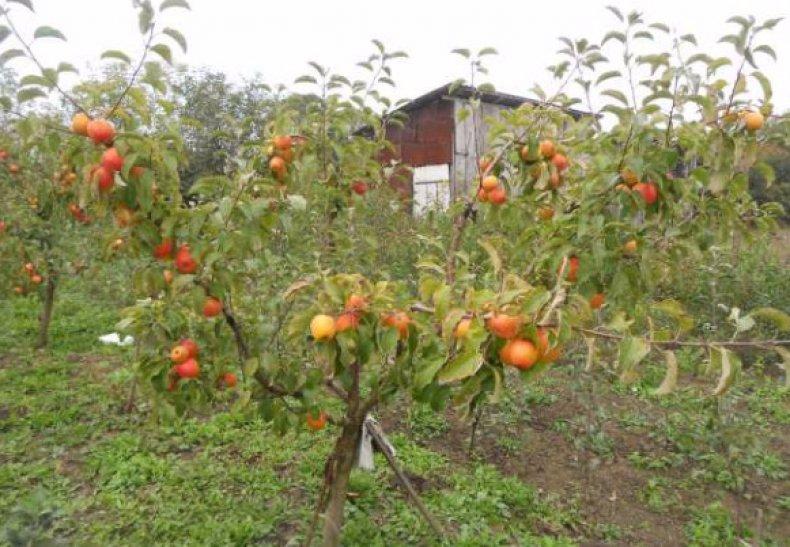
These small trees have an oval-shaped, moderately dense crown, consisting of skeletal branches extending from the trunk at an angle of 50-70 degrees. The branches are evenly spaced, making maintenance much easier.
Annual growth
In the first few years before fruiting, the Champion apple tree reaches 25-40 cm, but growth subsequently slows. Also, in unfavorable weather or after abundant fruiting, growth may be minimal or absent.
Fruiting
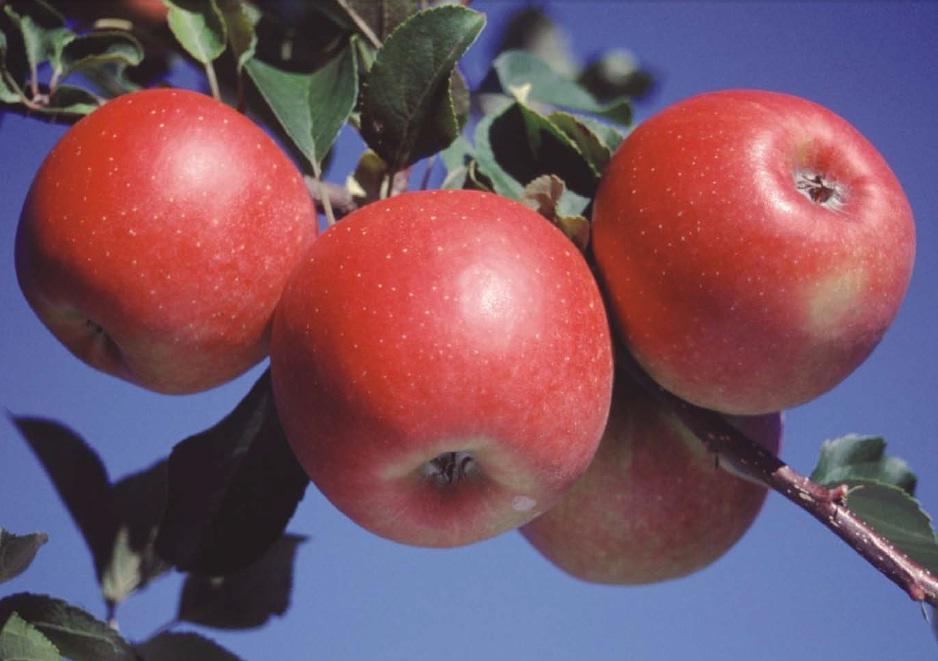
The Champion apple variety is known for its high yield, making it often grown commercially. At 5-7 years of age, the tree produces 20-25 kg of high-quality fruit.
The crop is not subject to cyclical fruiting and consistently delivers a harvest.
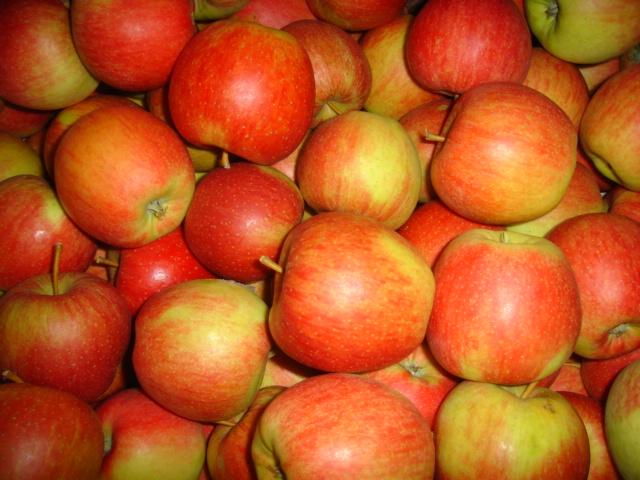
The round fruits weigh 160-200 g. The skin is thin, firm, and elastic. The fruit is yellow-green with an orange-red blush. The flesh is creamy and moderately firm.

Flowering and pollinators
The Champion variety delights with lush blooms. Buds open in May. Pollen viability is average (32 to 60%). With open pollination, fruit set varies from 18 to 30%. Although the variety is partially pollinated, to increase yield, it is best to plant pollinators nearby, such as Idared apple trees, Alva, Gala, Spartan, Florina.
Ripening time and harvesting of fruits
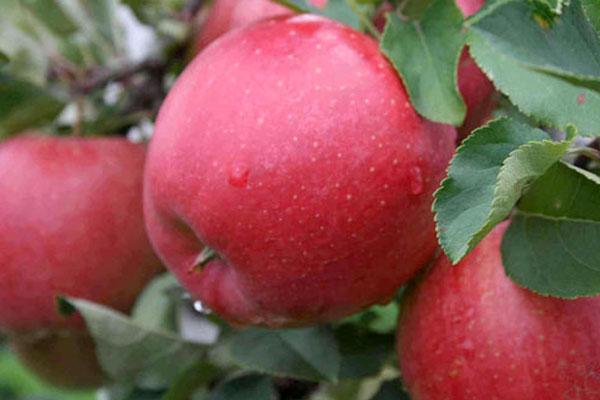
The first fruits appear three years after planting. The fragrant, delicious apples ripen by the end of September. It is recommended to harvest immediately, as late harvesting will negatively impact their storage quality. Apples can be stored for up to five months, which is why this variety is cultivated commercially.
Scope of application and tasting evaluation
The Champion apple variety's fruits are delicious both fresh and for winter preservation. Savvy homemakers use them to make compotes, preserves, marmalade, and marmalade, and also to dry the apples for compote mixes. Due to its sweet and sour dessert flavor, this variety received a 4.7 out of 5 rating from tasters.
Resistance to low temperatures and diseases
The Champion apple tree's winter hardiness is average; it can withstand short-term temperature drops to -18 degrees Celsius. In areas with severe frosts, trees require protection at the base of the trunk, as well as the crown and the surrounding area.
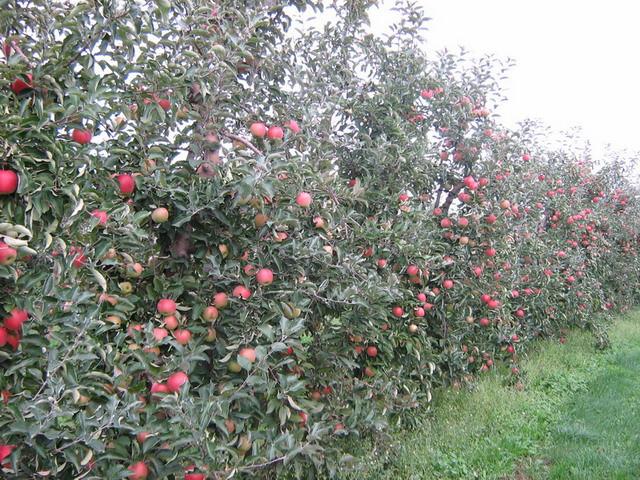 Advice! To reduce the risk of apple trees freezing in areas with low winter temperatures, it is recommended not to carry out autumn pruning. watering apple trees.
Planting and caring for the Champion apple tree
To ensure your apple tree thrives and produces a delicious harvest, you need to plant it correctly and maintain it properly. Then, in September, you'll be able to enjoy the delicious flavor of the fruit.
Deadlines
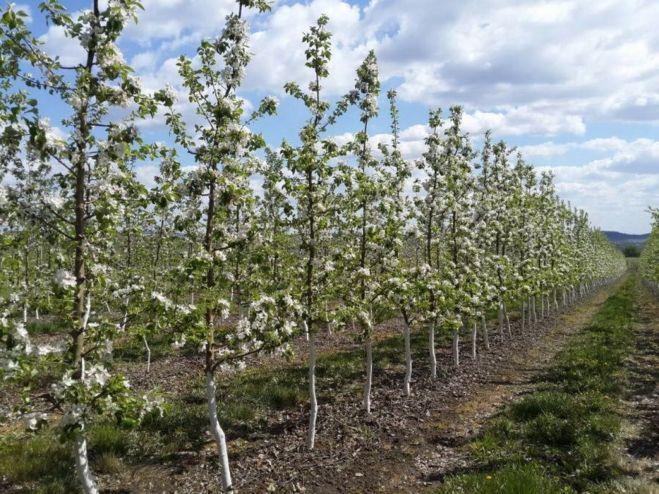
The Champion apple tree can be planted in spring or fall. Spring is considered the best time. Planting should be done after the snow melts, when the ground is well warmed. This will allow the seedlings to root better and withstand low temperatures without problems.
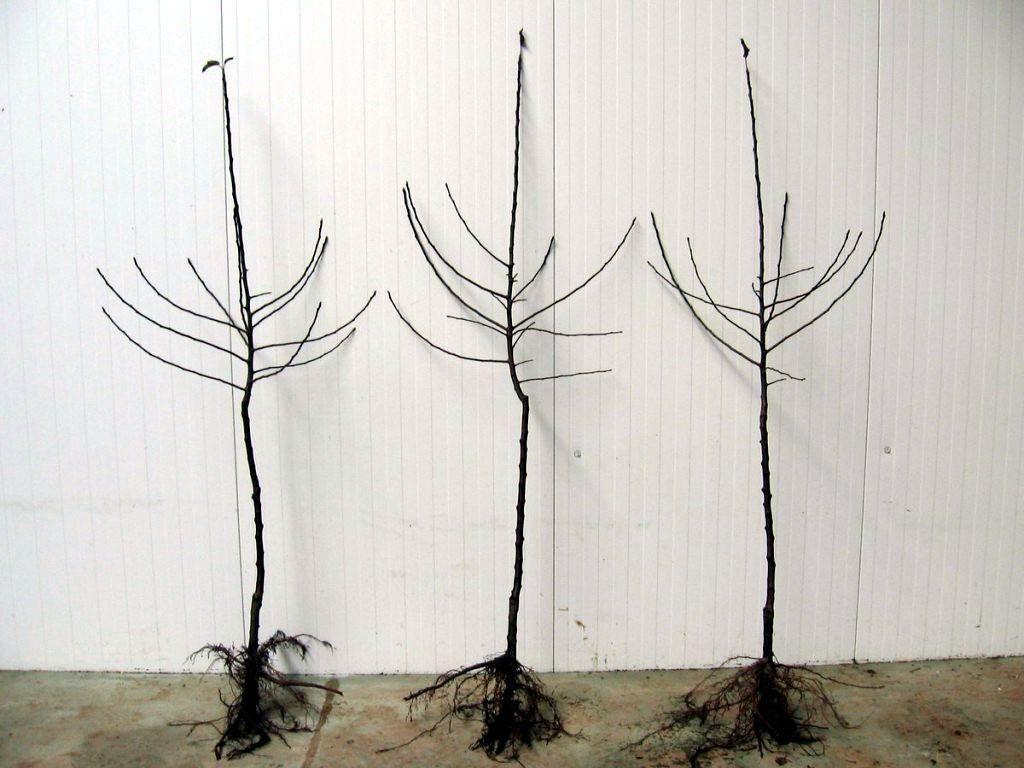
If the planting material was purchased in the fall, then it must be planted in the ground a month before frost.
The best place for an apple tree
The Champion apple tree variety prefers sun, so it requires a comfortable location where solar energy and a light breeze harmonize.
The plant does not respond well to waterlogging, as it may die.
Groundwater should be at least 3 meters deep. The plant is undemanding regarding soil type, as long as the soil is fertile and not acidic or rocky.
Seedling planting technology
Proper planting is a guarantee of successful development and comfortable existence of the apple tree, so the following procedure should be followed:
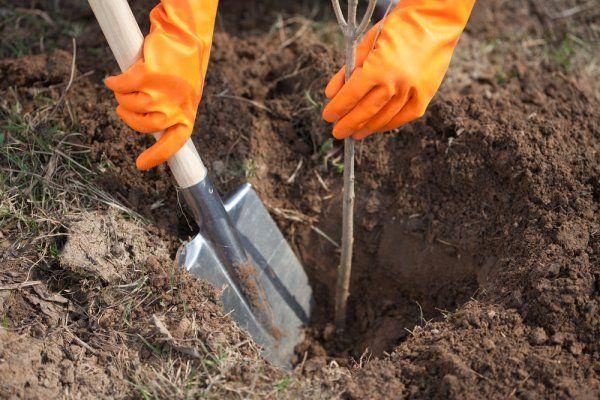
- Dig a hole 50-70 cm deep and 0.8-1 m in diameter. Loosen the bottom of the hole and lay expanded clay drainage on it.
- Mix the top layer of soil with substances such as compost, humus, ash, and mineral fertilizers. Fill the hole with the mixture, cover it with plastic, and leave it for 2 weeks.
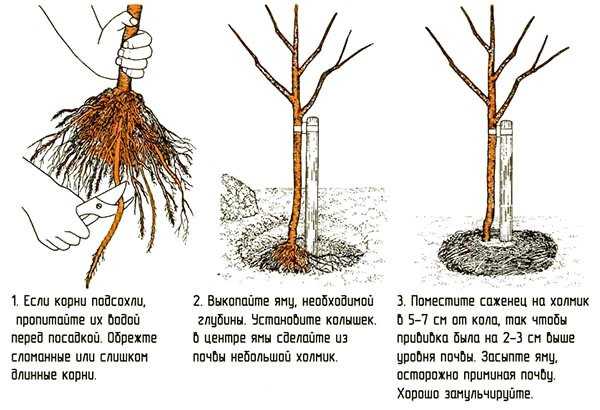
- The day before planting, soak the seedlings in water to soak the roots. Afterward, inspect the plant's root system, removing any dry, diseased, or long parts.
- Open the hole and install a sturdy stake in the center to act as a support. Form a mound of soil nearby, onto which to place the seedling, carefully spreading its roots. Fill the hole with soil so that the root collar is 5-7 cm above ground level.
- Fill the hole with fertile soil, compact it lightly, forming a circle around the tree trunk, and water. Each seedling should receive 30-40 liters of water.
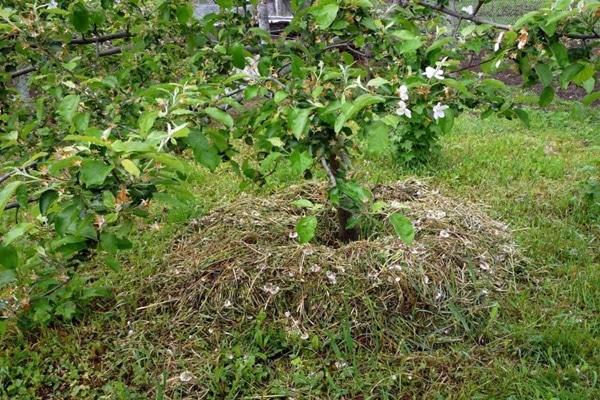
- Tie young trees to pegs and mulch the area of soil around the tree trunks with straw and peat.
Proper care
To obtain a good harvest, it is recommended to carry out the following care measures.
Watering
The Champion apple tree is drought-tolerant, but long periods without watering can damage the plant and affect fruit quality. This variety requires adequate irrigation, especially during growth and fruit formation.
Stimulating and formative pruning
During the first two years, the crown needs to be shaped by pruning fruiting shoots to allow the plant to actively gain strength by strengthening the trunk. At three years of age, the tree needs to be thinned to stimulate fruit production. To do this, remove all shoots lacking flower buds, as well as those growing vertically or at an acute angle to the trunk.
Seasonal fertilization
It is important to provide the Champion apple tree with nutrients by applying a complex of mineral and organic fertilizers throughout the entire area of the root system.
Advice! In the spring, give preference to nitrogen-containing complexes, and from July, switch to phosphorus and potassium fertilizers.
Mulching
When caring for a Champion apple tree, don't neglect mulching the soil around the trunk. This will reduce evaporation and maintain optimal soil moisture.
Diseases and their control
The Champion apple tree demonstrates resistance to diseases, but if not properly cared for, it can often be affected by such pathologies.
Fire blight
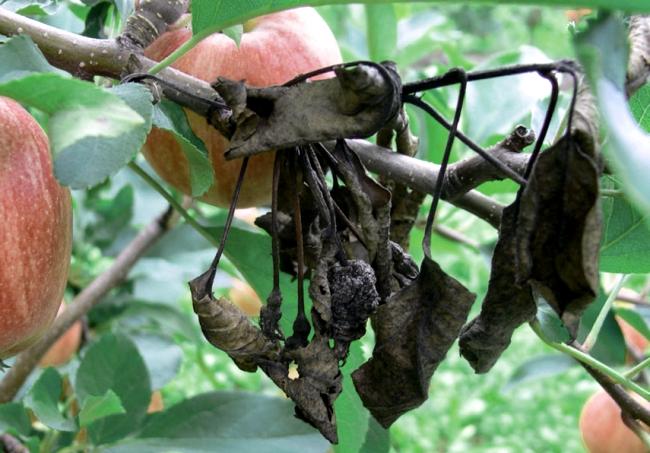
The appearance of dark brown spots between the veins on leaves, leading to the drying of the leaf blade and the entire shoot, indicates bacterial blight. As a result, the tree sheds flowers and fruit, and cracks form in the bark. Control measures include antibiotic treatment; if the infection is severe, the plant should be disposed of.
Bitter pit
The presence of dark red, sunken spots on the fruit, gradually increasing in size, indicates bitter pit disease. The flesh becomes loose and has a slightly bitter taste.
Control measures: spray the plant with calcium chloride.
Fungal diseases
The Champion apple tree is weakly resistant to fungal infections. Therefore, it is important to carry out preventative treatments using copper sulfate, Bordeaux mixture, and colloidal sulfur, as well as to carry out timely spring pruning.
Pests
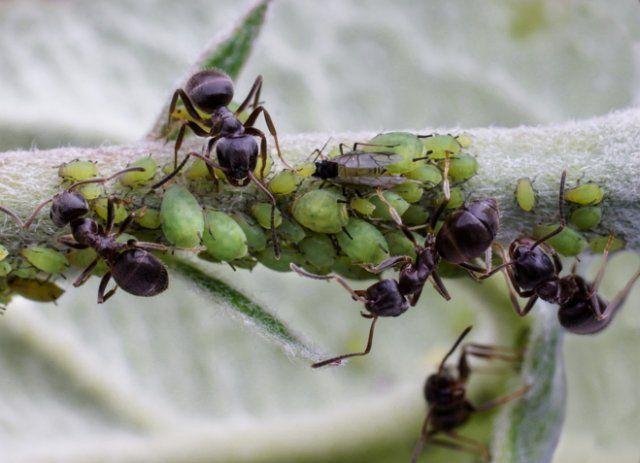
The Champion apple tree is not afraid of pests; the variety shows excellent resistance to harmful insects.
Methods of reproduction
The Champion apple tree variety is easy to propagate, but it requires time and effort. The most effective and reliable method is grafting onto rootstocks.

Varieties and subspecies
Breeders took risks to improve the already ideal characteristics of the variety, resulting in the creation of famous subspecies.
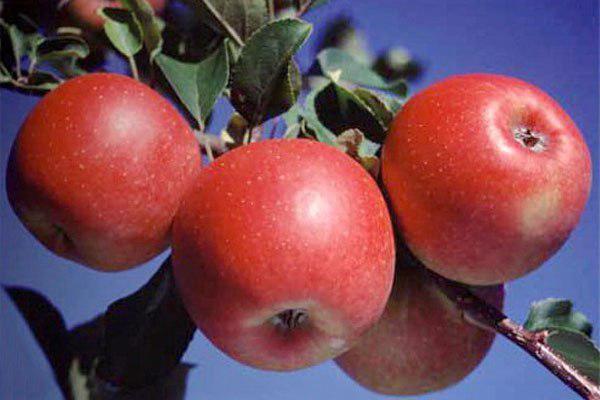
Renault
Scientists A. Reitman and A. Nowakowski developed this variety in 1992. Unlike the Champion, Reno is more resistant to low temperatures, surviving down to -20 degrees Celsius. The tree is short. The fruit tastes sweeter than the Champion, and the color is more intense. It has a tasting score of 4.7.
Arno
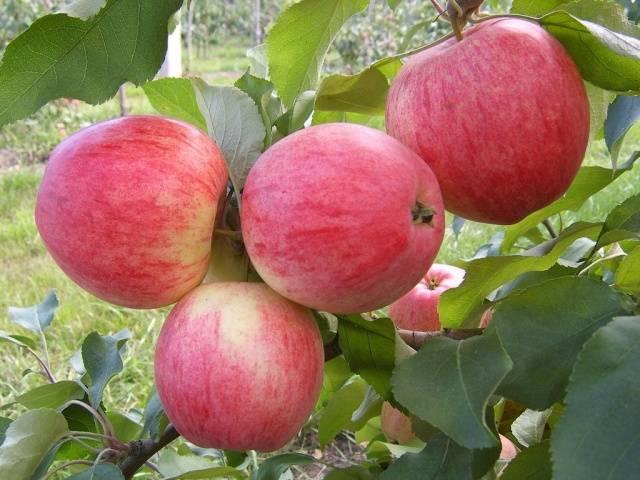
Arno is grafted onto the semi-dwarf rootstock 545-118, allowing the plant to establish itself more quickly and thrive. It can reach a height of up to 3.5 m. Thanks to its strong roots, the variety is resistant to strong winds.
The main difference between Arno and Champion is its brighter color, waxy coating, and crispy flesh, which is juicy and incredibly sweet.
Giant
The tree is moderately dense, forming an oval-shaped crown. The fruits are large and their flavor is similar to that of the parent plant. This subspecies exhibits poor frost resistance.
Columnar
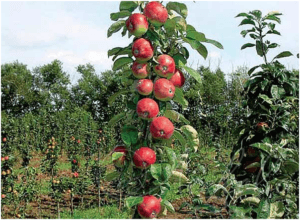
The tree grows up to 2.5-3 m tall and has a crown up to 30-50 cm wide. The fruits, weighing 140-190 g, have soft skin and a red-orange color. The flesh is juicy and has a flavor that perfectly balances sweetness and tartness.
The subspecies is popular due to its original design and ease of care, but the fruiting period is only 10-15 years, which is a disadvantage of the columnar apple tree.
Semi-dwarf
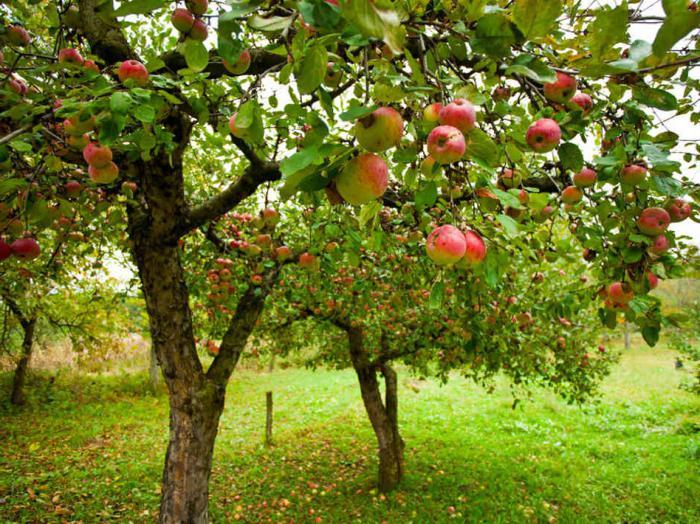
On the MM-106 rootstock, trees grow to 3-5 meters in height and produce fruit with the same flavor as the Champion. This subspecies is resistant to scab, but the plant has moderate resistance to powdery mildew.
Gardeners' reviews
Irina Sharapova, 57, Belgorod: "The Champion apple variety caught my attention with its versatile, flavorful fruit. Thanks to the abundant harvest, our family spends the winter season with the joyful crunch of juicy flesh."
Konstantin Vorontsov, 65, Moscow region: "I've been growing the Champion apple variety for seven years now. I'm very pleased with the results and consider it one of my best, as it produced fruit just two years after planting. It requires little attention, bears fruit every year, and has never been affected by diseases or pests. The harvest has a long shelf life; it's just important to pick the apples properly, without damaging the skin and always with the stems attached."
Related posts:
 Description of the Chudnoe apple variety, planting and caring for a dwarf tree
 Description and characteristics of the Orlovim apple variety, cultivation nuances
 Description and varieties of the Sinap apple tree, planting and care rules
 Signs and treatment of apple tree cancer, varieties resistant to the disease
 Description and characteristics of the Spartan apple variety, cultivation tips
 Description and subtleties of growing the Sverdlovsk Beauty apple tree variety
 Description and planting of the Dream apple tree variety, care and propagation
 Description of the ornamental Nedzvetsky apple tree, cultivation technology