
- Selection of the Moscow Necklace apple tree
- Growing regions
- Features of the columnar variety: advantages and disadvantages
- Description and characteristics
- Tree size and annual growth
- Fruiting
- Flowering and pollinators
- Ripening period and harvesting of fruits
- Yield and taste of apples
- Frost and drought resistance
- Susceptibility to diseases
- Planting an apple tree
- Site selection and preparation
- Timing and scheme for planting seedlings
- Care
- Watering
- Fertilizer
- Loosening and mulching the soil
- Trimming
- Seasonal treatments
- Preparing for the winter period
- Methods of reproduction
- Gardeners' reviews of the variety
The Moskovskoe Ozhelie (Moscow Necklace) columnar apple tree boasts many advantages. Many gardeners prefer to grow this variety in their gardens, as it tolerates frost well, resists diseases, and produces a high yield. To ensure a good harvest, follow a few simple rules regarding planting and subsequent care.
Selection of the Moscow Necklace apple tree
The Moscow Necklace apple tree was bred by Russian scientists. M. V. Kachalkina is considered the founder:
- Winter crop, obtained from a seedling of the Vozhak variety.
- It is possible to grow a strong tree in regions with warm and moderate climates, as well as in cold areas.
- It is grown for industrial purposes and for personal consumption in gardens.
Growing regions
Thanks to its high winter hardiness, the apple tree is grown not only in warm climates but also in regions with frosty winters. It is found in the Moscow region and Siberia.
Features of the columnar variety: advantages and disadvantages
The apple tree is often found in gardeners' summer cottages due to the following qualities:
- does not have any special requirements for soil and care;
- the tree is small, which makes it easier to care for the crop and collect fruits;
- a large number of high-quality apples are produced annually;
- the harvested crop can be stored for up to 3 months;
- exhibits resistance to many diseases and pests;
- good transportability;
- It is possible to grow an apple tree in regions with any climate.
The variety also has its disadvantages:
- in frosty, low-snow winters the top may freeze;
- After 15 years, the yield decreases, so it is recommended to replace with new seedlings.
Description and characteristics
Before purchasing a seedling, study the characteristics of the crop.
Tree size and annual growth
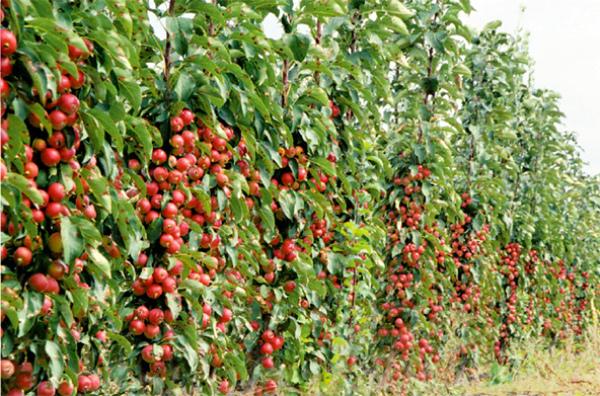
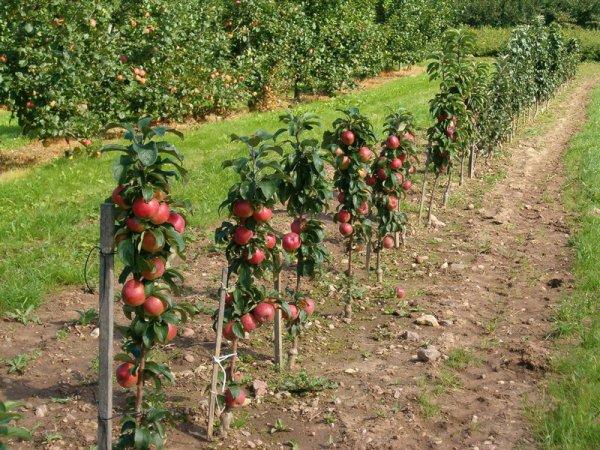
This semi-dwarf cultivar resembles a columnar structure, bearing large fruits in the fall.
- The trunk grows to a height of no more than 3 meters. The trunk is small, with side branches growing upward.
- The crown is sparsely foliated and compact.
- The bark on the trunk and branches is brown.
- The leaves are light green, slightly elongated, pointed at the end.
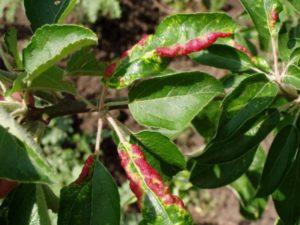
Lateral branches grow annually, so they need to be shortened to two buds.
Fruiting
The tree also differs in its fruiting characteristics.
Flowering and pollinators
The first flowers appear in early May. During flowering, the flowers are pinkish-white and flattened and round. To ensure fruit set, pollinators should be planted nearby, as the apple tree is not self-fertile. The Vasyugan and President apple varieties are best suited.
Ripening period and harvesting of fruits
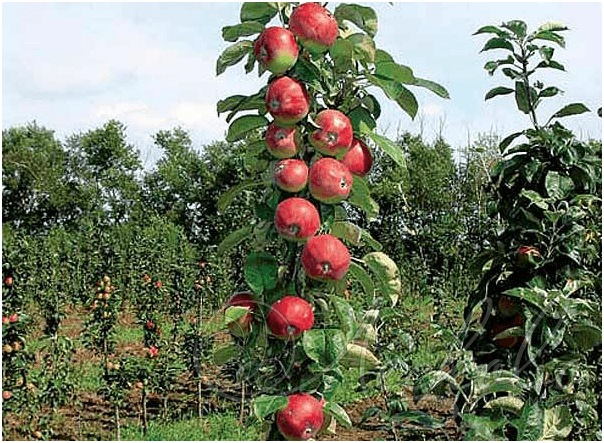
The Moskovskoe Orelyushie apple tree is considered a winter variety. Harvesting of ripe apples begins in early October. It is recommended to pick the apples by hand. Fruits can crack when dropped to the ground. The harvest is placed in plastic or wooden crates and stored in a cool, dark, well-ventilated area.
Yield and taste of apples
The first apples will be available for harvesting later that year after planting a young tree in the spring. However, their number will be small, up to six per tree. The apple tree's yield will increase annually and reach its peak within four seasons.
The Moskovskoe Orezhelie variety is known for its high yield. Gardeners can harvest up to 15 kg of ripe, high-quality fruit from a single mature tree.
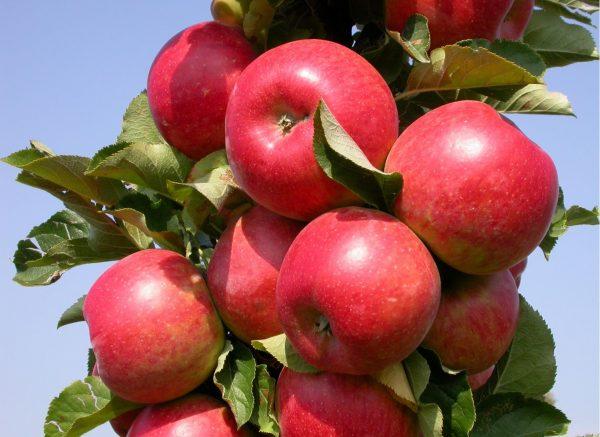
The apples grow to be large, weighing up to 260 g. They are round, and the skin turns a reddish-burgundy color when ripe. The white, dense flesh is juicy and sweet.
Frost and drought resistance
The variety tolerates low temperatures well. If the winter is snowy, it can easily withstand temperatures as low as -38 degrees Celsius.
Thanks to its strong roots, the apple tree tolerates drought well. However, to maintain the size and juiciness of the fruit, it's best to provide additional watering during hot, dry weather.
Susceptibility to diseases
The apple tree has good immunity to many diseases, so it does not require chemical treatment.
Planting an apple tree
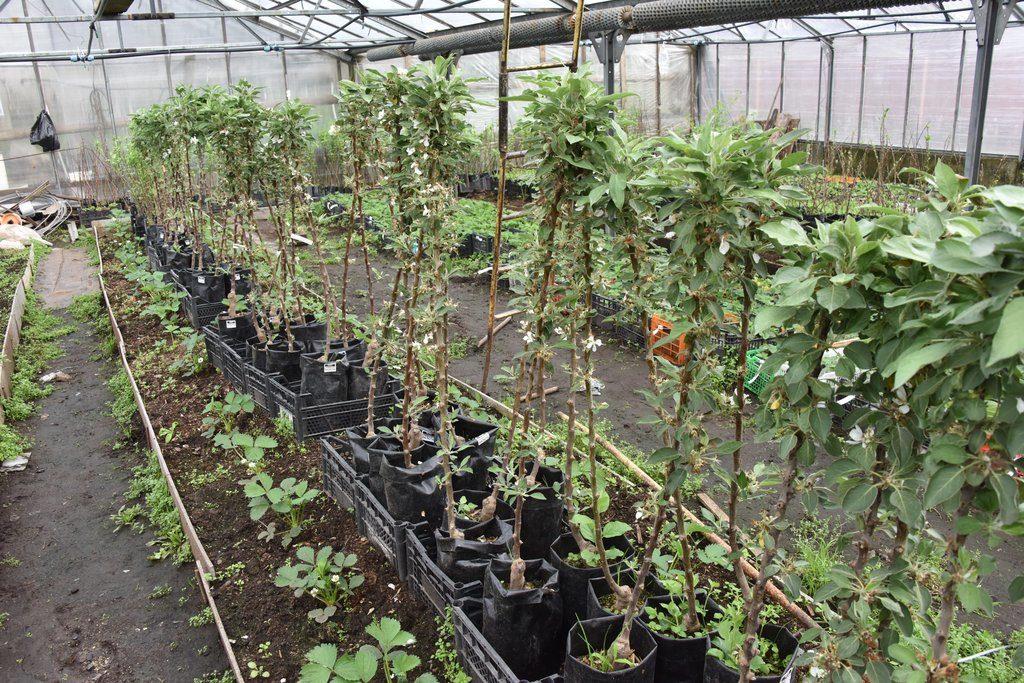
One-year-old seedlings are suitable for planting. They are up to 82 cm tall. A healthy seedling has light-colored, undamaged bark and strong, moist roots.
Site selection and preparation
To grow an apple tree, choose a site that receives sufficient sunlight and warmth throughout the day. The location should be protected from strong winds.
The crop develops well in fertile, loose soil with sufficient drainage, high aeration and neutral acidity.
Groundwater should be no closer than 1.5 meters from the ground surface. Black soil, loamy clay, or sandy loam soil are considered ideal.
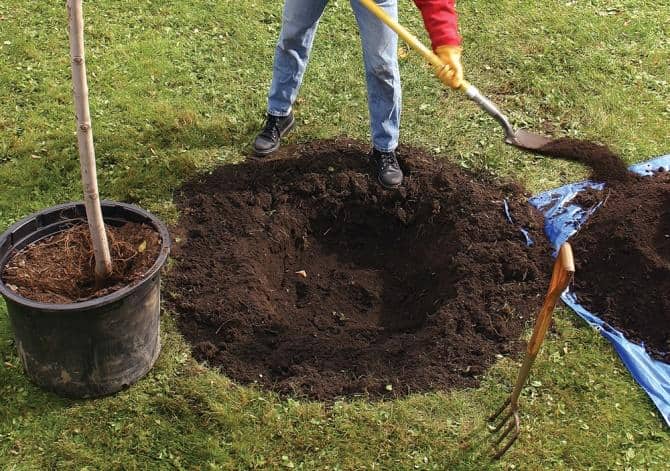
Before planting the seedling, prepare a planting hole. The hole should be 87 cm in diameter and 48 cm deep.
- First, you need to take care of the drainage layer.
- Then they make a nutrient substrate.
- A tree is placed in the center of the hole and covered with soil.
- A 65 cm high support is installed next to each seedling for tying.
- The soil around the trunk is lightly pressed down and watered with warm water.
Timing and scheme for planting seedlings
It is recommended to start planting apple trees in the spring (from March to mid-April) or in the fall (from mid-September to mid-October):
- If planted in spring, the tree will immediately begin to bloom and produce fruit. However, to strengthen the seedling, it's best to remove the buds.
- Planting a tree in the fall will give it time to take root and gain strength. This will positively impact the quality and quantity of the future harvest.
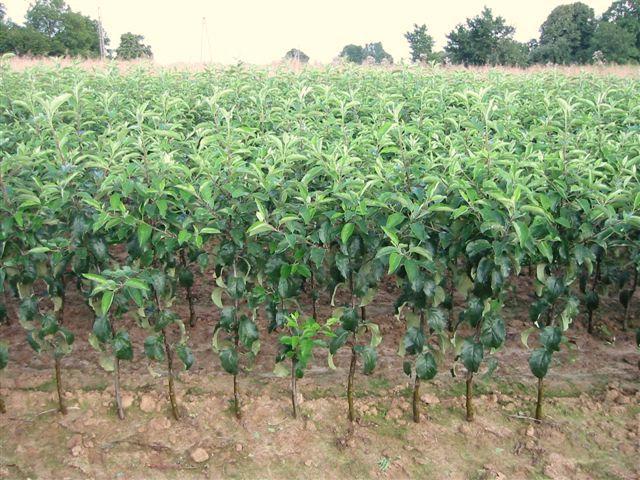
The seedlings are planted 55 cm apart, with a 130 cm gap between rows.
Care
If agricultural practices are followed, crop yields increase.
Watering
During the first weeks after planting, do not allow the soil around the trunk to dry out. During dry periods, water twice every seven days. For the Moscow Necklace variety, it's best to set up a drip irrigation system.
Fertilizer
Fertilizing begins in the apple tree's second year of growth. Alternate organic and mineral fertilizers:
- Fertilize in the spring, before flowering. Urea is recommended.
- In late spring or early summer, add organic matter. Sprinkling wood ash around the trunk is helpful.
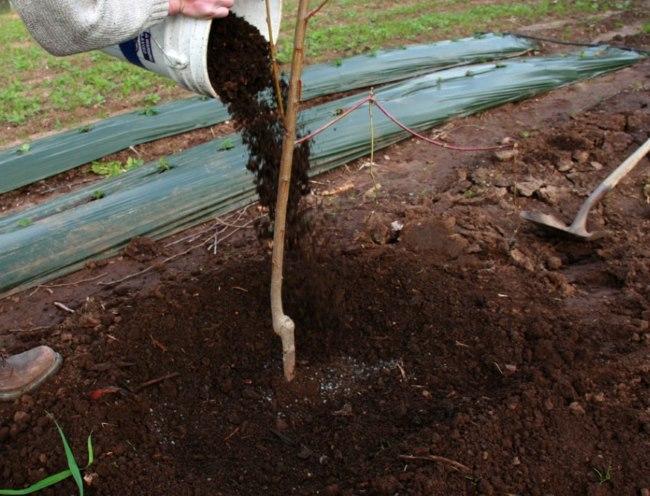
- In autumn, it is advisable to add dolomite flour and humus to the soil.
Loosening and mulching the soil
After rain and each watering, it is recommended to loosen the soil around the tree. This improves air access to the root system and normalizes nutrient distribution.
Loosening the soil of the Moscow Necklace apple tree should be done carefully, as the roots are close to the surface of the soil.
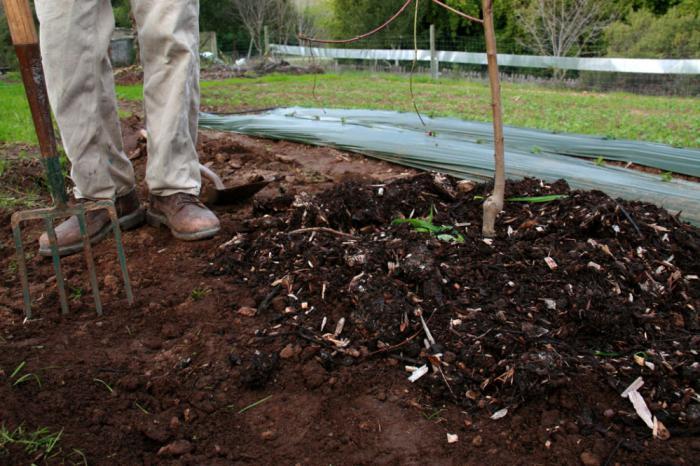
It's recommended to cover the soil around the tree with a layer of mulch. Grass clippings, sawdust, straw, and peat are all suitable for this purpose. Mulching retains heat and moisture in the soil for a longer period of time, reduces the likelihood of weeds appearing, and stimulates the activity of beneficial soil microorganisms.
Trimming
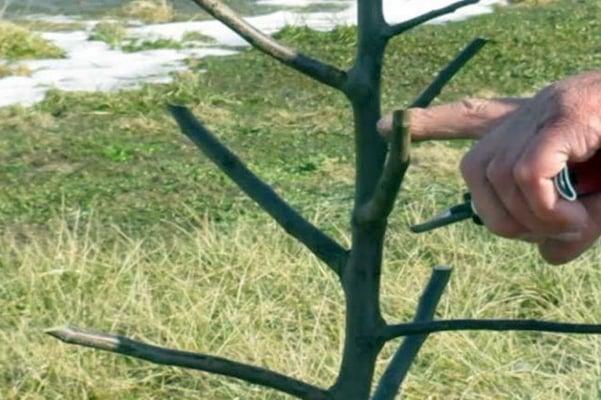
Pruning is recommended in spring, before the sap begins to flow, and in October after the leaves have fallen:
- The first time the procedure is performed immediately after planting the seedling. To prevent the top from freezing, it is cut back to the first strong shoot.
- If the tree has overgrown lateral branches, they should be pruned back to two buds. In the fall, two new branches should appear on them again, which are pruned in the same way in the spring.
If the top of an apple tree freezes after winter, lateral shoots begin to grow vigorously. Once they reach 18 cm in length, they are removed, leaving a single strong shoot.
Seasonal treatments
If all recommendations for planting and caring for the crop are followed, the apple tree is rarely susceptible to infection and pest attacks.
During rainy periods, it is advisable to treat trees with copper sulfate every two weeks.
Biopreparations are permitted for trunk treatment before bud break. If necessary, young buds can be sprayed with a weak concentrate.
Preparing for the winter period
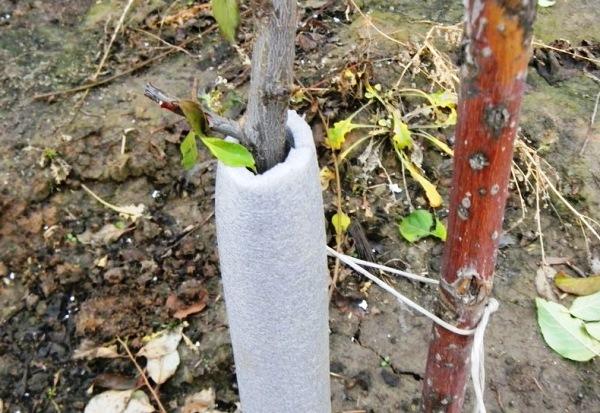
To ensure that the tree can withstand the winter cold, it needs to be prepared:
- remove dry and damaged branches;
- collect fallen leaves and fruits around the trunk;
- insulate the trunk with spruce branches, plastic bottles, and roofing felt;
- As soon as snow falls, a snowdrift forms around the trunk.
Methods of reproduction
The most common method of propagating columnar apple trees is layering. Grafting and seed are less commonly used.
Gardeners' reviews of the variety
Reviews from gardeners generally highlight only the positive aspects of the Moscow Necklace variety.
Elizaveta, 57: “I have many apple trees of this variety planted in my garden. I’ve been harvesting a large crop for many years now. There are enough apples not only for our large family, but also for sale. The fruits are juicy, beautiful, and large. They make great delicious preparations for the winter".
Valentina, 36: "The Moskovskoe Ozhelie apple trees have been growing in my garden for over five years. The trees are neat and compact. They're easy to care for. They produce a lot of fruit every year; they're delicious, fragrant, and juicy."
Vladimir, 58: "The trees are compact and take up little space in the garden. After planting the seedlings, I got my first fruits the following year. It's been seven years now, and I've been harvesting consistently well every year. They're easy to care for and don't require much time or effort."
Related posts:
 Description of the 10 best columnar apple tree varieties for the Moscow region, planting and cultivation
 Fruiting and description of the best varieties of dwarf apple trees, planting and care
 Description of the Chudnoe apple variety, planting and caring for a dwarf tree
 Signs and treatment of apple tree cancer, varieties resistant to the disease
 Description and characteristics of the columnar apple tree President, planting and care
 Description and varieties of the Sinap apple tree, planting and care rules
 Description and characteristics of the Orlovim apple variety, cultivation nuances
 Description and varieties of Gala apple trees, planting and care in open ground