
- The first signs of leaf deformation
- Does pathology affect tree yield?
- Causes of curling and red spots on apple trees
- Nutritional deficiencies
- Potassium deficiency
- Magnesium
- Phosphorus
- Manganese
- Red gall aphid infestation
- Mechanical damage to the bark
- What to do
- Replenishing nutrients
- Fighting parasites
- Prevention of the disease
How do gardeners treat apple tree leaves when they turn red and curl? This is a common question for gardeners who have encountered this problem. The causes are varied, and it's important to determine the cause before treatment can begin.
The first signs of leaf deformation
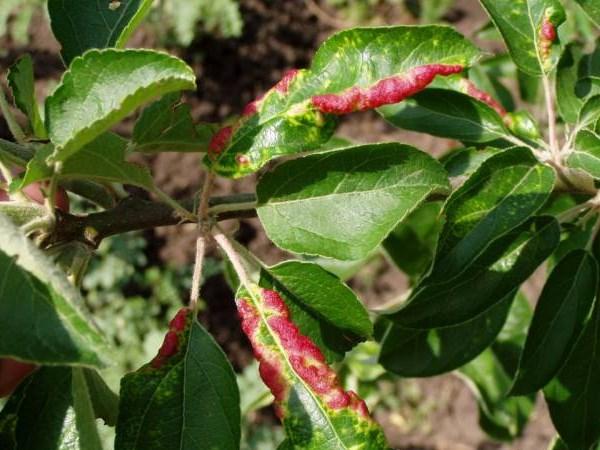
The first signs of this condition on a tree begin gradually. Red spots appear on some leaves. The location of the first spot determines the cause of the problem.
The spots are small, barely noticeable, like dots, and can be raised or, conversely, flattened. Curling of the shoots appears later, after the leaf has completely turned red. If the leaves are curled and reddened, this indicates a lack of fertilizer or an attack by harmful insects.
Important! Before beginning treatment, determine the cause of the foliage deformation.
Does pathology affect tree yield?
A nutrient deficiency causes a decrease in yield. Some apples stop developing and fall off. This occurs due to a lack of nutrients during fruit formation. Aphid infestations damage foliage, reduce crop quality, and cause fruit to fall off. Curled leaves contain aphid larvae, indicating advanced disease.
Causes of curling and red spots on apple trees
The reasons for such damage are varied, it could be a lack of minerals, damage by harmful insects, or damage to the bark.
Nutritional deficiencies
The main nutrients apple trees need to be fed are potassium, phosphorus, nitrogen, and magnesium. A deficiency in these nutrients causes leaf damage, causing them to dry out and curl.
Potassium deficiency
A bright red border appears along the leaf edge. Gradually, the entire leaf turns red, then begins to curl. Micronutrient deficiency contributes to reduced frost and disease resistance.
Magnesium
Reddening begins on the lower leaves. Spots appear from the center of the leaf and slowly spread to the edges. This damage reduces the plant's resistance to frost in the future.
Phosphorus
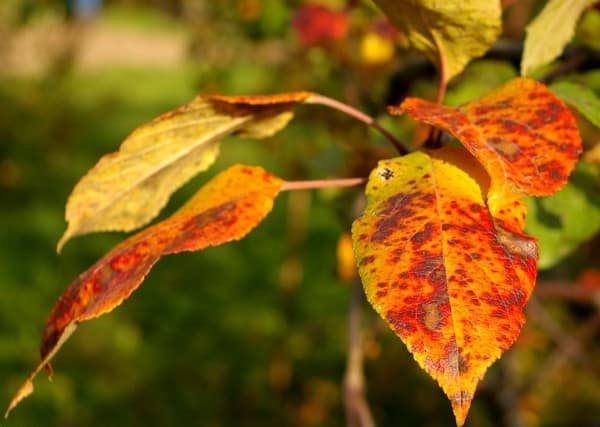
The foliage takes on a bronze hue, then turns brownish-red. Flowering and apple ripening occur later than expected. This condition causes a decrease in frost resistance.
Manganese
White and red spots form on the leaves at the top. Some apples fall off before they are fully ripe, and the ripe fruits lose their flavor.
Red gall aphid infestation
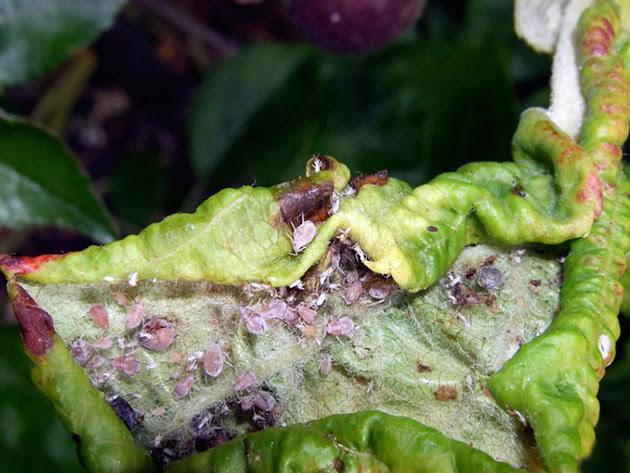
The main pest that causes apple tree leaves to dry out and turn red. At the end of the season, the insect lays its larvae under the tree's bark. They feed on the tree's sap, thereby causing nutrient deficiencies.
The leaves become wilted, red spots appear, dry out and curl up.
If the sap in the trunk runs dry, aphids slowly move to the foliage, beginning to feed on it. These beetles are small but visible to the naked eye; they are gray in color and easily spotted on the surface.
Mechanical damage to the bark
If there's damage to a section of the trunk, such as being tied with wire or fishing line, any scraping, swelling, or damage to the bark can also cause leaves to curl in the area where the damaged branch leads. To combat this, carefully scrape away the bark at the site and then treat it with garden pitch. If necessary, support or tie the branch.
What to do
At the first signs of mineral deficiency or pest infestation, it's essential to begin treating the apple tree as soon as possible. Depending on the cause, fertilizing, spraying, and pest control treatments are recommended.
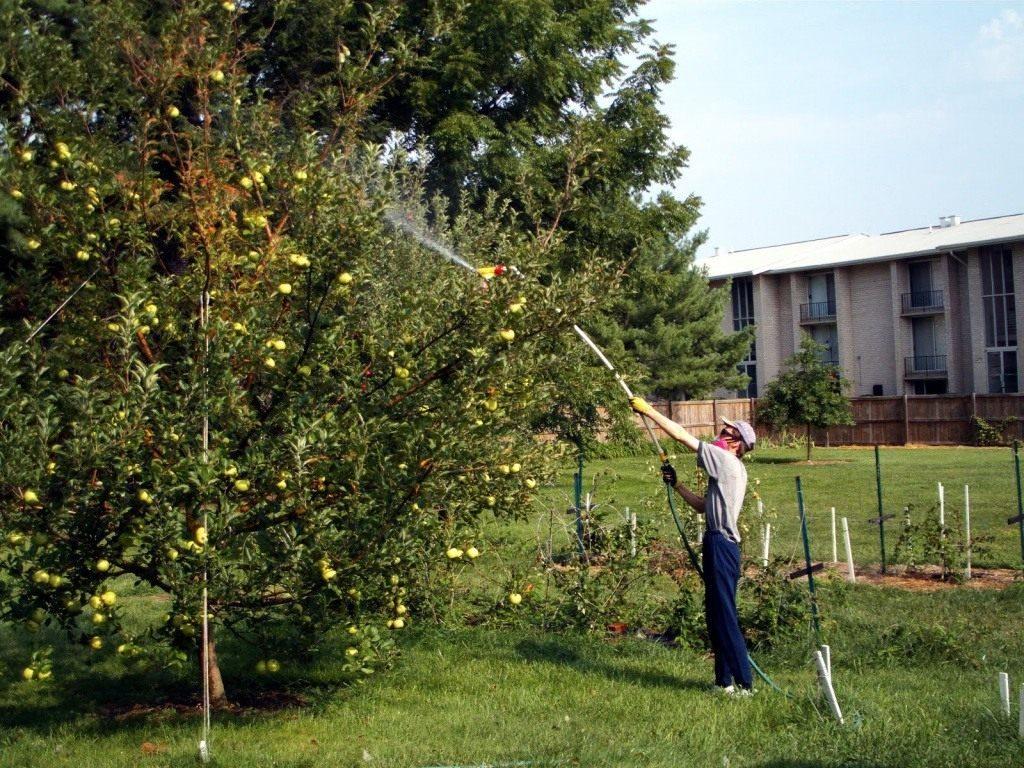
Replenishing nutrients
To successfully develop crops and produce a bountiful harvest, regular fertilization is essential each season. Each element has its own specific methods, and mineral complexes are also used. Phosphorus is replenished with phosphate rock or superphosphate. Mineral complexes are also added to create a mineral balance.
Excess potassium in the soil interferes with magnesium absorption. To compensate, the tree is sprayed with a magnesium sulfate solution. Fertilizing is performed four times per season, every 10 to 15 days.
The absorption and accumulation of the element occurs after several years of fertilizing. To fertilize apple trees with manganese, spray the foliage with a potassium permanganate solution. Add 10 grams of powder to 10 liters of water. Fertilize three times per season, once a month. To increase potassium levels, use any mineral complex containing the element, such as potassium salt.
Fighting parasites
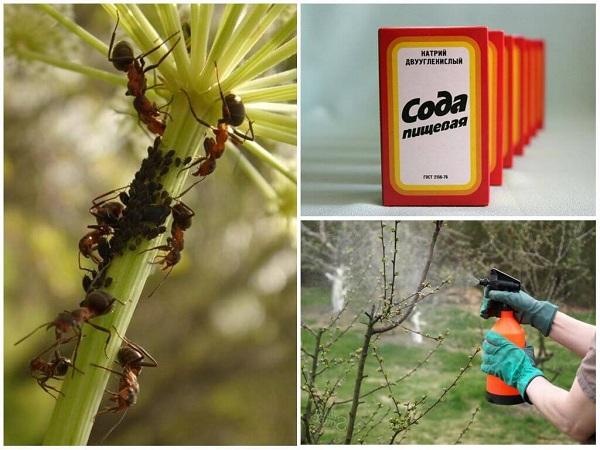
To combat harmful insects, insecticides or folk remedies are used. Treatments are carried out 2-3 times per season. Any spraying must be carried out with precautions and preventative measures. Such products include:
- Actellic;
- Votafox;
- Sumicidin;
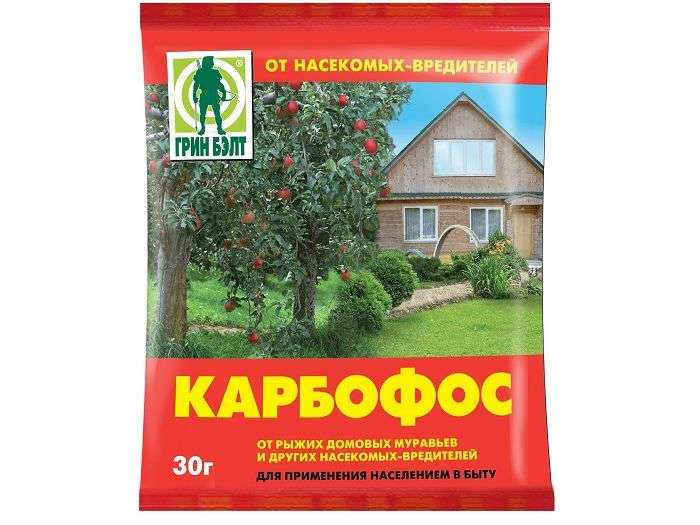
- Karbofos and others.
Among the methods of traditional medicine, the most popular recipes are considered to be:
- 10% wood ash solution;
- Mustard solution;
- Soap solution;
- Tobacco decoction.
 Important! Two weeks before harvest, stop spraying with chemical insecticides completely; only traditional methods can be used.
Prevention of the disease
To prevent this condition in apple trees, it is necessary to follow several rules:
- Regular fertilization with organic and mineral fertilizers.
- Spraying leaves against harmful insects before budding begins.
- Trimming root shoots.
- During bud break, spray the tree with a tobacco or mustard solution.
- Mulching for the winter and for the season ensures the preservation of nutrients at the tree roots.
- The water sprouts are removed, as aphids overwinter in them.
Related posts:
 How to treat peach trees for aphids and the best methods for pest control
 How to treat peppers for aphids, how to fight them with folk and chemical remedies
 How to control aphids on carrots using medications and folk remedies
 How to control aphids on raspberries during flowering and fruiting, what to treat them with
 Description of tomato diseases and their treatment, how to process them
 Treatment rules and 20 best remedies for dealing with aphids on apple trees
 How to get rid of aphids on cherry trees and what is the best treatment after flowering?
 Causes and treatment of eggplant pests and diseases, how to combat them at home