
- Selection of the Antonovka apple tree
- Characteristics and description of the variety
- Habitat
- Tree dimensions
- Branching of the root system
- Flowering and pollination
- Fruiting
- Scope of harvest application
- Features of the species
- Disease resistance
- Susceptibility to insects
- Frost resistance and minimum temperature for growing
- Life expectancy
- How to plant Antonovka in a plot
- What to consider
- The optimal place
- Required soil composition
- Favorable and unfavorable neighbors
- Timing of planting operations
- Preparing the planting hole and seedling
- Tree placement schemes
- Landing technology
- How to care for a young and mature tree
- Watering
- Fertilizer application chart
- Caring for the tree trunk circle
- Pruning and crown shaping
- Preventive treatments
- Preparing the apple tree for winter
- The nuances of harvesting
- Is it possible to graft Antonovka onto another apple tree?
- Subspecies and variants
- On a dwarf rootstock
- On a semi-dwarf rootstock
- One and a half pound
- Aportovaya
- slate
- Winter
- Columnar
- Popular varieties
- Ordinary
- Golden
- Dessert
- New
The Antonovka apple tree has been known to gardeners for over a hundred years and remains popular. Its low-maintenance nature and high yield, combined with good shelf life, make this variety popular in the food industry. Furthermore, Antonovka provides an excellent genetic basis for breeding new varieties with stable characteristics.
Selection of the Antonovka apple tree
Antonovka apple trees were first mentioned in the mid-19th century by Krasnoglazov, a well-known Moscow horticulturist and practitioner. In his works, the scientist described the Antonovka as a varietal hybrid from the Kursk province, spontaneously obtained from a wild apple tree. This statement is not reliable, as the variety's exact origin is impossible to determine. During the Soviet period, at least seven new varieties and cultivars were bred from the Antonovka; modern scientists count more than 11.
Characteristics and description of the variety
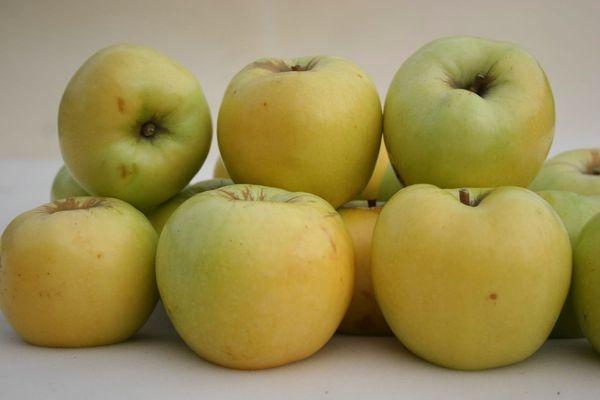
Antonovka is not a single variety, but a type of apple tree with common characteristics:
- a vigorous tree with a broad crown;
- early winter ripening period for apples;
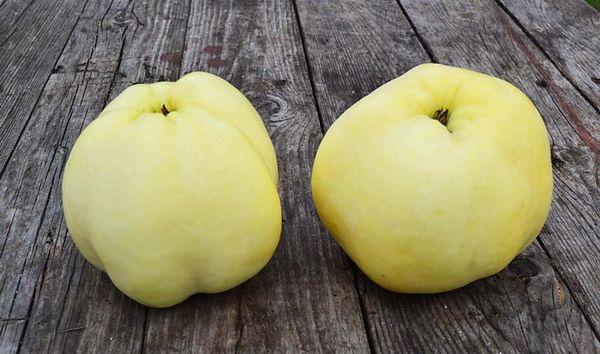
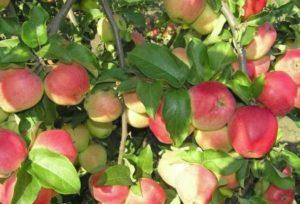
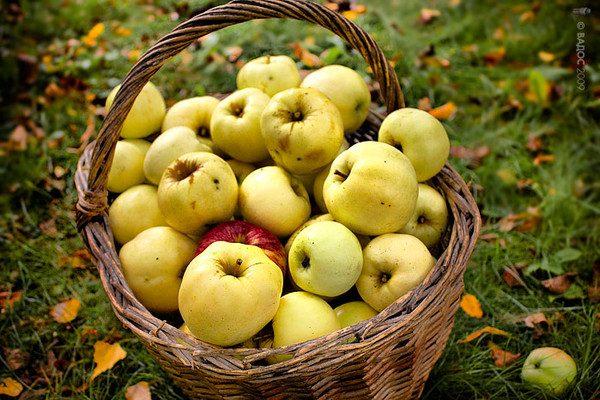
- fruits weighing between 120-300 g;
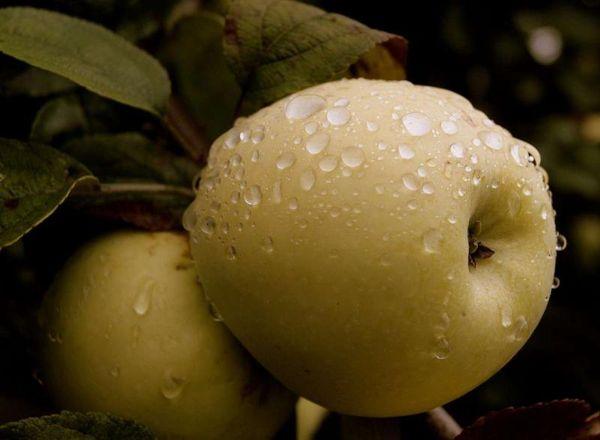
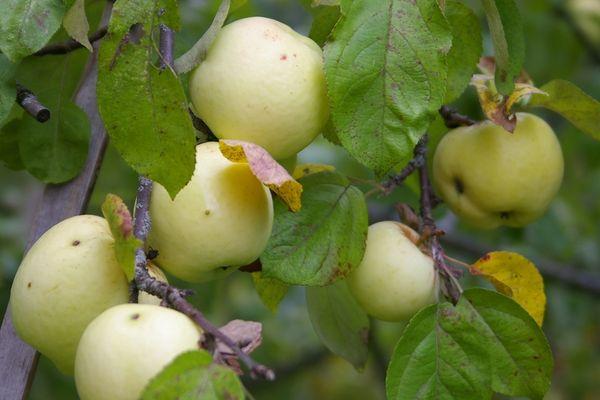
- apples are painted in a yellow-green palette;
- rich taste and strong aroma.
Habitat
Antonovka apple trees of various varieties are grown in many regions, most actively in northwestern and central Russia. The trees are found in orchards in the following regions:
- Bryansk;
- Vologda;
- Ivanovskaya;
- Kaliningrad;
- Kaluga;
- Kostroma;
- Moscow;
- Novgorod;
- Pskov;
- Ryazan;
- Tverskaya;
- Yaroslavskaya.
Antonovka is also widespread in Belarus and Ukraine, and frost-resistant varieties can be seen in Altai, the Urals, Siberia, and the Far East.
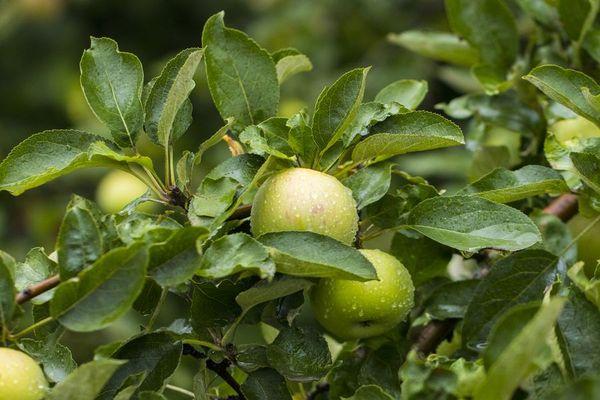
Tree dimensions
The height of Antonovka apple trees depends greatly on the rootstock, but does not exceed 7 meters. The trees' crowns are strong and spreading, reaching up to 10 meters in diameter. However, the trees' branches are strong and require no additional support, even with a bountiful harvest.
Branching of the root system
Antonovka has a well-developed root system, which begins at the seedling stage. The maximum root density is concentrated in a circle 1-1.5 meters in diameter. Vertical shoots are buried to an average depth of 0.5-0.7 meters.
Flowering and pollination
A single Antonovka tree produces no more than 5% of its ovaries, making it self-sterile. To ensure a high-quality harvest, suitable pollinators must be planted nearby. For this purpose, varieties should be selected so that their flowering periods overlap as much as possible.
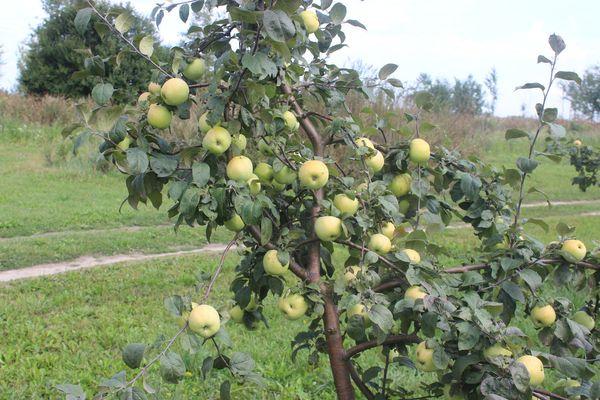
The following apple trees are suitable for this:
- Scarlet anise;
- Welsey;
- Saffron pepin;
- Autumn striped;
- White filling;
- Strifel;
- Bellefleur the Chinese.
Fruiting
Apple ripening time varies depending on the growing region. In southern regions, the fruit is fully ripe in early September; further north, ripeness occurs a few weeks later. Full fruiting occurs six years after planting; before then, the apple production is uneven. On average, a full-grown tree can yield around 350 kg of apples.
Scope of harvest application
Antonov apples are used in cooking:
- fresh;
- for preparing drinks;
- processed into jam, jellies, pastilles, marmalade;
- soaked in salads and appetizers.
Features of the species
The Antonovka variety has its own characteristics:
- high winter hardiness;
- excellent crop storage performance;
- low shedding rate;
- a stable root system is suitable for rootstock;
- weak immunity to diseases and pests.
Disease resistance
Antonovka's natural resistance to garden diseases:
- scab - below average;
- fruit rot - medium;
- Powdery mildew - below average.
The variety responds well to preventative spraying with fungicides and whitewashing, which significantly increases the plant's immunity and increases its resistance to a high level.
Susceptibility to insects
The codling moth is particularly dangerous for Antonovka's harvest. During pest infestations, without the use of insecticides, the caterpillars attack 100% of the fruit, eating them to the ground. Without preventative measures and a rapid response to insect infestations, there is a risk of total crop loss.
Frost resistance and minimum temperature for growing
Antonovka's frost resistance is significantly above average. Trees easily withstand harsh Siberian winters, but require mulching around the trunk. In winters with little snow and early frosts, it's a good idea to wrap the apple tree trunks with insulation.
Life expectancy
Antonovka apple trees have a long lifespan, surpassing all other varieties. Fruiting continues for up to 40 years. Researchers have found trees with a record age of 200 years and older.
How to plant Antonovka in a plot
Growing Antonovka is easy, even for a novice gardener. The trees survive, bloom, and bear fruit even without care, in poor soils, and under adverse conditions. However, to ensure a bountiful and high-quality harvest each year, it's important to consider the varietal requirements.
What to consider
The principles of proper planting require consideration of:
- quality of planting material;
- planting dates;
- suitable conditions;
- technology and planting patterns.
The optimal place
A suitable place for growing Antonovka is characterized by:
- good lighting;
- groundwater level at 2-2.5 m;
- moderate humidity;
- good drainage.
Required soil composition
Soil characteristics for planting Antonovka:
- high air permeability;
- acidity within 5.6-6.0 pH;
- sandy loams, loams, floodplains or leached chernozems.
Favorable and unfavorable neighbors
You can plant the following next to apple trees:
- pine trees;
- larch;
- tomatoes,
- calendula;
- dill.
Due to competition for light and water, the following should not be planted next to apple trees:
- apricots;
- cherries;
- cherries;
- peaches.
Poplars emit essential vapors that are harmful to apple trees, and rowan trees have common pests - the rowan moth.
Timing of planting operations
It's preferable to plant Antonovka apple trees in the fall, but no later than the end of October. If forced planting is required in the spring, the work should be completed by the end of April.
Preparing the planting hole and seedling
The planting hole should be prepared 4-8 weeks before planting or in the fall for spring planting. The holes should be approximately 1-1.2 m across and 0.6 m deep. The soil should be separated and cleared of weeds. The day before planting, the roots of the seedlings should be placed in water, where a small amount of growth stimulant can be dissolved.
Tree placement schemes
The distance between seedlings depends on the rootstock and the full height of the apple tree:

- The vigorous type is planted at a distance of 4-4.5 m and 4-6 m between rows.
- Medium-sized ones can be planted 3.5-4 m apart from each other with rows spaced 4-4.5 m apart.
- Semi-dwarf ones are placed no closer than 3-3.5 m and with a row spacing of 4-4.5 m.
- Dwarf ones can be placed at a distance of 2.5-3 m between trees and 3.5-4 m between rows.
Landing technology
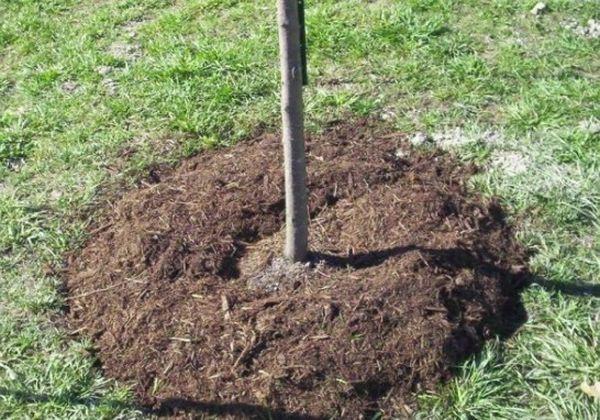
The process of planting seedlings:
- Mix the soil from the planting hole with humus, peat, sand and black soil in different proportions.
- Add 30 g of superphosphate and 250 g of ash to a bucket of mixture.
- Form a mound of earth at the bottom.
- Drive in 1 or 2 support pegs at some distance from the center.
- Place the roots on a mound of earth.
- Fill with soil mixture up to the level of the collar.
- Compact the soil.
- Tie the trunk to the supports.
- Water generously.
How to care for a young and mature tree
Proper care requires regular watering, especially in the first years of apple tree growth. Fertilizer and mulch should be applied periodically. Formative and sanitary pruning, as well as disease prevention and pest control, significantly influence growth and fruiting.
Watering
During the first five years of its life, Antonovka should be watered at least eight times per season, increasing the frequency to ten during dry summers. In subsequent years, the frequency of watering is gradually reduced and then stopped completely.
Fertilizer application chart
| Type of fertilizer | Term | Way | Quantity per 1 sq. m |
| Phosphorus | In the fall | For digging | 35 g |
| Nitrogen | In the spring | For digging | 35 g |
| Potassium | In summer | When watering | 15 g |
| Humus, compost, peat | In autumn, once every 3-4 years | For digging | 6 kg |
| Infusion of mullein, bird droppings or grass | In summer, every 3 weeks | When watering | 1 l |
Caring for the tree trunk circle
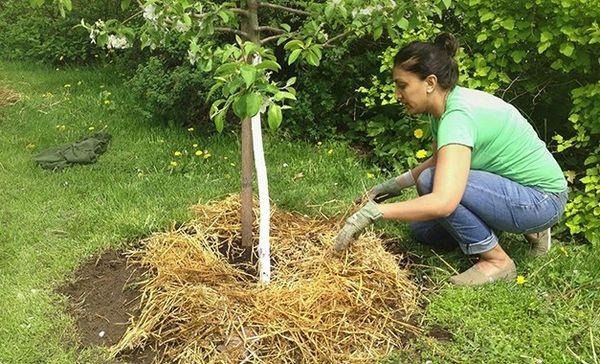
During the first seven years, the tree trunk area should be dug up after each watering and weeds removed. To conserve soil moisture, after digging, mulch the surface with sawdust, compost, or well-rotted manure to a depth of 7-8 cm.
Pruning and crown shaping
From the second year, before the start of the growing season and after, sanitary pruning of dry and damaged shoots is performed. Crown shaping is done in the fall by removing a third of all new branches. Mature trees over 20 years old can be rejuvenated every 3-4 years if necessary, removing a third or half of the lateral shoots while preserving the main branches.
Preventive treatments
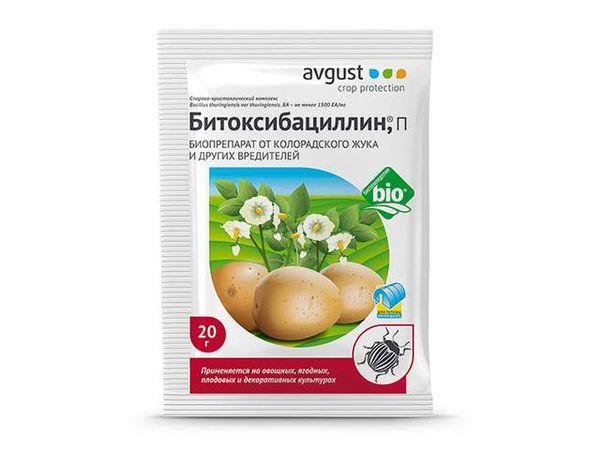
During flowering, apple trees are treated with Karbofos or Rovikurt, and when buds appear, with Bordeaux mixture. This agent, along with copper oxychloride, is used to combat fungal diseases that cause fruit and leaf drop. If pests appear, trees can be treated with insecticides such as Napoval, Kemifos, Entobacterin, and others.
Preparing the apple tree for winter
For about three years after planting, trees need protection from frost. To do this, apple trees should be earthed up in the fall and the root zone should be mulched with at least a 10-cm layer of well-rotted compost or humus. The trunks should be whitewashed with chalk or lime, and before frost, they should be insulated with burlap, spruce branches, and rodent netting.
The nuances of harvesting
To ensure long-term storage of your harvest, you should pick apples according to the following rules:
- do not shake the fruits onto the ground;
- pick apples before they reach technical maturity;
- containers for collection and storage should be treated with fungicides and dried;
- pack apples tightly to avoid impacts during transportation;
- discard damaged fruits;
- Store in a dry, ventilated place at a temperature of about 1.6 °C.
Is it possible to graft Antonovka onto another apple tree?
There are different ways to graft Antonovka to other apple trees:
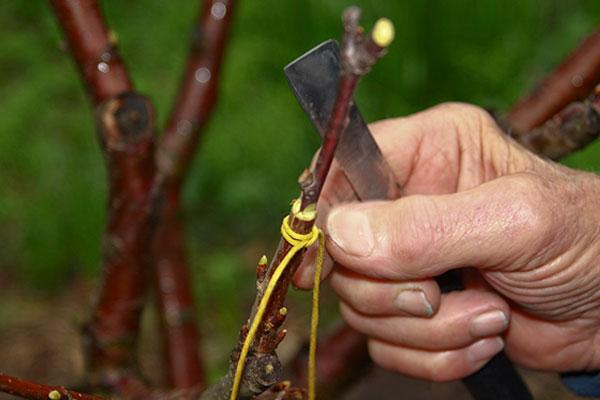
- by cuttings in spring, using copulation methods, in a cleft, side cut or under the bark;
- with an eye in the spring-summer period, placing it in a cut or butt.
Subspecies and variants
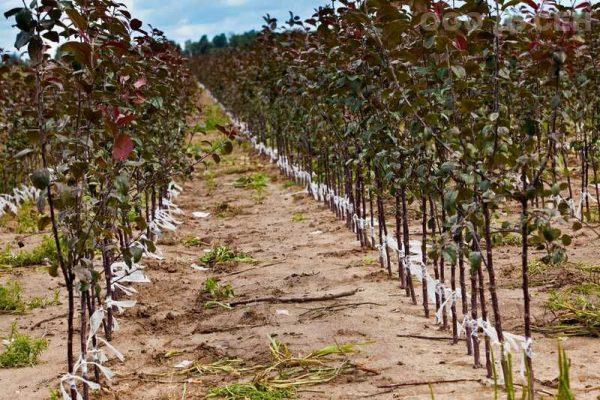
The numerous rootstock varieties used to grow Antonovka apple trees create differences in fruiting and appearance. The correct grafting method allows the variety to adapt to any growing conditions.
On a dwarf rootstock
This type is characterized by the appearance of the first fruits, weighing up to 50 kg in total, in the eighth year of the tree's life. The average yield of each apple tree aged 12-14 years is approximately 120 kg.
On a semi-dwarf rootstock
Characteristics of this type:
- larger fruits;
- the first apples in the 4th-5th year;
- height up to 3 m.
One and a half pound
Features of this Antonovka:
- maximum frost resistance;
- technical ripeness of apples at the beginning of September;
- fruit weight up to 0.6 kg;
- partial self-fertility.
Aportovaya
The rootstock is characterized by:
- early winter ripening;
- apples about 0.2 kg in size in the 4th-5th year;
- the fruits are ready for storage by the end of September;
- stable fruiting.
slate
This form of Antonovka is widely used for cultivation in the regions of Siberia, the Urals, and the Far East.
Winter
Winter varieties of Antonovka are grown only in northern regions.
Columnar
This method of growing Antonovka grapes is rarely used. It is expensive and difficult to grow and harvest.
Popular varieties
All Antonovka varieties share a common origin and do not differ significantly in their characteristics. Most were developed decades ago, although there are also modern varieties. However, each variety has its own distinctive characteristics.
Ordinary
The classic Antonovka variety has the following characteristics:
- the sugar content in apples is more than 9%;
- green fruits turn yellow during storage;
- high winter hardiness of plants;
- seedlings are the basis for rootstocks;
- low shedding;
- long-term storage;
- weak immunity;
- irregular fruiting.
Golden
Features of the variety:
- technical maturity at the end of August;
- poor shelf life of apples;
- the flavor does not intensify during storage;
- apple weight within 150-180 g;
- the color of the fruits is straw-yellow;
- high resistance to scab.
Dessert
The hybrid variety is characterized by:
- average plant growth rate;
- apples weighing about 200 g have a reddish-striped blush;
- the pulp of the fruit is aromatic and sour;
- storing apples for up to six months;
- fruiting in the 3rd year of growth;
- yield 40-120 kg per tree;
- average frost resistance.
New
Special features of Antonovka Nova:
- zoning for the Central part of Russia and the Black Earth Region;
- the average yield of an adult tree is about 200 kg;
- tree height 5-6 m;
- light yellow apples weigh 120-200 g;
- on the surface of the fruit there is a blurred reddish blush;
- dense, juicy, white flesh;
- shelf life 3-4 months;
- onion-shaped fruits.
Related posts:
 Signs and treatment of apple tree cancer, varieties resistant to the disease
 Description and varieties of the Sinap apple tree, planting and care rules
 Description of the Chudnoe apple variety, planting and caring for a dwarf tree
 Description and planting of the Dream apple tree variety, care and propagation
 Description of the Red Early apple tree variety, agricultural technology and specific care
 Description and subtleties of growing the Sverdlovsk Beauty apple tree variety
 Description and characteristics of the Orlovim apple variety, cultivation nuances
 Description of the ornamental Nedzvetsky apple tree, cultivation technology