
- History of the Sibiryachka Yagodnaya apple tree breeding
- Pros and cons of the variety
- Growing regions
- Characteristics and description
- Tree size and annual growth
- Root system
- Fruiting
- Flowering and pollinators
- Ripening time and harvesting of fruits
- Tasting evaluation and yield
- Disease resistance
- Frost and drought resistance
- Planting an apple tree
- Germination from seed
- Planting by cuttings
- Deadlines
- Required soil composition
- Dimensions of the planting hole
- Rules for caring for young and mature trees
- Regularity of watering
- Caring for the tree trunk circle
- Top dressing
- Pruning and crown shaping
- Seasonal processing
- Winter protection
- Methods of reproduction
- Gardeners' reviews
The Yagodnaya apple tree is popular with both novice and professional gardeners due to its ease of cultivation and resistance to severe frosts. This allows the tree to be grown in almost any climate. It has increased resistance to common diseases and pests. The only time the tree may fail to produce a harvest is if there is a lack of moisture during a drought.
History of the Sibiryachka Yagodnaya apple tree breeding
The exact origin of this apple variety is unknown, but many sources believe it originated in China, Eastern Siberia, and the Manchurian-Korean Mountains. This fruit tree is a wild species, with many cultivars depending on the growing region.
The apple tree is also called: Siberian, Siberian Berry, Pallas's Apple and Cherry-fruited Apple.
Most summer residents are accustomed to the simple name Yagodnaya, which characterizes its external features.
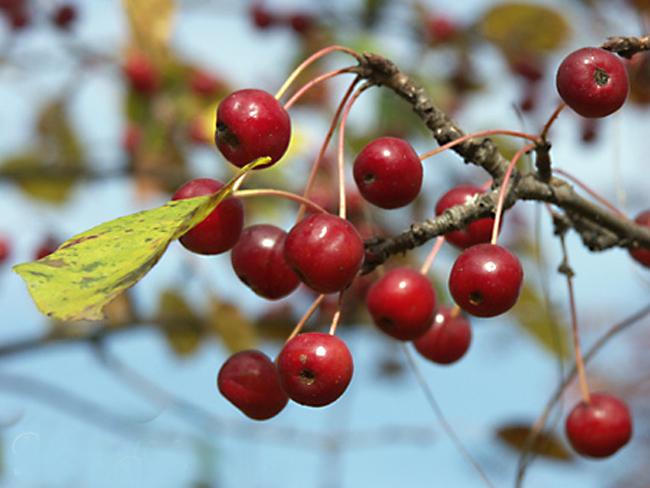
The main difference between the Yagodnaya apple tree and other varieties is the calyx that falls off as the fruit ripens, whereas in all other varieties it remains in the form of sepals.
Pros and cons of the variety
The popularity of the Yagodnaya apple tree stems from a number of advantages that make it a leader among other ornamental varieties. The variety's advantages include:
- undemanding to soil, undemanding in care;
- resistance to severe frosts;
- tendency to stable and annual fruiting;
- high decorative features;
- increased immune protection against typical diseases and pests.
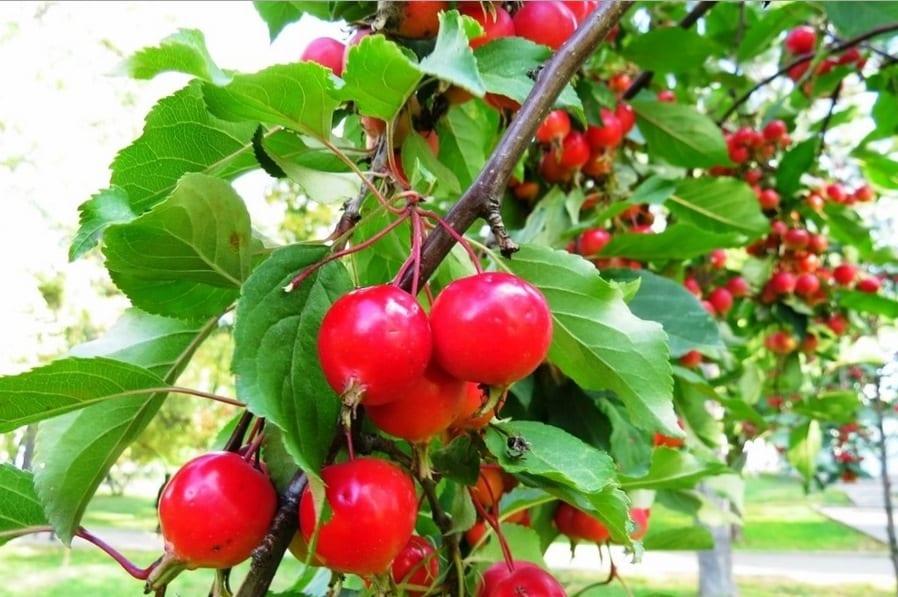
Along with a number of positive characteristics, the Yagodnaya apple variety also has some drawbacks: small fruits and a lack of flavor. The apples are not eaten, but are grown solely for ornamental purposes.
Growing regions
This species is widespread and popular in central Russia and Eastern Siberia. It grows in fertile soils in any region, as it is undemanding of growing conditions.
The Yagodnaya apple tree is rarely grown on its own; it is usually used for landscaping, decoration, and for grafting large-fruited varieties grown in harsh climatic conditions.
Characteristics and description
The Yagodnaya apple tree has unique botanical features and dendrological characteristics that should be taken into account when choosing this variety.
Tree size and annual growth
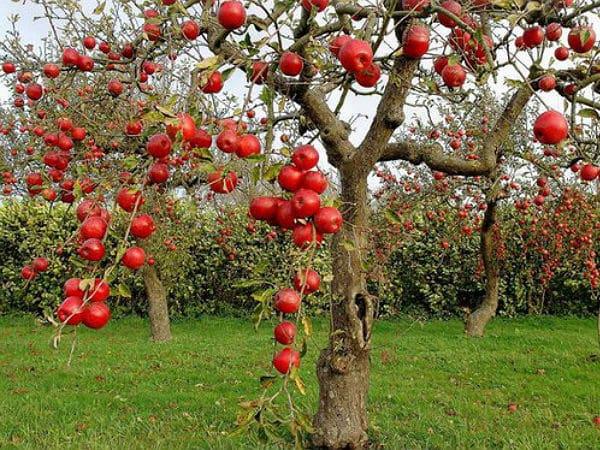
Literary sources indicate that the Yagodnaya apple tree can reach 10 meters in height. Some specimens grow as bushes, while others have a distinct, curved, sinuous trunk. The umbrella-shaped, wide, dense crown consists of long branches.
The Yagodnaya apple tree grows slowly. Annual growth depends on the formation of new shoots and root development. The annual growth rate is estimated at 5 points.
Root system
The Yagodnaya apple tree's root system is characterized by moderate branching. Each year, it penetrates deeper into the soil, forming lateral and additional roots, thereby growing abundantly.
Fruiting
With proper care and timely completion of all procedures, this variety will consistently produce fruit. Fruiting begins at age 5, and earlier on pome rootstocks.
Flowering and pollinators
Lush blooms begin in April and last through May. The inflorescences consist of pink buds with a distinct, pleasant aroma.
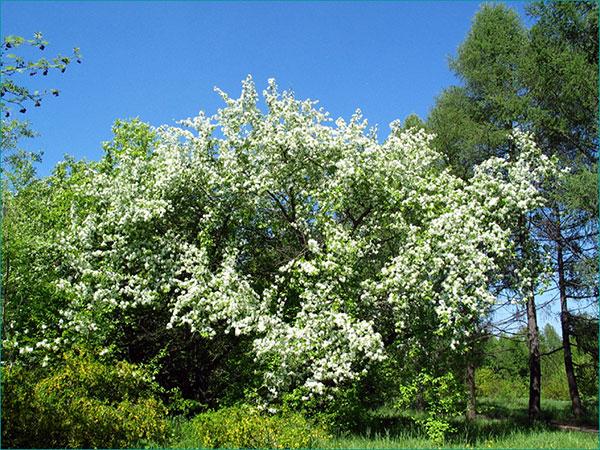 Tip! To ensure pollination, it's recommended to plant nearby pollinator varieties that bloom at the same time as the Yagodnaya apple tree.
Ripening time and harvesting of fruits
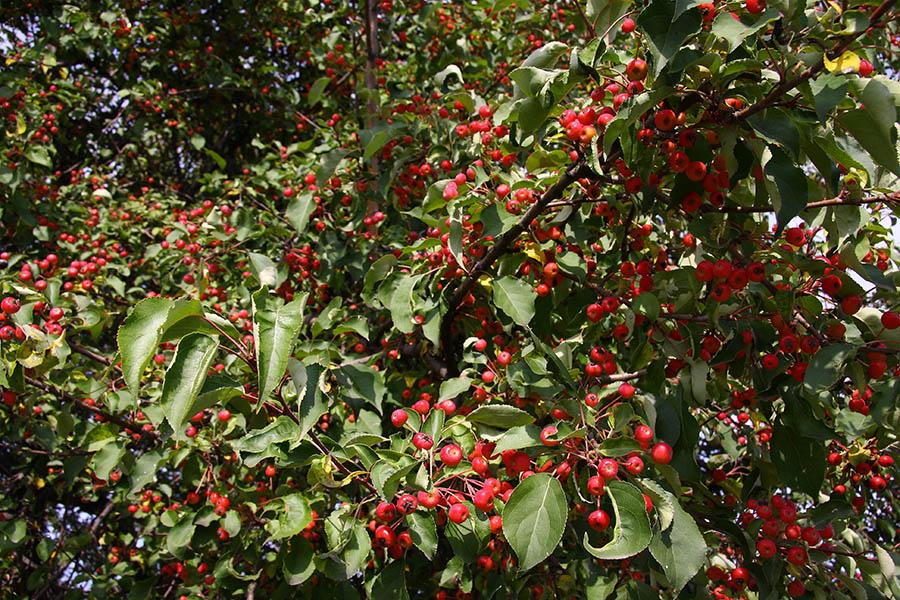
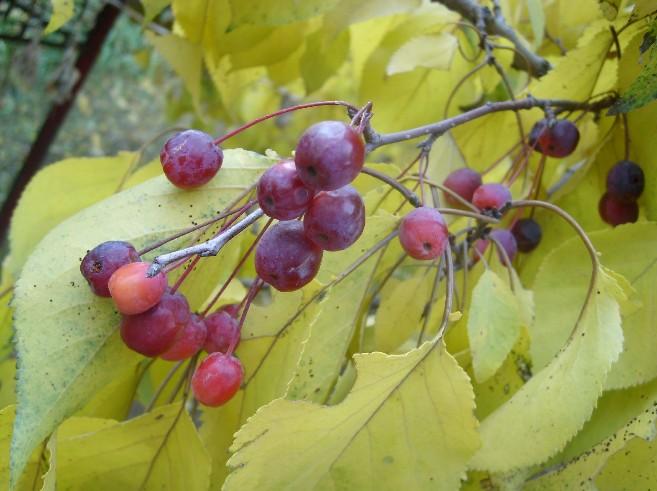
The small, spherical, deep-red fruits, only 8 mm in diameter, don't fall until frost. They remain on the tree even after it has shed its leaves. Fruiting occurs in the fall, and the first harvest can be collected in September.
Tasting evaluation and yield
One of the main advantages of the Yagodnaya apple variety is its high yield, but the fruit is tasteless and not eaten fresh. The fruit's taste score is low. They are excellent for making jam, preserves, compotes, and other winter preserves. They are also used to make delicious and flavorful desserts or dried for compote.
Disease resistance
The variety is resistant to diseases common to all apple trees and is also pest-resistant. However, when growing this fruit tree, preventative measures are required to protect the tree from diseases and pests.
Frost and drought resistance
This variety can survive even the deepest winter on its own and does not require shelter, as it is the most winter-hardy apple tree in the world, able to withstand temperatures down to -56 degrees.
The crop also demonstrates drought resistance and can survive long periods without irrigation.

Planting an apple tree
This variety of fruit crop can be grown from seeds and cuttings.
Germination from seed
Growing from seed, unlike all other methods, is considered the most time- and effort-intensive. To do this, select a well-lit area in the fall and sow a seed taken from a beautiful, healthy-looking fruit without micro-damage or deformities. A year later, when the planting material has grown sufficiently and has matured after surviving the winter, transplant the seedling to its permanent location.
When planting several seedlings, it is recommended to maintain a distance of at least 5 meters between them.
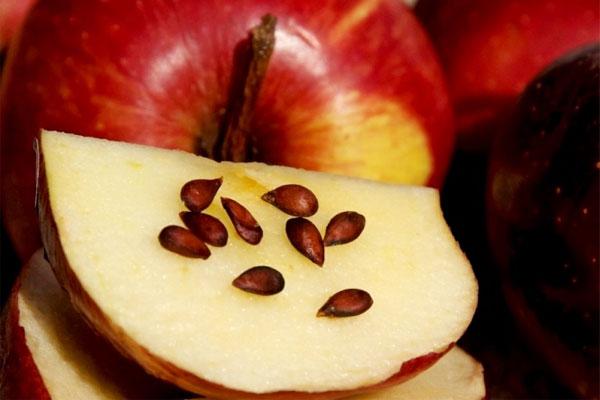
Seeds can be planted in the spring, but first the planting material must be kept in the refrigerator, maintaining a temperature of 0 to 5 degrees.
Planting by cuttings
The Yagodnaya apple tree can be successfully grown using cuttings. To do this, cut a shoot from the mother tree and graft it onto the desired rootstock. Proper care and standard agricultural practices are required for further development.
Deadlines
Planting time varies depending on the region and its weather conditions. Experienced gardeners recommend planting in the spring, before the first signs of sap flow. When planting in the fall, it's important to time the planting precisely, otherwise the seedling won't have time to root and adapt, and will die when severe frosts arrive.
Required soil composition
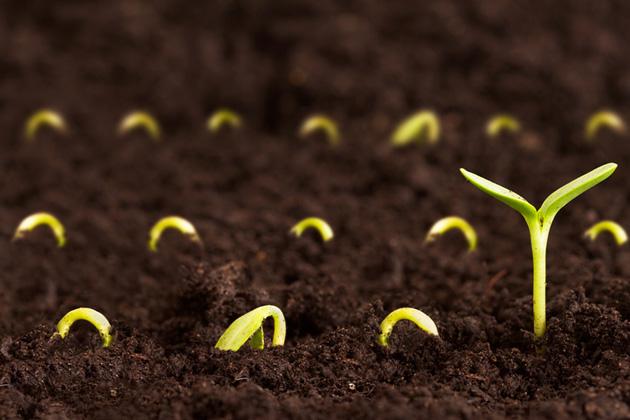
The ideal soil for an apple tree has the following 3 components: humus, river sand and turf soil in a ratio of 3:2:1.
Dimensions of the planting hole
For spring planting, prepare the hole in advance. Planting occurs in several stages:
- Dig a hole 0.7 m deep and 0.6 m in diameter.
- Fill a third of the hole with a soil mixture consisting of humus, river sand and turf soil (3:2:1).
- Cover the top with a layer of fertile soil.
- Place the seedling and sprinkle its roots with turf soil so that the root collar is 5 cm above the soil level.
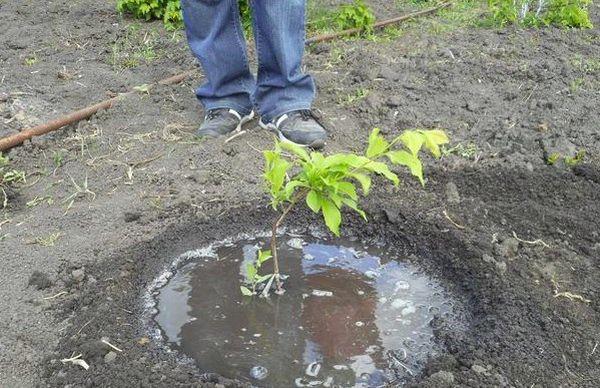
During the first three years, the seedling needs to be tied to a stake to prevent it from being damaged by strong winds.
Rules for caring for young and mature trees
Proper care involves carrying out a range of agricultural measures.
Regularity of watering
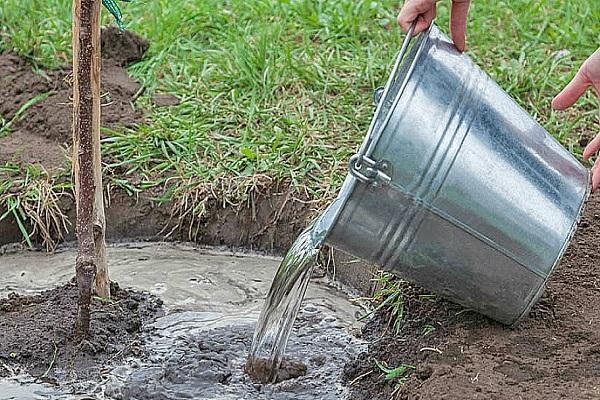
Although the Yagodnaya apple tree is a drought-resistant crop, it requires watering 1-2 times a month.
Tip! In hot weather, additional watering is necessary during the fruit development stage. Insufficient moisture during this period can cause some fruits to become smaller and fall off.
Caring for the tree trunk circle
The area around the tree trunk needs to be:
- clear snow to quickly warm up the soil;
- dig to improve the condition of the outer layer of soil;
- loosen for optimal aeration and to ensure breathing of the root system;
- Mulch to protect the soil from weathering, drying out and weed growth.
These activities are aimed at meeting the needs of the apple tree.

Top dressing
Mineral fertilizers based on phosphorus, potassium, and nitrogen are recommended to be applied from the second year of fruit tree growth, in accordance with the instructions, without exceeding the dosage.
Pruning and crown shaping
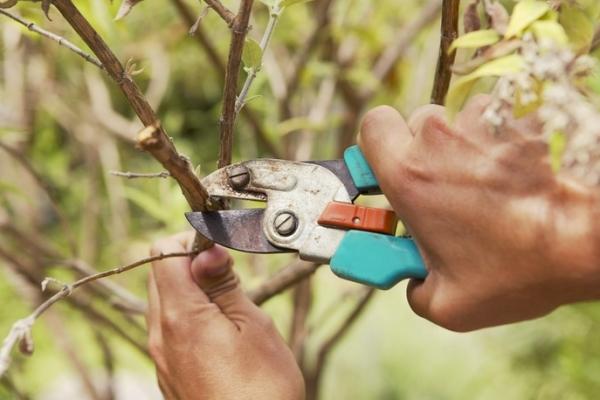
Formative pruning is necessary to increase the size and density of the crown. This involves removing skeletal branches and their lateral parts.
Carry out systematically every spring before the sap starts to flow.
Sanitary pruning will help protect the plant from diseases and their development. Throughout the season, remove damaged, dead branches, those affected by pests, fungal, and bacterial infections, as needed.
Seasonal processing
During the season, as a preventative measure, before flowering and after fruiting, it is recommended to spray trees with chemical pest and disease control products. It is best to choose natural-based products.
Winter protection
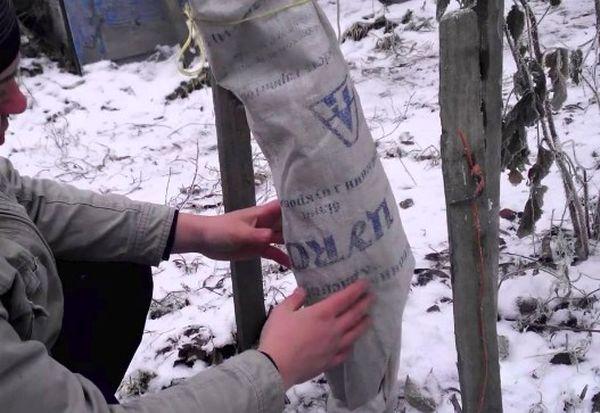
The Yagodnaya apple tree does not require winter protection, thanks to its unique botanical properties, namely its ability to withstand abnormally low temperatures.
Methods of reproduction
The Yagodnaya apple tree is easy to propagate, but it requires considerable time and effort. To do this, you'll need to use seed and cuttings.
Gardeners' reviews
Olga Lashina, 58 years old, Voronezh
This variety produces small, tasty apples. I often use them to make jam, but I also enjoy them fresh. It produces fruit reliably every year, and it has never disappointed me. Moreover, this variety not only produces fruit but also adds a striking appearance to my garden.
Alexander Sharapov, 52 years old, Kursk
The Yagodnaya apple tree is frost-resistant, so it always produces a bountiful harvest, regardless of care or weather conditions. The apples on the tree delight with their brightness and uniqueness until winter sets in, making them a true gem in my garden.
Related posts:
 Description and rules for growing the Bratchud apple tree variety
 Description of the Chudnoe apple variety, planting and caring for a dwarf tree
 Description of the Borovinka apple tree variety, cultivation and care
 Description of the ornamental Nedzvetsky apple tree, cultivation technology
 Description and planting of the Dream apple tree variety, care and propagation
 Description and subtleties of growing the Sverdlovsk Beauty apple tree variety
 Description and subspecies of the Sakharny Arkad apple tree variety, cultivation technology
 Description and rules for growing creeping apple trees, planting and care