
- The periodicity of apple tree fruiting
- What causes the complete absence of ovaries and fruits?
- Landing errors
- Young age of the tree
- Excess of microelements
- Flower bud damage
- Insufficient pollination
- If fruiting is irregular
- Feature of the variety
- Increased yield
- Incorrect pruning and crown shaping
- How to Restore Fruiting on an Apple Tree
- Stimulating pollination
- Relocation to a new location
- Trimming and standardization
- We regulate feeding
- Pest control treatments
- Prevention and advice for gardeners
Planting the first apple tree seedling suggested isn't enough. A fruit tree requires suitable growing conditions and a range of care measures. If a gardener wonders why an apple tree isn't bearing fruit, it's likely there are some mistakes that need to be corrected.
The periodicity of apple tree fruiting
The crop yields fruit regularly every year and periodically, which is a concern for gardeners. The assertion that periodicity of fruiting is a property of the varieties is partially true. Indeed, in apple trees July ChernenkoMayak, Kitayka, and Papirovka are genetically designed to bear fruit periodically. However, experienced gardeners have learned to harvest these trees annually by rationing the fruiting and maintaining them properly.
The following factors interfere with regular fruiting of apple trees:
- discrepancy between growing conditions and the stated needs of the variety;
- recurrent spring frosts that destroy flowers;
- death of flower buds in winter;
- lack of preventive and therapeutic treatments.
To ensure regular fruiting, the crop requires an abundance of nutrients in the soil, normal lighting, irrigation, and warmth.
What causes the complete absence of ovaries and fruits?
The complete absence of fruits can be explained by various reasons:
- incorrect landing;
- selection of a non-regional variety;
- excess of microelements in the soil;
- freezing of flower buds;
- insufficient pollination of flowers.
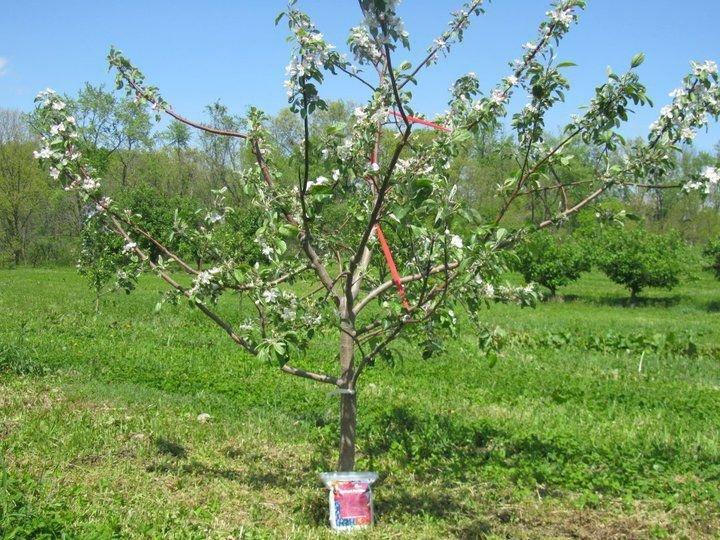
The most common reason for the absence of apples is that the tree has not reached the fruiting period.
Landing errors
If an apple tree has stopped producing fruit or there are no apples at all, it means the tree lacks the strength to form fruit due to the following reasons:
- Incorrect choice of landing site
A north-facing garden with cold winds and shade from buildings or other trees are unsuitable conditions for fruit trees. With a lack of warmth and light, a fruit tree's job is to survive.
- Depleted soil
Infertile, heavy soil doesn't provide the apple tree with the necessary nutrients to set fruit. Not only does the tree fail to bear fruit, but it also develops abnormally.
- Flooding of the root system
Apples will not grow on a fruit tree if the groundwater table is close and there are no drainage ditches for melt water in the spring due to rotting of the root system.
- Violation of the landing algorithm
A deep root collar during planting will eventually lead to rotting. The bark will crack and die, threatening the fruit tree's complete desiccation. If the sapling isn't tied to a support, the trunk will bend in the wind, and the branches will become deformed.
An apple tree variety recommended for cultivation in southern regions, if planted further north, will not bear fruit even if it survives.
Young age of the tree
To avoid worrying about a lack of apples ahead of time, when purchasing a seedling from a nursery, inquire about the tree's age and the time it will begin bearing fruit.
Dwarf and semi-dwarf apple trees produce a small harvest in the second year. Most varietal apple trees fully develop their root system, crown, and fruit set by the fifth year.
If a wild fruit tree is planted instead of a varietal fruit tree, small sour apples will not appear until 14 years after planting.
Excess of microelements
Overfeeding with nitrogen in summer and fall forces the tree to develop foliage and new vertical shoots at the expense of fruit set. Leaf curling and dying, as well as stunted apple tree development, occur with excess magnesium. Leaf spots, leading to leaf drop, occur with excessive zinc, copper, molybdenum, and fluorine applications.
Flower bud damage
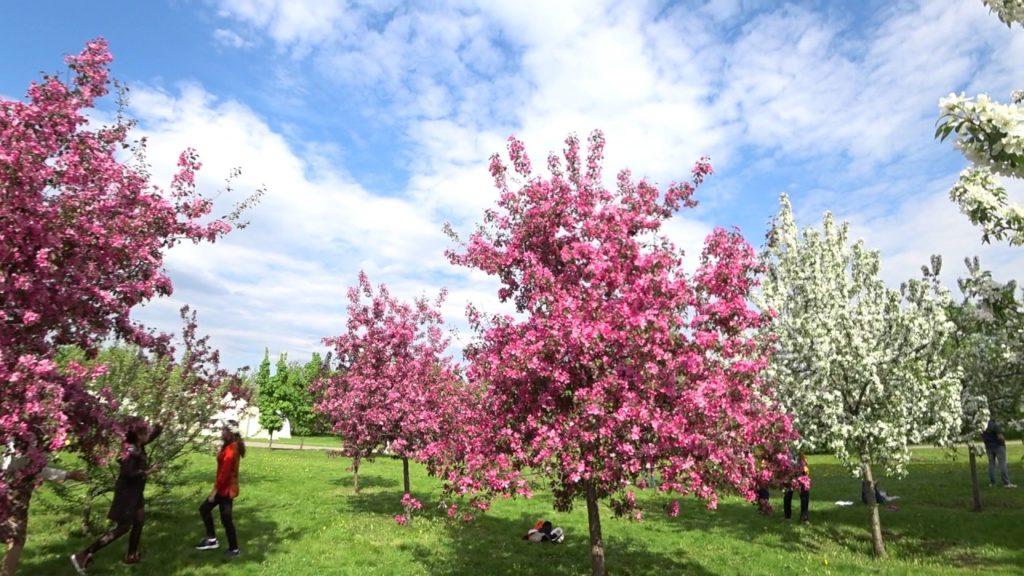
Apple tree flower buds are damaged by spring frosts and pest attacks. Weevil larvae chew out the buds from the inside, causing the flowers to fall off before they open, and the ovaries fail to form. Without treatment, up to 100% of the flowers die. Flower buds are damaged by slight subzero temperatures in the spring—1.5–2.5°C.
Insufficient pollination
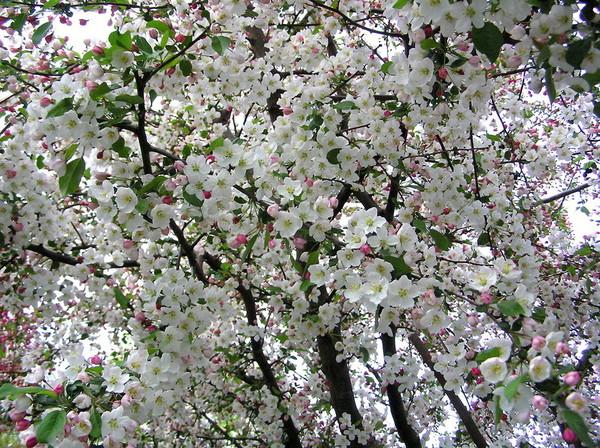
If an apple tree bloomed normally but no fruit formed, it means there's no pollinator nearby. When a tree blooms but pollination doesn't occur, no fruit will form. Cloudy and rainy days also hinder pollination, as the insects that carry pollen from one variety to another are inactive at this time.
If fruiting is irregular
Irregular fruiting of the apple tree is caused by an incorrectly formed crown and lack of annual pruning.
If all cultivation procedures are carried out correctly and in full, but the tree continues to produce fruit a year later, then the variety planted has this property.
Feature of the variety
One of the reasons why an apple tree fails to produce fruit every year is the choice of a variety in which this characteristic is genetically determined. Apples won't grow every year if the variety hasn't been acclimatized. Unsuitable growing conditions lead to weakened defenses of the fruit tree, leading to disease and pest infestation.
Increased yield
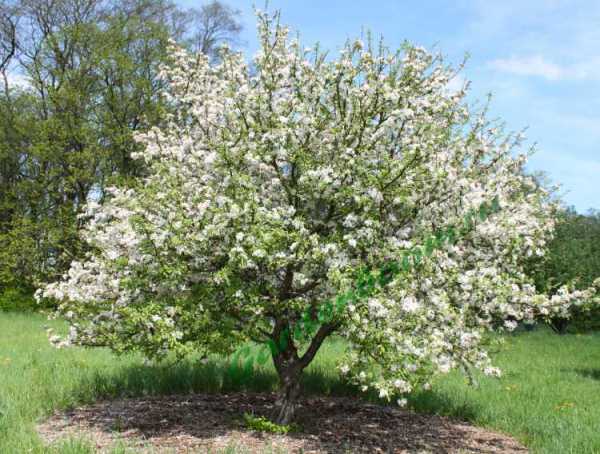
Fruit buds form in July, when the already formed apples begin to gain mass. If there are too many fruits, the tree lacks the nutrients to fully establish the foundation for next year's harvest.
Incorrect pruning and crown shaping
With a dense crown and misaligned branches, the tree lacks the nutrition and light to produce large, sweet apples. The fruit becomes smaller, and the tree bears fruit irregularly. An apple tree with an undeveloped crown is more susceptible to disease, insect attacks, and branches breaking under the weight of the fruit. Excessive pruning, which dedicates all its energy to the growth of new shoots, is harmful.
How to Restore Fruiting on an Apple Tree
To ensure your apple tree produces a bountiful harvest each year, correct any mistakes made during planting and cultivation. Pollination must be ensured, the crown must be shaped, and annual sanitary pruning must be performed. Reducing the number of flower buds and applying fertilizers can also yield good results.
Stimulating pollination
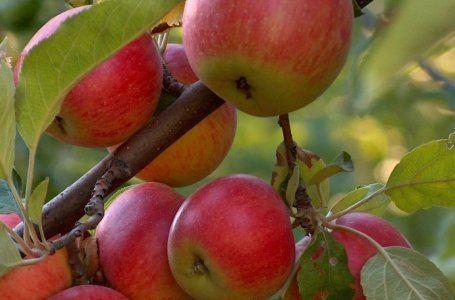
Even when planting a self-pollinating apple tree, the yield will be lower without pollinators. Varieties grown in Russia are mostly self-sterile. If there are no trees of a different variety growing in a neighboring plot, it is recommended to plant one to three more apple trees of different varieties in your garden, all blooming at the same time.
Experienced gardeners use a few tricks. If suitable pollinating crops are not available nearby, they graft branches of other varieties or tie flowering branches of pollinators, placed in a container of water, to the crown during flowering.Another pollination option is to plant nearby honey plants that attract insects.
Relocation to a new location
The lean of a young tree's trunk is corrected by tying it to a support. To force an apple tree planted too deep at the base or in an improperly chosen location to bear fruit, replanting is required.
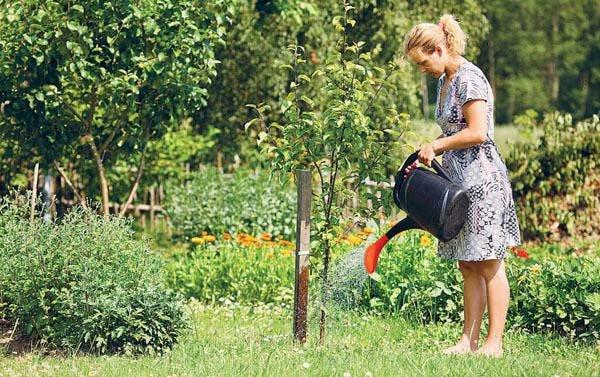
Choose a sunny, level, open site protected from cold winds without a high water table. Prepare a planting hole in advance, and place the plant so that the root collar, after compacting the soil, rises 2–3 cm above the surface.
Root system flooding from groundwater is prevented by digging drainage ditches. Depleted soil is enriched with mineral and organic fertilizers.
Trimming and standardization
To renew flower bud formation due to insufficient light, the crown is pruned during dormancy in spring or fall. Branches damaged by disease, diverging, deformed, and old are removed. The cut areas are treated with copper sulfate and lime.
In a non-flowering adult apple tree, branches that have grown at an acute angle to the conductor are brought into a horizontal position. Tying to slats, using guy ropes, and metal brackets not only changes the direction, but also straightens the branches.
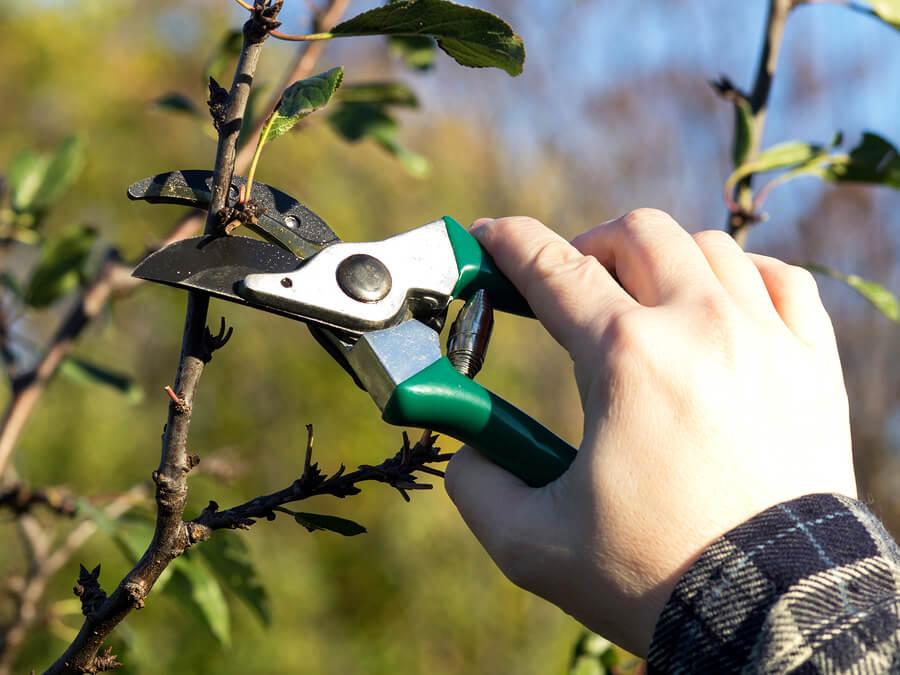
In central Russia, to promote abundant fruiting, apple tree growers use stimulating pruning of the current year's green shoots, leaving 2-4 buds. This procedure is performed in the summer to allow the wounds to heal before winter. It is recommended to perform this procedure partially during the first year, as some varieties form fruit buds at the tips of the shoots.
To ensure a regular harvest, in lean years, the formation of flower buds is reduced by more severe thinning and shortening of branches. In a year of abundant fruiting, branches are thinned moderately, small growths are left untouched, and long growths are shortened by a third.
We regulate feeding
Nitrogen fertilizers such as urea, ammonium nitrate, sodium nitrate, manure, compost, or chicken manure are recommended to be applied in small doses in early spring. Mineral fertilizers should be applied at the times, frequency, and dosages specified in the product instructions.
Pest control treatments
Before the sap begins to flow, the trunks are whitewashed with a lime solution containing copper sulfate, sticky traps are attached, and the weevils are collected mechanically. Two treatments are carried out: during budding and after flowering. Use the harmless biological preparation Fitoverm, diluting 2 mg of dry matter in 1 liter of water, or the chemicals Karbofos, Aktellik, and Votafoks.The use of insecticides is not recommended during flowering, as it kills not only pests, but also insects that pollinate the apple tree.
Prevention and advice for gardeners
To protect fruit trees from diseases and pests that can reduce yield, it is recommended to take preventative measures:
- care of the tree trunk circle - loosening, weeding, mulching;
- sanitary pruning, wound treatment;
- whitewashing the trunk and lower branches;
- removal of dried areas of bark;
- inter-row cultivation.
If measures aimed at preventing pest attacks do not help, control methods are selected depending on the type of pest.
To ensure that apple trees in the garden bear fruit regularly, experienced gardeners advise:
- purchase several varieties of apple trees that bloom at the same time;
- Before flowering, apply potassium sulfate under the tree at a rate of 12 g per 1 sq. m of the trunk circle;
- plant plants with a strong aroma in the area to attract pollinating insects;
- maintain a distance of at least 4 meters between apple trees in a row and between rows;
- Water apple trees properly, stop watering 3 weeks before harvesting;
- use crown sprinkling and smoking to prevent buds from freezing in the spring;
- Shorten the branches a little to allow the apple tree to recover quickly after transplanting.
An apple tree will respond to your care with a bountiful harvest. This plant especially requires care in the spring during the post-winter recovery period, when preventative measures are taken, pruning is done, fertilizing is applied, and wounds are treated.
Related posts:
 Description of the Chudnoe apple variety, planting and caring for a dwarf tree
 Signs and treatment of apple tree cancer, varieties resistant to the disease
 Description of the Red Early apple tree variety, agricultural technology and specific care
 Description and subtleties of growing the Sverdlovsk Beauty apple tree variety
 Description and characteristics of the Orlovim apple variety, cultivation nuances
 Reasons why apple trees dry out in summer, what to do and how to prevent it
 Description and varieties of the Sinap apple tree, planting and care rules
 Description of the ornamental Nedzvetsky apple tree, cultivation technology