
- Common causes of dryness
- Unsuitable climatic conditions
- Incorrect crop pruning
- Freezing of plants as a cause of drying out
- The influence of high groundwater
- Soil characteristics
- Mistakes when planting a tree
- Malnutrition
- Diseases and pests
- Signs of apple tree drying out
- On leaves and branches
- On flowers
- At the harvest
- On the trunk
- What to do: agricultural techniques to save your garden
- Treatment of diseases and destruction of parasites
- Folk remedies
- Store-bought medications
- We organize proper tree care
- We fertilize
- Regulating watering
- We cover the tree from winter frosts
- We are transplanting an apple tree to a new location
- Preventive measures
Beginning gardeners often wonder why their apple trees dry out in the summer. This may be due to improper care or infection. Before treating the tree, it's important to determine the cause of the condition based on the symptoms. Then, spray the tree with the appropriate treatment and perform treatments to restore it.
Common causes of dryness
Trees can dry out due to various factors. These include unfavorable climate, improper pruning, frost damage, overwatering, diseases, and pests.
Unsuitable climatic conditions
Each apple tree variety is developed for growing in specific conditions. Some are winter-hardy, others are drought-resistant, and still others prefer a moderate climate. To ensure the seedling survives and thrives, it is recommended to select a variety suited to the planting region. Mature plants bear fruit in July or August, depending on the variety. Flower buds begin to set in early June. For northern regions, early-ripening varieties are preferable.
Incorrect crop pruning
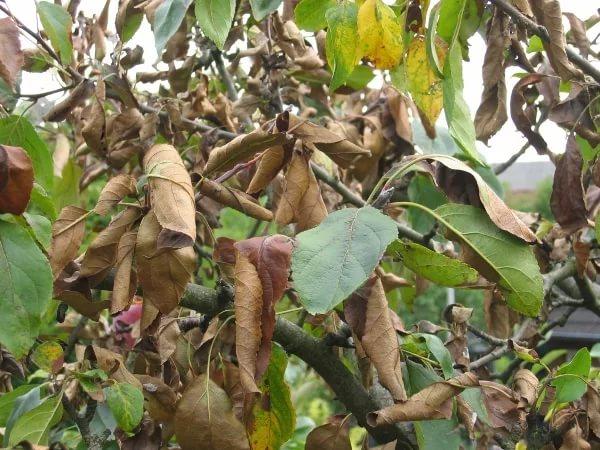
If shoots are pruned incorrectly or not pruned at all, branches and leaves begin to dry out. Woody stems grow in the wrong direction, overlapping each other. They begin to dry out due to insufficient or excessive sunlight.
 Important! It is necessary to select seedling varieties zoned for cultivation in specific conditions.
Freezing of plants as a cause of drying out
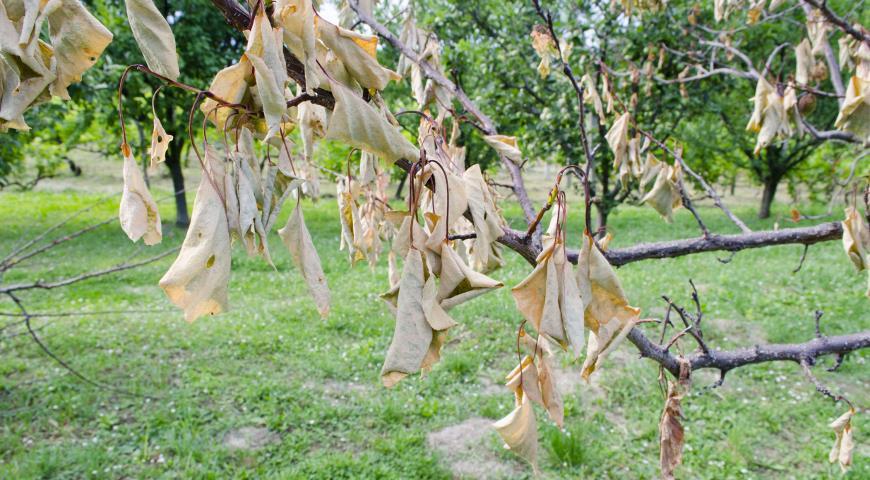
If you don't protect an apple tree for the winter, it can suffer significant damage. Some leaves and branches dry out. The damage is usually localized to one area. After pruning, the plant will sprout new green stems.
The influence of high groundwater
Having too much water at a tree's roots is detrimental. The root system becomes rotted. The trunk's nutrition is disrupted, and the plant slowly dies and develops poorly. Leaves and small branches lack nourishment, becoming dry and curled.
Soil characteristics
Apple trees do not thrive in heavy or acidic soils. They prefer light, dry soils with good root aeration and drainage. The tree tolerates mild acidity or alkalinity. Increases or decreases in pH cause yellowing of parts of the plant. A neutral environment is optimal for growing the plant.
Mistakes when planting a tree
When planting a tree, make a 10 cm deep hole around the trunk, approximately 25 cm in diameter. This ensures improved moisture penetration to the roots. Failure to create a root ball will hinder the plant's development. Young apple trees will dry out if the hole in the soil is too deep or, conversely, not deep enough. When planting, the roots are completely immersed in the soil.
Malnutrition
Apple trees, like other plants, require mineral or organic fertilizers. To improve growth and development, fertilizer is applied to the trunk area. The most commonly used fertilizers are:
- manure;
- chicken manure;
- wood ash;
- compost;
- humus;
- compositions containing nitrogen, phosphorus, potassium.
Diseases and pests
Depending on the variety, apple trees have strong immunity. However, if proper agricultural practices and care are not followed, the plant is susceptible to infections. These include:
- Cytosporosis. Dense brown growths form on branches and leaves. The bark, foliage, and branches begin to dry out.
- Powdery mildew. Tree death occurs in the advanced stages. Gradually, all leaves become infected, developing a white-gray coating. The tree loses the necessary nutrients, dries out, and dies.
- Scab. Black or dark brown growths form on woody shoots. These growths interfere with the plant's normal nutrition.
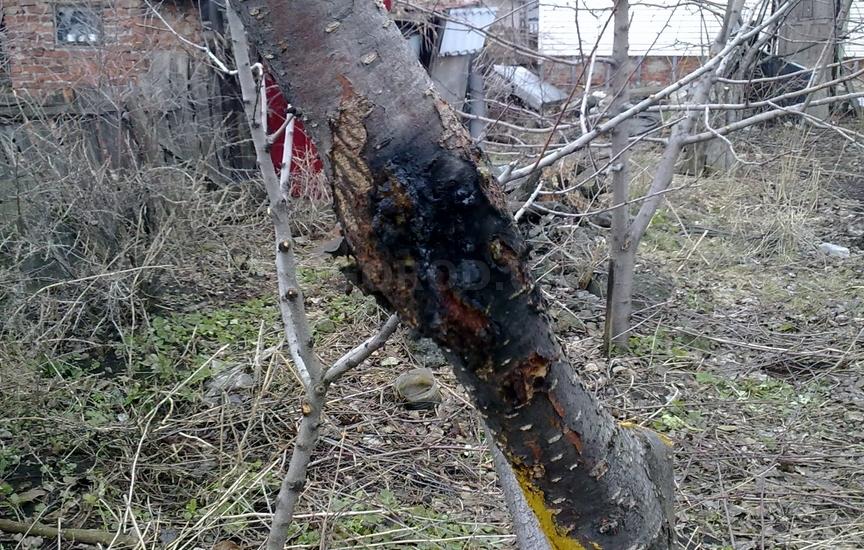
- Black canker. The most dangerous and common disease. Black spots and stripes appear on branches and roots. These must be removed immediately to prevent spreading throughout the trunk.
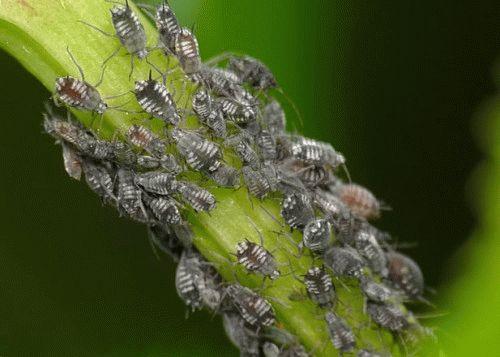
Apple trees are also attacked by insects that feed on the sap of leaves and fruits and penetrate the bark. These include:
- Black aphids. These small insects attack leaves, usually on the undersides. A thin black coating forms on the shoots. After feeding, small holes are visible. Controlling aphids is quite difficult; insecticides are used.
- Caterpillars of any butterfly. They hatch from the eggs laid by butterflies. They are easy to spot. They are large in size and come in various colors.
- Leaf rollers. A distinctive feature of their attack is that they consume the foliage, which then curls up. Inside the curls, the insects lay eggs, which migrate to new shoots.
- Spider mites are difficult to spot; they leave behind only a gray web on branches. Afterward, the leaves begin to turn yellow, fall off, and dry out.
- May beetle larvae. They feed on small apple tree roots, which disrupts the plant's development and growth. The tree lacks nutrition.
Signs of apple tree drying out
If your apple tree has begun to dry out, and the stems and leaves have turned yellow, there are several possible causes. Depending on the nature of the damage, the location may vary: on leaves and branches, on flowers, on the fruit, or on the trunk.
On leaves and branches
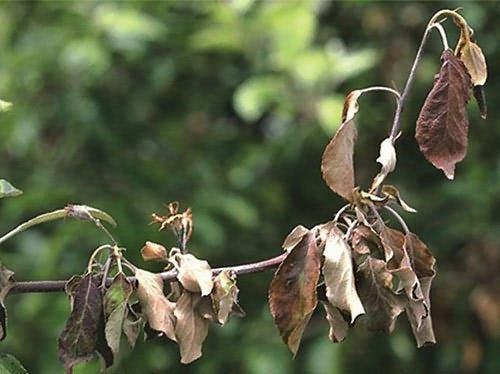
With improper care, untimely fertilization, nearby shrubs with a strong root system, and failure to loosen and weed, yellowing of leaves and branches occurs. They dry out, localized in one area. At the top of the tree, crown formation is inhibited, leaf tips turn yellow, then dry out completely and fall off. Branch edges become dry and easily break at the edges. Individual shoots fail to produce buds and flower buds.

On flowers
Sometimes problems arise during flowering. Buds and flowers begin to fall off and dry out. This indicates that the apple tree isn't getting enough nutrition to set fruit. Therefore, fertilize with Epin and the "Ovary" preparation.
At the harvest
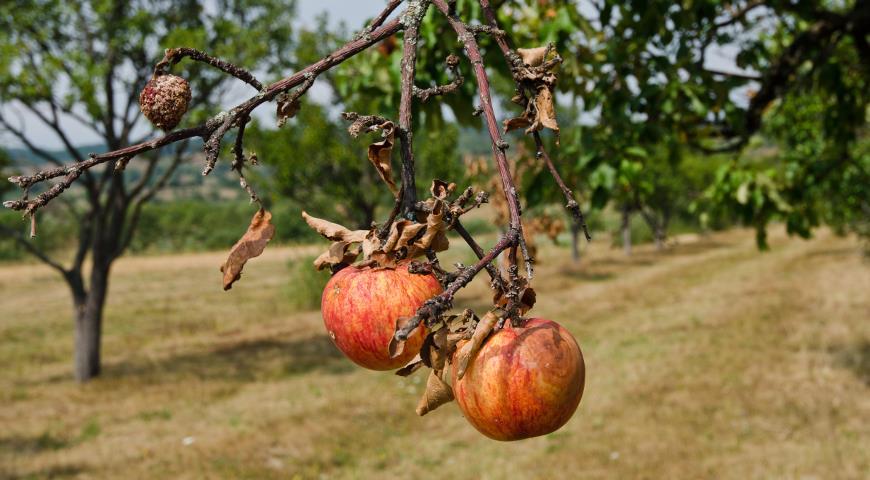
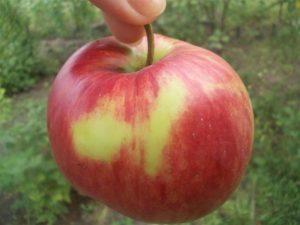
Most often, this effect indicates a disease. Apple branches weaken and fall off. Black spots appear on the fruits, which fall off before they have time to ripen.
On the trunk
Signs of drying on the trunk indicate canker. Black growths appear on the trunk, and the bark peels off easily. Branches dry out, and leaves turn yellow. The growths are located on different sides and in different places.
What to do: agricultural techniques to save your garden
First, if there is damage, trim off the branches and leaves. Seal the cut area with garden pitch. If the cause is an infection, treat the tree with a fungicide.
If frost damage or overwatering is the cause, the tree needs to be relocated. If a branch is damaged by frost, it needs to be pruned.
Treatment of diseases and destruction of parasites
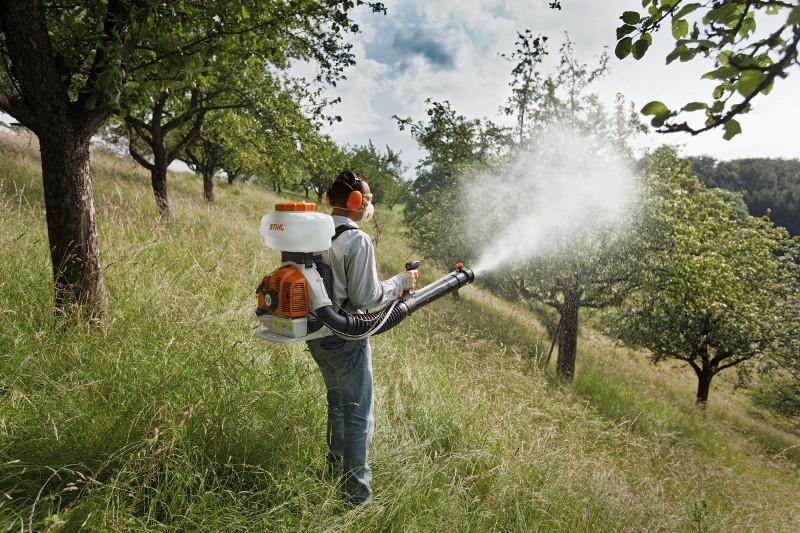
To combat pests and diseases, both folk remedies and specialized products are used. Proper care for the crop is also essential to protect it from disease.
Folk remedies
To combat pests, herbal infusions and decoctions are prepared. They also help combat fungal diseases. The most effective recipes are:
- Tobacco infusion. Spray it on the tree's foliage before budding begins. The distinctive aroma repels harmful insects.
- A solution of mustard and laundry soap. Grate the mustard bar, dissolve it in 10 liters of water, then add 200 g of the dry mixture. Spray with the solution.
- Infusion of wormwood, garlic, and onion leaves. Fill a 50-liter barrel with water, add wormwood, 1 head of garlic, and onion leaves. Let it steep for 8 hours, filter, and spray.
Store-bought medications
Agrochemical companies have developed a number of products to combat infections and pests. The following are used to kill insects:
- "Decis";
- "Karate";
- "Actellic";
- "Spark";
- Inta-Vir
- Fufanon.
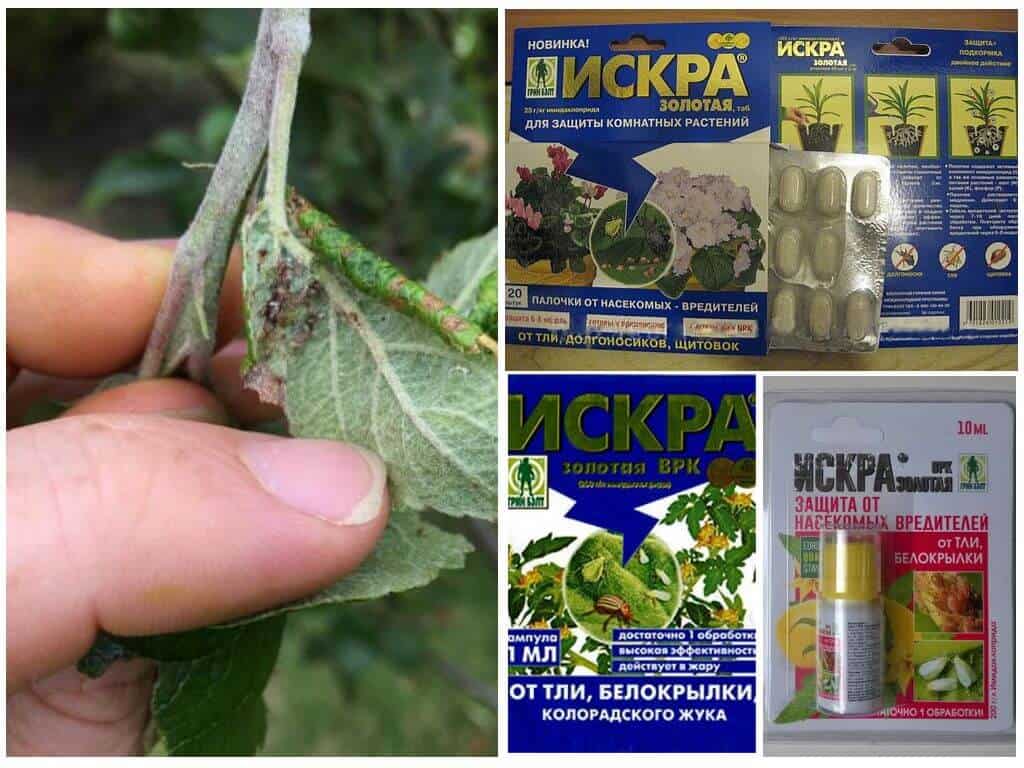 Important! Insecticide treatments should be stopped 2 weeks before harvest.
To combat infections, fungicides are used. Suitable for apple trees include:
- "Fitospron-M";
- "Hom";
- "Skor";
- "Topaz";
- Horus;
- "Gamair".
Fungicides are diluted according to the instructions. Two to three treatments are carried out per season. Spray with caution.
We organize proper tree care
Proper care of the plant is also considered a preventative measure. Adhering to these requirements strengthens the apple tree's immunity and prevents infection and insect infestation.
We fertilize
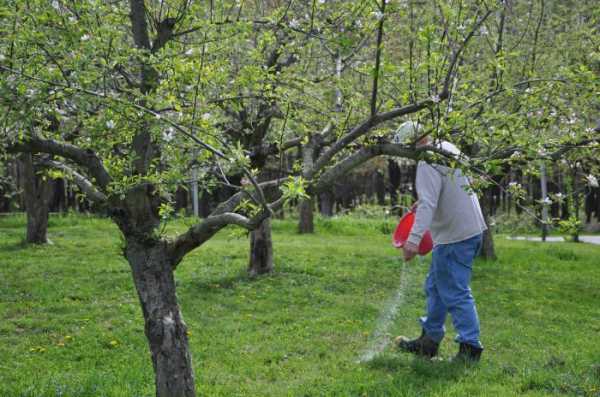
Fertilizers are applied three times per season. The first time is in early spring, before bud formation, the second time is during flowering and budding. The third time is after harvest. Organic fertilizers are used for the first and third stages. Mineral fertilizers are used for the second stage. The best fertilizers for apple trees are:
- manure;
- chicken manure;
- compost;
- humus;
- mineral compositions containing potassium, nitrogen, and phosphorus.
Important! Solutions and mixtures are applied to the tree's trunk circle.
Regulating watering
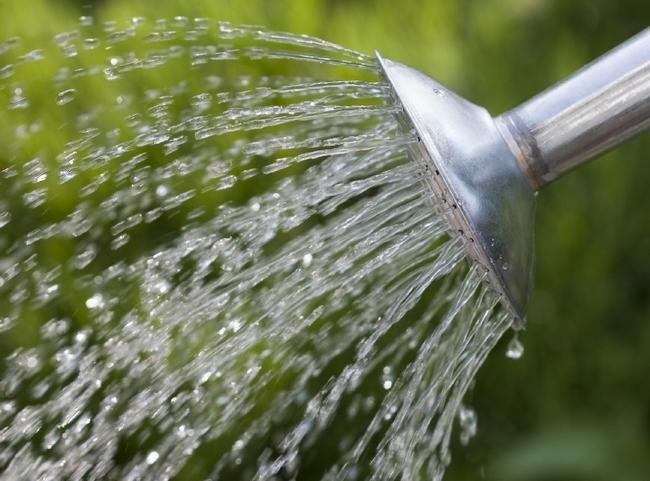
Watering is adjusted depending on the variety. Drought-tolerant species require less watering. On average, the plant is watered every two weeks. Use 30-40 liters of settled water per tree. The water should be warm when watering.
We cover the tree from winter frosts
For the winter, regardless of frost resistance, it is recommended to cover the apple tree's roots. They are mulched using:
- peat;
- wood sawdust;
- straw;
- moss;
- dry grass without roots.
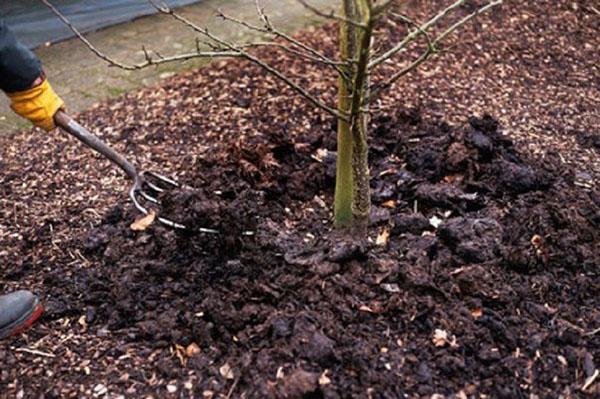
The material is distributed in the area beneath the trunk. Young seedlings are completely covered, as winter hardiness does not develop during the first three years of life. The trunk is also painted with limestone to deter rodents that feed on the plant's bark.
We are transplanting an apple tree to a new location
If necessary, replant the apple tree. Young seedlings tolerate this process better. Select a suitable location for transplanting. It should be protected from drafts and receive good light. Follow these instructions for replanting:
- Using a shovel, draw an outline in the ground, deepening it into the soil.
- They are digging up a tree.
- The roots are cleared of soil by hand.
- At the new location, dig a hole 70 cm deep and about 1 m in diameter.
- The roots are moistened with a solution of potassium permanganate and straightened.
- If necessary, drainage material is placed in the hole.
- They deepen the plant.
- Sprinkle the soil layer by layer, compacting each layer with your hands.
- The plant is watered.
It's best to replant in winter or before buds begin to form. This increases the seedling's survival rate. For some varieties, only spring replanting is suitable.
Preventive measures
To avoid drying out of apple tree leaves and branches, it is necessary to take preventative measures:
- Monitor watering; a lack of moisture or, conversely, its increased content causes a decrease in immunity.
- Cover them for the winter, especially young plants. Severe frosts can kill the plant completely.
- Preventive treatments with insecticides and fungicides are carried out at the beginning of the growing season.
- When planting a seedling, select a suitable location.
- During severe droughts, increase watering.
- Fertilizing is carried out with organic or mineral fertilizers depending on the growing season.
- To prevent aphids from attacking tree leaves, ladybug larvae are released, which feed on these insects.
- At the beginning of spring and before winter, pruning and thinning of the crown is carried out.
- The leaves are treated with folk remedies.
- Remove any damage to trunks and branches, regularly inspecting for their presence.
Related posts:
 How to plant walnuts, care for them, and grow them at home
 Peach tree care and agricultural secrets, pest control
 Causes and treatment of cherry diseases, methods of pest control
 Description of the Red Early apple tree variety, agricultural technology and specific care
 Causes and treatment of eggplant pests and diseases, how to combat them at home
 What to do and what is the best treatment if the leaves on a pear tree turn black?
 The best eggplant varieties for growing in a polycarbonate greenhouse: planting and care
 Description and characteristics of the Tyutchevka cherry variety, planting and care