
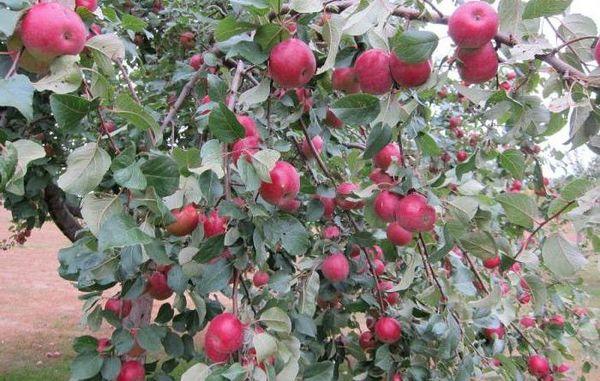
- General description of the apple tree
- Main advantages
- Selection and growing regions
- Tree size and annual growth
- Fruiting of the Silver Hoof variety
- Flowering and pollinators
- Ripening period and harvesting of fruits
- Yield and tasting assessment
- Transportation and storage of apples
- Disease resistance
- Winter hardiness
- Specifics of planting and care
- Selecting a site
- Preparing seedlings
- Timing and technology of planting
- Further care
- Watering and fertilizing
- Pruning and crown shaping
- Loosening and mulching the soil
- Preventive treatments
- Covering a tree for the winter
- Methods of reproduction
- What to do if the apple tree does not bloom or bear fruit?
- Gardeners' reviews
- Conclusion
Many gardeners and homeowners grow apple trees in their gardens. There are many different varieties of this fruit, but the Silver Hoof variety is a popular one. Before growing this plant, it's important to familiarize yourself with its key characteristics.
General description of the apple tree
It is necessary to familiarize yourself with the general description of the variety in advance and understand its characteristics.
Main advantages
This variety, like other apple trees, has a number of advantages worth considering. These include the following:
- resistance to rot, scab and other common insects that can attack the plant;
- high level of productivity;
- ease of care;
- resistance to frost and temperature changes.
Selection and growing regions
It's no secret that the Silver Hoof has good frost resistance, which is why it's grown in various regions. The plant thrives best in the Moscow region, where cool winters are common. This apple tree can also be planted in the Volga region, the Urals, and even Siberia.
Tree size and annual growth
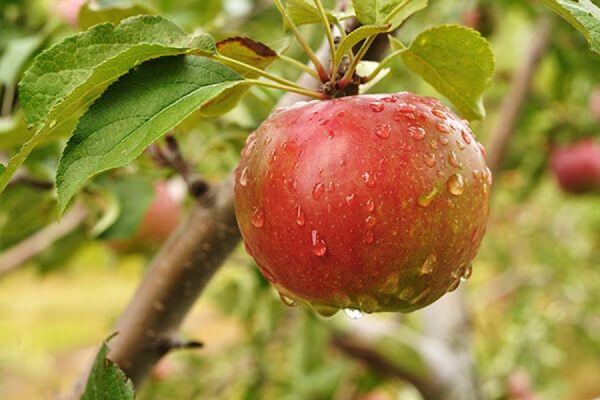
The tree isn't very large, as it's a medium-sized apple variety. Its height rarely exceeds three meters. Silver Hoof also grows slowly, with annual growth of 30-40 centimeters when properly cared for. Therefore, the tree reaches its maximum height within five years of planting.
Fruiting of the Silver Hoof variety
Before growing an apple tree, it is recommended to understand the main nuances of its fruiting.
Flowering and pollinators
This variety is self-fertile, so pollinators are essential in the garden. Experts recommend planting it nearby. apple tree Anis Sverdlovsky, as it is considered the most suitable pollinator. However, other varieties that begin blooming in the second half of spring are also suitable. They are planted 100-150 meters from Silver Hoof.
Ripening period and harvesting of fruits
Many people planning to plant Silver Hoof apples in their gardens are interested in the ripening time of the harvest. Most often, the apples are fully ripe by the second half of August. However, if the trees are grown in southern regions, ripening begins several weeks earlier. In this case, the fruits are harvested in early August.
Yield and tasting assessment
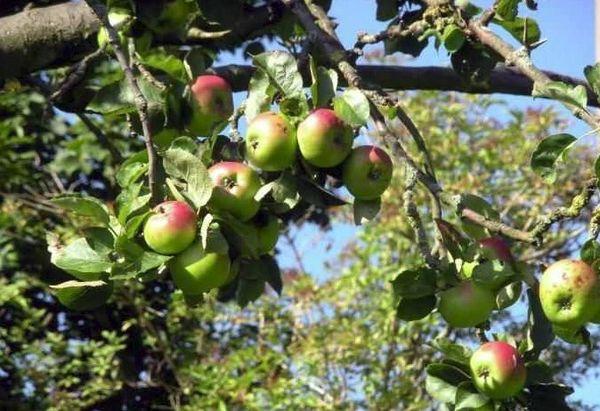
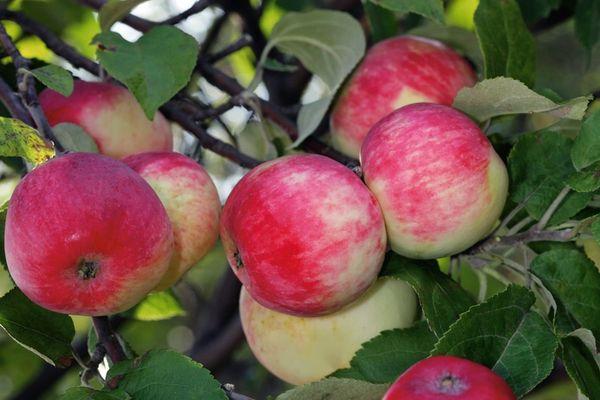
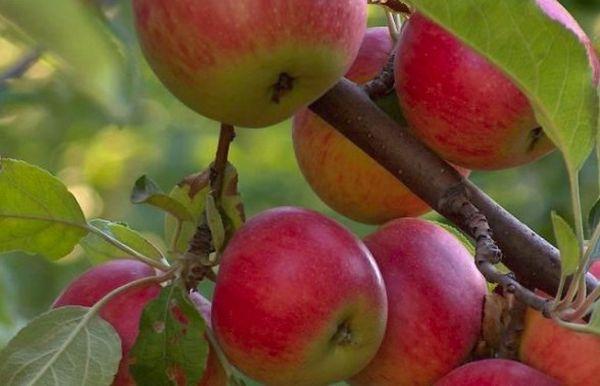
One of the variety's main advantages is its high yield. Each tree produces approximately 80-90 kilograms of ripe apples annually. Each fruit weighs up to 80-90 grams. However, larger fruits are sometimes found.
The harvested fruit is juicy and sweet. It is used to make compotes, juices, jams, and other fruit dishes.
Transportation and storage of apples
Sometimes it's necessary to transport the harvest over long distances. Silver Hoof apples are ideal for transport, as they don't spoil immediately after picking. It's best to store the harvested fruit in a cool place, at a temperature of 10-12 degrees Celsius.
Disease resistance
This plant is known for its resistance to scab and common diseases that often affect apple trees. However, the plant is not immune to some fungal diseases, so care must be taken to ensure the trees are disease-free.
Winter hardiness
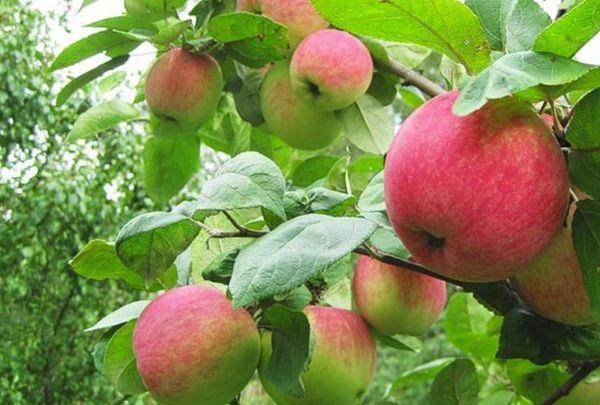
Among the Silver Hoof's advantages is its winter hardiness, which makes it suitable for growing in northern regions known for their cold winters.
Specifics of planting and care
It is recommended to read the recommendations for planting a seedling in order to grow delicious apples.
Selecting a site
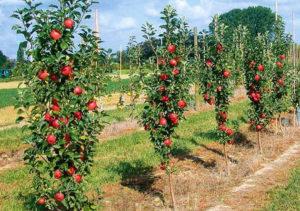
First, you need to choose a site where you will grow your apples. The chosen location should receive good sunlight. The area should also be reliably protected from gusts of wind, which can damage the stems.
Preparing seedlings
For planting, it's recommended to purchase seedlings from specialized nurseries. Young seedlings with strong root systems are purchased. Before planting, soak the seedlings in a growth stimulant for 8-10 hours. This strengthens the roots.
Timing and technology of planting
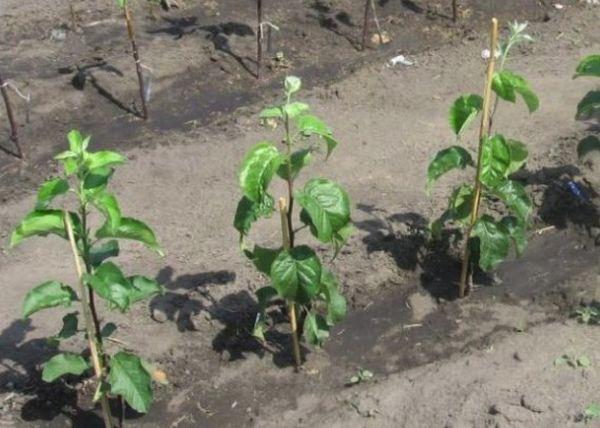
The tree is planted in the first half of autumn, before the weather gets cold. First, a planting hole is dug 50 centimeters deep and 40-45 centimeters wide. Then, mineral and organic fertilizers are added. To moisten the soil, several liters of water are poured into the hole.
After preparing the planting site, place the seedling in the hole. Cover it with soil and water it again.
Further care
A planted apple tree must be properly cared for so that it bears fruit.
Watering and fertilizing
The tree needs to be watered regularly to prevent the soil from drying out. Experts recommend watering it 3-4 times a month. One bucket of water is poured under each tree. Fertilizer is added in the spring, before flowering. Humus, superphosphate, wood ash, and other mineral fertilizers with organic matter are added to the soil.
Pruning and crown shaping
Crown pruning is recommended annually in the spring. This is done to remove excess branches and shape the tree properly. Experts recommend using a bush pruning pattern, as this will help improve yield. Also, crowns formed using a bush pruning pattern will benefit from better pollination and sunlight.
Loosening and mulching the soil
The soil around a planted apple tree needs to be loosened periodically. This procedure improves water flow and oxygenation.
Experts also recommend mulching. To prepare the mulch, use 400 grams of urea, 40 grams of saltpeter, and a bucket of compost. Spread this mixture around the crown to a depth of 6-7 centimeters.
Preventive treatments
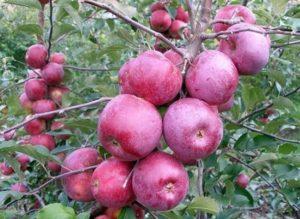
To protect trees from pests and diseases, preventative treatments are carried out. Saplings are sprayed with fungicides and insecticides.
Covering a tree for the winter
Only young seedlings that have recently been planted in the garden are covered for the winter. They are wrapped in spruce branches, sacks, or soft cardboard. Before this, the trunks are treated with disinfectants and whitewash.
Methods of reproduction
Sometimes people have to propagate apple trees themselves. Silverhoof is propagated using the following methods:
- rooting of cuttings;
- seeds;
- by grafting cuttings.
What to do if the apple tree does not bloom or bear fruit?
Sometimes, apple tree growers encounter problems with their trees failing to bear fruit. This is often due to a lack of micronutrients or moisture. Therefore, to correct this problem, you need to regularly water the seedling and feed it with fertilizers.
Gardeners' reviews
Natalia, 40: "I've been wanting to plant an apple tree in my garden for a while and decided to try 'Silver Hoof.' I'm pleased with the results, as the harvest is delicious and juicy."
Andrey, 34: "I planted this apple variety in my garden a few years ago. I'm very pleased with it; the tree grows quickly, produces fruit well, and is disease-free."
Conclusion
Silver Hoof is a popular apple variety grown by many gardeners. Before planting this apple tree, it's important to understand the specifics of its planting and subsequent cultivation.
Related posts:
 Signs and treatment of apple tree cancer, varieties resistant to the disease
 Description and varieties of the Sinap apple tree, planting and care rules
 Description and characteristics of the columnar apple tree President, planting and care
 Description of the Chudnoe apple variety, planting and caring for a dwarf tree
 Description of the ornamental Nedzvetsky apple tree, cultivation technology
 Description and subtleties of growing the Sverdlovsk Beauty apple tree variety
 Description and planting of the Dream apple tree variety, care and propagation
 Description and characteristics of the Orlovim apple variety, cultivation nuances